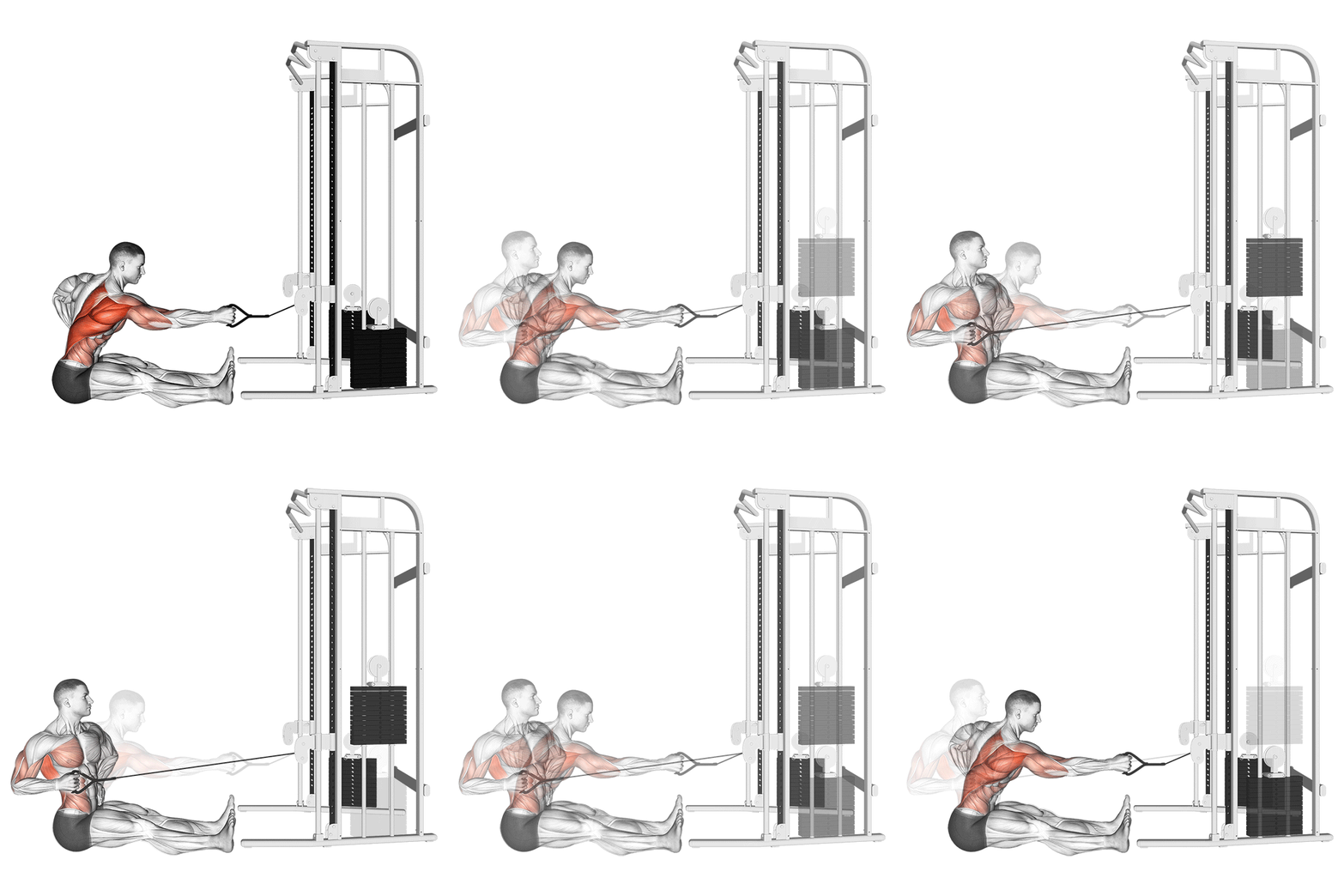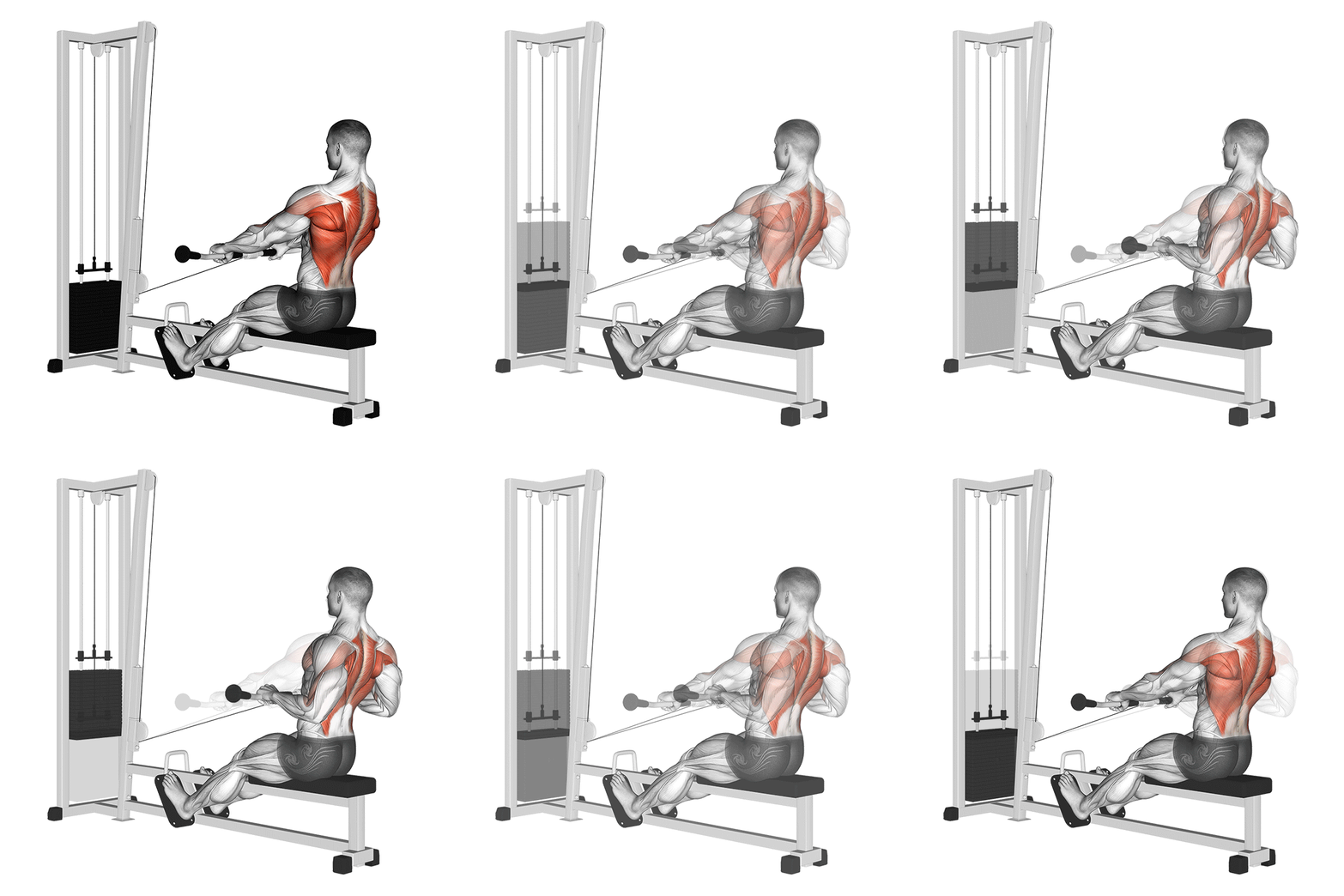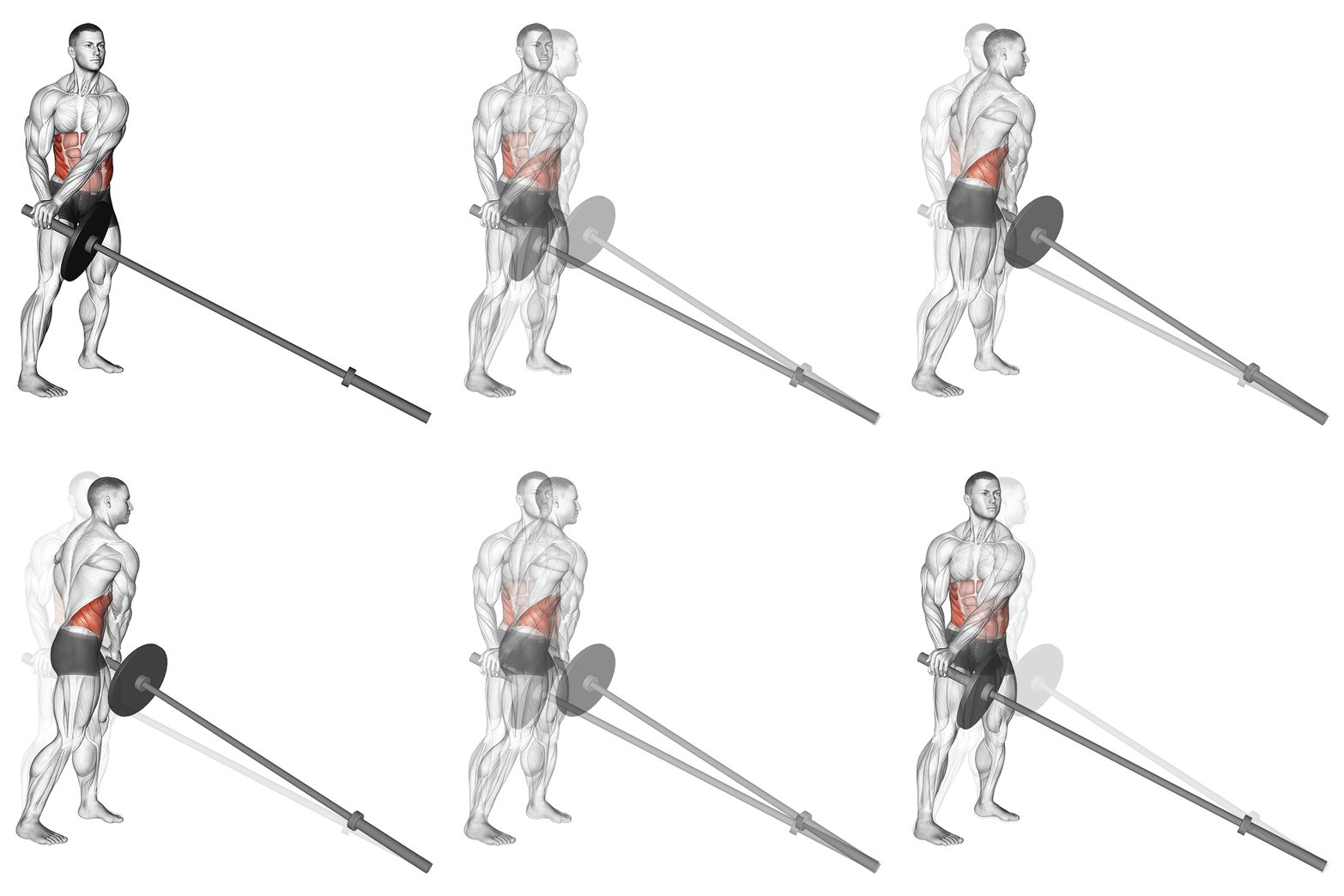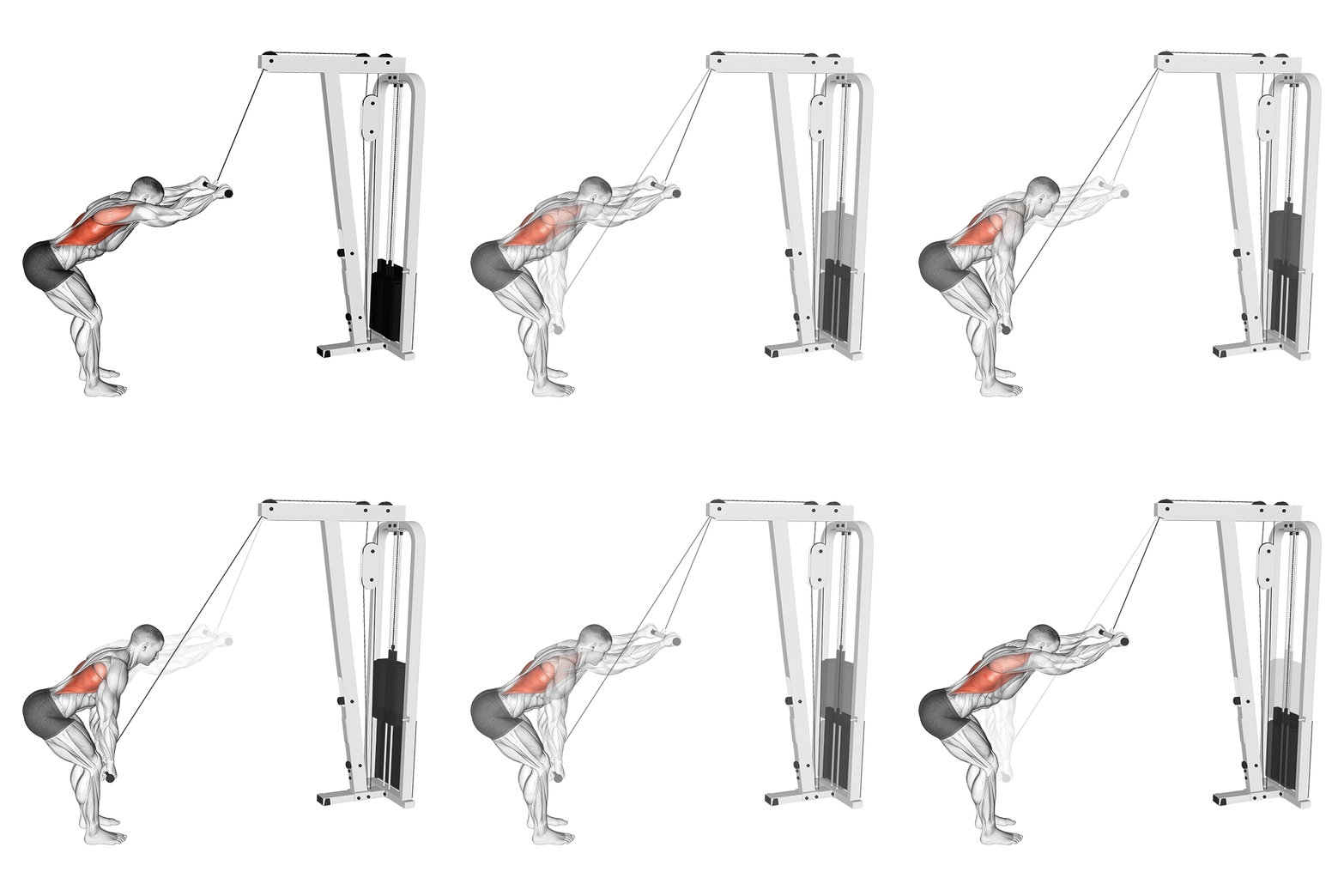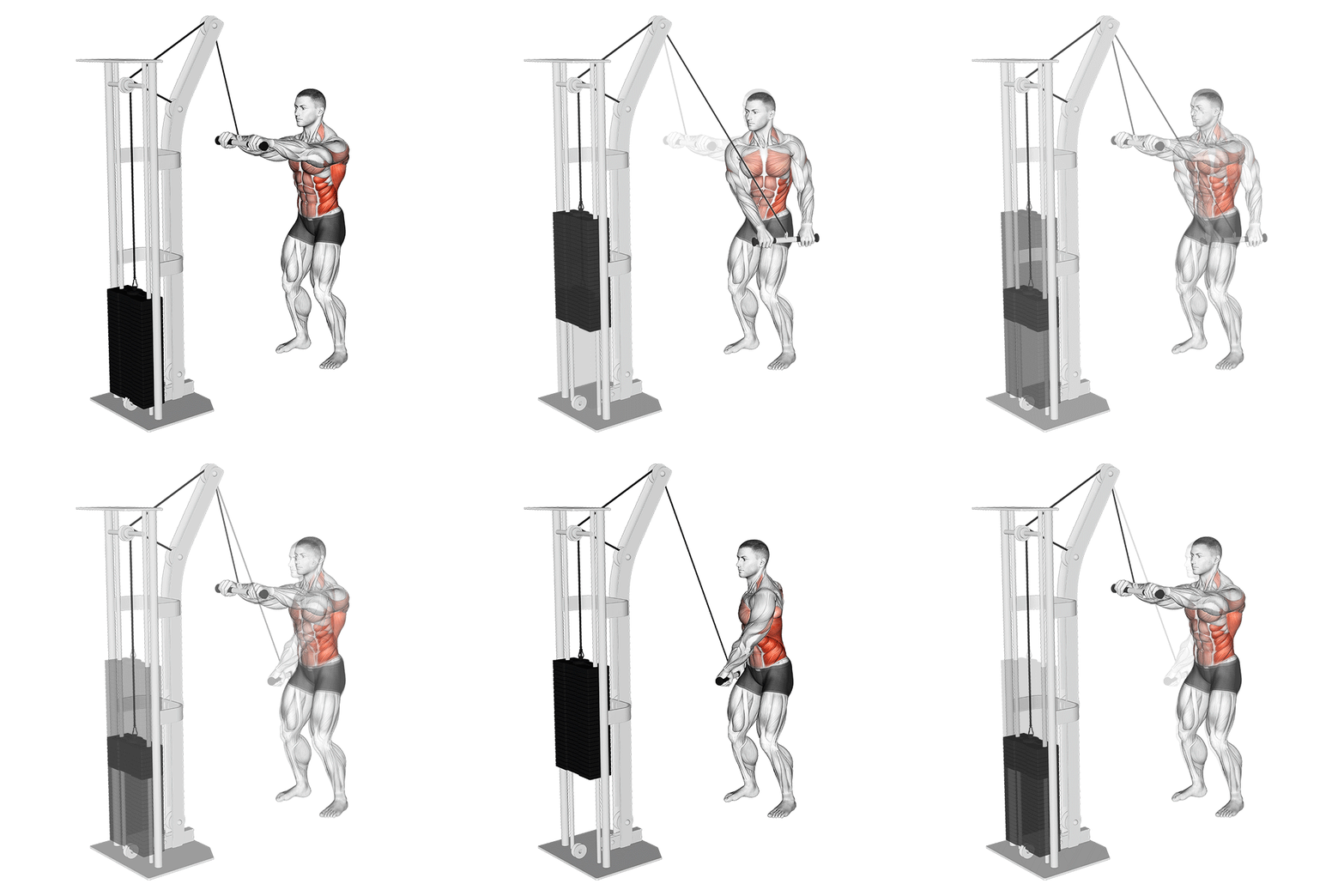
What is the cable thibaudeau kayak row?
The kayak row is a standing cable exercise popularized by Canadian strength coach Christian Thibaudeau. With a straight bar attached to a pulley at roughly chest height, you grip it wide like a kayak paddle and pull one end down toward your hip while the trunk rotates, then flow straight into a stroke on the other side. Each stroke blends a single-side row with controlled rotation, so the lats, rhomboids and rear delts share the work with the obliques. It suits lifters who want rowing volume that also trains the trunk, and athletes in paddling or rotation-heavy sports.
How to do the cable thibaudeau kayak row
- 1
Rig the paddle
Attach a straight bar to a single pulley set around chest height. Face the stack, feet shoulder width, knees soft, hinge slightly at the hips and let your arms go long.
- 2
Take a paddle grip
Grip the bar well outside shoulder width, as if holding a kayak paddle. Brace your trunk before the first stroke: the cable will try to twist you.
- 3
Stroke to one hip
Pull one end of the bar down and back toward the same-side hip, elbow sweeping behind you, trunk rotating a few degrees. The other arm stays long and guides the bar like the top hand on a paddle.
- 4
Flow to the other side
Resist the cable on the way back, then stroke to the opposite hip without stopping. Aim for a smooth, continuous rhythm: paddling, not jerking.
Pro tip
Row with your ribcage, not your hands. Every stroke should feel like the elbow and the opposite hip are connected through your trunk: lats pull, obliques steer. The moment the rhythm turns choppy, the set is over.
Common mistakes
All arms, no lats.
If your biceps burn out first, you are curling the bar. Start each stroke by driving the elbow back and feel the work land under the armpit.
Getting yanked at the switch.
The transition between strokes is where the cable wins. Control the return fully before the next pull, or the stack will snap you forward.
Standing bolt upright.
With no hip hinge you have no base, and the first heavy stroke pulls you onto your toes. Set a slight hinge and keep your weight mid-foot.
Loading it like a seated row.
Rotation plus moderate load is the recipe. Pile on plates and the movement collapses into a shrugging twist that trains nothing well.
Variations and progressions
Easier
One-arm cable row
Same standing pull, one side at a time, no rotation timing to manage. Build your base here before you add the paddle rhythm.
Harder
Tall-kneeling kayak row
Kneel facing the stack with the hips extended. With the legs out of the picture, your obliques and glutes have to resist every degree of twist on their own.
No cable?
Band kayak row
Anchor a band at chest height and paddle with the same rhythm. Tension builds through the stroke: lighter, but perfect for back volume at home.
How to program it
Three protocols by goal. Pick one per cycle and aim for progression on load or distance.
| Goal | Sets × distance | Load | Rest |
|---|---|---|---|
| Back hypertrophy | 3 × 10-12 per side | Moderate, RPE 7-8 | 90 s |
| Trunk control | 4 × 6-8 per side, 3 s return | Light to moderate | 75 s |
| Work capacity | 3 × 40 s continuous | Light | 60 s |
Cable Thibaudeau Kayak Row FAQ
Where does the kayak row come from?
Canadian strength coach Christian Thibaudeau popularized it through his training articles as a way to row and train rotation in one standing drill. It never became a gym staple, which is a shame: few cable exercises tie the lats and obliques together this cleanly, and it needs nothing more exotic than a straight bar.
Can it replace my heavy rows?
No. The rotation caps the load well below what a barbell or seated cable row allows, so it cannot drive raw back strength on its own. Slot it after your main horizontal pull as an accessory, two or three sets, and let it cover the trunk rotation work you would otherwise skip.
What attachment and pulley height work best?
A straight or lat bar at chest height is the sweet spot: wide grip, natural paddle line toward the hip. A rope is too short for a true paddle grip, and a very low pulley turns the stroke into an upright-row pattern. If the line feels wrong, adjust the pulley a notch at a time until each stroke tracks from shoulder to hip.