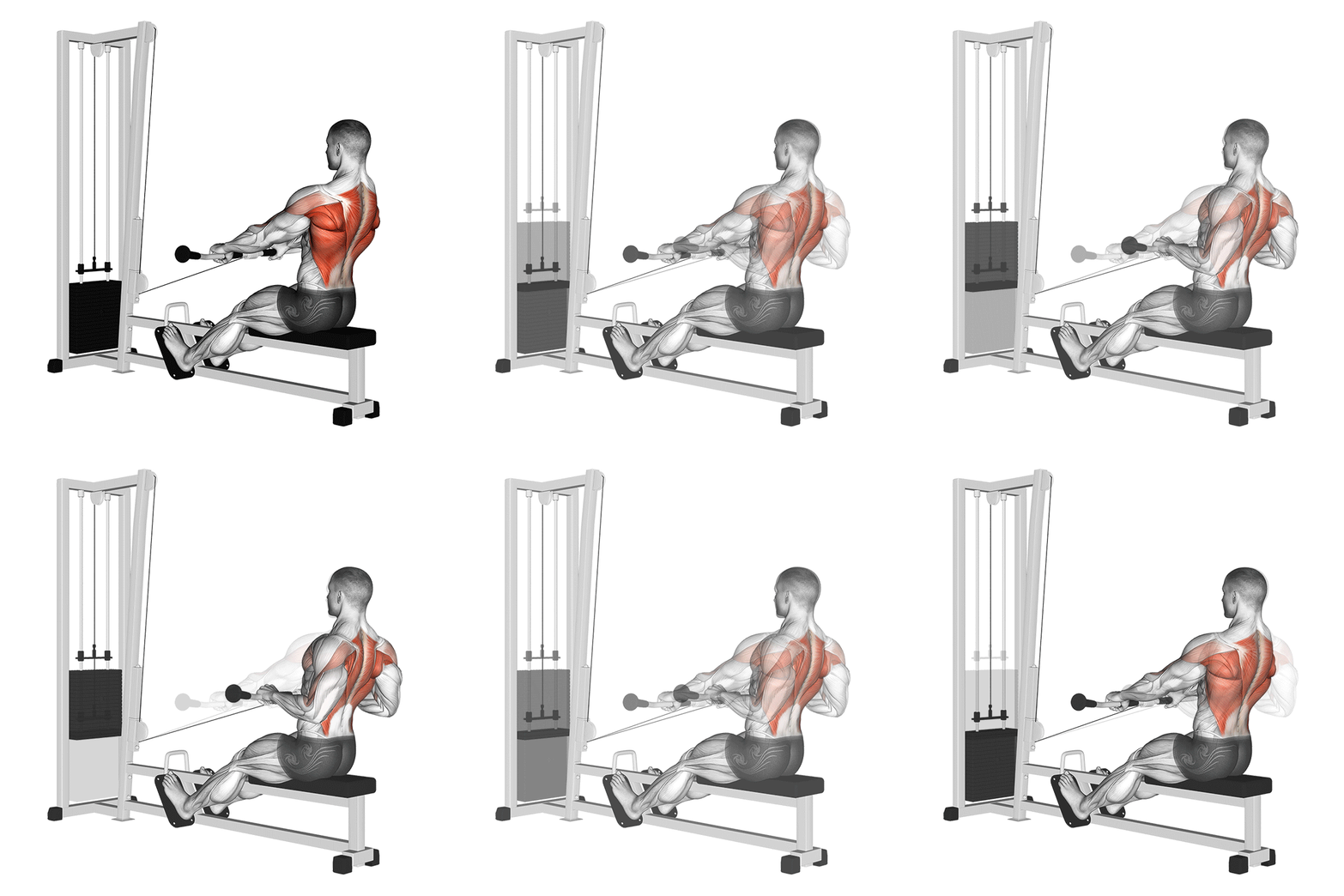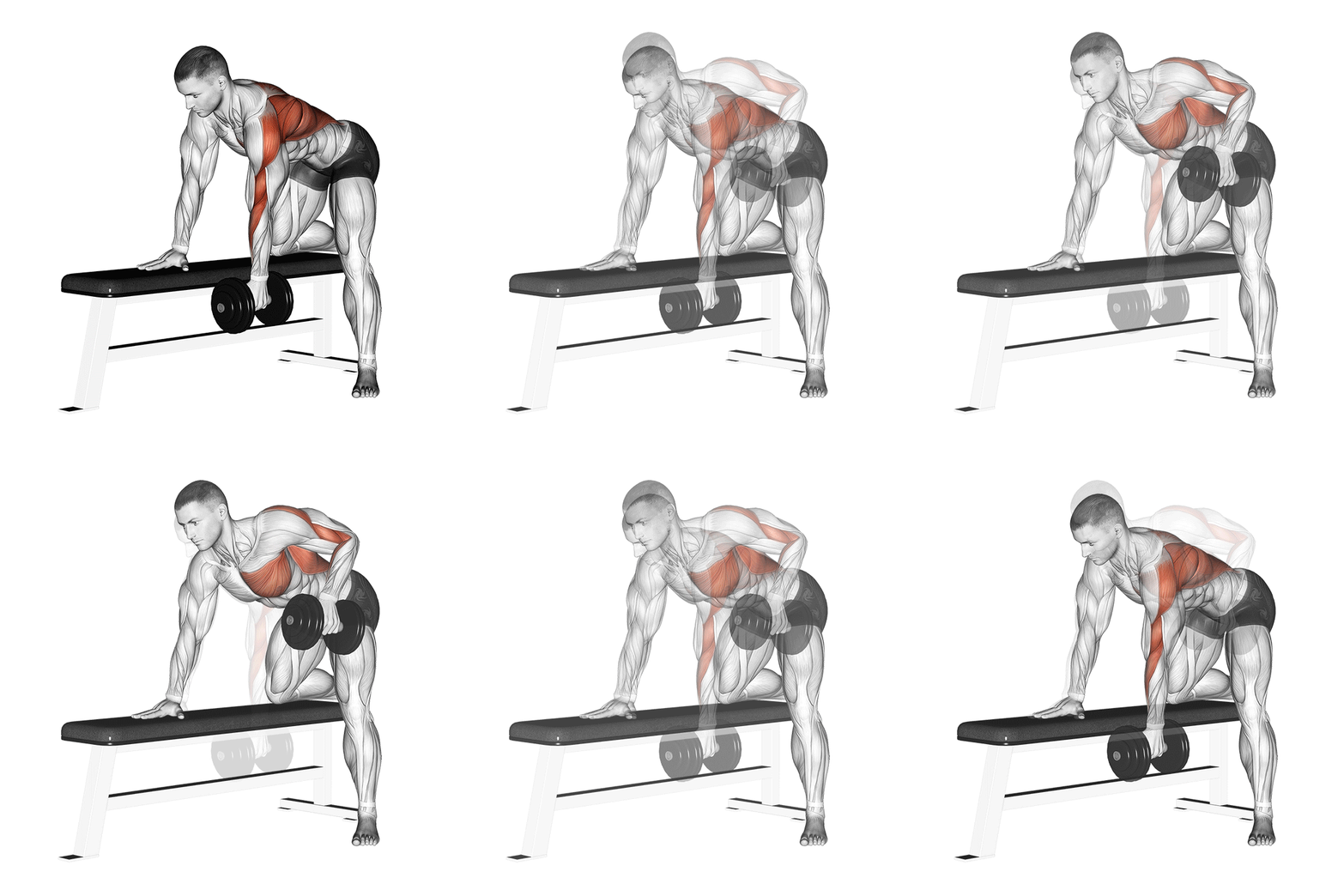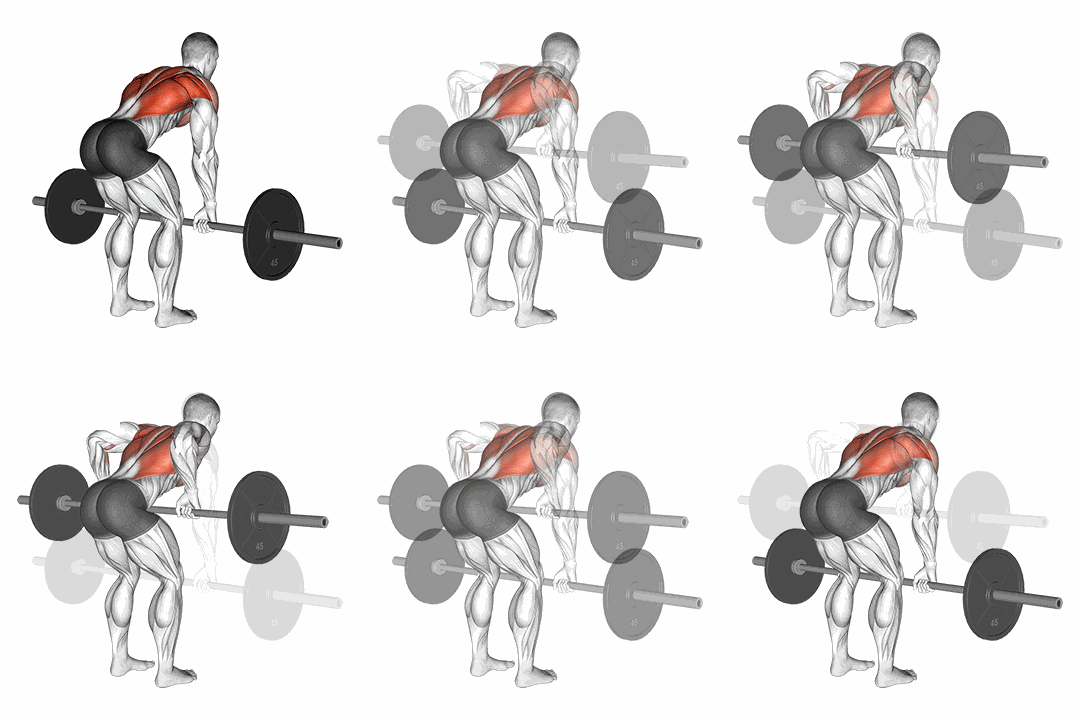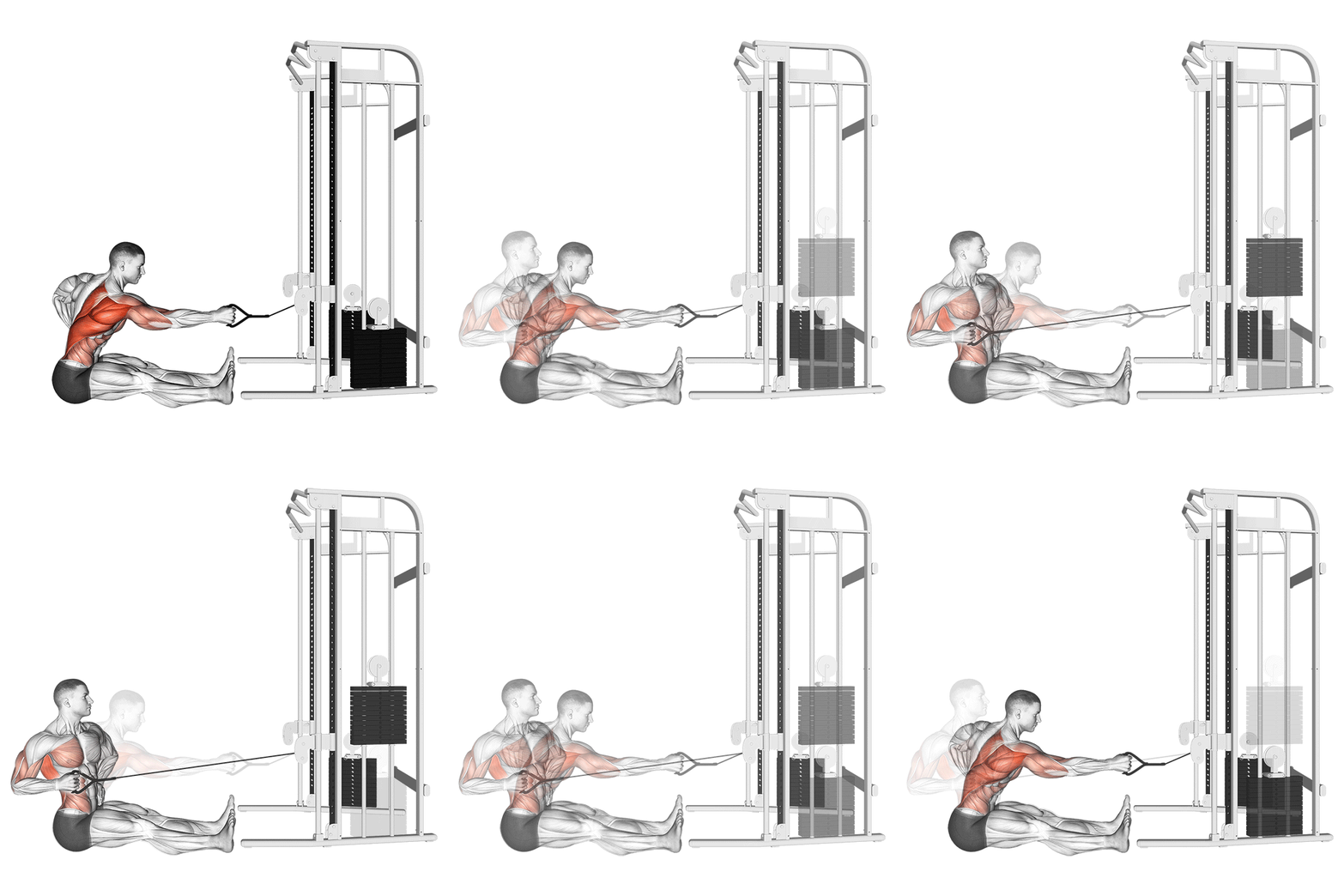
What is the one-arm cable row?
The one-arm cable row is performed seated or standing at a low pulley, single-D handle in one hand. The free hand sits on the knee or hip for support. Because only one side works, you get a longer pulling arc, more rotation through the torso if you allow it, and instant feedback on which side of your back is weaker. The cable provides constant tension across the whole rep, making it one of the best back-builders for hypertrophy and one of the best correctives for asymmetry.
How to do the one-arm cable row
- 1
Set up at a low pulley
Sit on the bench or stand in a slight stagger, single-D handle in the working hand. Arm extended, slight forward lean, back flat.
- 2
Pack the shoulder
Before you pull, draw the working shoulder blade down and back, away from the ear. This locks the lat in.
- 3
Row to the hip
Pull the handle toward your lower ribs or hip, driving the elbow back behind the body. Allow a small torso rotation to extend range.
- 4
Stretch on the return
Take three seconds to extend, letting the lat stretch fully and the shoulder reach forward. Repeat all reps, switch sides.
Pro tip
Always start the set with your weaker side and match the rep count on the strong side. Run that rule for two months and most back asymmetries disappear.
Common mistakes
Rowing with the torso.
Big lean-and-yank uses momentum, not back. Keep most of the work in the arm and shoulder blade.
Shrugging on the pull.
If the shoulder rises toward the ear, the upper trap takes over. Keep it packed down and back.
Stopping short at the body.
If the handle never reaches the ribs, you lose the squeeze. Pull all the way in, hold a count.
Skipping the stretch.
Letting the arm reach fully forward is where the lat grows. Slow controlled return every rep.
Variations and progressions
Easier
Seated cable row (both arms)
V-handle, both hands, classic seated row. Easier to brace and learn the pulling pattern.
Harder
Standing one-arm row with rotation
Standing in a stagger stance, allow a full torso rotation on the pull. Hits lats, obliques and rear delts as one chain.
No cable?
Single-arm dumbbell row
Knee and hand on a bench, dumbbell in the free hand, row to the hip. Same unilateral benefits, free-weight version.
How to program it
Three protocols by goal. Pick one per cycle and aim for progression on load or distance.
| Goal | Sets × distance | Load | Rest |
|---|---|---|---|
| Hypertrophy | 4 × 10-12 each side | RPE 8 | 60-90 s |
| Strength accessory | 5 × 6 each side | Heavy, controlled | 90 s |
| Imbalance fix | 3 × 15 weak side, match strong | Moderate | 60 s |
One-Arm Cable Row FAQ
Should I allow torso rotation?
A small rotation, yes, it adds range and recruits the obliques. A big swing, no, it turns into a momentum lift and the back stops growing. Aim for 15-20° of rotation that comes from the pull, not from a hip swing. If the bench is locking you in, that's fine too.
Why is my left side so much weaker?
Almost everyone has a dominant side, and bilateral rows hide the gap because the strong side compensates. Unilateral work like this is the cure. Six to eight weeks of starting every set with the weak side, matching reps on the strong, closes most of the gap. Don't expect 50/50, expect 90/100.
Cable row or dumbbell row?
Cable gives constant tension and a smooth strength curve. Dumbbell gives a heavier loadable peak but loses tension at the top. Use cable for volume and pump work, dumbbell for heavy strength sets. Most good programs include both inside the same week.