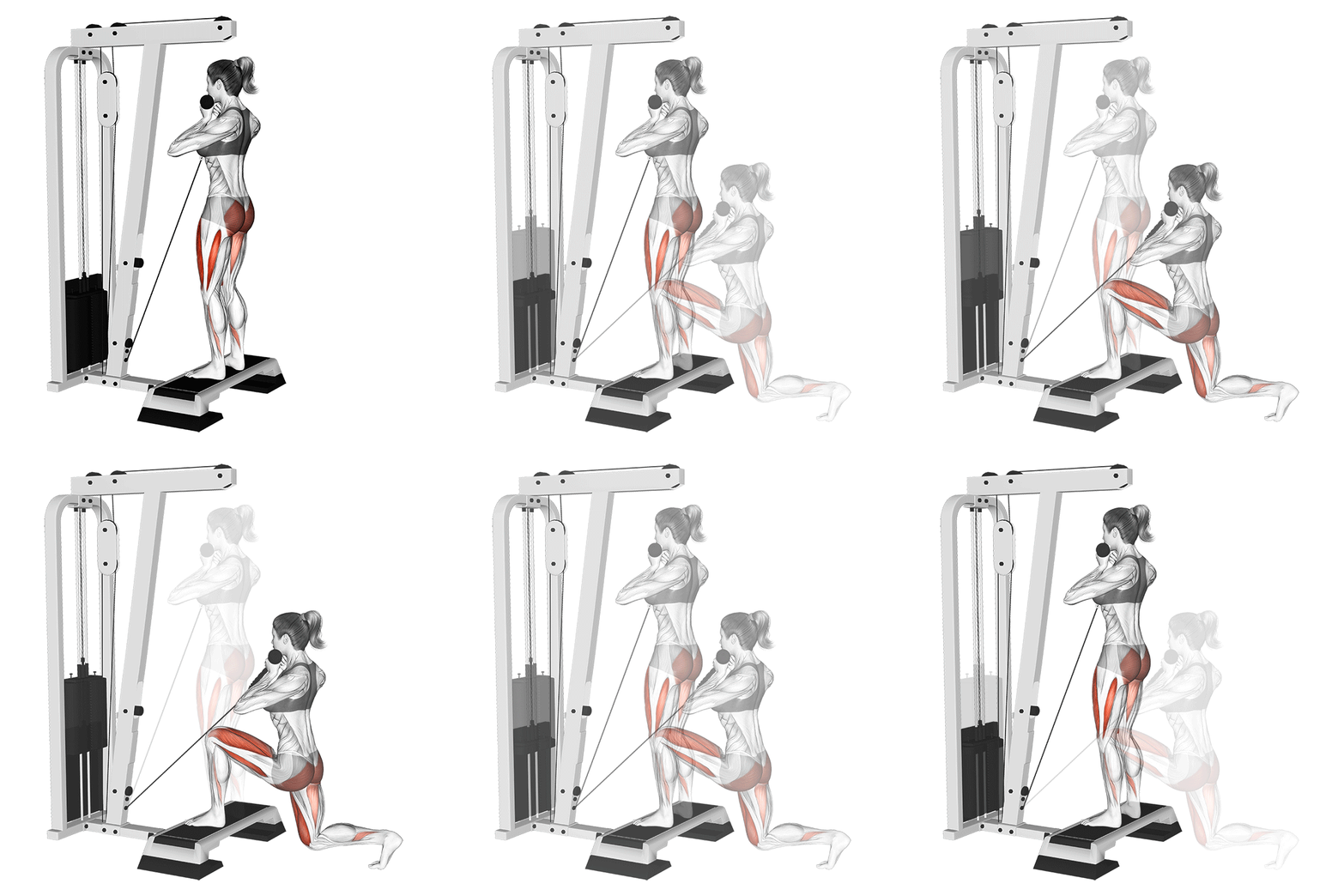
What is the cable step-up?
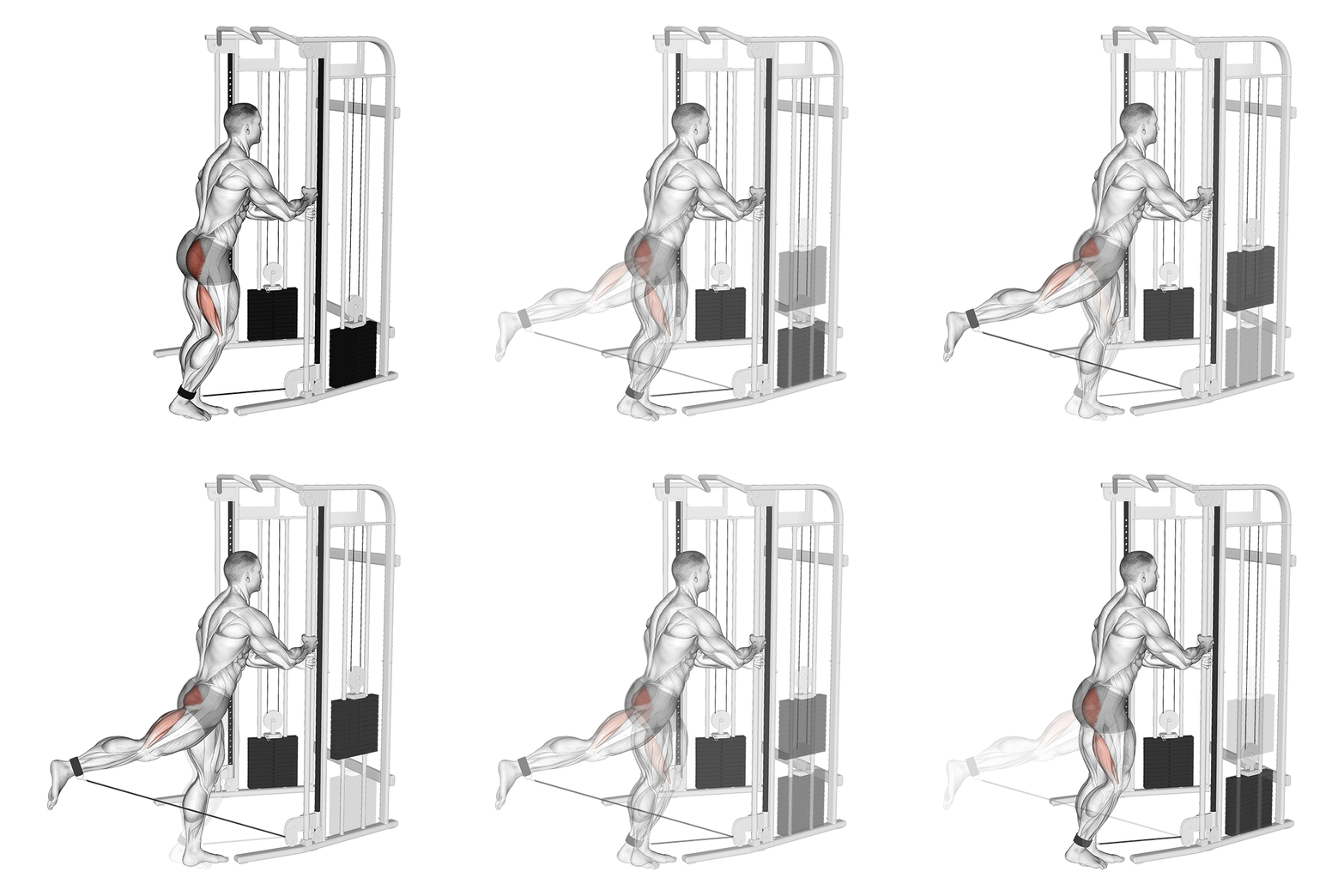
The cable step-up is a unilateral leg exercise: facing a low pulley with a box between you and the machine, you hold the handle and drive up onto the box through one leg. Unlike dumbbells, the cable pulls down and back the whole way, so your quads and glutes stay loaded at the top and the descent is resisted too. The taut cable also acts like a handrail for balance, letting you focus on pushing rather than wobbling. It builds single-leg strength and glute drive for runners, Hyrox athletes and anyone with cranky knees who still wants to load legs hard.
How to do the cable step-up
- 1
Set the pulley low, the box close
Lowest pulley setting, a knee-height box one small step away from the column. Grab the handle with the hand opposite your working leg, or with both hands at your waist for simplicity.
- 2
Plant the whole foot
Put your full foot on the box, toes pointing forward. Lean your chest slightly over that foot so your hips can do their job. The rear leg stays quiet underneath you.
- 3
Drive through the heel, stand tall
Push the box away through heel and mid-foot until you stand fully upright on top, hip extended, glute squeezed. Don't let the cable fold you forward at the top.
- 4
Fight the cable on the way down
Lower in 2-3 s, hips back, until the rear toes kiss the floor. No plopping. Do all reps on one side, then switch leg and hand.
Pro tip
Kill the back-leg bounce: pull the toes of your rear foot up toward your shin before every rep so it physically cannot push off. If the set suddenly feels two sizes harder, congratulations, you've just met the actual exercise.
Common mistakes
Launching off the back leg.
That little calf hop steals half the rep from the working leg. Dead-start every rep from a flat, passive back foot.
Box too high.
Above knee height the hips shift and the lower back grinds. A knee-height box with full control beats a tall one you crawl onto.
Standing too far from the column.
The further you stand, the more horizontal the pull, and it drags you off the box. One small step away keeps the resistance mostly vertical.
Crashing the descent.
The eccentric is half the value here, and the cable makes it even better. Take 2-3 s down, every rep.
Variations and progressions
Easier
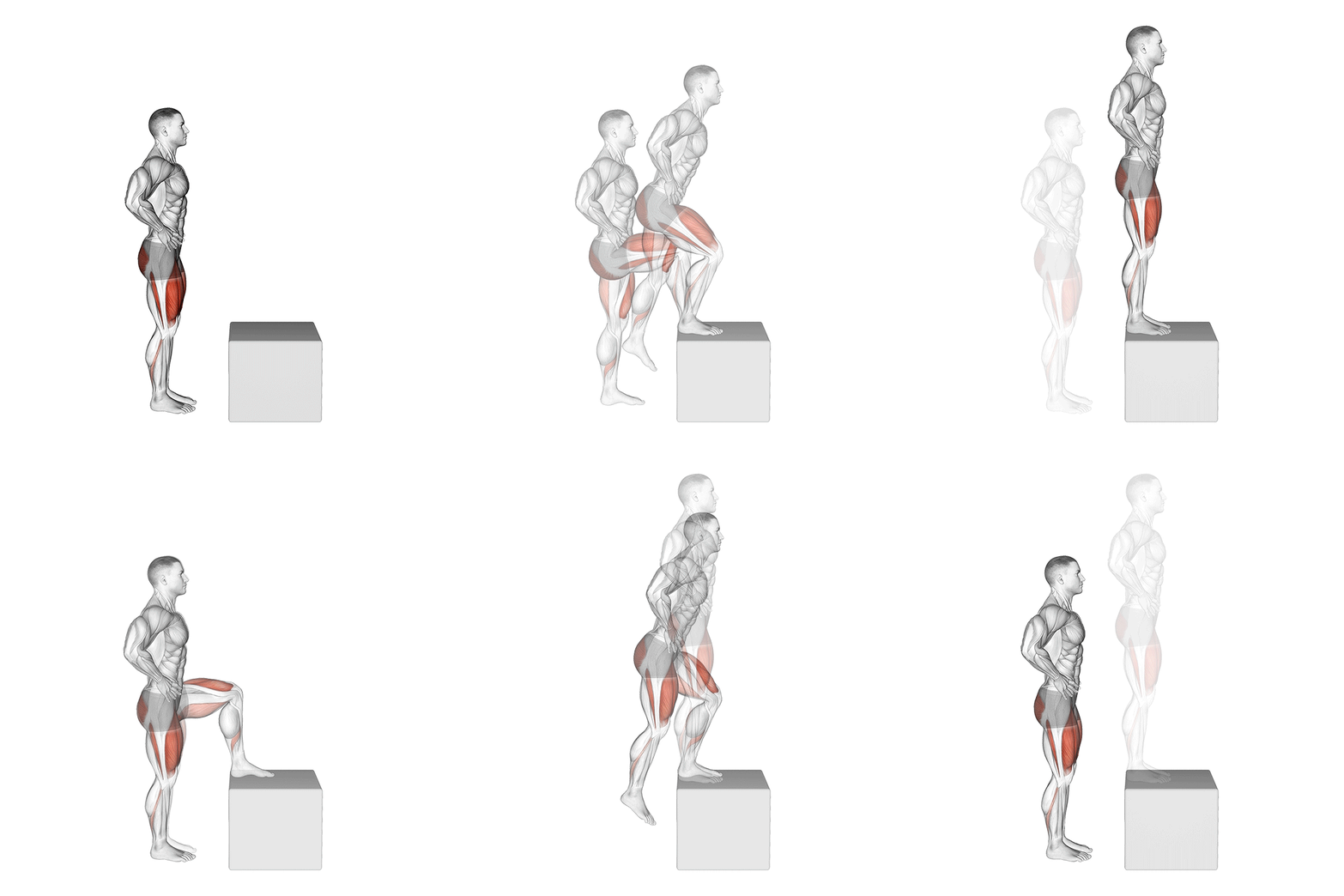
Bodyweight box step-up
Same movement, no cable. Master a dead-start, no-bounce rep on a knee-height box before you add resistance.
Harder
Taller box, slower descent
Move to a box that puts your thigh at parallel and lower in 4 s. Range and tempo multiply the stimulus without a heavier stack.
No cable?
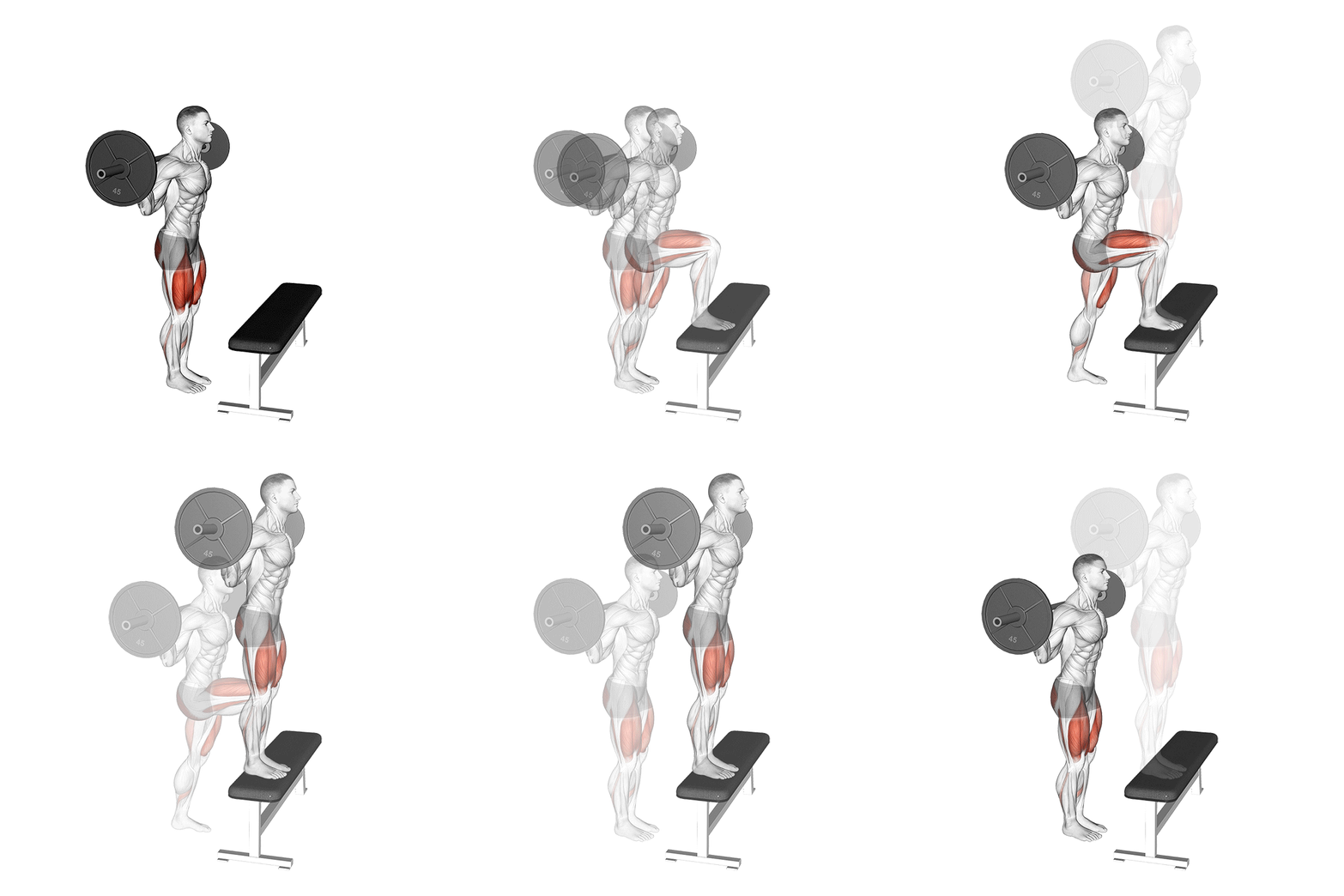
Dumbbell or barbell step-up
Dumbbells at your sides load the pattern simply; a barbell on the back lets you go heaviest but demands real balance.
How to program it
Three protocols by goal. Pick one per cycle and aim for progression on load or distance.
| Goal | Sets × distance | Load | Rest |
|---|---|---|---|
| Strength | 4 × 6-8 per leg | Heavy stack, RPE 8 | 2 min |
| Hypertrophy | 3 × 10-12 per leg | Moderate | 90 s |
| Knee-friendly volume | 2 × 15 per leg | Light, 3 s descent | 60 s |
Cable Step-Up FAQ
Why use a cable instead of dumbbells for step-ups?
Two reasons. First, the resistance profile: dumbbells unload at the top, while the cable keeps pulling, so quads and glutes work through the whole rep, descent included. Second, the taut cable stabilizes you, so balance stops cutting your sets short. The trade-off is less grip and trunk work and less absolute load. Build size and control with the cable, then express it under dumbbells or a bar.
How high should the box be?
Knee height is the sweet spot for most people: enough range to load the glutes, not so much that your hips hike and your back takes over. Beginners can start mid-shin. Only go above knee height if you can do a strict dead-start rep with zero push-off, and even then raise the box before you raise the weight, never both at once.
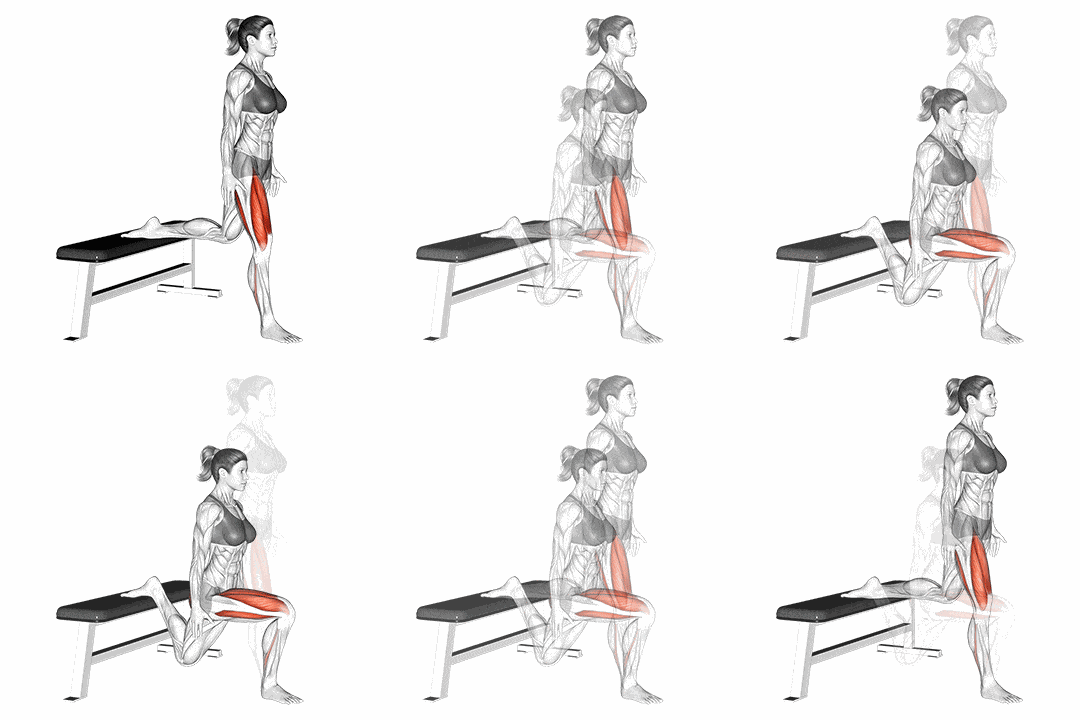
Are step-ups better than lunges?
Different tools. Step-ups are easier on the knees, simpler to progress one leg at a time and brutal for glute drive; lunges add a stretch under load and more adductor work, which grows more muscle per rep for people who tolerate them. If stairs, hills or Hyrox stations are your goal, step-ups transfer more directly. Running both in the same program is the actual right answer.