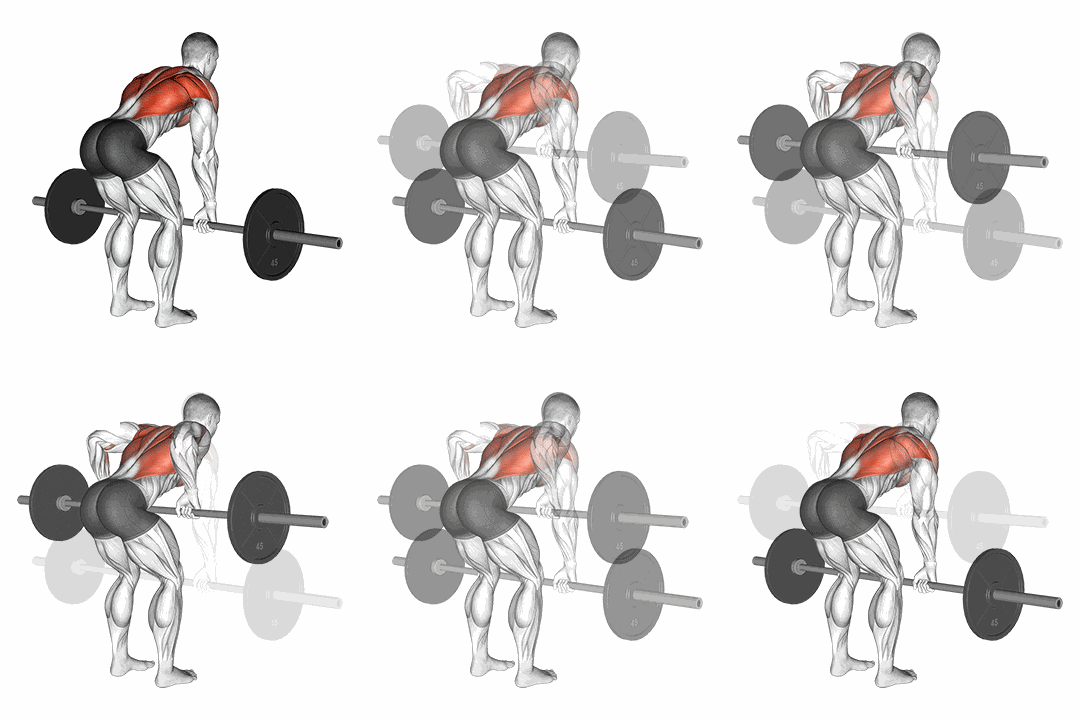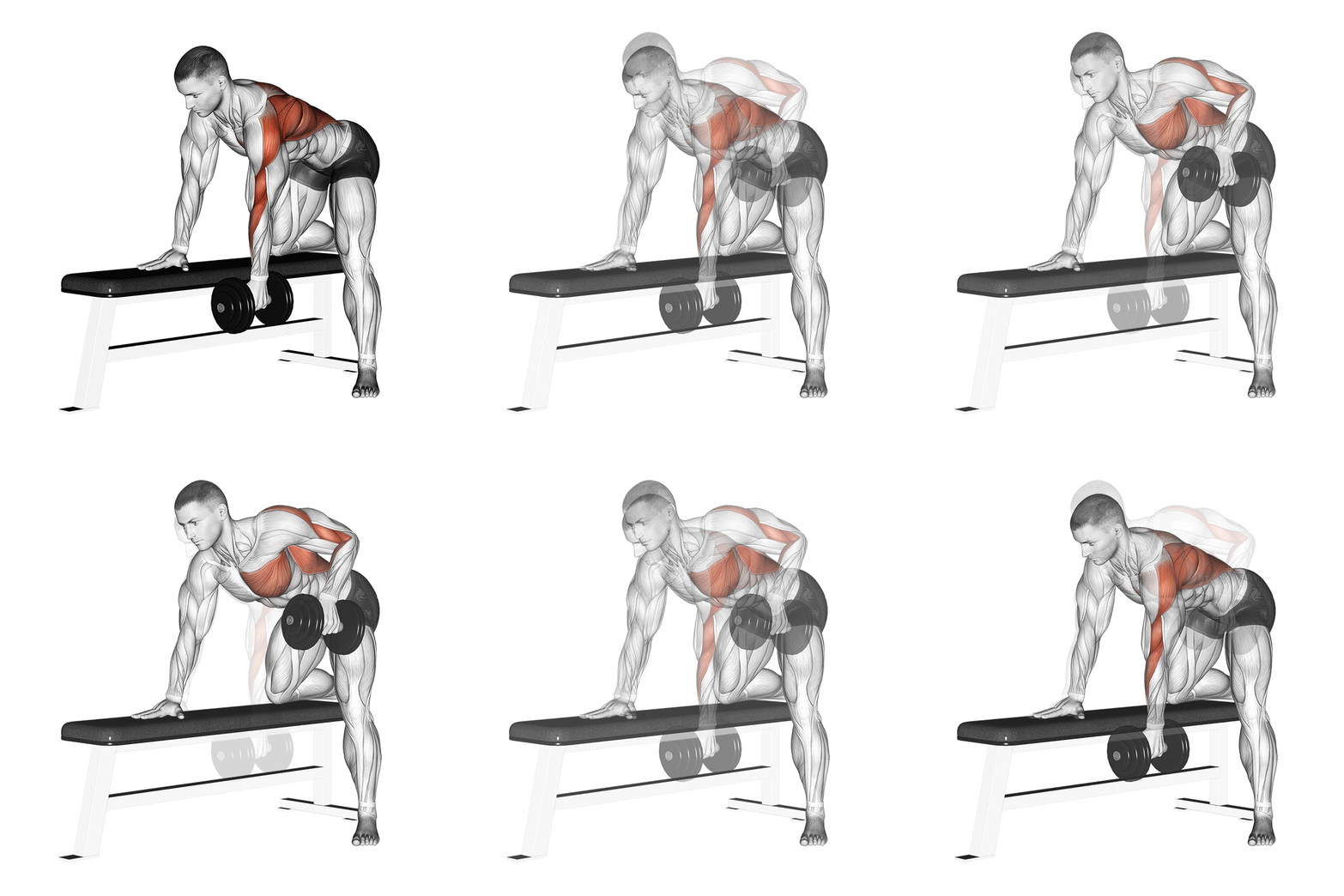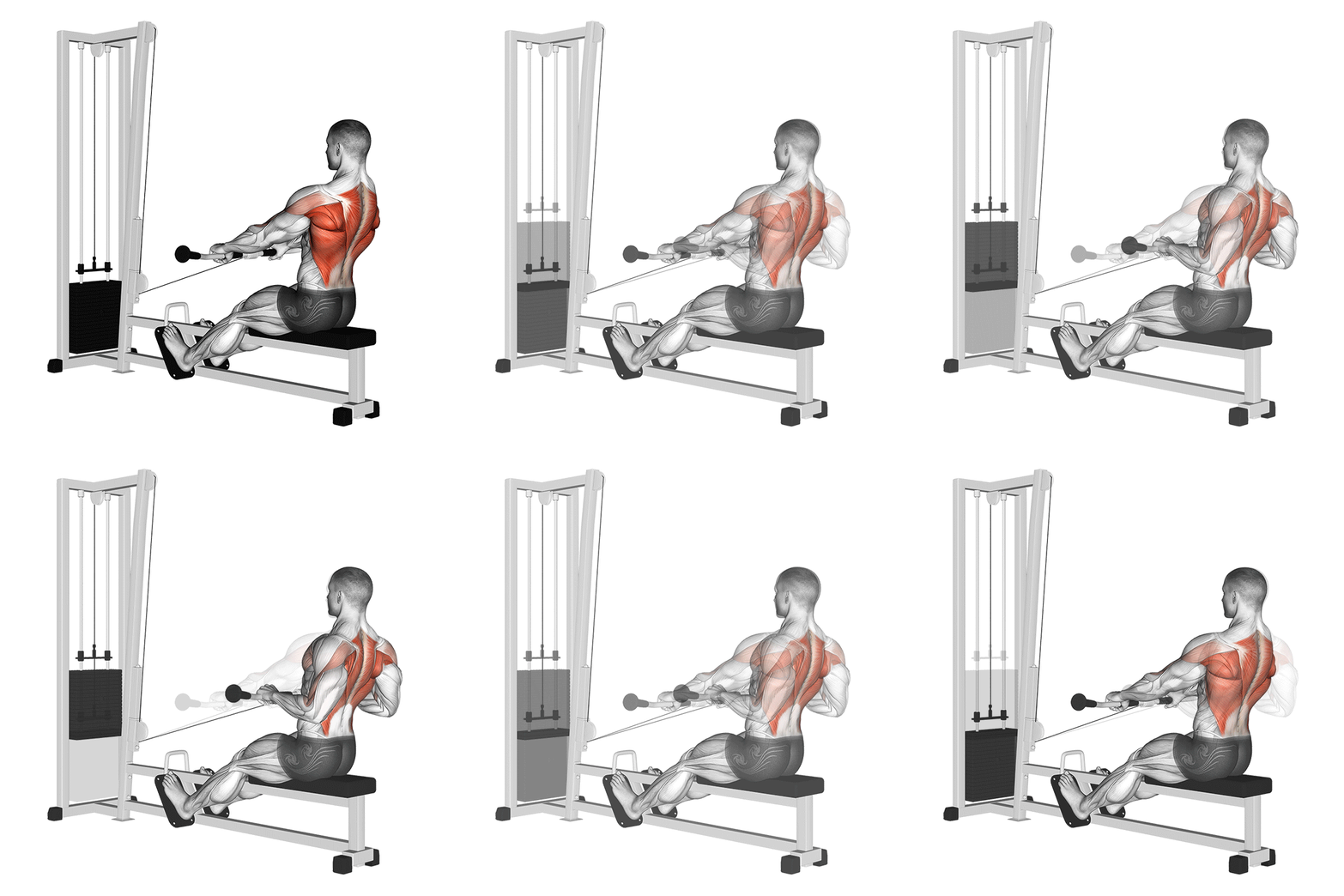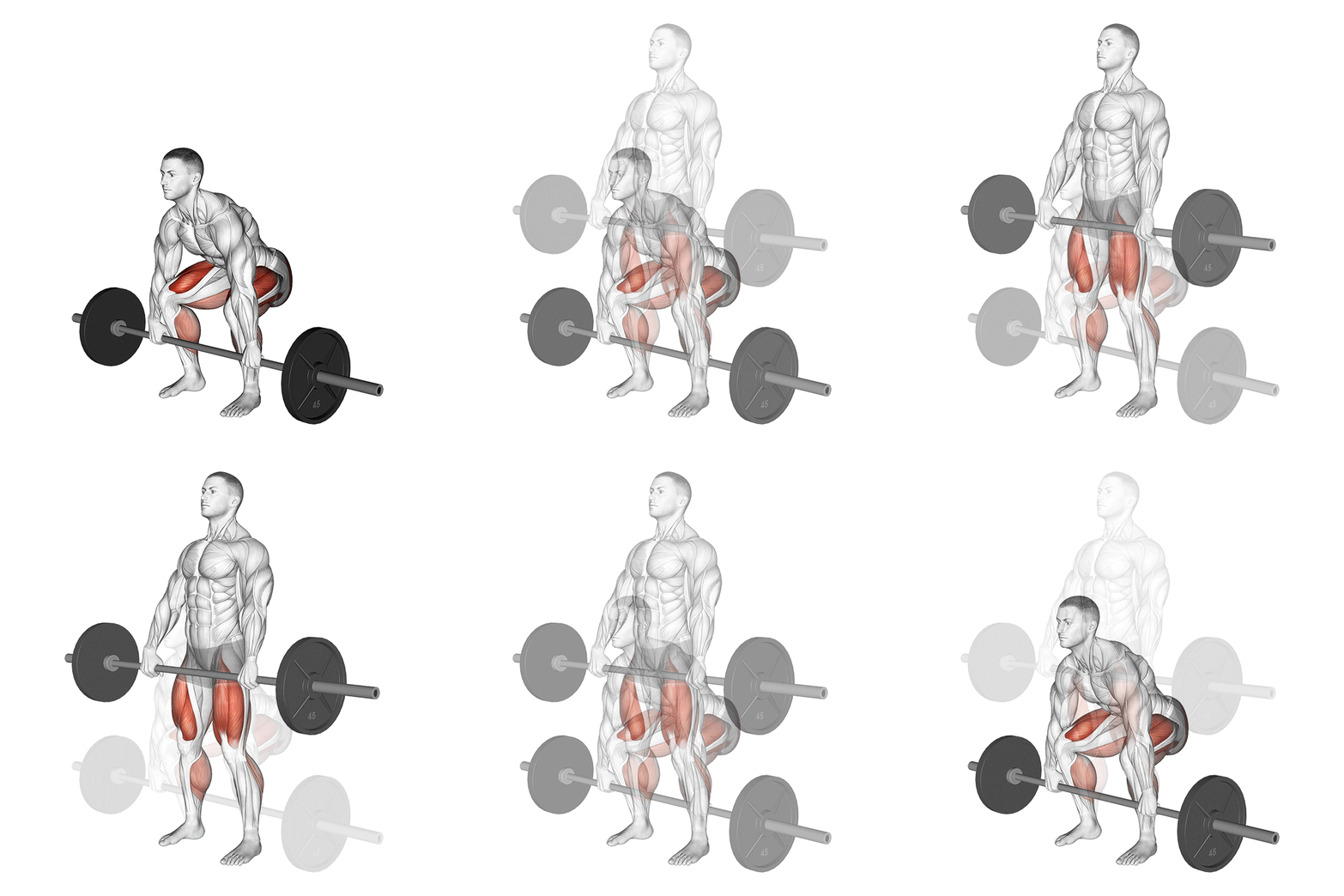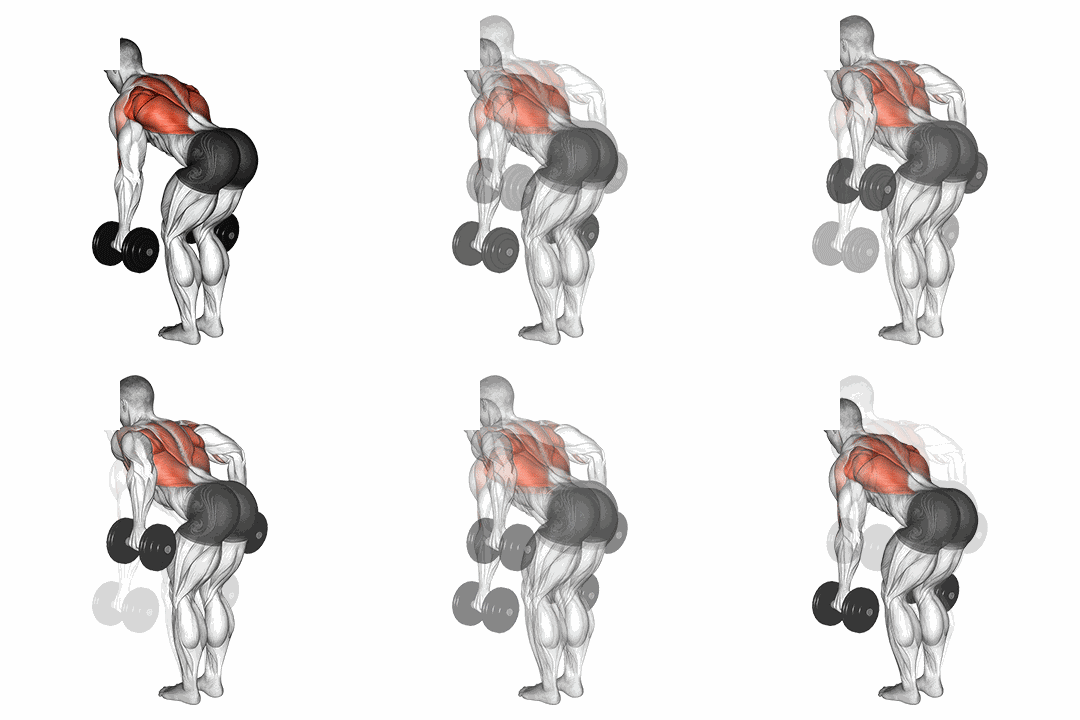
What is the bent-over row?
The bent-over row is a horizontal pull performed from a hip-hinged position. You hold a barbell or dumbbells with arms hanging straight down, hinge your torso to roughly 45° from the floor, then row the load to your lower ribs. It loads the lats, mid-traps, rhomboids, rear delts and biceps, while the spinal erectors, glutes and hamstrings hold the hinge. It's one of the few lifts that hammers the entire back chain in a single rep, which is why it's been a staple from old-school powerlifting to modern Hyrox prep.
How to do the bent-over row
- 1
Set the hinge
Feet hip-width, soft knees. Push your hips back until your torso sits around 45° from the floor. Neutral spine, eyes 1-2 m in front of you.
- 2
Grip and arm position
Take a slightly wider than shoulder-width grip, palms down. Arms hang straight from the shoulders, the bar below the knees. Pack the lats.
- 3
Row to the lower ribs
Pull the bar to your lower sternum or upper abs by driving the elbows up and back. Keep the torso angle locked, no jerking up.
- 4
Lower under control
Take 2 seconds to lower to full arm extension. Stretch the lats at the bottom before the next rep. No bouncing off the floor.
Pro tip
If you're using straps, your back is in charge. If you're white-knuckling the bar with bare hands, your grip is the bottleneck and your back is being shortchanged.
Common mistakes
Torso pumping up.
Lifting the chest to move the bar turns it into a shrug. Lock the hinge for the whole set.
Rowing to the chest.
Pulling to the upper chest flares the elbows and wrecks the shoulders. Aim for the lower ribs.
Rounded lower back.
A flexed lumbar under load is the fast track to injury. Brace first, then lift.
Half reps.
Not touching the body and not fully extending kills 40% of the stimulus. Full range or smaller weight.
Variations and progressions
Easier
Chest-supported row
Lie chest-down on an incline bench. Removes the hinge, isolates the back, kinder on the lumbar.
Harder
Pendlay row
Each rep starts dead-stopped on the floor with a fully horizontal torso. Brutal on starting strength.
Easier on the back
Seal row
Performed face-down on a tall bench with the bar hanging below. Zero lumbar load, pure back work.
How to program it
Three protocols by goal. Pick one per cycle and aim for progression on load or distance.
| Goal | Sets × distance | Load | Rest |
|---|---|---|---|
| Strength | 5 × 5 | 75-80% est. 1RM | 2-3 min |
| Hypertrophy | 4 × 8-12 | 65-70% 1RM | 90 s |
| Pulling base | 3 × 12-15 | RPE 7 | 60-90 s |
Bent-Over Row FAQ
Should I row overhand or underhand?
Overhand hits more lats and rear delts, underhand brings the biceps in more and lets you row heavier. Most lifters rotate between the two across a training block. Start overhand, add underhand variants once your form is locked.
How heavy should my row be vs my bench?
A common rule: row should equal or exceed your bench for 5-8 reps. If you bench 100 kg for 5 but can only row 60, your back is the bottleneck on every press and your shoulder health is at risk. Build the row to bench parity.
Is the bent-over row safe for the lower back?
Yes, if you can hold a neutral hinge under load. The risk isn't the lift, it's a flexed lumbar with a bar in your hands. If your hinge breaks down past 70% loads, switch to chest-supported variants and build the hinge separately with RDLs and good mornings.