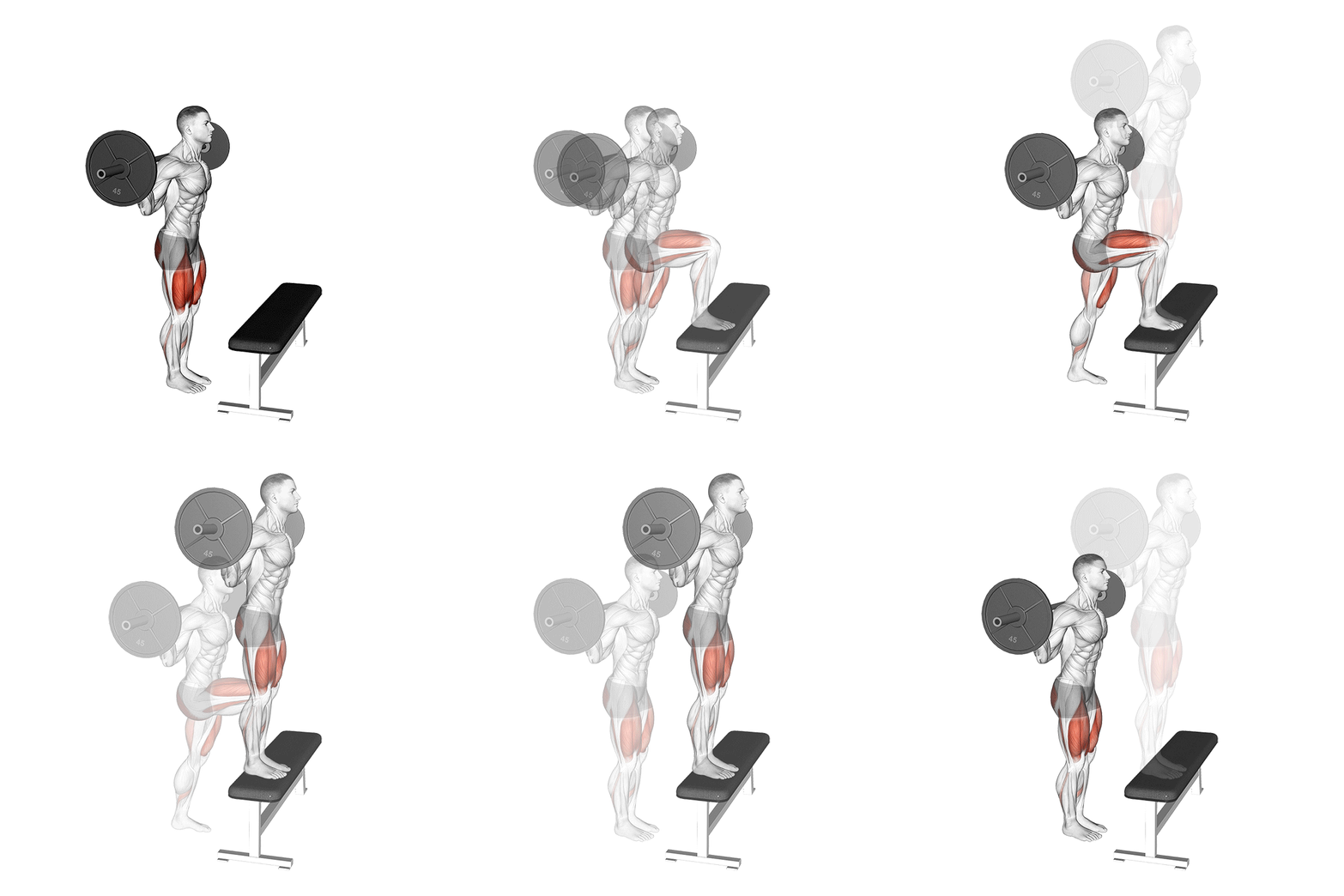
What is the barbell step-up?
The barbell step-up is a loaded unilateral lower-body exercise. With a barbell racked on your upper back, you place one foot on a box at knee height and stand up by driving through that lead leg, then lower under control. It builds single-leg strength, balance and glute drive, and exposes the side that's been hiding behind your strong leg in bilateral lifts. Used by sprinters, ski racers and team-sport athletes for its direct transfer to acceleration, jumping and change of direction.
How to do the barbell step-up
- 1
Set the bar and the box
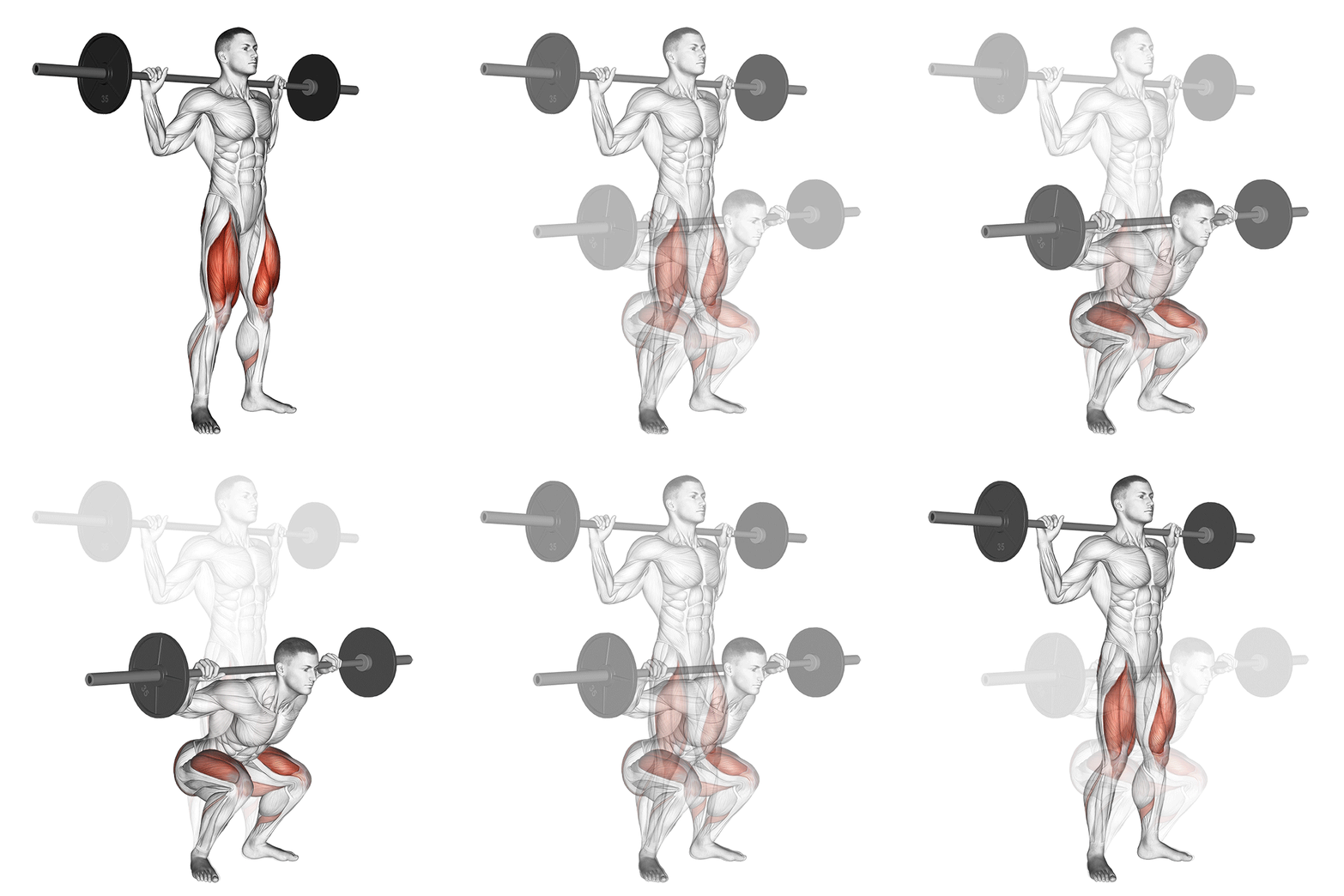
Rack the bar high on your traps like a back squat. Set a stable box at knee height, no higher early on.
- 2
Place the lead foot fully
Plant the whole sole on the box. Knee tracks over your second toe. Trail foot only stabilises lightly.
- 3
Drive through the lead heel
Lean slightly forward, press the box away with the lead foot. The back leg shouldn't push off the floor.
- 4
Lower slow, same leg
Step the trail leg back down softly over 2-3 seconds. Stay tall, don't crash. Switch sides after the set.
Pro tip
Don't push off the back foot. If the trail leg gives you a hop, the working leg is doing only half the job.
Common mistakes
Pushing off the trail leg.
It turns the exercise into a half rep for both legs. Keep the trail foot light, almost floating.
Box too high.
Above knee height the knee drifts in and the lower back rounds. Knee height or just below is the sweet spot.
Knee caving in.
Valgus collapse kills the glute and stresses the joint. Track the knee over the second toe every rep.
Crashing back down.
Dropping the trail foot fast wastes the eccentric and beats up the ankle. Control the descent.
Variations and progressions
Easier
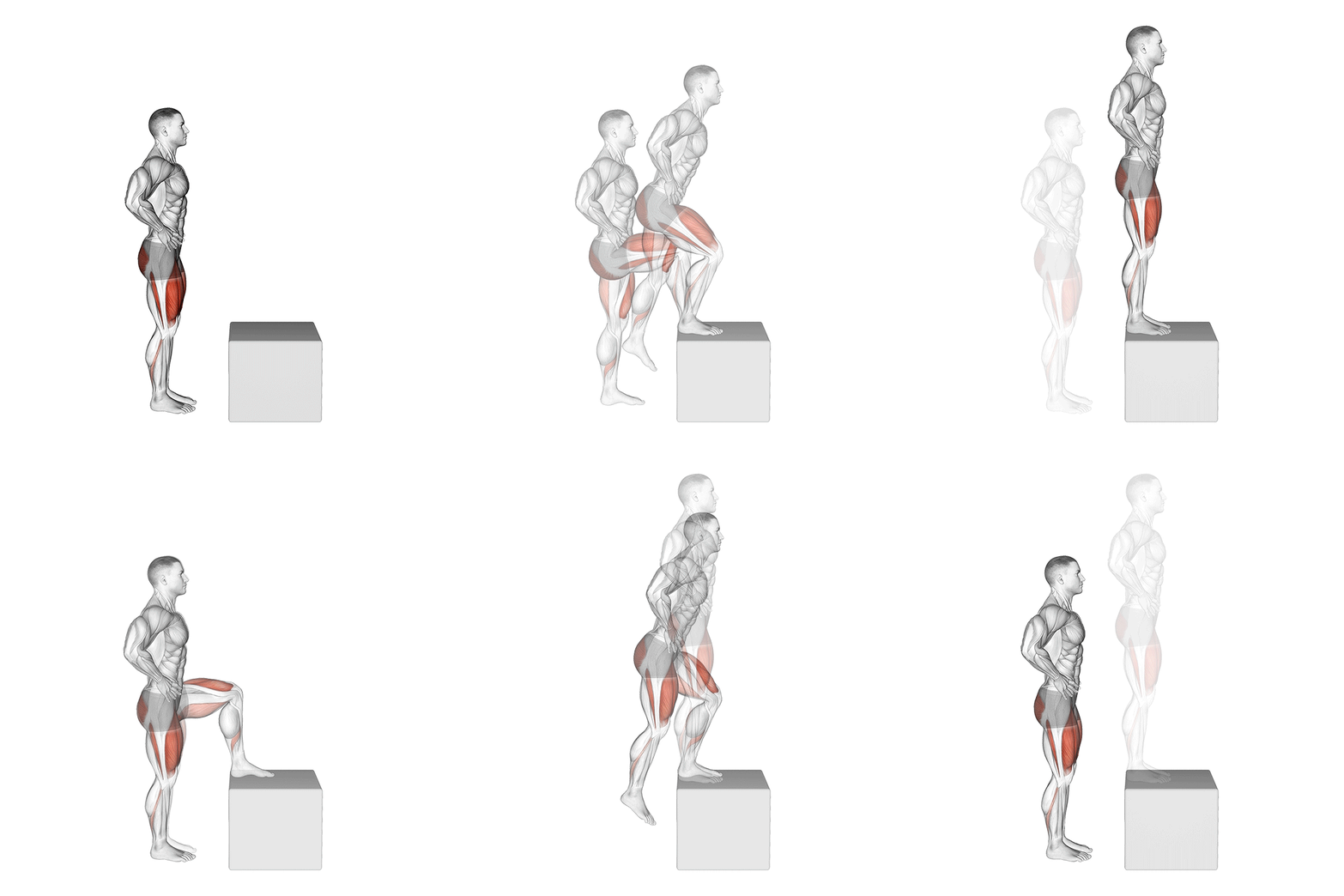
Dumbbell step-up
Hold dumbbells at your sides for a lower-stakes balance challenge and easier bail-out.
Harder
High-box explosive step-up
Move to a slightly higher box with lighter load and drive up explosively, near a single-leg jump.
No box?
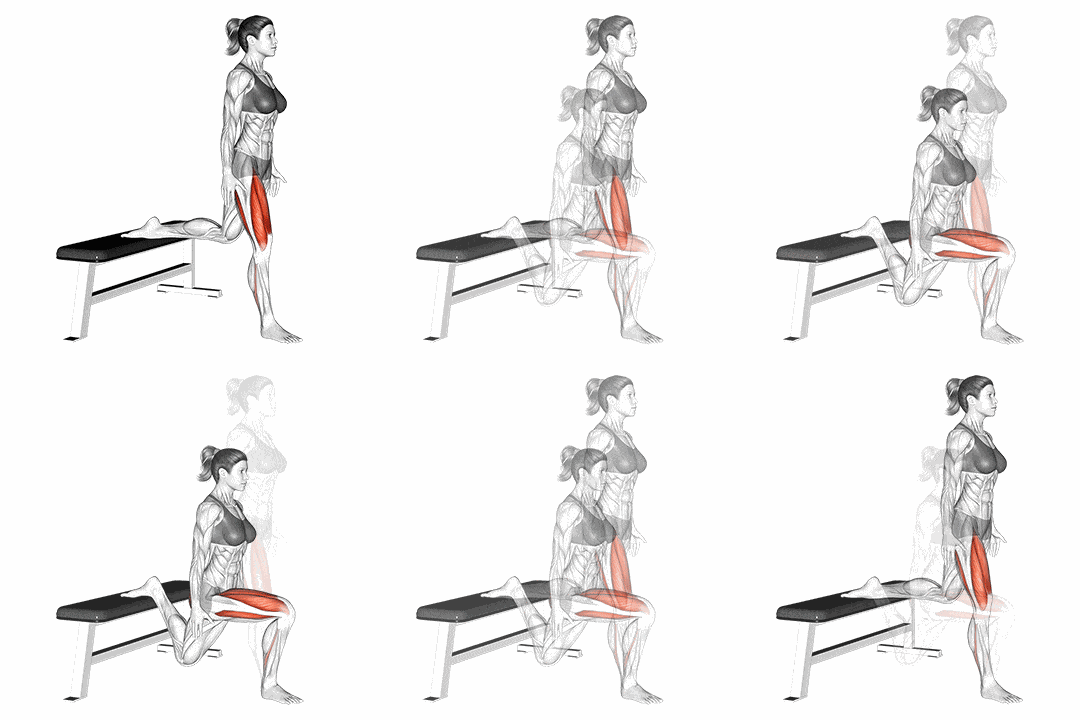
Bulgarian split squat
Single-leg loaded squat off a bench. Same single-leg honesty, no climbing.
How to program it
Three protocols by goal. Pick one per cycle and aim for progression on load or distance.
| Goal | Sets × distance | Load | Rest |
|---|---|---|---|
| Strength | 4 × 6/side | Heavy | 2 min |
| Hypertrophy | 3 × 10/side | Moderate | 90 s |
| Athletic power | 5 × 3/side | Light, explosive | 2 min |
Barbell Step-Up FAQ
How high should the box be?
Knee height is the standard, hip crease bent to around 90 degrees with the lead foot on the box. Higher boxes increase glute demand but also risk knee valgus and lower-back rounding. Start at knee height and only raise it if technique stays clean.
Should I alternate legs or do one side at a time?
Do all reps on one side, then switch. Alternating gives the working leg micro-rest between reps and lets fatigue mask weaknesses. Unbroken sets per side give a true test of single-leg endurance and strength.
Is the barbell better than dumbbells?
The barbell allows the heaviest loads, which is best for pure strength. Dumbbells are kinder to the spine, easier to bail out of, and don't fight you for balance. Start with dumbbells, move to the bar once your single-leg balance is rock solid.