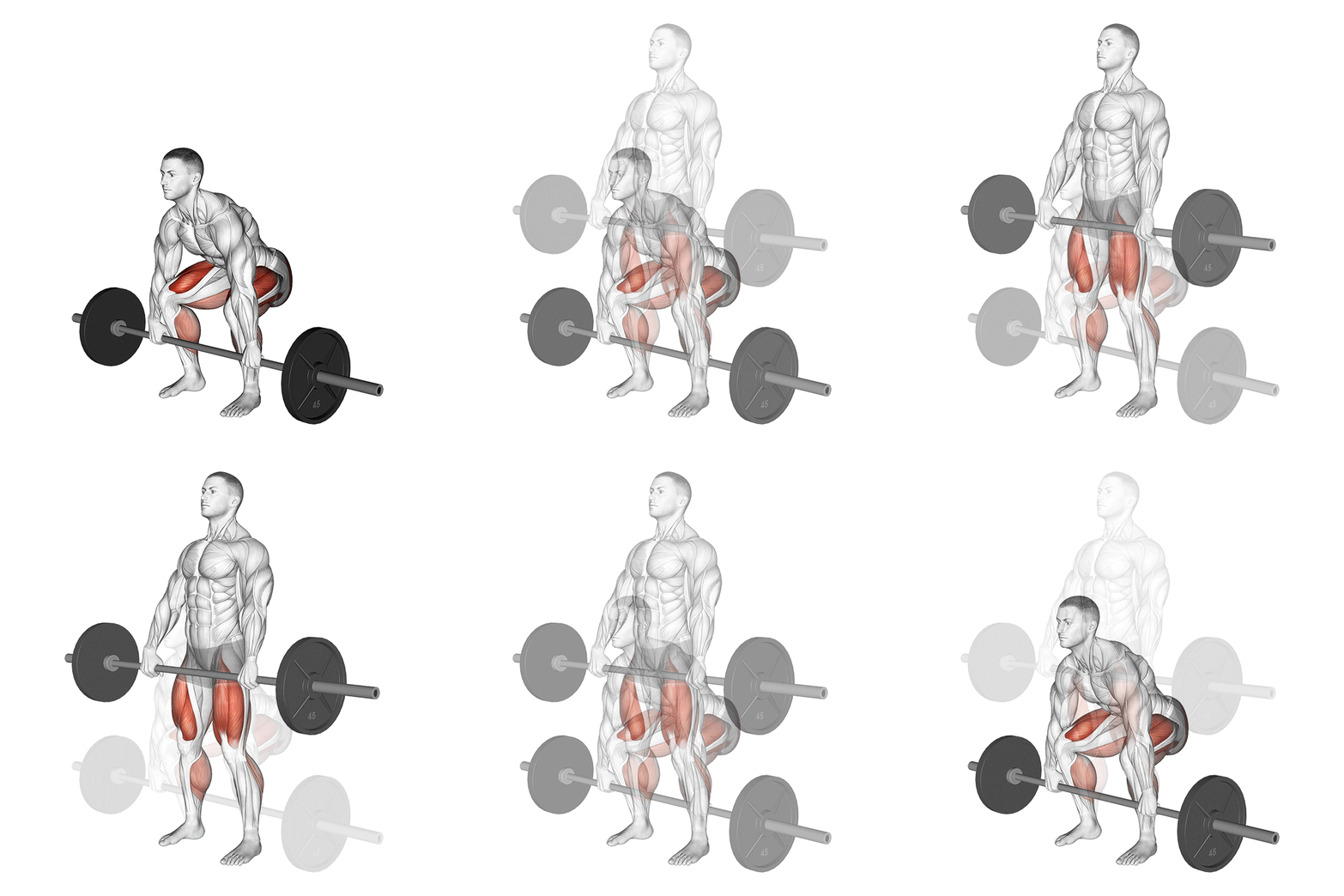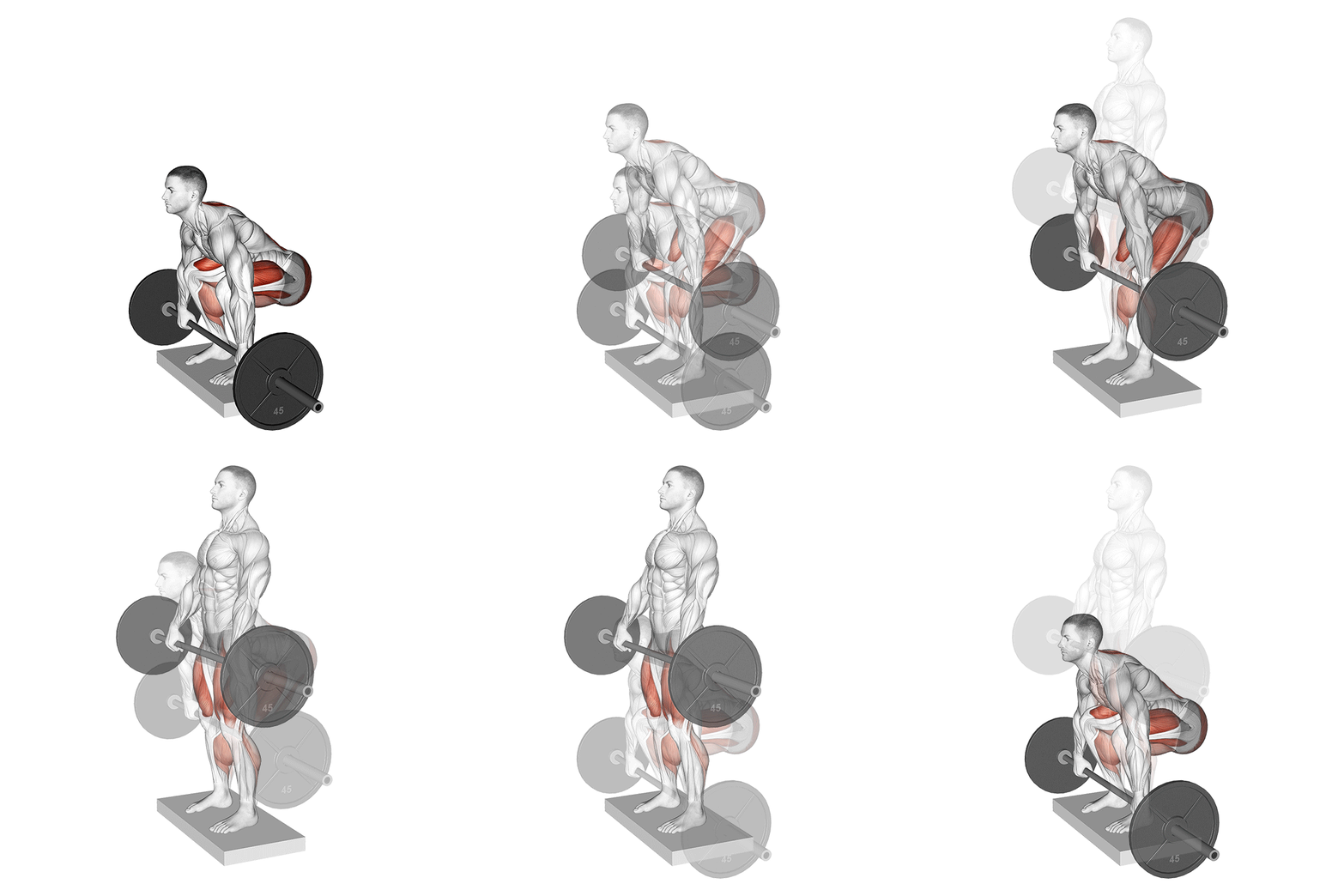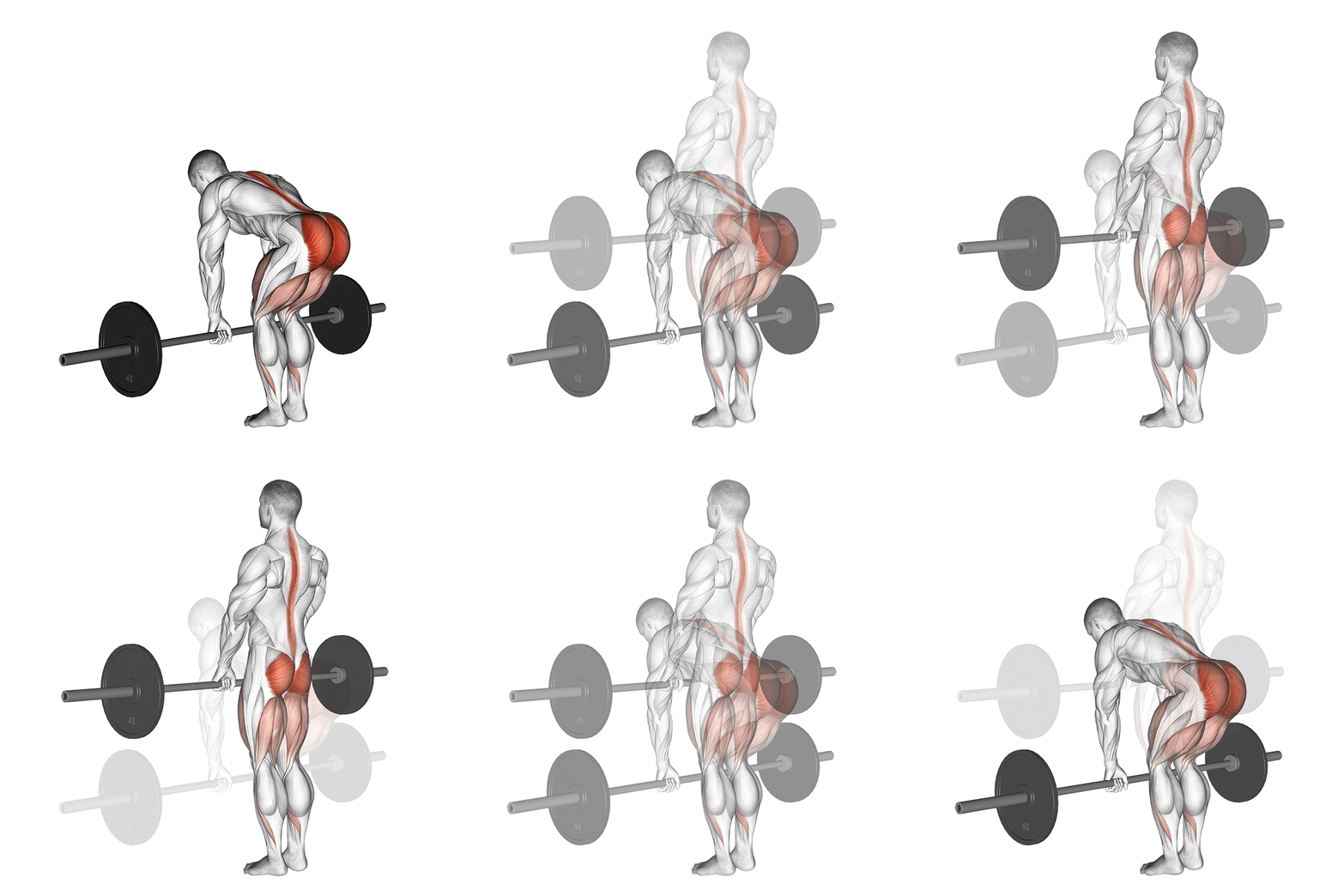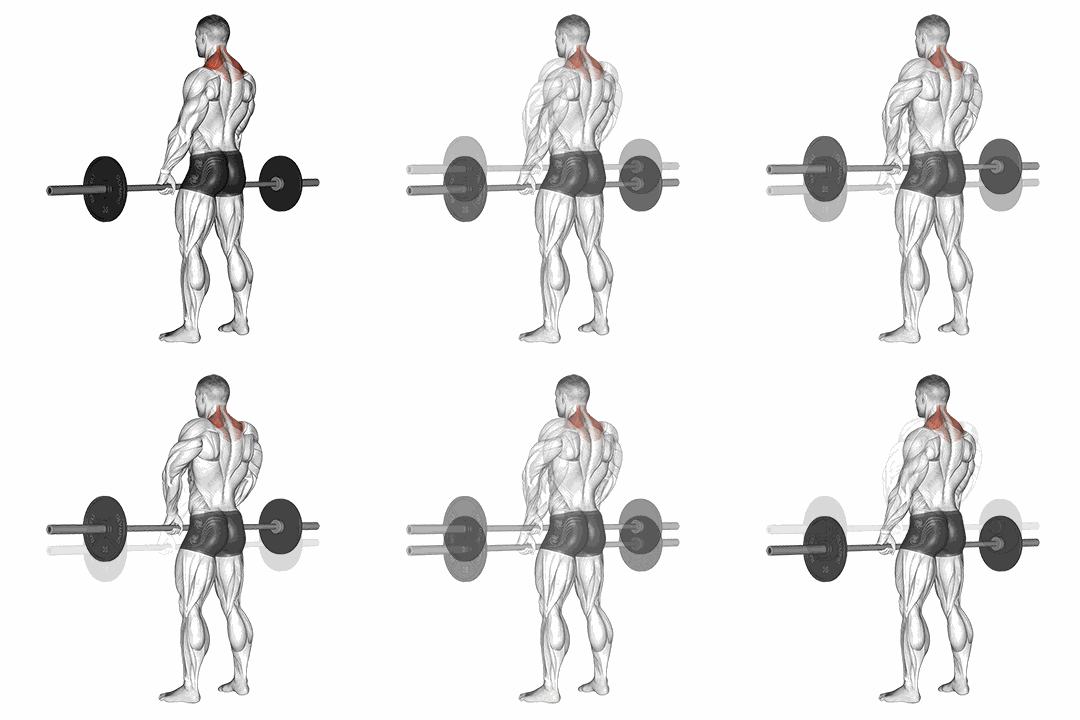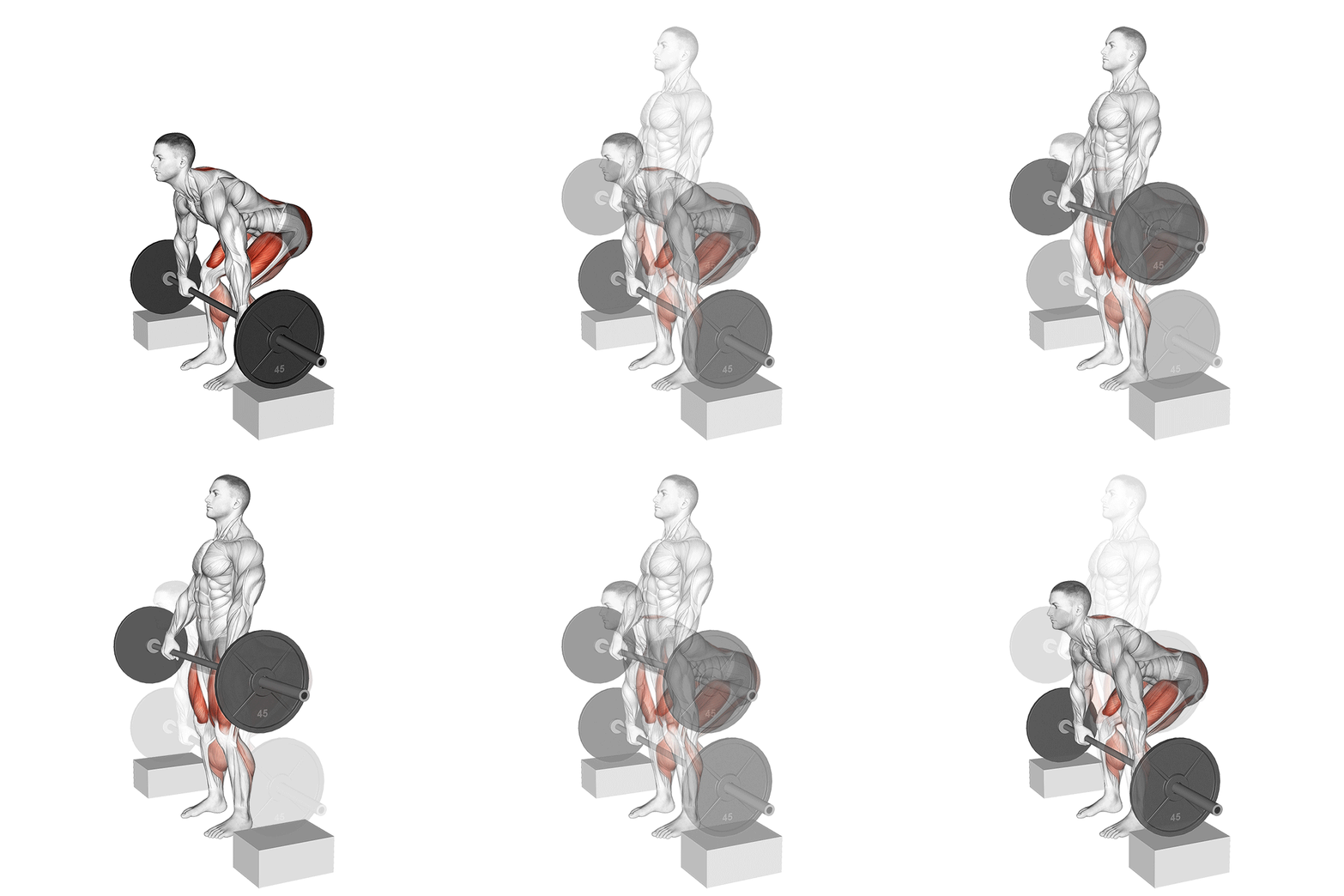
What is the barbell rack pull?
The rack pull is a partial deadlift performed from the safety pins of a power rack, usually set just below the kneecap. By cutting out the hardest part of the pull off the floor, it lets you handle 100-110% of your deadlift max and hammer the lockout: hips, glutes, spinal erectors and traps. Powerlifters use it to fix a weak finish, bodybuilders use it for pure back thickness, and everyone gets brutal grip work for free. Because loads climb fast, discipline on pin height and technique matters more here than on any other deadlift variation.
How to do the barbell rack pull
- 1
Set the pins just below the knee
Set the safeties at or slightly below kneecap height and load the bar there. Feet hip-width, bar in contact with your legs, weight spread over the whole foot.
- 2
Hinge in and lock your lats
Push your hips back and grip just outside your legs, double overhand. Pull the slack out of the bar, chest up, lats tight like you're crushing oranges in your armpits.
- 3
Drive the hips through to lockout
Push the floor away and drive your hips forward until you stand tall. Squeeze your glutes at the top. Stand straight, don't lean back, and don't turn the finish into a shrug.
- 4
Return dead to the pins
Lower under control along your thighs until the bar settles completely on the pins. Let the plates go quiet, re-brace, then pull the next rep from a true dead stop.
Pro tip
Treat it as the top half of a real deadlift, not a separate ego lift. Same brace, same bar path, same glute finish. The day your rack pull stops looking like your deadlift, strip plates.
Common mistakes
Pins set too high.
Above the knee, it becomes a quarter-rep shrug contest. Set the pins at or just below the kneecap so the hips and back actually work.
Yanking the bar off the pins.
Jerking a loaded bar with a soft back is how rack pulls hurt people. Take the slack out, brace, then push the floor.
Hyperextending at the top.
Leaning back doesn't finish the lift, it just crushes your lower back. Lockout is tall hips and squeezed glutes, nothing more.
Loading it like a circus act.
If you need a triple bounce and straps at 140% of your deadlift, nothing carries over. Stay between 100 and 110% and own every rep.
Variations and progressions
Easier
Above-knee rack pull
A shorter range with lighter stress on the lower back. Good for learning the hip finish and for heavy trap work without beating up your hinge.
Harder
Banded rack pull
Anchor bands to the bottom of the rack. The resistance climbs as you stand, forcing you to accelerate through the exact zone where deadlifts die.
No rack?
Block pull
Rest the plates on blocks or stacked mats instead of pins. The bar flexes like a real deadlift and the setup feels closer to pulling from the floor.
How to program it
Three protocols by goal. Pick one per cycle and aim for progression on load or distance.
| Goal | Sets × distance | Load | Rest |
|---|---|---|---|
| Lockout strength | 3 × 3-5 | 100-110% deadlift 1RM | 3-4 min |
| Back thickness | 4 × 6-8 | 80-90% deadlift 1RM | 2-3 min |
| Traps and grip | 3 × 8-10 | Double overhand, no straps | 2 min |
Barbell Rack Pull FAQ
Do rack pulls replace deadlifts?
No. The hardest part of a deadlift is breaking the floor, and rack pulls skip it entirely. Think of them as an accessory: 4-8 week blocks to attack a weak lockout or add back volume, always alongside full pulls. If you only have time for one, pull from the floor.
What pin height should I use?
Just below the kneecap for strength work: low enough that your hips and erectors do real work, high enough to overload. Mid-shin turns it into a block-pull style lift, above the knee turns it into a shrug. If your sticking point is specific, set the pins 5 cm below where your deadlift slows down.
Why is my rack pull barely heavier than my deadlift?
Completely normal. Pulling from a dead stop just below the knee is an awkward position: no momentum from the floor, no bar whip, and your erectors take the load from the worst angle. Many strong deadlifters rack pull only 5-10% more. It says nothing bad about your deadlift, so don't chase a huge gap.