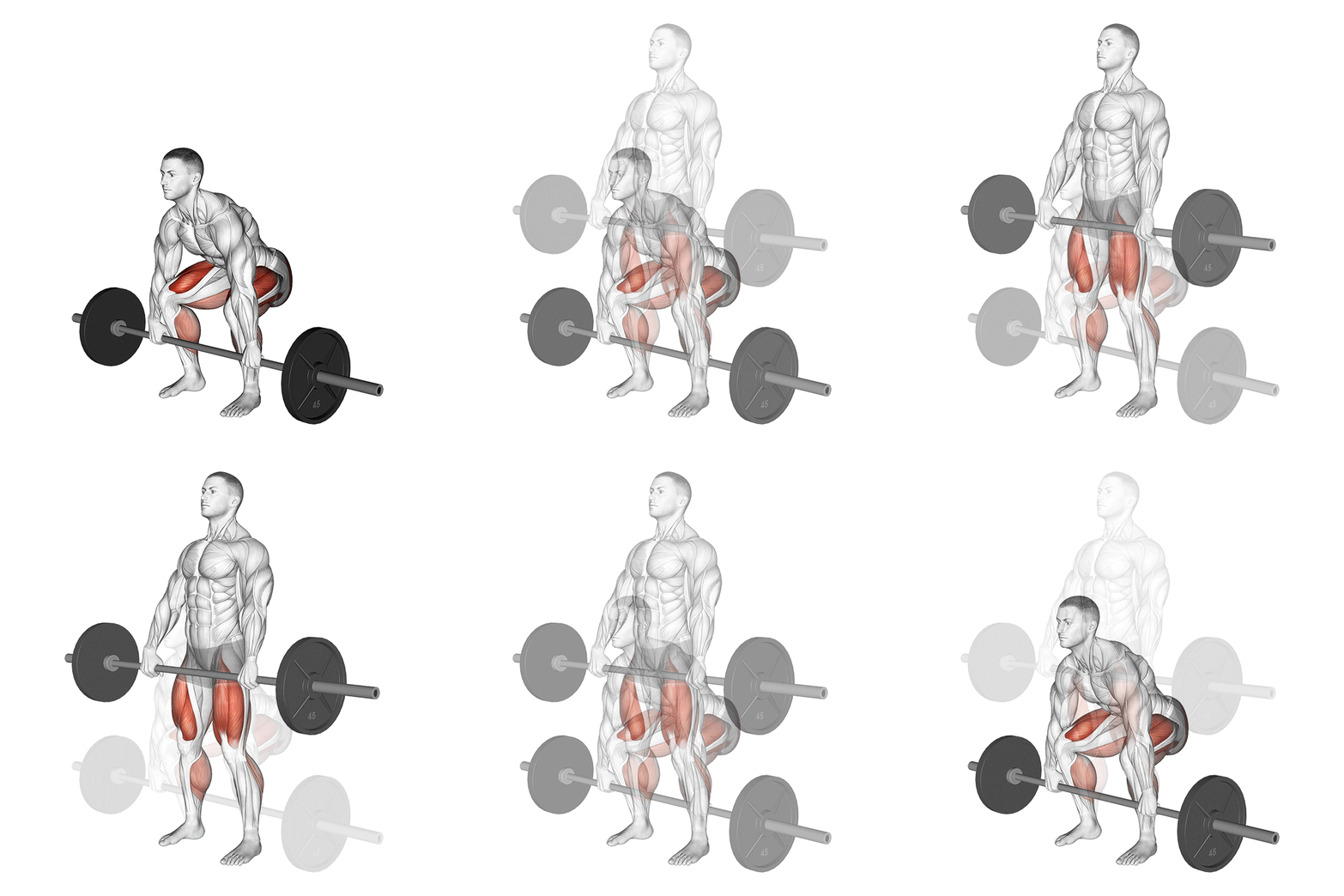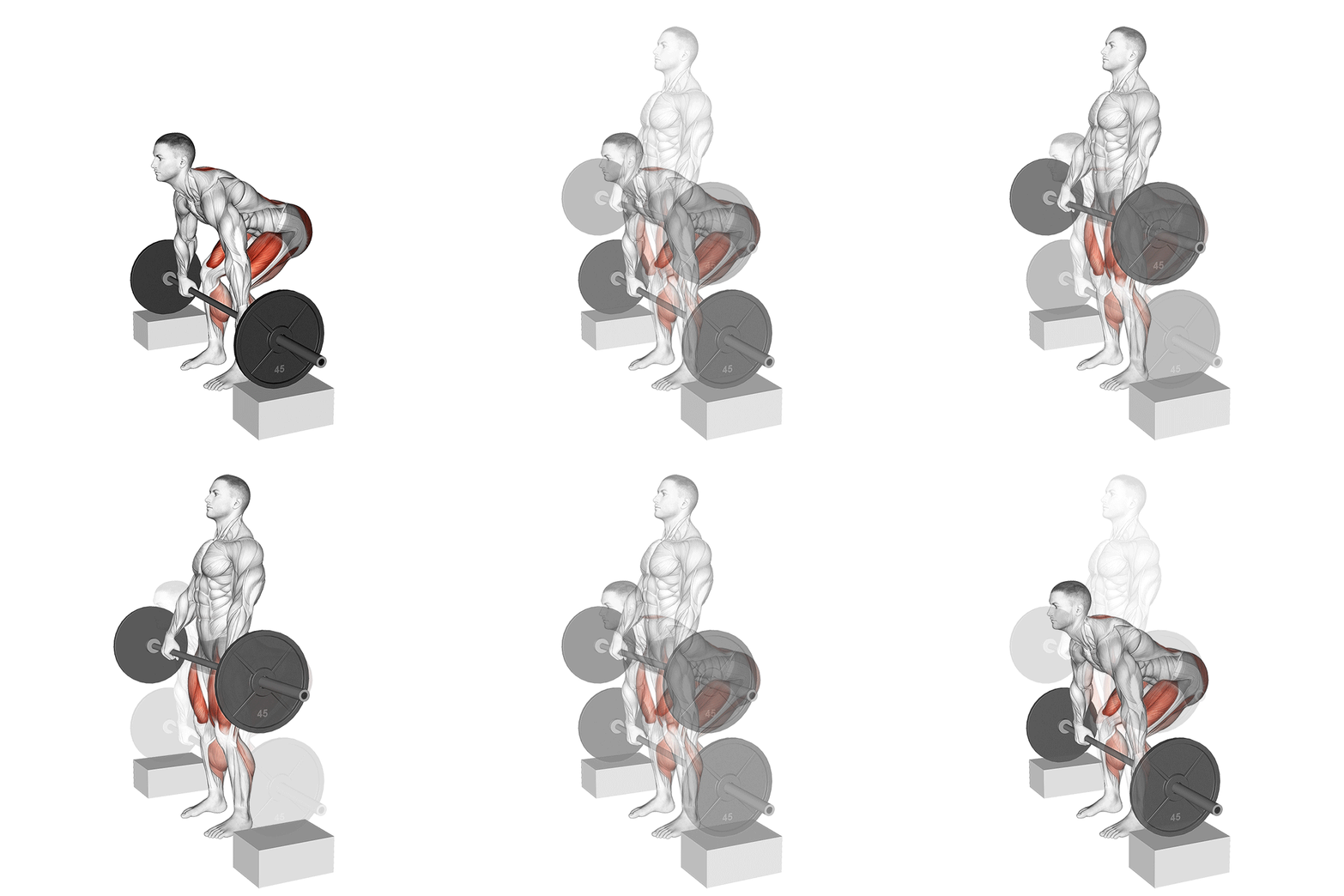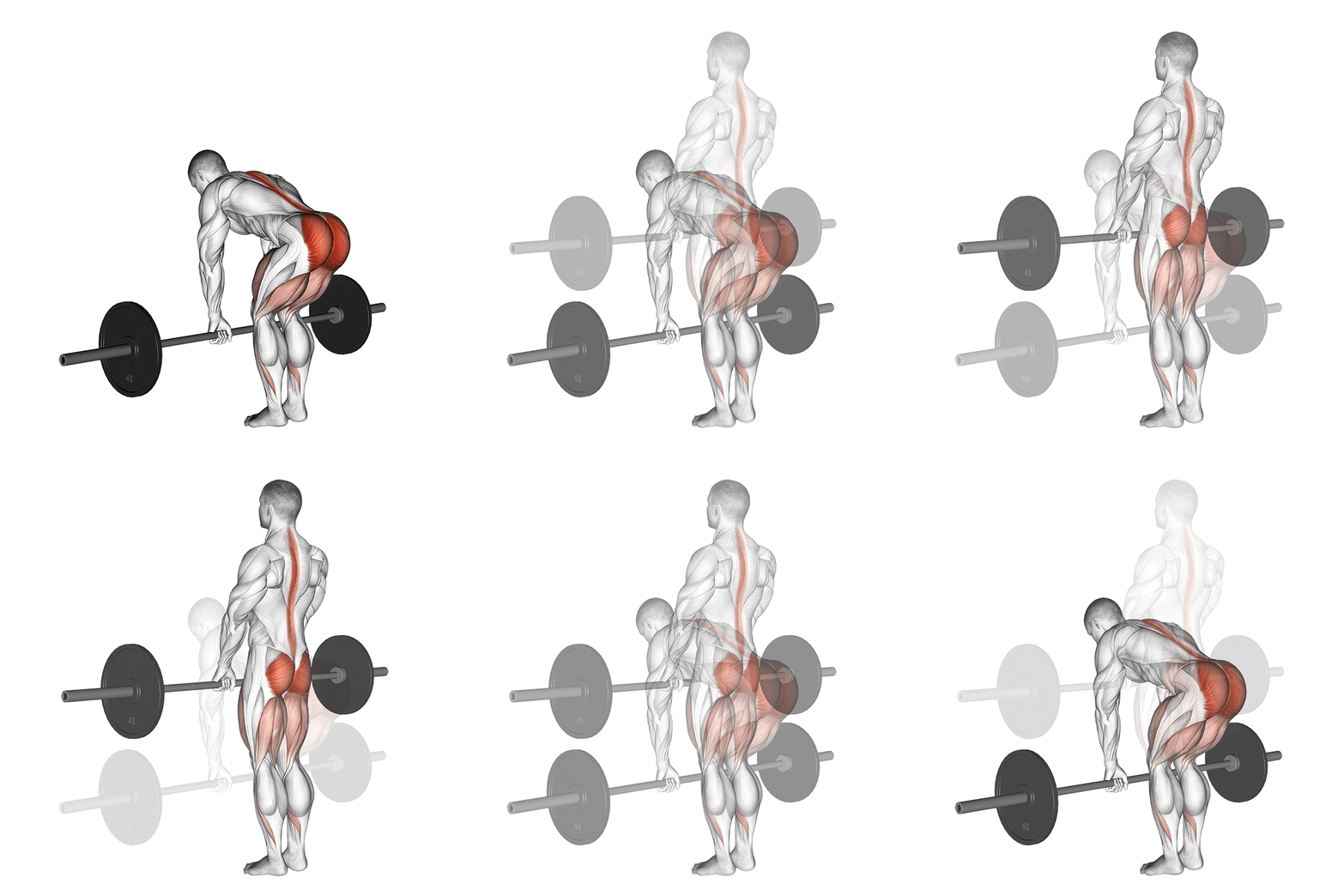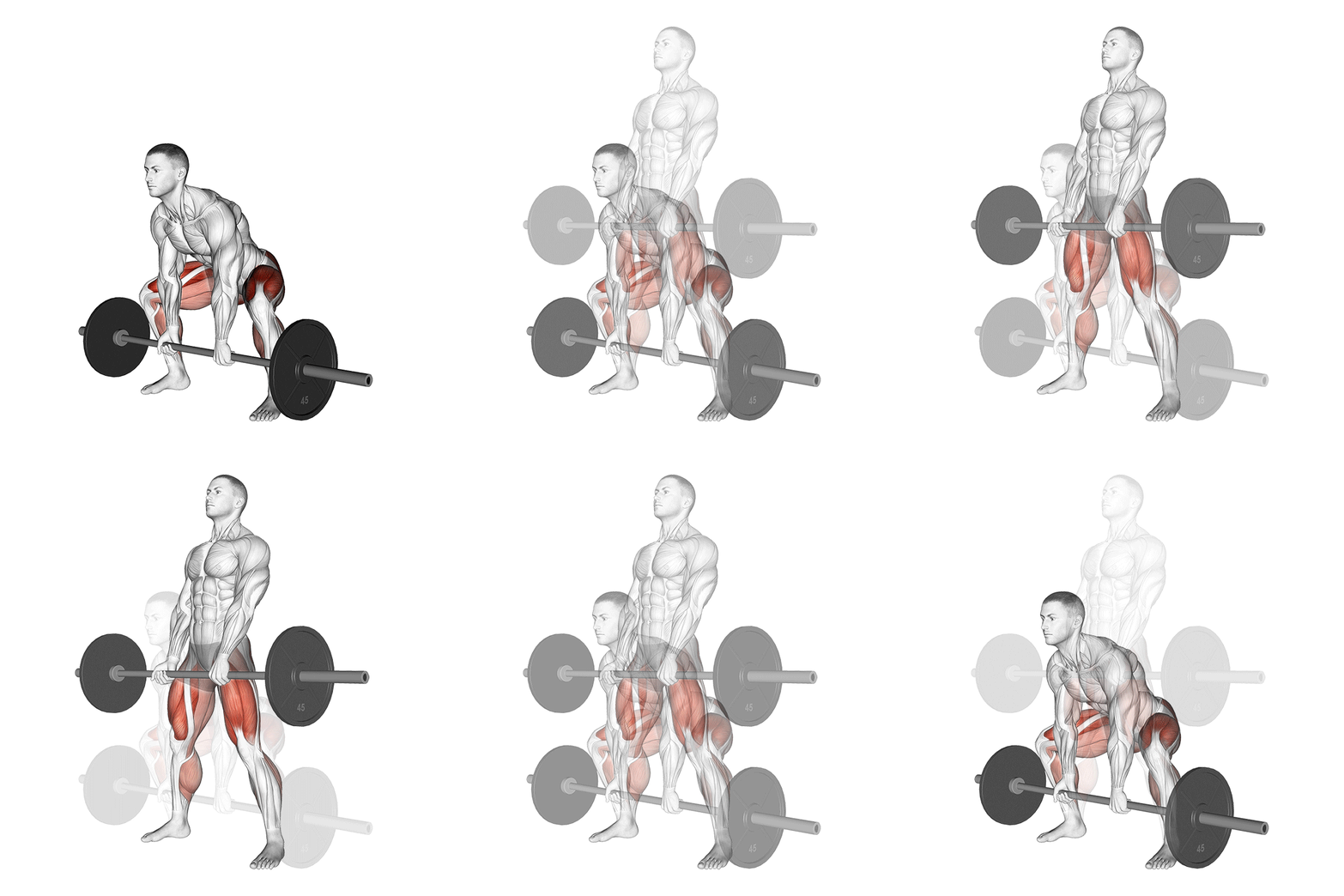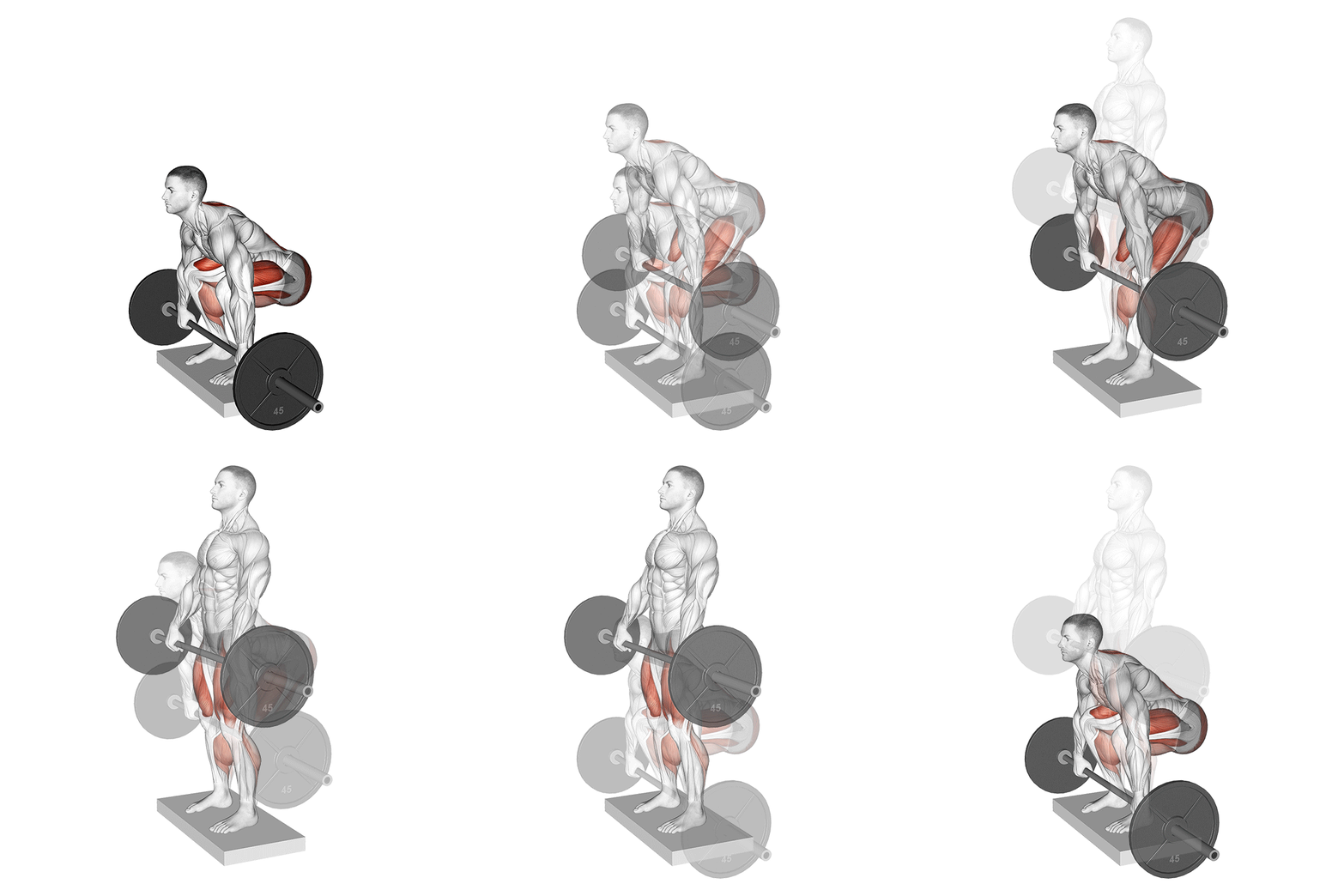
What is the deficit deadlift?
The deficit deadlift is a conventional deadlift performed standing on a 2-5 cm platform, usually a bumper plate. The extra range forces deeper hip and knee flexion at the start, so your legs and back work harder exactly where most deadlifts fail: the first centimetres off the floor. Powerlifters program it to build starting strength, and it doubles as honest hypertrophy work for quads, glutes and erectors. It demands enough mobility to reach the lower start with a flat back, which makes it an intermediate-to-advanced tool rather than a first deadlift variation.
How to do the deficit deadlift
- 1
Build a small, stable deficit
Stand on a 2.5-5 cm bumper plate or solid platform, both feet fully supported, bar over your midfoot. Bigger is not better: start at the low end.
- 2
Set up deeper than usual
Hinge and bend your knees more than on a normal pull to reach the bar. Shoulders over the bar, lats locked, big breath into your belt line, back flat despite the lower start.
- 3
Leg-press the platform away
Break the floor by driving your legs, not by ripping with your back. The bar stays glued to your shins, hips and shoulders rising at the same speed.
- 4
Finish tall, reset dead
Drive the hips through to a full lockout, lower under control and let the bar settle. Every rep starts from a true dead stop, that's the whole point.
Pro tip
Film your start from the side. If your lower back rounds in the hole, the deficit is too big for today's mobility: drop to 2 cm, fix the position, then earn the height back.
Common mistakes
Stacking a huge deficit.
Past 5 cm, almost nobody holds a flat back, and the exercise trains rounding instead of starting strength. 2-5 cm is the working zone.
Hips shooting up first.
If your hips rise and the bar stays, you've turned it into a stiff-leg pull with a rounded back. Push the legs and keep your chest climbing with the bar.
Touch-and-go reps.
Bouncing plates erase the dead-stop start you came here to train. Settle the bar, re-brace, pull again.
Loading it like a max-out lift.
The deficit is a builder, not a tester. Keep it at 70-85% of your floor pull and leave the PR attempts to the real deadlift.
Variations and progressions
Easier
Conventional deadlift
Pull from standard height first. Until you can hold perfect positions from the floor, there's nothing for a deficit to amplify.
Harder
Snatch-grip deficit deadlift
A wide grip drops your torso even lower. Monstrous range, monstrous upper-back demand, strictly for experienced pullers with light-to-moderate loads.
No platform?
Pause deadlift
Pause for 2 s just as the plates break the floor. Same medicine for a weak start, zero extra equipment.
How to program it
Three protocols by goal. Pick one per cycle and aim for progression on load or distance.
| Goal | Sets × distance | Load | Rest |
|---|---|---|---|
| Starting strength | 4 × 3-5 | 70-80% deadlift 1RM | 3 min |
| Hypertrophy | 3 × 6-8 | 65-75% deadlift 1RM | 2-3 min |
| Speed off the floor | 6 × 2 | 60-70% deadlift 1RM, max intent | 90 s |
Deficit Deadlift FAQ
How high should the deficit be?
2.5 cm (one bumper plate) covers most lifters, and 5 cm is the ceiling for anyone with average mobility. The test is simple: if you can brace a flat back at the start, the height works; if you round, it's too high. More deficit is not more gains, it's just more rounding.
How much weight should I drop compared to my deadlift?
Expect to pull 5-10% less than from the floor at the same effort. Program it off percentages of your conventional max (70-80% for strength work) rather than chasing numbers. If your deficit pull matches your floor pull, you were leaving starting strength on the table, which is exactly why you're here.
Deficit deadlift or rack pull: which one do I need?
Watch where your deadlift dies. Grinds to a halt at the floor or below the knee: deficit. Flies off the floor then stalls at the thighs: rack pull or block pull. They attack opposite ends of the lift, and a long training year usually earns you both, just not in the same phase.