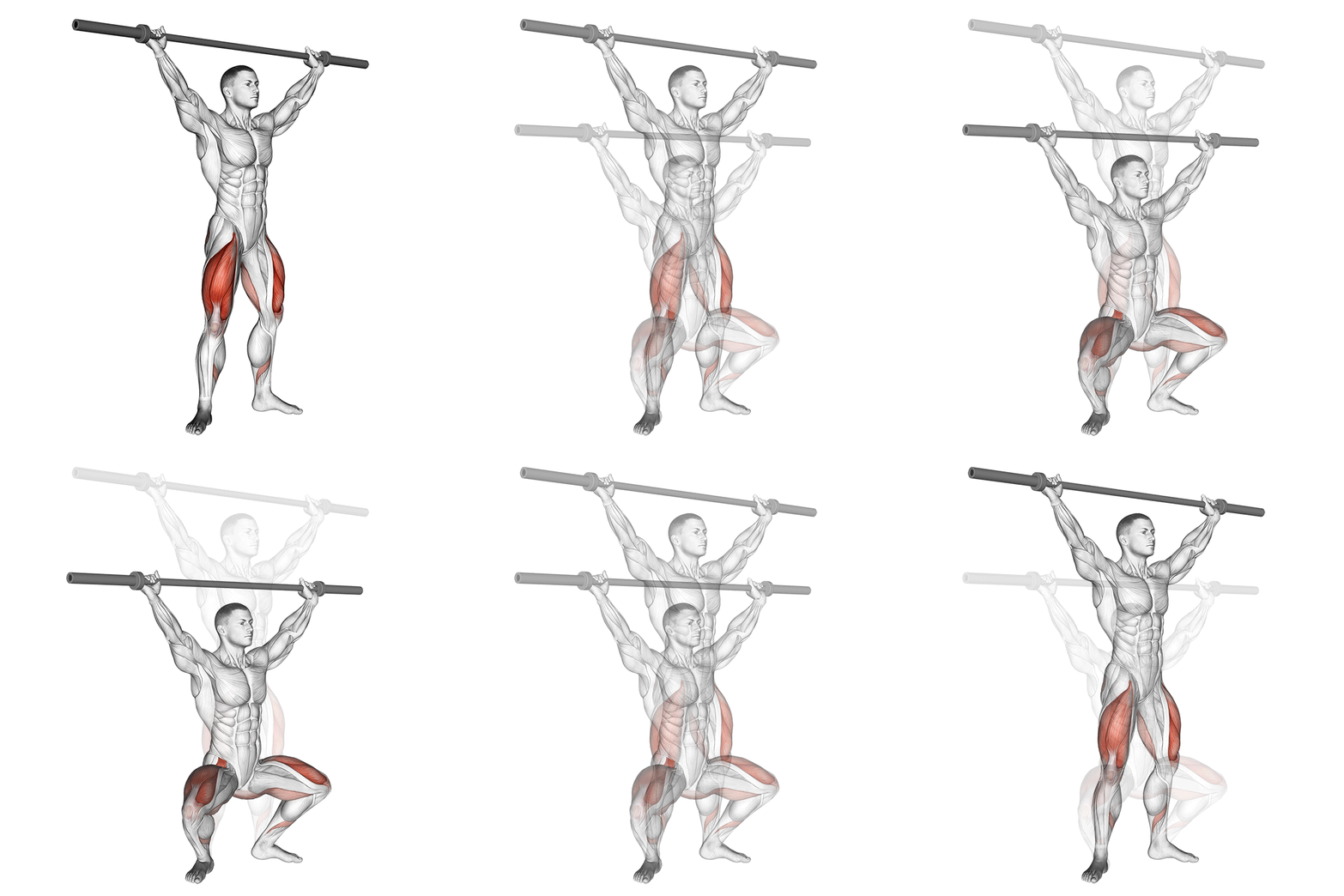
What is the barbell overhead squat?
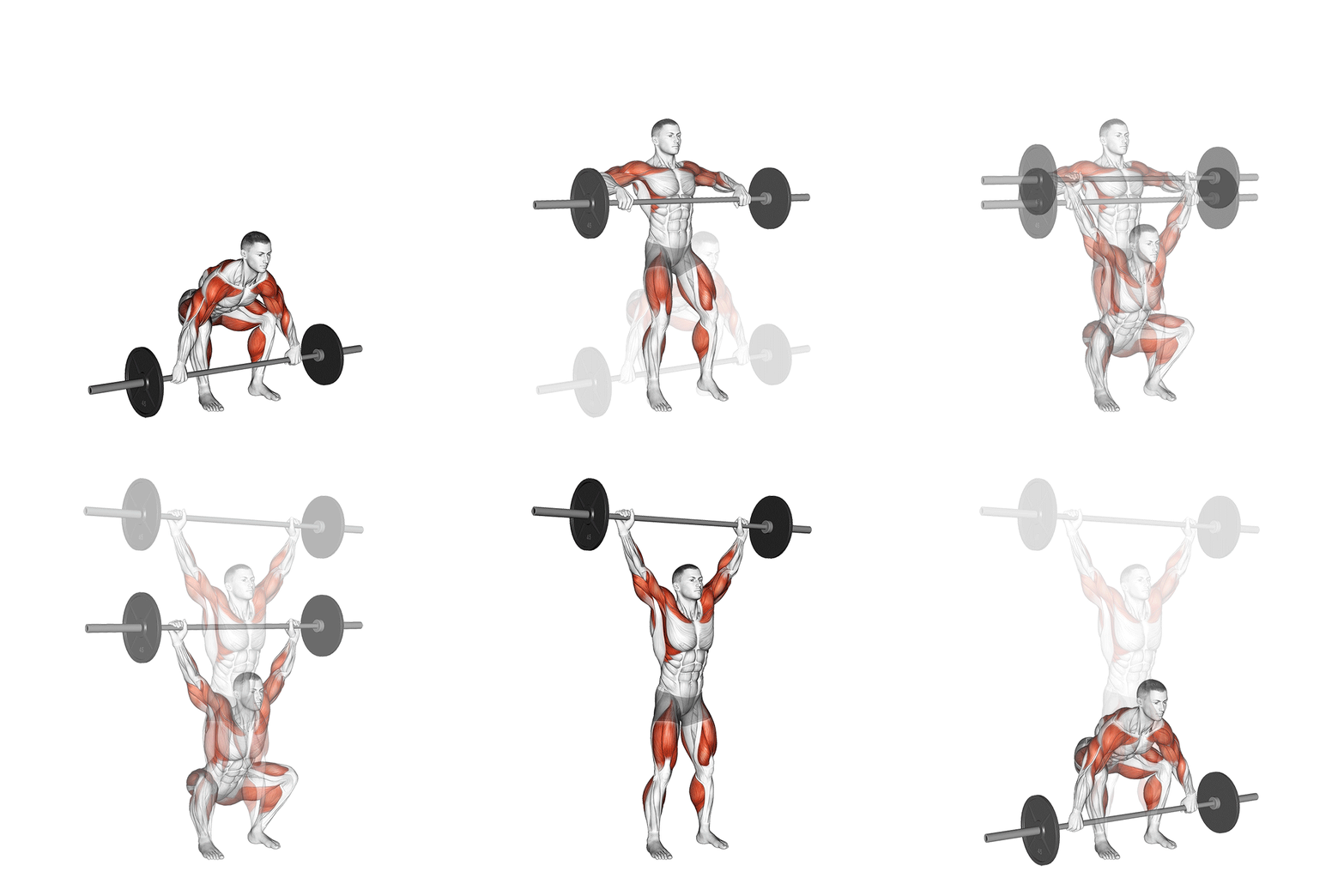
The overhead squat is a full squat performed while supporting a barbell overhead with a wide snatch grip and locked elbows. Nothing hides here: it demands mobile ankles, hips, thoracic spine and shoulders, plus a core that can transmit force from the floor to a bar two metres up. It's the receiving position of the snatch, which is why weightlifters and CrossFit athletes drill it constantly. For everyone else it's a brutal diagnostic and midline builder: the loads stay humble, but every centimetre of depth under a locked-out bar strengthens posture, balance and overhead stability like nothing else.
How to do the barbell overhead squat
- 1
Find your snatch grip
Hands wide enough that the bar sits in your hip crease when standing with straight arms. Take the bar from the rack on your back, like a back squat.
- 2
Press out and lock overhead
Dip and drive the bar off your traps (a behind-the-neck push press) and lock it out over the back of your head. Elbows locked, armpits facing forward, shoulders shrugged up into the bar.
- 3
Squat between your arms
Sit straight down, knees out, torso as vertical as possible. The bar stays over your midfoot the whole way: if your chest tips, the bar follows and the rep is gone.
- 4
Stand up, bar still locked
Drive out of the hole keeping active shoulders and locked elbows, stand to full extension, then control the next rep. Bail forward or backward without hesitation if the bar drifts.
Pro tip
Earn it with a PVC pipe first. If you can't sit to full depth with a broomstick locked overhead, no barbell cue will save you: spend two weeks on ankle, thoracic and shoulder mobility, then come back.
Common mistakes
Soft elbows.
An unlocked elbow under load is a dropped bar waiting to happen. Lock hard and try to pull the bar apart from the first millimetre of the descent.
Grip too narrow.
A narrow grip demands shoulder flexion most lifters don't have. Go snatch-width: it shortens the lever and puts the bar where your shoulders can actually stabilize it.
Chest diving forward.
The instant your torso tips, the bar moves in front of your base and gravity wins. Slow the descent and keep your weight mid-foot.
Chasing load over depth.
A quarter-depth overhead squat with 60 kg builds nothing but bad habits. Full depth with the empty bar beats it every time.
Variations and progressions
Easier
PVC or empty-bar overhead squat
Groove the position daily with a stick: 2-3 light sets before squat sessions double as the best mobility drill you'll find.
Harder
Snatch balance
Instead of squatting down with the bar, you drop under it: a dip, a drive, and a fast punch into the bottom position. Builds the speed and confidence the snatch demands.
No barbell?
Single-arm dumbbell overhead squat
A dumbbell or kettlebell locked overhead turns it into an anti-lean core drill and lets you train each side alone.
How to program it
Three protocols by goal. Pick one per cycle and aim for progression on load or distance.
| Goal | Sets × distance | Load | Rest |
|---|---|---|---|
| Position and mobility | 3 × 5 | Empty bar or PVC | 60-90 s |
| Strength | 5 × 3 | 70-80% overhead squat 1RM | 2-3 min |
| Snatch support | 3 × 2 | 100-110% snatch 1RM | 2-3 min |
Barbell Overhead Squat FAQ
Why is my overhead squat so much weaker than my back squat?
Because your legs aren't the limit, your positions are. Most non-weightlifters overhead squat 30-50% of their back squat; seasoned lifters push past 60%. The gap is mobility and overhead stability, so attack those: pause overhead squats, snatch balances and thoracic work close it faster than leg strength ever will.
What mobility do I need before loading it?
Three checkpoints. Ankles: knees past toes in a full squat, heels down. Thoracic and shoulders: a stick held overhead stays behind your ears at the bottom. Hips: full depth without lumbar tucking. Fail one and the barbell will expose it; weightlifting shoes and daily PVC work are the fastest fixes.
Is the overhead squat worth it if I never snatch?
Yes, in modest doses. No lift trains overhead stability, thoracic posture and midline control at once like this one, and hybrid athletes feel the carryover on wall balls, sandbag work and even running posture. Keep it light, keep it deep: once a week in a warm-up or accessory slot is plenty.