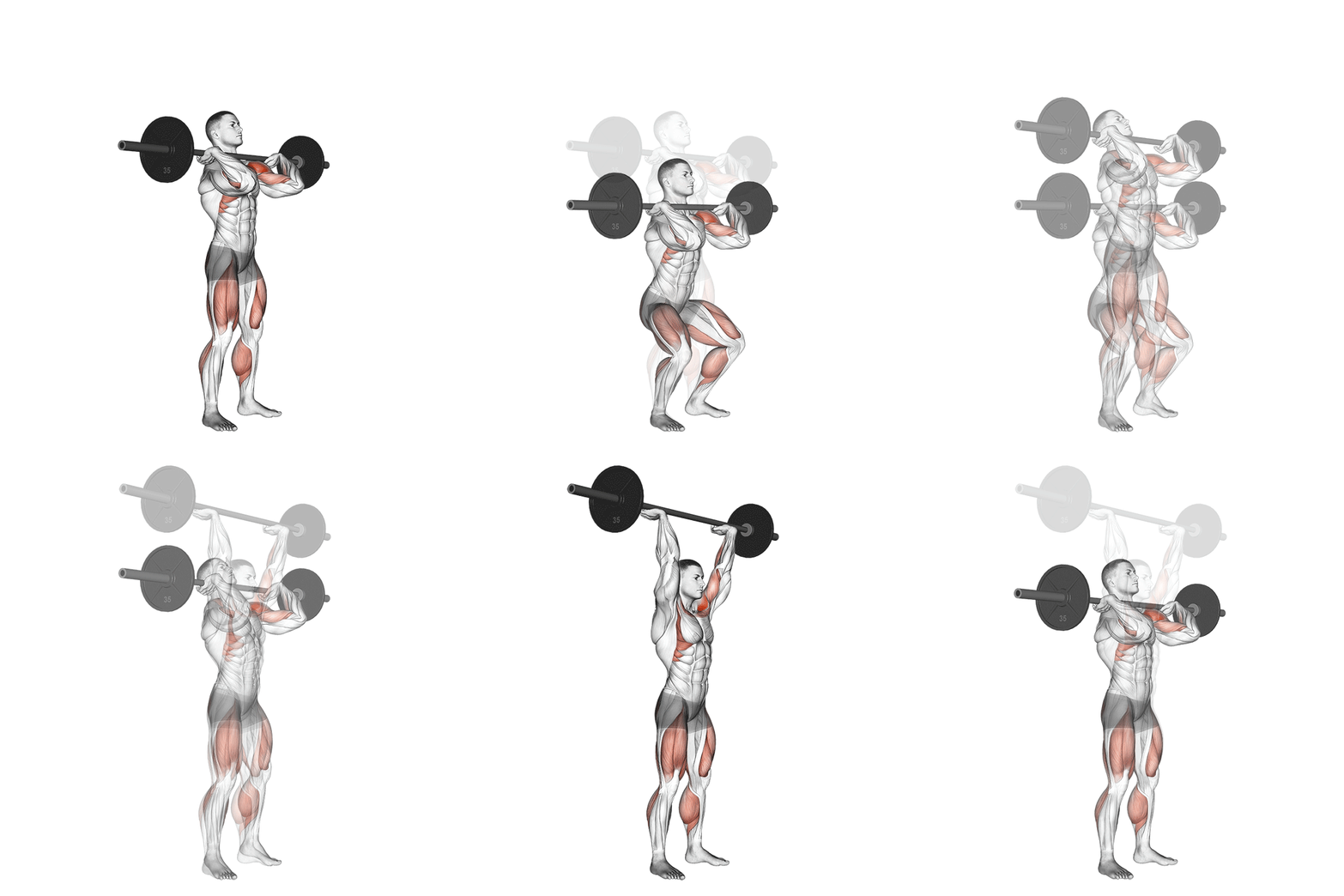
What is the barbell push press?
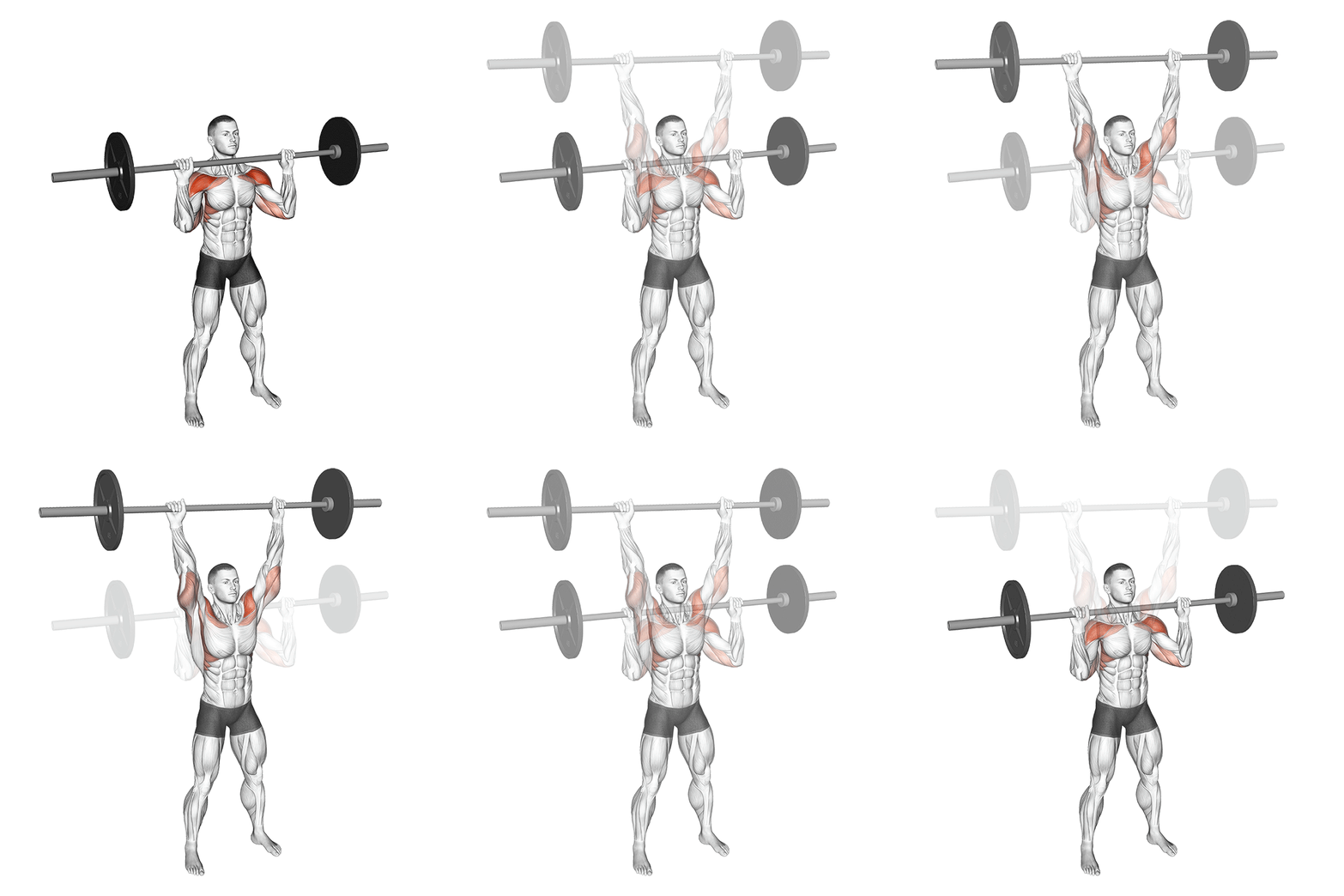
The barbell push press is an overhead press that uses a quick dip-and-drive of the legs to launch the bar past the sticking point. The strict press handles the lockout. You can move thirty to forty percent more weight than a strict press, making it a powerful tool for shoulder strength, full-body power, and conditioning. It's also the foundation of the thruster and a key lift for Hyrox and CrossFit.
How to do the barbell push press
- 1
Front rack the bar
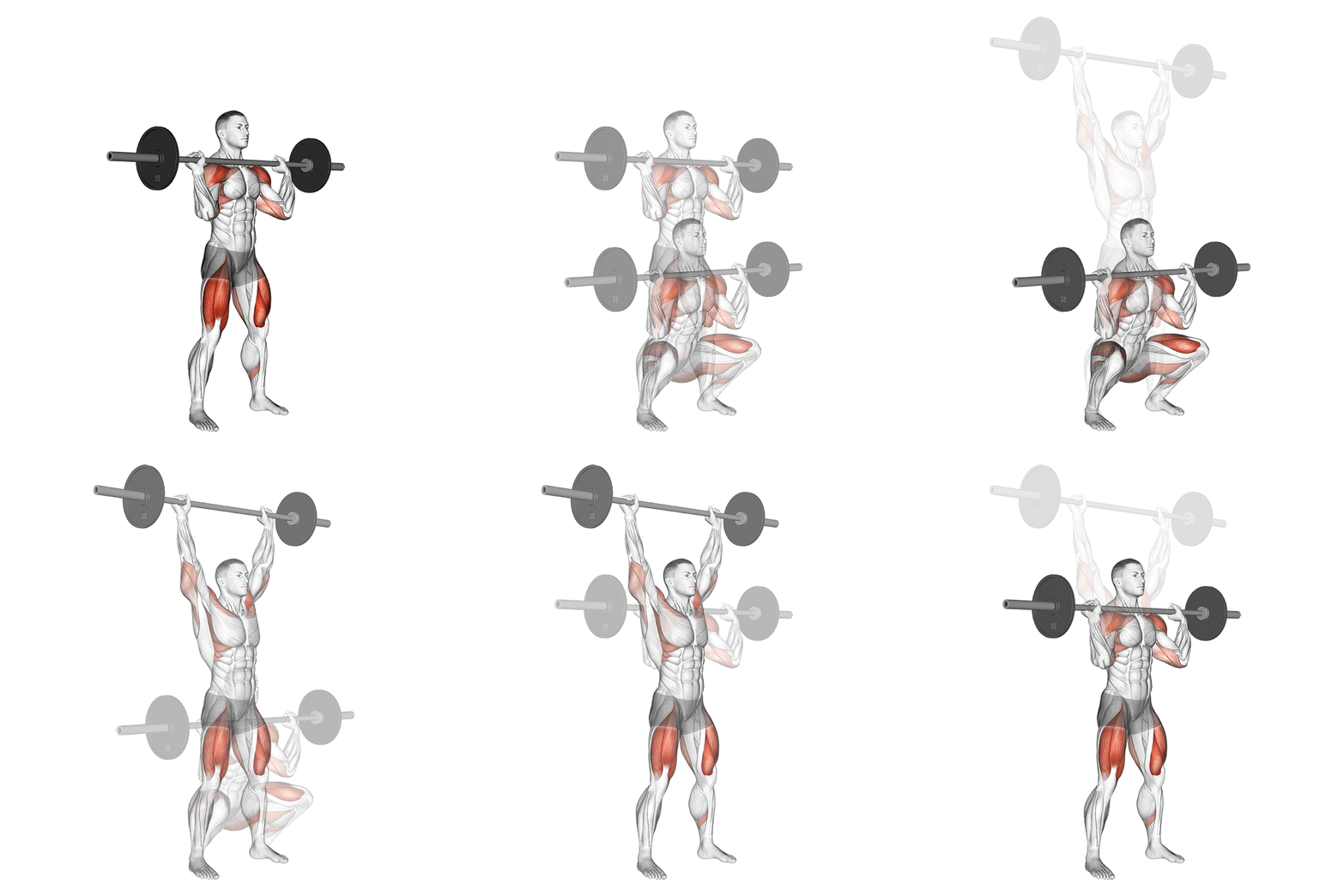
Bar on the front delts, elbows slightly in front of the bar, hands just outside shoulders. Feet hip-width.
- 2
Short dip
Bend the knees a few inches, hips back slightly, torso vertical. Think one-fifth of a squat, not a quarter squat.
- 3
Explosive drive
Extend the legs violently. The hip extension launches the bar. Press the arms as the bar leaves the shoulders.
- 4
Lock out overhead
Bar over the back of the head, ears between the arms, ribs down. Pause, then lower under control to the rack.
Pro tip
The dip is straight down, not back. Any backward shift kills the vertical bar path and dumps the load onto your shoulders.
Common mistakes
Dip too deep.
A quarter-squat dip turns the press into a thruster and slows the bar. Keep the dip shallow and fast.
Soft elbows on lockout.
Half-locked arms invite shoulder strain. Fully extend with the bar stacked over the spine.
Torso leaning back.
Hips forward, ribs down. A leaning torso means the bar finishes in front, not over the spine, and the lower back takes the hit.
Pressing before the drive ends.
Arms should be passive until the legs finish their extension. Pressing too early wastes the leg power.
Variations and progressions
Easier
Dumbbell push press
Dumbbells let each arm move freely, easier on tight shoulders and less back-strain risk.
Harder
Push jerk
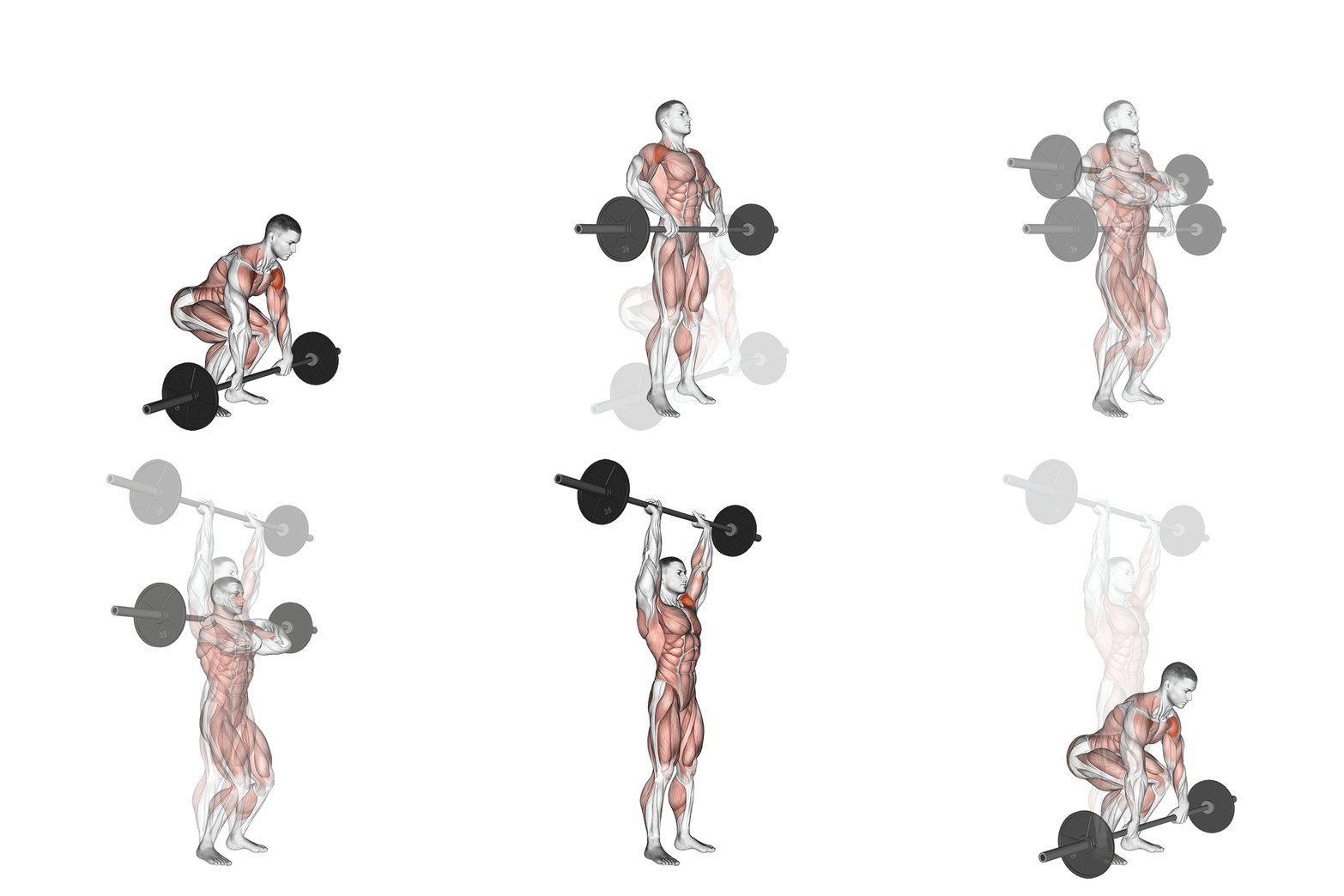
Add a second dip under the bar to catch it with bent knees. Heavier loads, more technique demand.
No barbell?
Kettlebell push press
One or two kettlebells in the rack position give the same leg-drive press pattern in a smaller footprint.
How to program it
Three protocols by goal. Pick one per cycle and aim for progression on load or distance.
| Goal | Sets × distance | Load | Rest |
|---|---|---|---|
| Technique | 5 × 3 | 50% 1RM strict press | 90 s |
| Strength | 5 × 5 | 80% 1RM push press | 2-3 min |
| Power | 6 × 2 | 70% 1RM, fast bar speed | 2 min |
Barbell Push Press FAQ
Push press or strict press, what should I prioritize?
Both. Strict press builds raw shoulder strength and stability. Push press lets you handle heavier loads and trains full-body power transfer. Beginners should master the strict press first, then add push press once they can strict press their bodyweight overhead.
How heavy compared to strict press?
Most lifters push press one hundred thirty to one hundred forty percent of their strict press one rep max. A bigger ratio usually means weak strict pressing strength, not great push pressing, fix the strict press first.
Why does it help Hyrox?
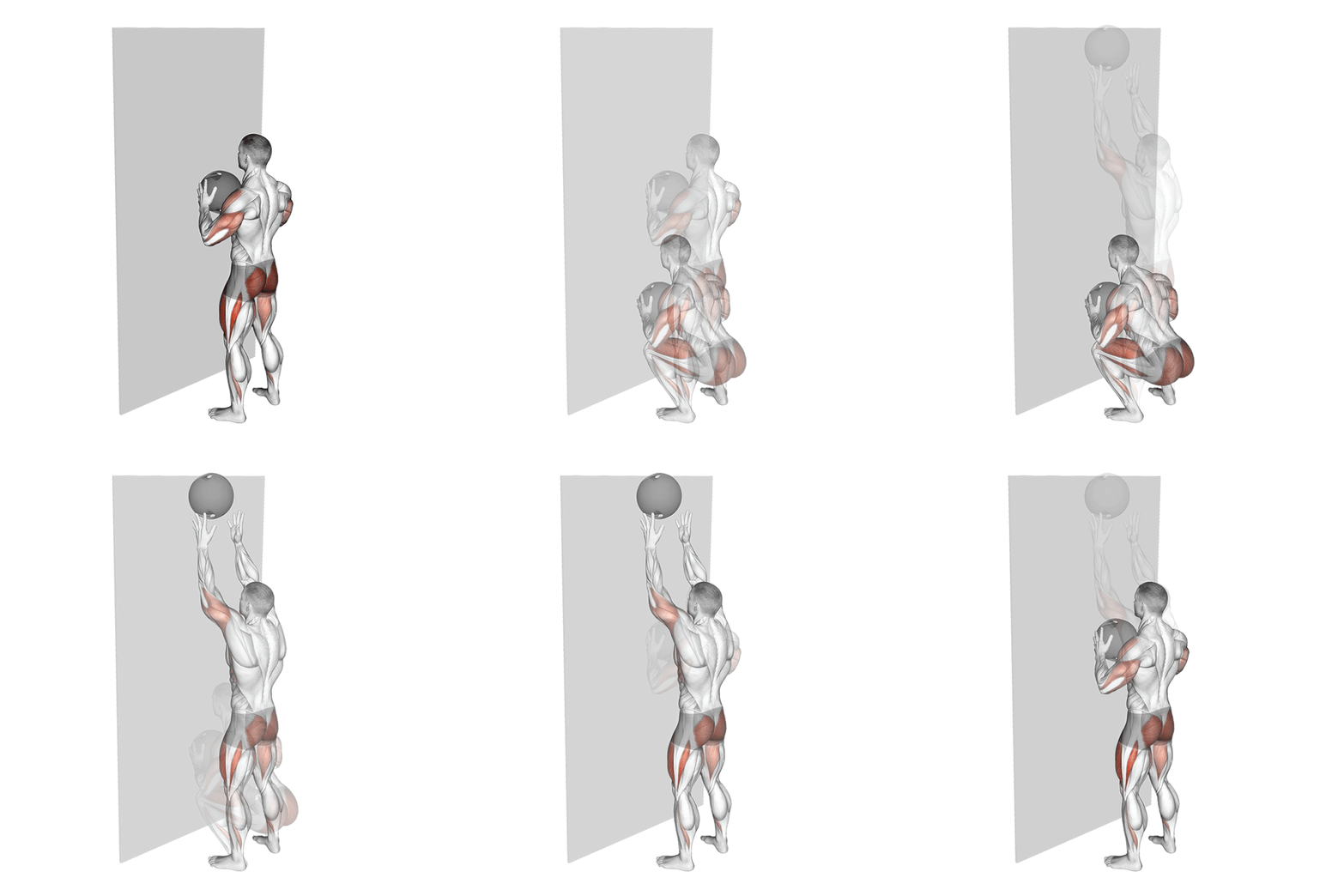
It builds overhead pressing power that transfers to wall balls and sandbag carries to shoulder, and the leg-drive pattern matches the explosive hip extension needed for sled push and broad jumps. Three to five sets twice a week is plenty.