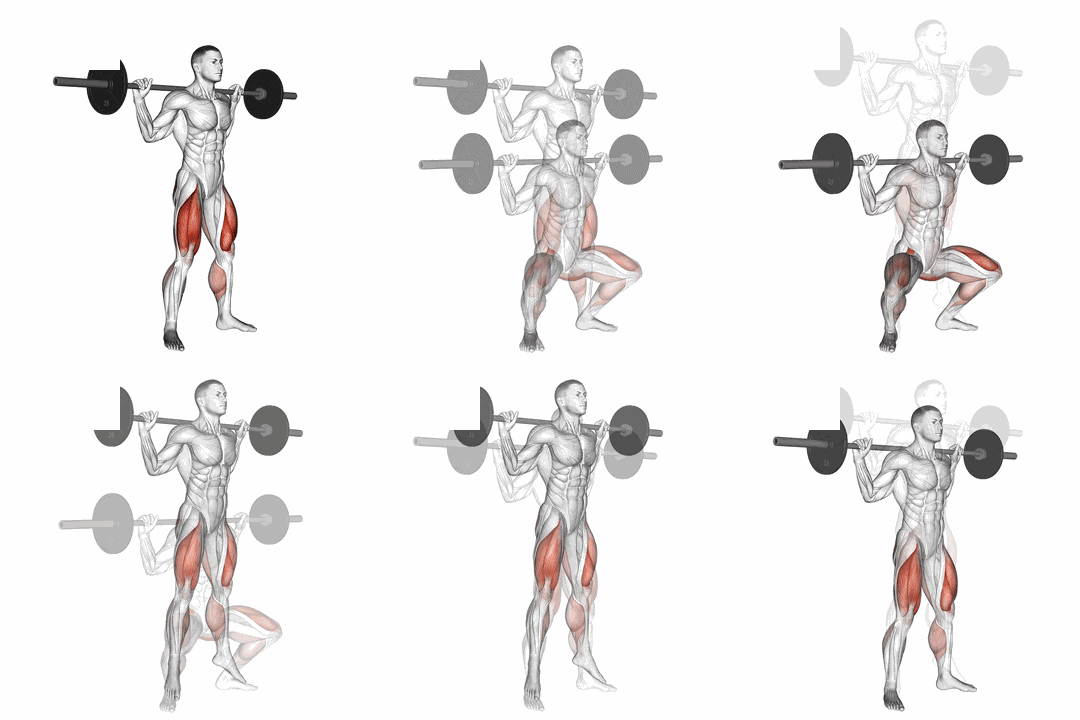
What is the barbell jump squat?
The barbell jump squat is a ballistic power exercise: you set up like a back squat with a light bar, dip into a quarter or half squat, then jump as high as possible and land under control. Because the load is light (typically 20-30% of your squat 1RM), bar speed stays high and you train rate of force development instead of grinding strength. It is a staple in sprint, jumping and team-sport programs, placed early in the session while you are fresh. It demands a solid squat base and clean landing mechanics, so treat it as an advanced tool, not a beginner drill.
How to do the barbell jump squat
- 1
Load light, lock the bar down
Set 20-30% of your back squat 1RM, often just the bar. Pull it hard into your upper traps with a full grip, elbows down: it must not move in the air.
- 2
Dip fast
Brace, then drop quickly into a quarter-to-half squat with the torso near vertical. The dip is a trigger, not a full squat.
- 3
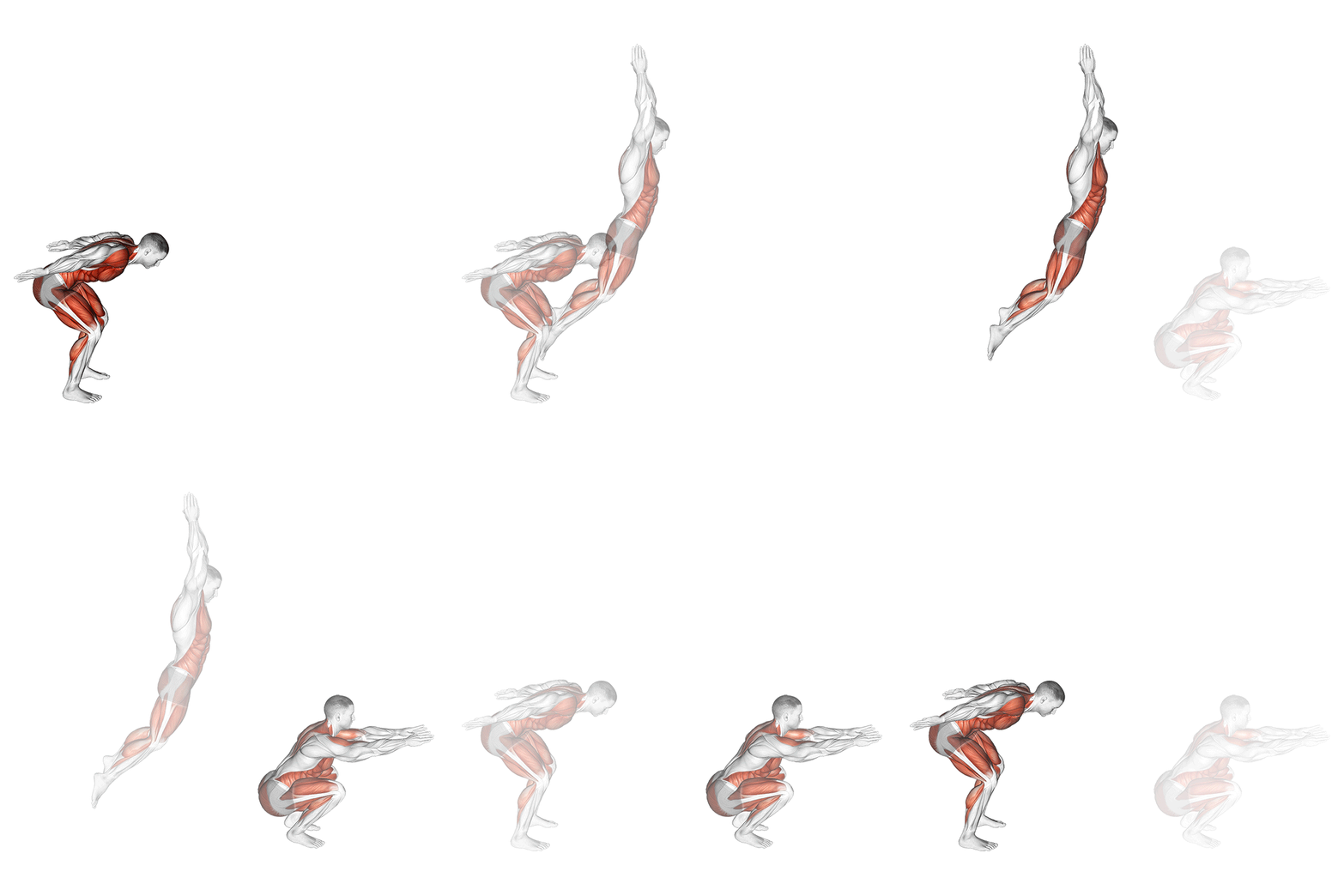
Jump with maximum intent
Drive the floor away through full hip, knee and ankle extension. Every rep is a max-height jump; anything less is wasted.
- 4
Land soft and reset
Land mid-foot, absorb into a quarter squat, stand tall, breathe, reset your position. No rebounding into the next rep.
Pro tip
Chase bar speed, not load. With a velocity tracker, stay above roughly 1 m/s; without one, end the set the moment a jump looks lower than the previous one. A slow jump squat is just a bad half squat.
Common mistakes
Loading it like a squat.
Past roughly 30% of 1RM, velocity collapses and the power stimulus disappears. If you want to lift heavy, squat; if you want to be explosive, stay light.
Bar crashing on your neck.
A loose grip lets the bar float in the air and slam down on landing. Crush it into your traps for the entire set.
Stiff, loud landings.
Landing with locked knees sends the force straight into knees and spine. Absorb quietly through hips and knees, like landing on glass.
Grinding reps when tired.
Fatigue kills output and power training without output is nothing. Cap sets at 3-5 crisp reps and take real rest.
Variations and progressions
Easier
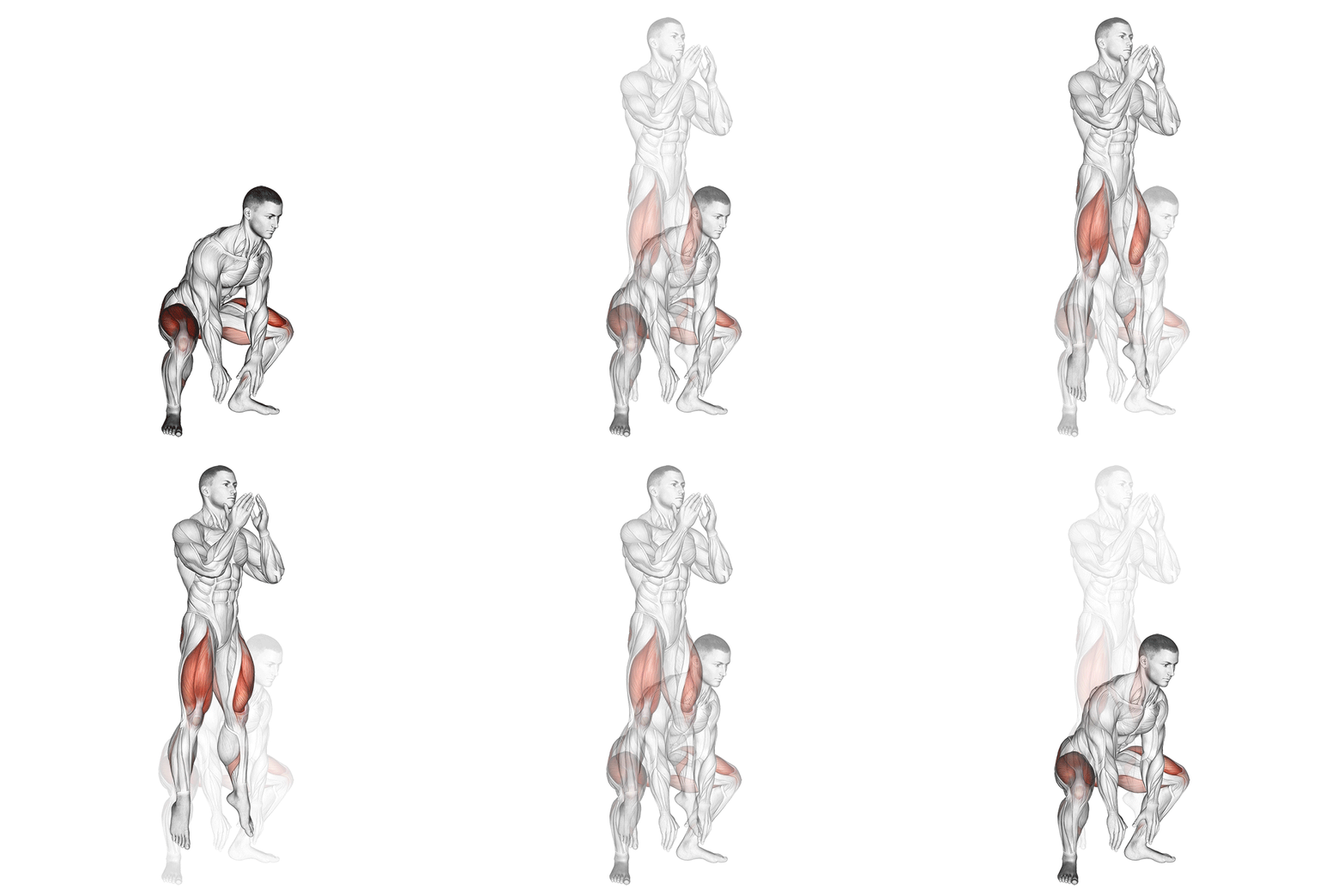
Bodyweight jump squat
Master the dip, the jump and above all the landing with zero load before a bar ever touches your back.
Harder
Static-start jump squat
Pause 2 s in the dip before every jump. Kills the stretch reflex and forces pure concentric explosiveness.
No barbell?
Dumbbell or trap bar jumps
Weights held at your sides can be dropped safely and spare the neck. The go-to version for team-sport athletes.
How to program it
Three protocols by goal. Pick one per cycle and aim for progression on load or distance.
| Goal | Sets × distance | Load | Rest |
|---|---|---|---|
| Peak power | 5 × 3 | 20-30% squat 1RM | 2-3 min |
| Speed-strength | 4 × 4 | Empty bar to 20% 1RM | 2 min |
| Contrast training | 3 × 3, after 3 heavy squats | 20% 1RM | 3 min |
Barbell Jump Squat FAQ
How heavy should barbell jump squats be?
Lighter than your ego wants. Peak power for most lifters sits somewhere between bodyweight and 30% of squat 1RM, and the empty bar is plenty for the majority. If you're hesitating between two loads, take the lighter one: jump height and bar speed are the goal, the number on the bar is irrelevant here.
Are jump squats dangerous for the spine?
The jump isn't the problem, the landing is. With light loads, soft absorbed landings, low reps and full rest, healthy trained lifters handle them well. If you have back issues or can't land quietly yet, jump with dumbbells at your sides or just bodyweight: you keep 90% of the benefit with a fraction of the risk.
Jump squats or power cleans for athleticism?
Power outputs are comparable, the learning curves aren't. A power clean takes weeks of coaching to load safely; a jump squat takes one session. If you have a coach and time, learn the clean for its catch and coordination demands. If you don't, heavy squats plus jump squats cover most of what field athletes need.