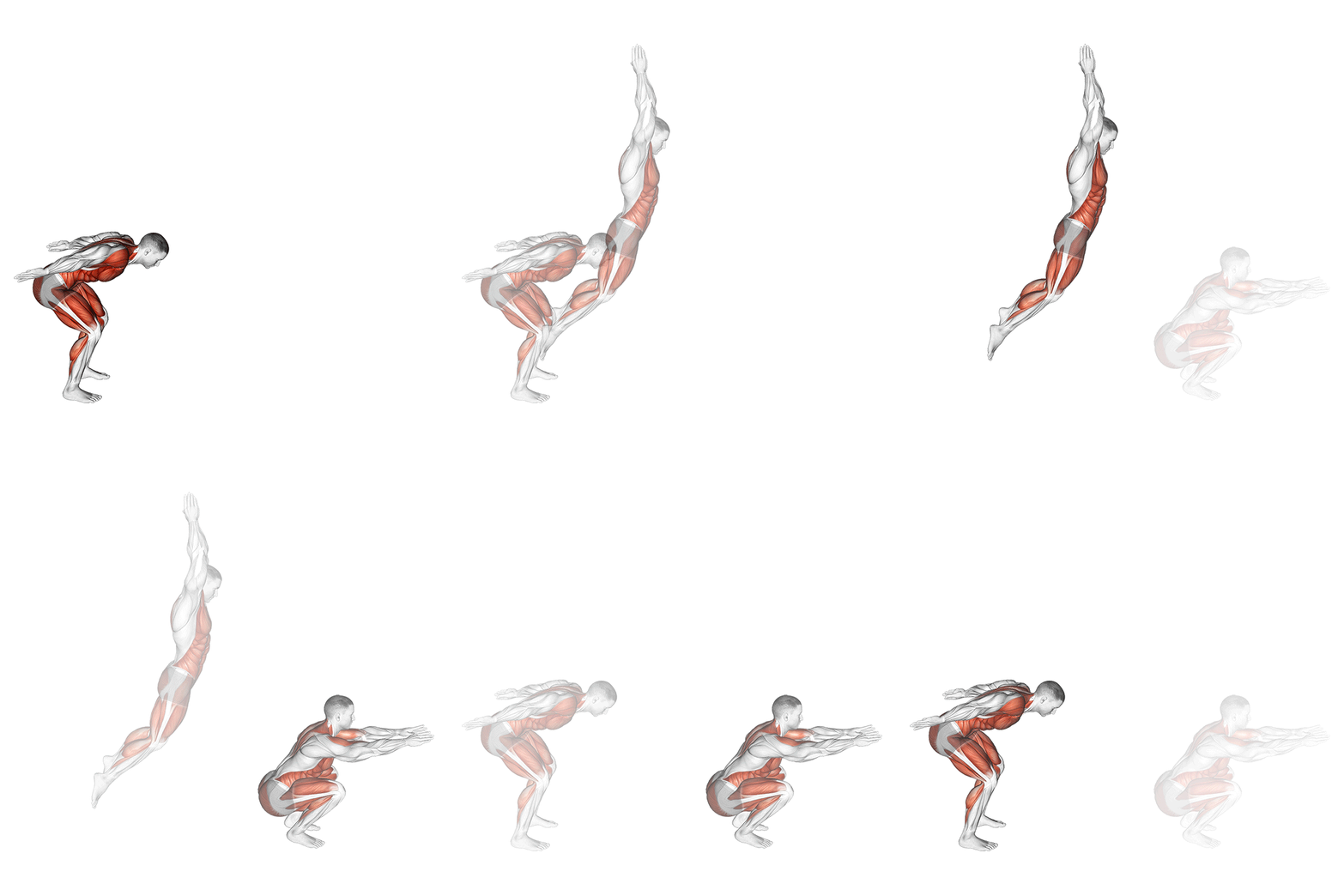
What is the broad jump?
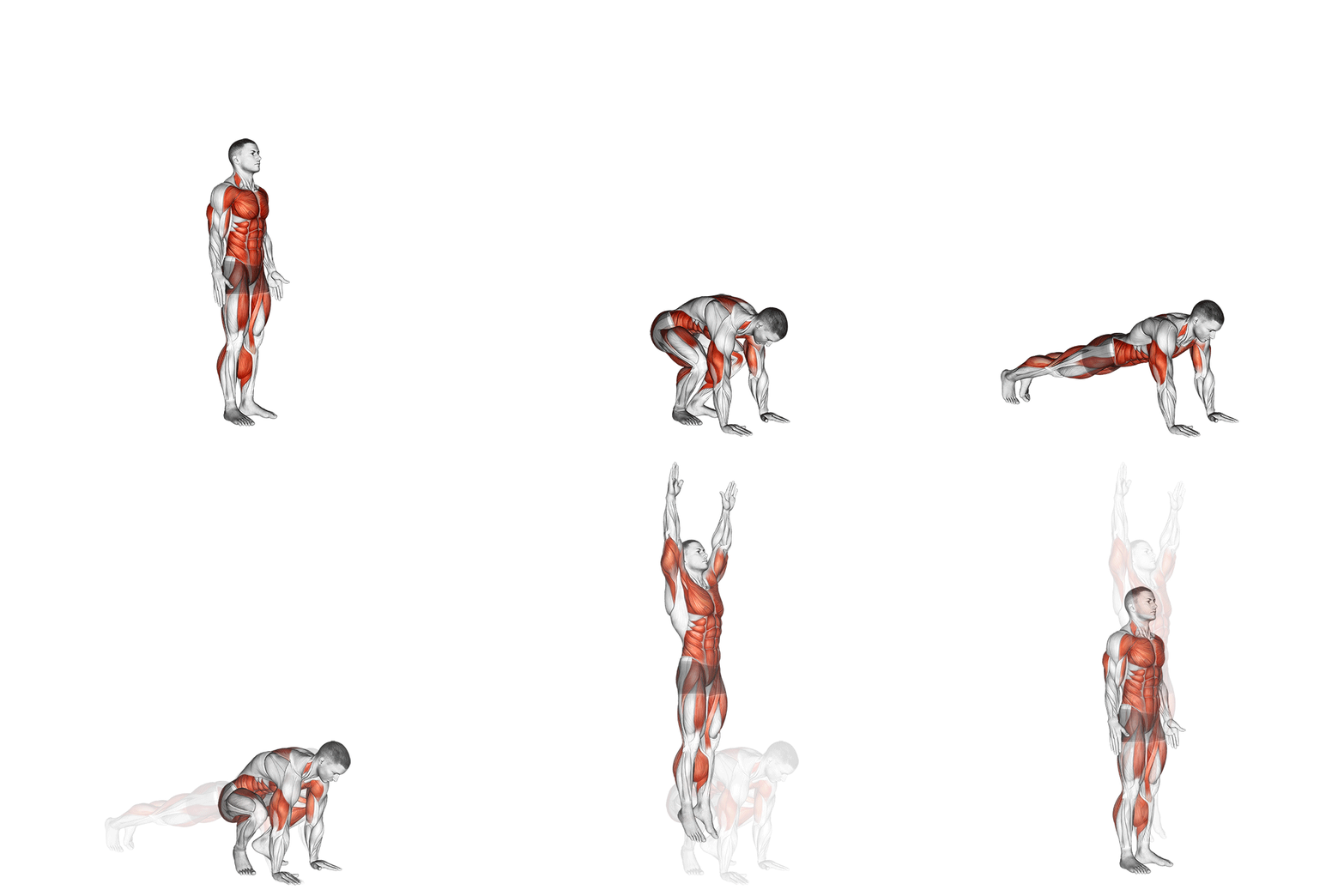
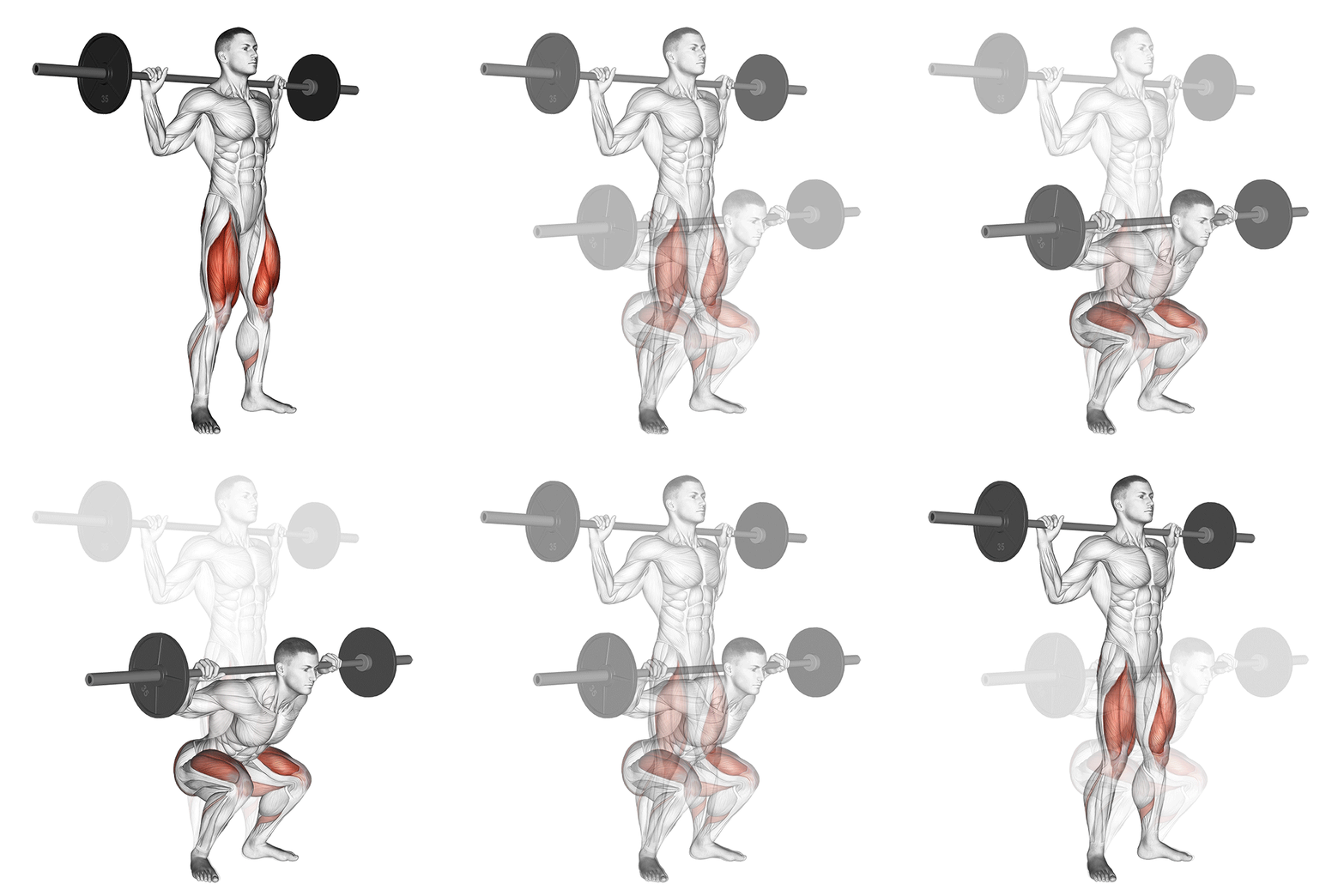
The broad jump is a standing horizontal leap for maximum distance. You load both legs with a quick countermovement, swing the arms, and explode the hips forward to project the body. Landing absorbs the impact through the legs and core. It's a benchmark for lower-body power output, a key building block of burpee broad jumps in Hyrox, and a sharp tool to express the strength you build in the squat rack on the field.
How to do the broad jump
- 1
Set the start stance
Feet hip to shoulder width, toes behind a line, arms relaxed by your sides. Eyes on a target 2 to 3 meters ahead.
- 2
Counter-move fast
Swing the arms back as the hips push back and the knees bend to about a quarter squat. Stop the descent the instant tension peaks.
- 3
Explode forward
Drive the arms hard forward and up while extending the hips, knees and ankles fully. Project the chest forward, not just up.
- 4
Land in athletic stance
Bring the knees through, land both feet at once, knees over toes, hips back, soft absorption. Stick the landing without stepping.
Pro tip
Train broad jumps fresh, never fatigued. Power outputs collapse under fatigue and the value of the drill disappears. Three or four max efforts at the start of a session is the sweet spot.
Common mistakes
Jumping up instead of out.
Vertical drive wastes the angle. Aim the chest forward and project low and long, like a long jumper not a basketball player.
Slow countermovement.
A long, slow dip kills elastic energy. The down phase has to be quick and tight to load the stretch reflex.
Crashing the landing.
Stiff knees or a one-foot landing turns the drill into an injury risk. Two feet, soft hips, knees tracking out.
Doing too many reps.
Past 5 quality jumps the body fatigues and you train the wrong qualities. Keep it short and explosive.
Variations and progressions
Easier
Submaximal broad jump
Aim for 70 percent of max distance with perfect landings. Better skill transfer than max efforts when you're new to the drill.
Harder
Repeat broad jumps
Chain 3 to 5 jumps with minimal ground contact between each. Trains reactive strength on top of raw power.
Tight space?
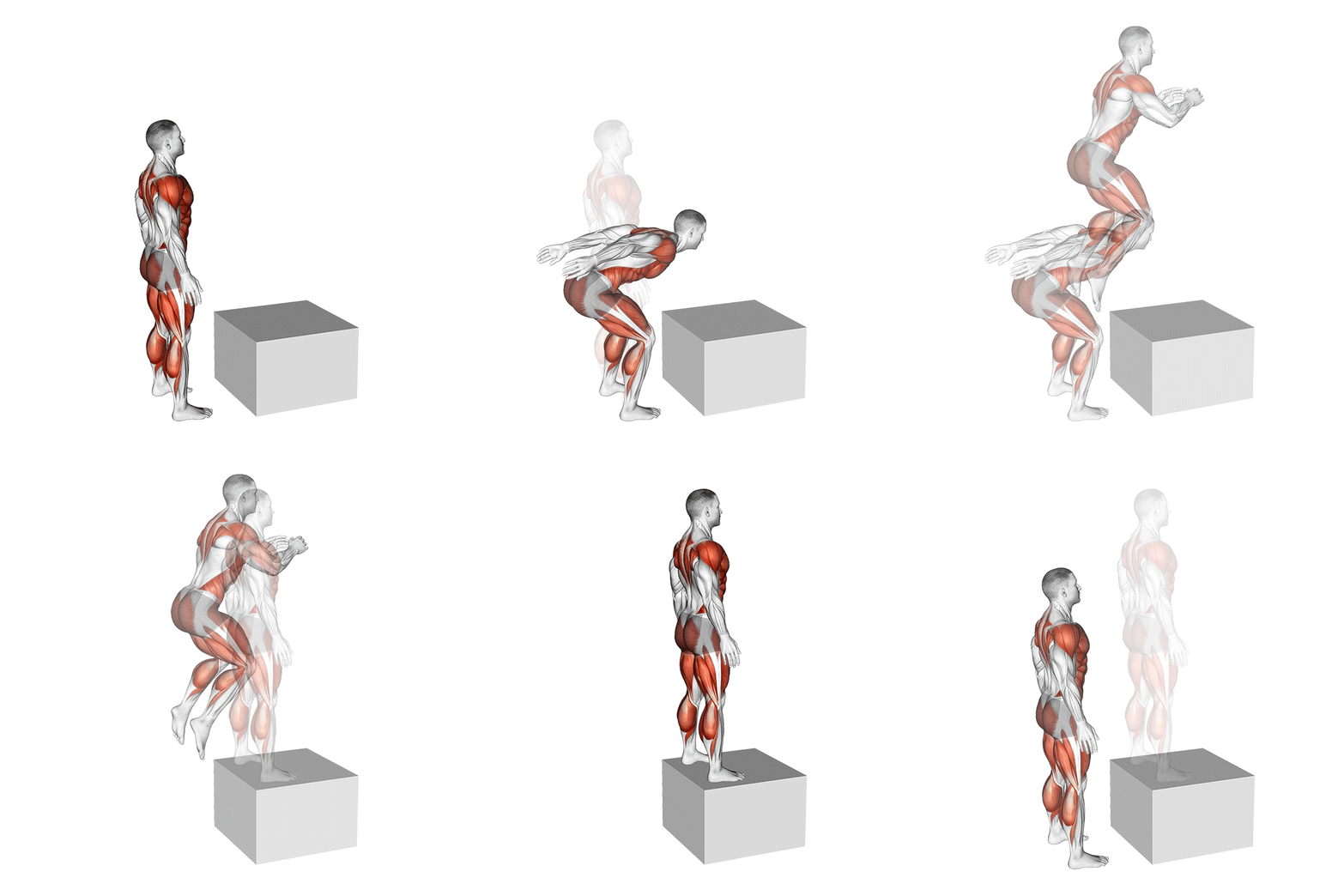
Box jump or vertical jump
Box jumps train the same hip extension without the landing distance. Vertical jumps with a max-distance target measure power identically.
How to program it
Three protocols by goal. Pick one per cycle and aim for progression on load or distance.
| Goal | Sets × distance | Load | Rest |
|---|---|---|---|
| Power benchmark | 5 × 1 max effort | Bodyweight | 60-90 s |
| Plyo training | 4 × 3 | Bodyweight, 80-90% distance | 60 s |
| Hyrox burpee prep | 3 × 8 standing broad jumps | Bodyweight, 75% distance | 60 s |
Broad Jump FAQ
How far should I be able to jump?
A useful benchmark for athletic adults: 2.0 to 2.3 meters for men, 1.7 to 2.0 meters for women is solid. Elite power athletes hit 2.7+ for men and 2.3+ for women. The number matters less than the trend: track your distance every 4 to 6 weeks and chase your own progression.
Will broad jumps make me faster on the run?
Indirectly yes. Horizontal power transfers to sprint acceleration and running economy. The carryover isn't huge but it's real, especially for runners who only train aerobic volume. Add 2 sessions a week of low-volume plyos and watch your stride feel snappier within a month.
Are broad jumps safe with knee issues?
Landings are where most knee complaints come up. If your knees are sensitive, work on landing mechanics with low box step-downs and quarter-depth jumps first. Once you can absorb 20 reps clean without pain, broad jumps become viable. Stop the set the moment landing form breaks.