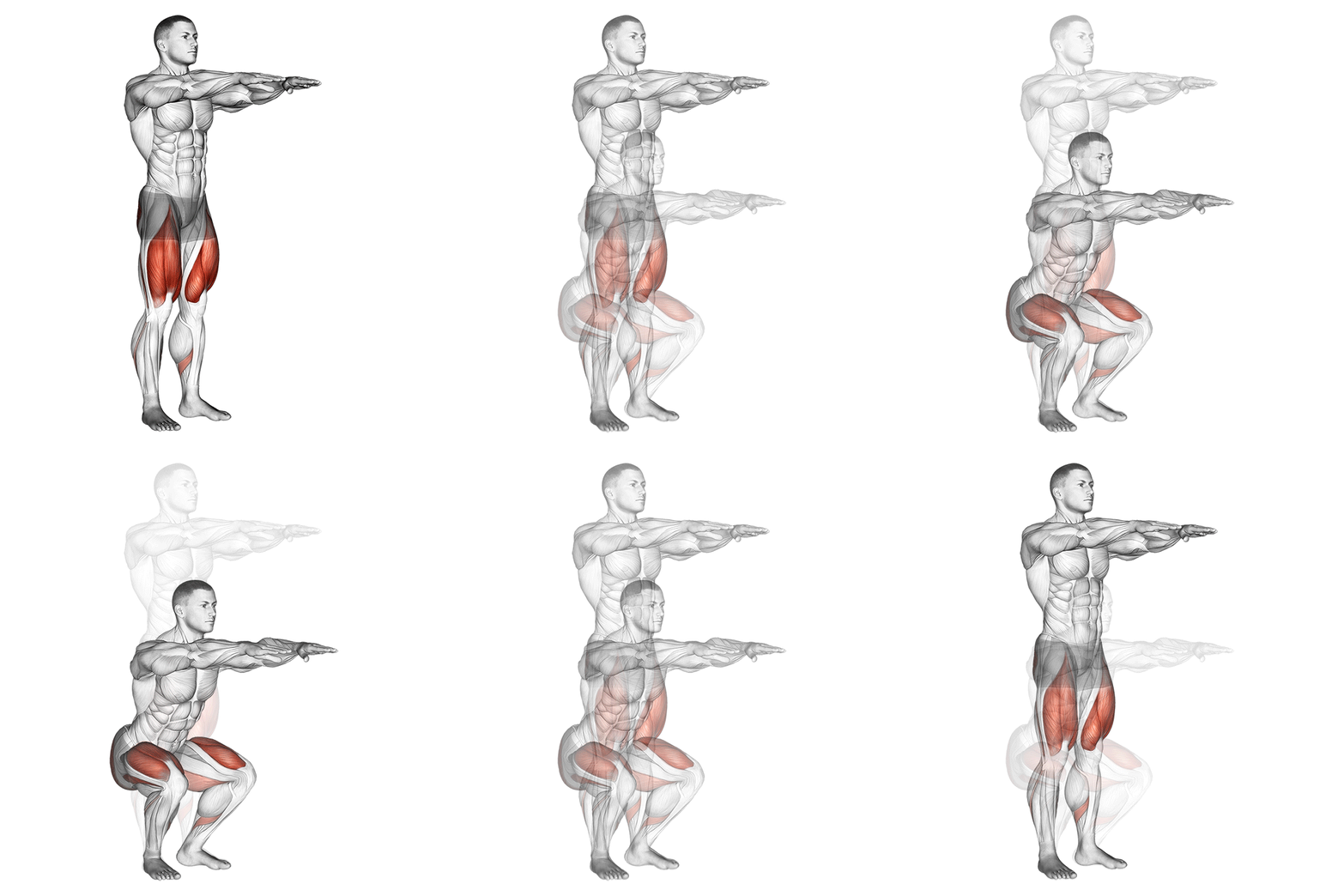
What is the squat?
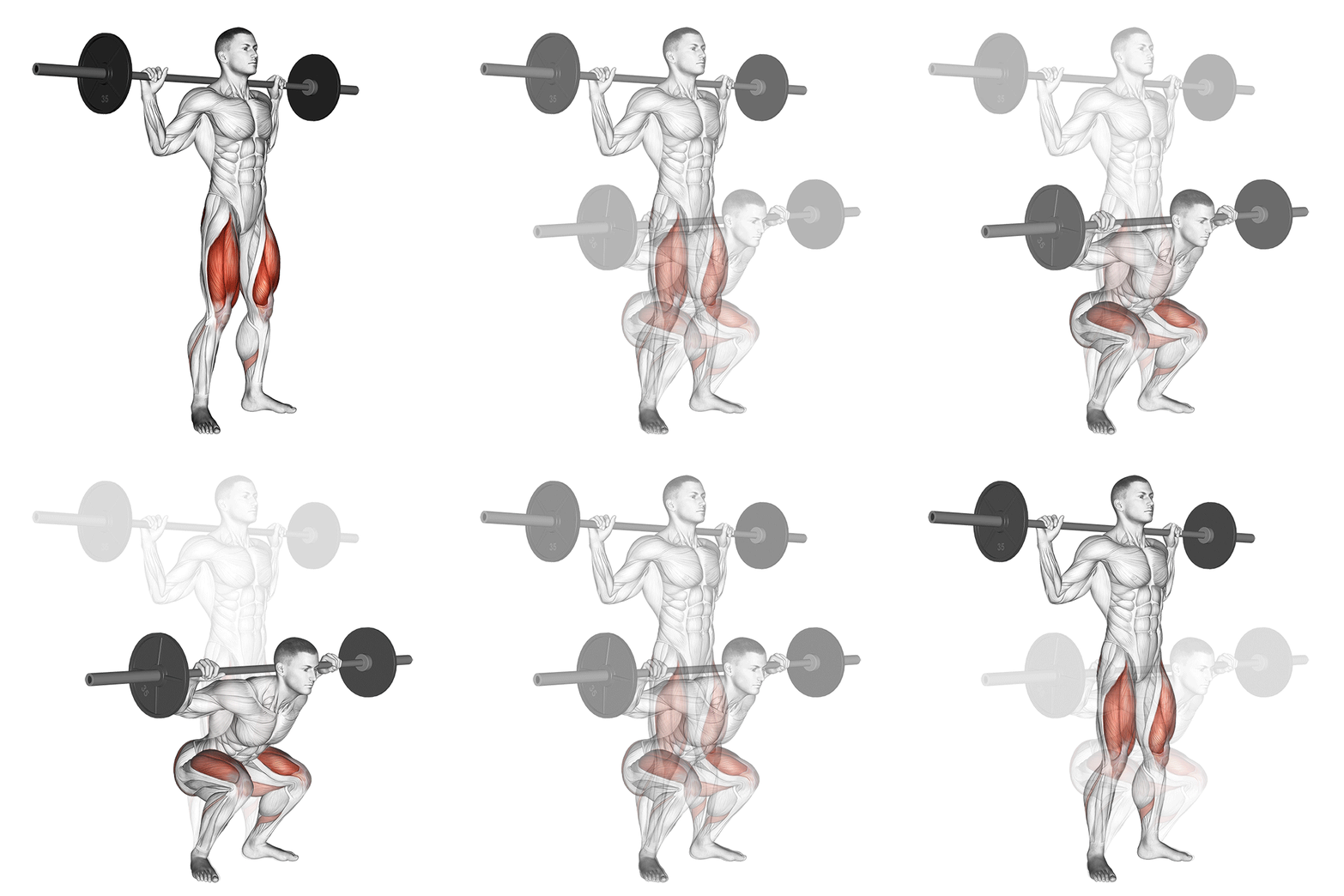
The squat is the fundamental knee-dominant movement pattern: feet about shoulder width, hips travel down and back, knees track over the toes, then you stand back up. Done with bodyweight only (often called the air squat), it trains the quadriceps and glutes, with the hamstrings, adductors and trunk working to control the descent. It is the first movement every beginner should own, the warm-up staple before any leg session, and the base pattern for the goblet, front and back squat. If you can't squat well unloaded, no barbell will fix it.
How to do the squat
- 1
Set your stance
Feet shoulder width, toes turned out 10-30°. Spread your weight across the whole foot: big toe, little toe, heel. Reach your arms out in front as a counterweight.
- 2
Break hips and knees together
Sit down and slightly back, chest proud, knees tracking over the toes. Don't lead with a big hip hinge: it's a squat, not a good morning.
- 3
Sit to full depth
Lower until your hip crease drops below your knees, or as deep as you can manage with heels down and a neutral spine. Knees pushed out the whole way.
- 4
Drive the floor away
Stand up through the whole foot, knees still out, and finish tall with glutes squeezed. Exhale on the way up. No hip thrust at the top, no overarching.
Pro tip
Film yourself from the side once a week. The squat is the move everyone thinks they do well: depth, heels and spine position don't lie on camera, and ten seconds of video beats a thousand reps of guessing.
Common mistakes
Heels lifting off the floor.
Weight tips onto the toes and the knees take everything. Work ankle mobility, and squat with small plates under your heels in the meantime.
Knees caving in.
Valgus collapse is a weak-glute signature. Screw your feet into the floor and push the knees out over the toes on every rep.
Cutting depth.
Quarter squats build quarter legs. If mobility blocks you, squat to a box and earn range week by week instead of pretending it's there.
Chest collapsing forward.
When the torso folds, the lower back takes over. Brace before you descend and keep your arms reaching forward as a counterbalance.
Variations and progressions
Easier
Box squat (to a bench)
Sit back to a box or bench at knee height. It standardises depth, builds confidence and removes the fear of falling.
Harder
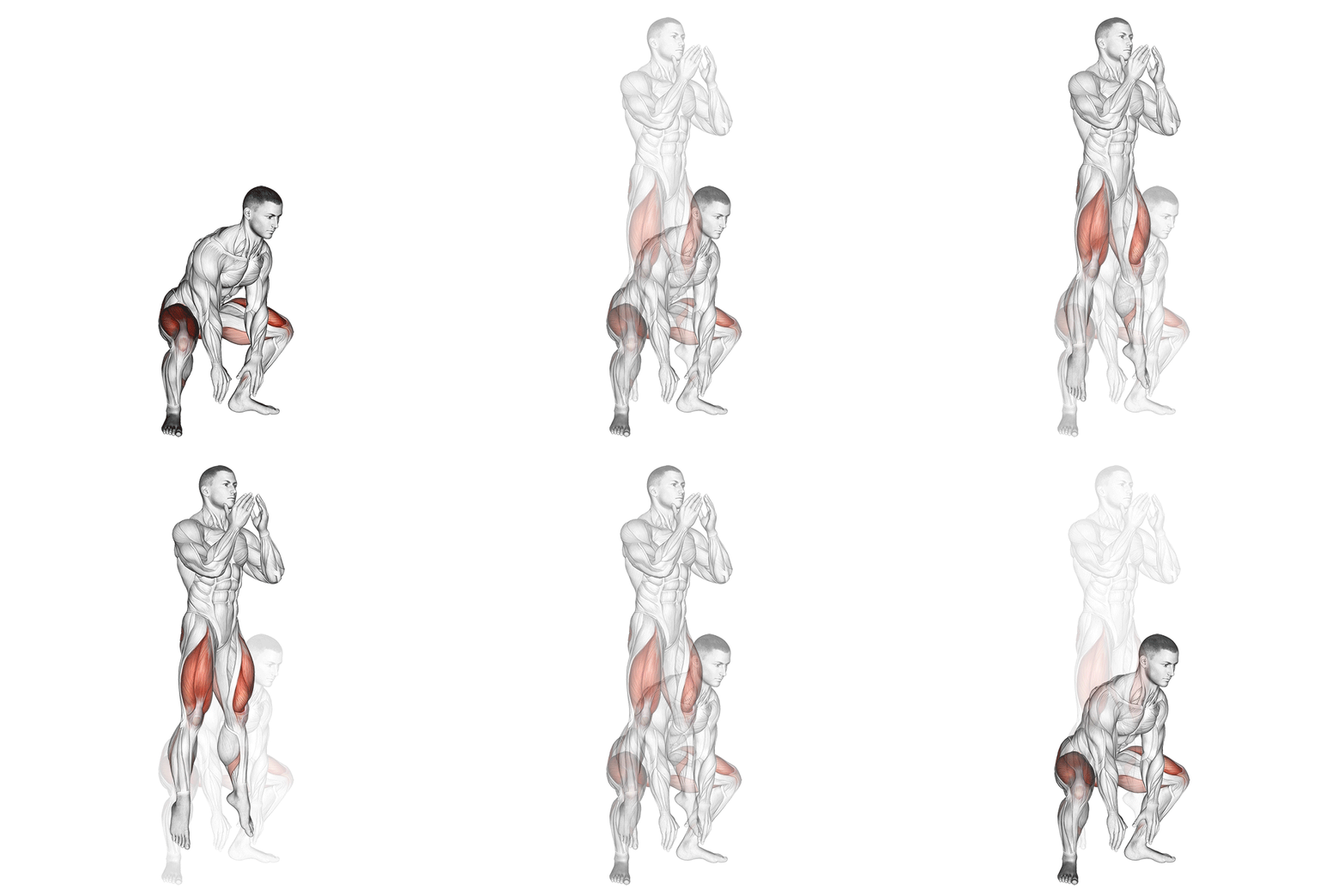
Jump squat
Squat down, then explode off the floor. Same pattern, maximum intent: power for sprints, Hyrox and everything explosive.
Want to load it?
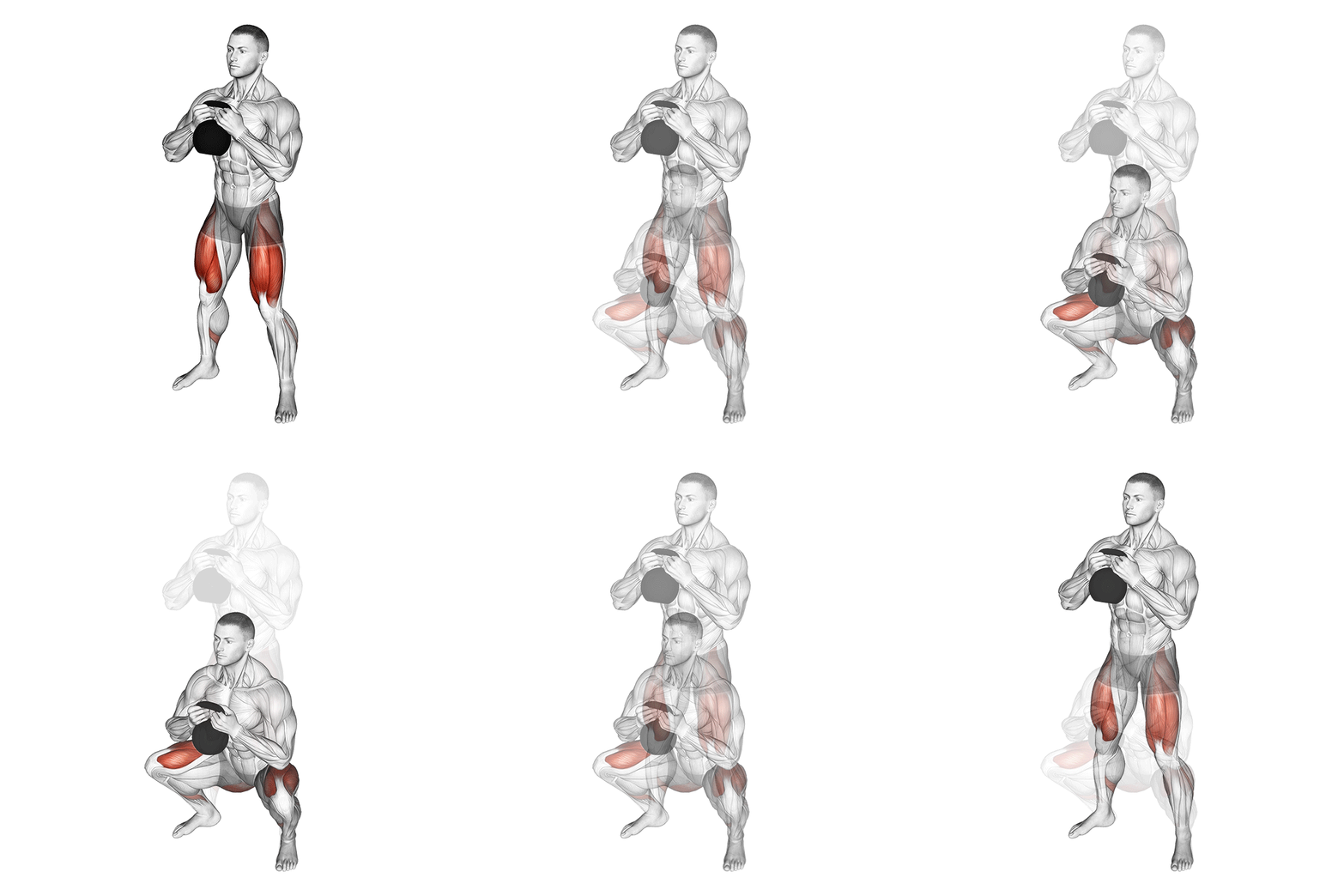
Goblet squat
Hold a dumbbell or kettlebell at your chest. The front load forces an upright torso and is the natural first step toward the barbell.
How to program it
Three protocols by goal. Pick one per cycle and aim for progression on load or distance.
| Goal | Sets × distance | Load | Rest |
|---|---|---|---|
| Technique | 3 × 10-12 | Bodyweight, 3 s descent | 60 s |
| Conditioning | EMOM 10 min: 15 reps | Bodyweight | Rest of the minute |
| Strength progression | 4 × 8-10 | Goblet hold, 12-24 kg | 90 s |
Squat FAQ
How deep should I squat?
Hip crease below the knee is the standard worth chasing: more muscle worked, more mobility kept, more carryover to loaded squats. Go as deep as you can with heels down and a neutral spine, and treat extra range as a skill built over weeks, not a test to pass today. Partial squats are a tool for specific goals, not a default.
Is it bad if my knees go past my toes?
No, that's an old myth. Forward knee travel is normal and necessary to squat deep with an upright torso. Blocking it just shifts load to the hips and lower back. Healthy knees adapt to load like any other tissue: progress gradually, control the descent, and your knees will get stronger, not worse.
Will 100 squats a day get me results?
For a few weeks if you're untrained, then it becomes cardio with no stimulus left. Muscle grows from progressive overload, not repetition of the same easy task. Slow the tempo, add a pause, hold a load, deepen the range. Three hard sets taken close to failure beat a hundred mindless reps every single time.