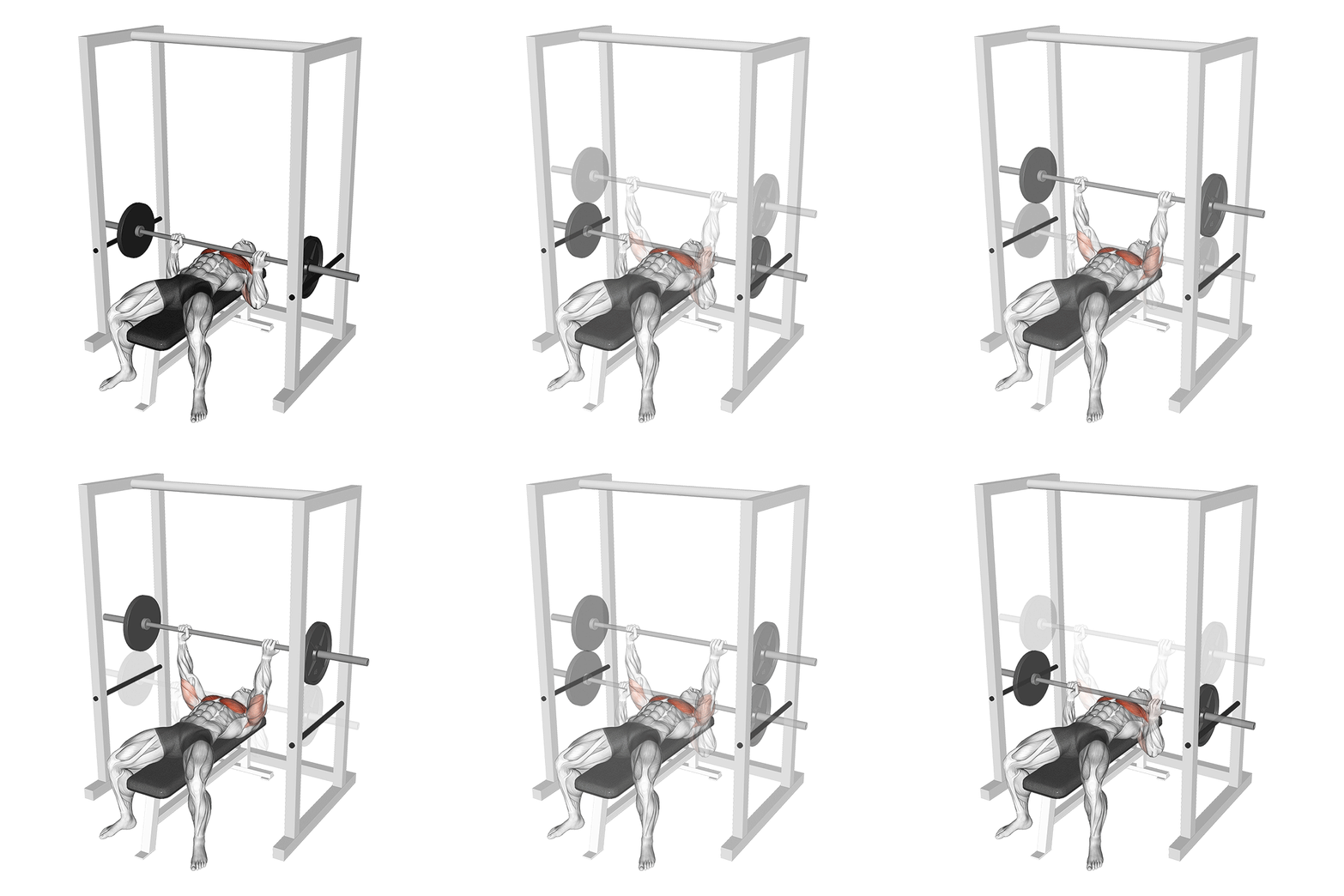
What is the pin bench press?
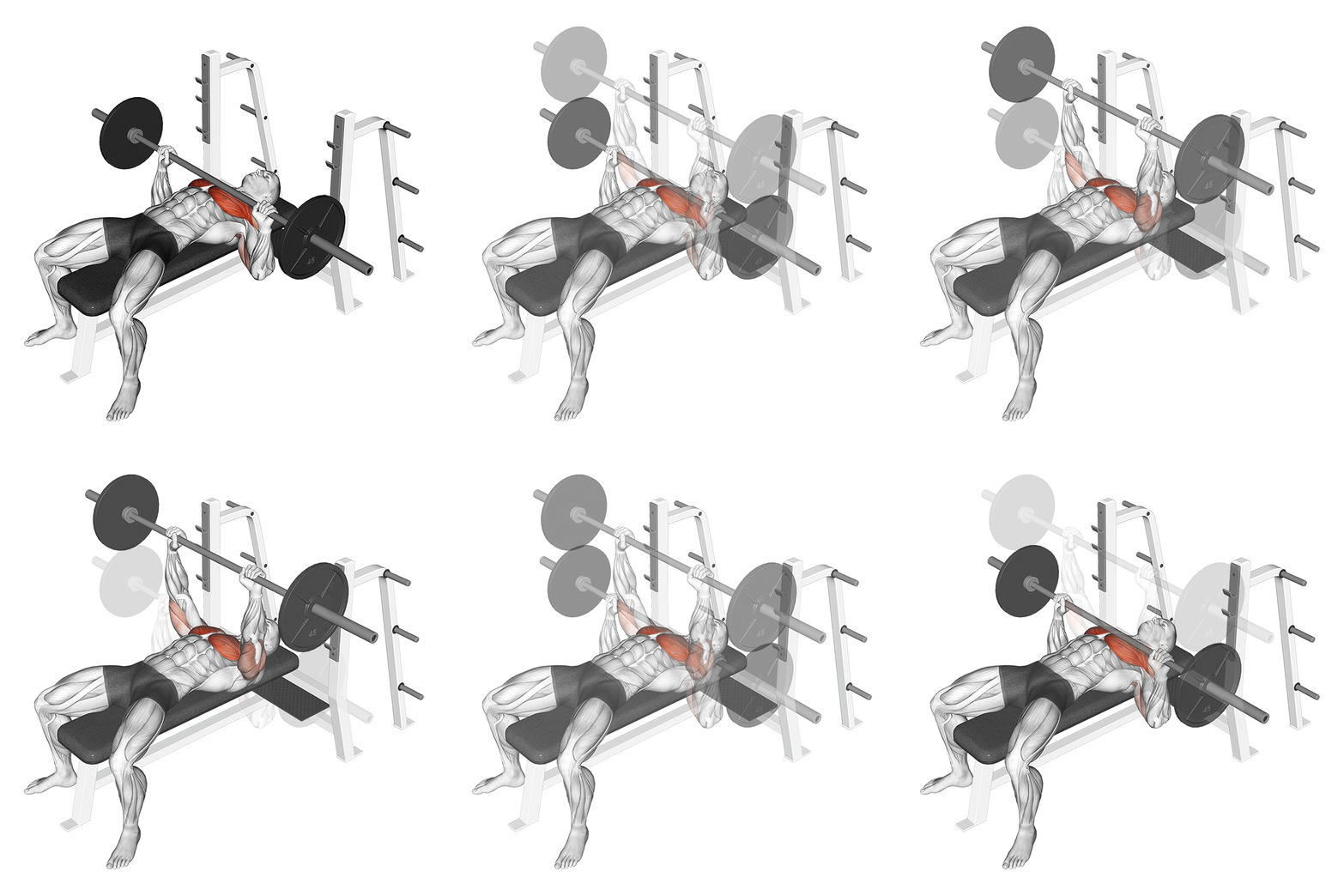
The pin bench press is a barbell bench variation performed inside a power rack, with the bar resting on safety pins instead of starting from lockout. Every rep begins from a dead stop at the height you choose, which deletes the stretch reflex a normal touch-and-go rep borrows from the descent. That makes it brutally honest: you produce all the force from zero. Powerlifters set the pins at their sticking point to attack it directly; low pins build off-the-chest power, high pins hammer the triceps and the lockout. It suits experienced pressers chasing a stalled bench, and it doubles as a built-in safety system when training alone.
How to do the pin bench press
- 1
Set the pins at your target height
Slide a flat bench into the rack and set the safety pins so the bar sits at your sticking point: a few centimetres above the chest for off-the-chest strength, mid-range or higher for lockout work. Load the bar while it rests on the pins.
- 2
Set up as if the bar were moving
Lie under the bar and build your full bench setup before touching it: shoulder blades pinched and driven into the bench, feet planted, grip at your usual width. A dead-stop start punishes a loose body more than any other press.
- 3
Press from dead silence
Take a big breath, squeeze the bar, pull tension into your lats, then drive the bar off the pins in one aggressive push. There is no dip and no countermovement: the rep starts the instant you decide it does.
- 4
Lower, settle, repeat
Press to full lockout, then lower the bar under control until it rests completely on the pins. Let it sit for one to two seconds, re-brace, and press again. The pause between reps is the exercise.
Pro tip
Listen to your reps: if the plates clink and the bar leaves instantly, you are bouncing off the pins and smuggling the stretch reflex back in. Count a full second of silence, bar dead on the pins, before every single press.
Common mistakes
Bouncing the bar off the pins.
Tapping and going turns the pin press back into a regular rep with extra noise, and the entire point of the exercise disappears. Lower, let the bar settle completely, then press from zero.
Expecting your touch-and-go numbers.
Without the stretch reflex, most lifters press noticeably less from pins set at chest height than they bench with a touch-and-go rep. Start humble, build from there, and judge progress against your pin press, not your bench max.
Going slack while the bar rests.
Letting the shoulders roll forward and the arch deflate between reps means every press starts from a broken position. The bar rests; you never do. Keep the blades pinned and the legs loaded throughout the set.
Random pin heights every session.
If the pins sit somewhere different each week, you cannot measure anything. Pick the height that matches your weakness, note the hole number on the rack, and keep it fixed for a full training block.
Variations and progressions
Easier
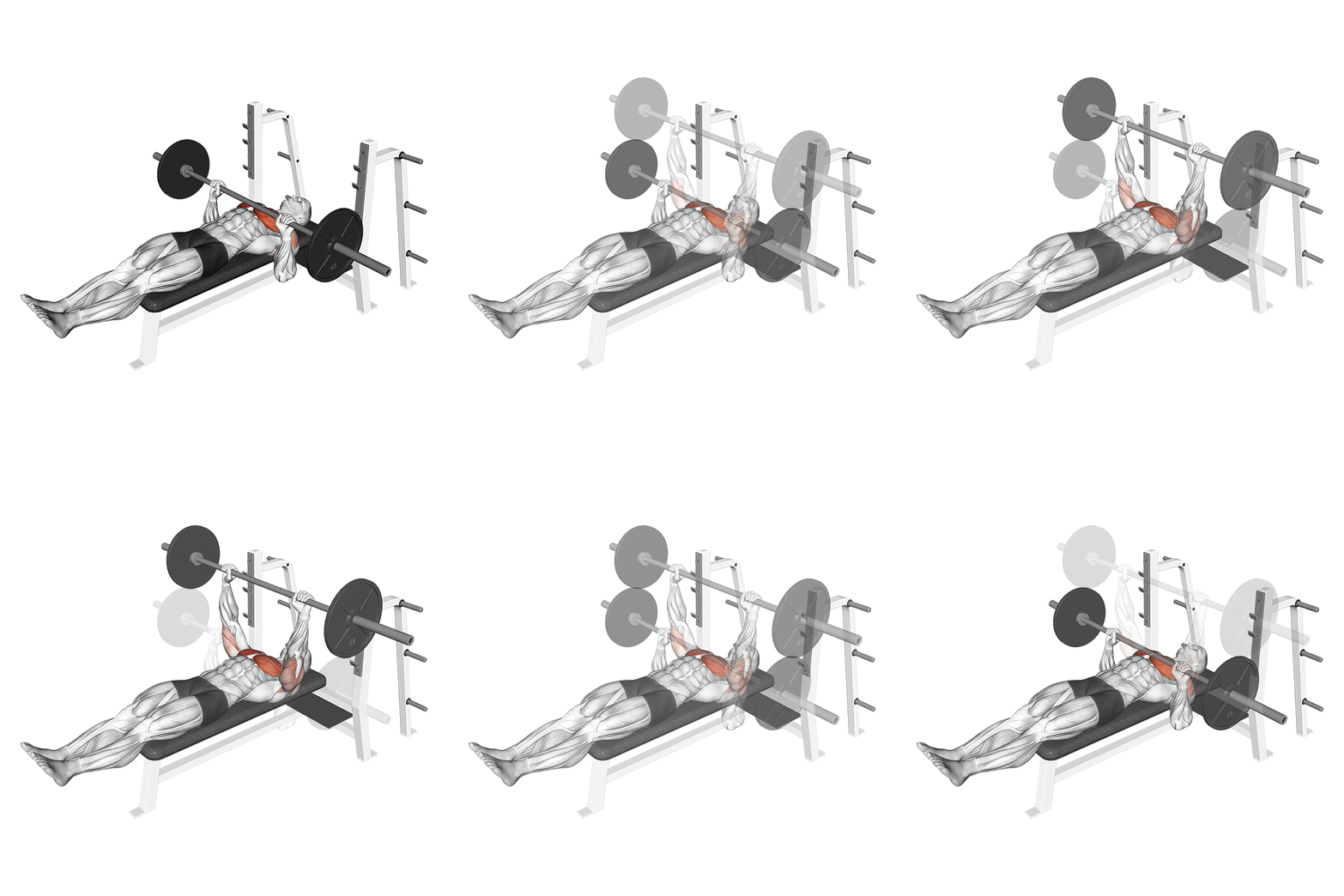
Paused bench press
A long two or three second pause on the chest trains the same dead-start quality with a familiar setup and a gentler learning curve. The chest supports the bar instead of pins.
Harder
Heavy pin press singles
Load near your pin press max and perform single reps, fully resetting your setup between each. Every attempt becomes a fresh test of pure starting strength, with zero accumulated rhythm to lean on.
Alternative
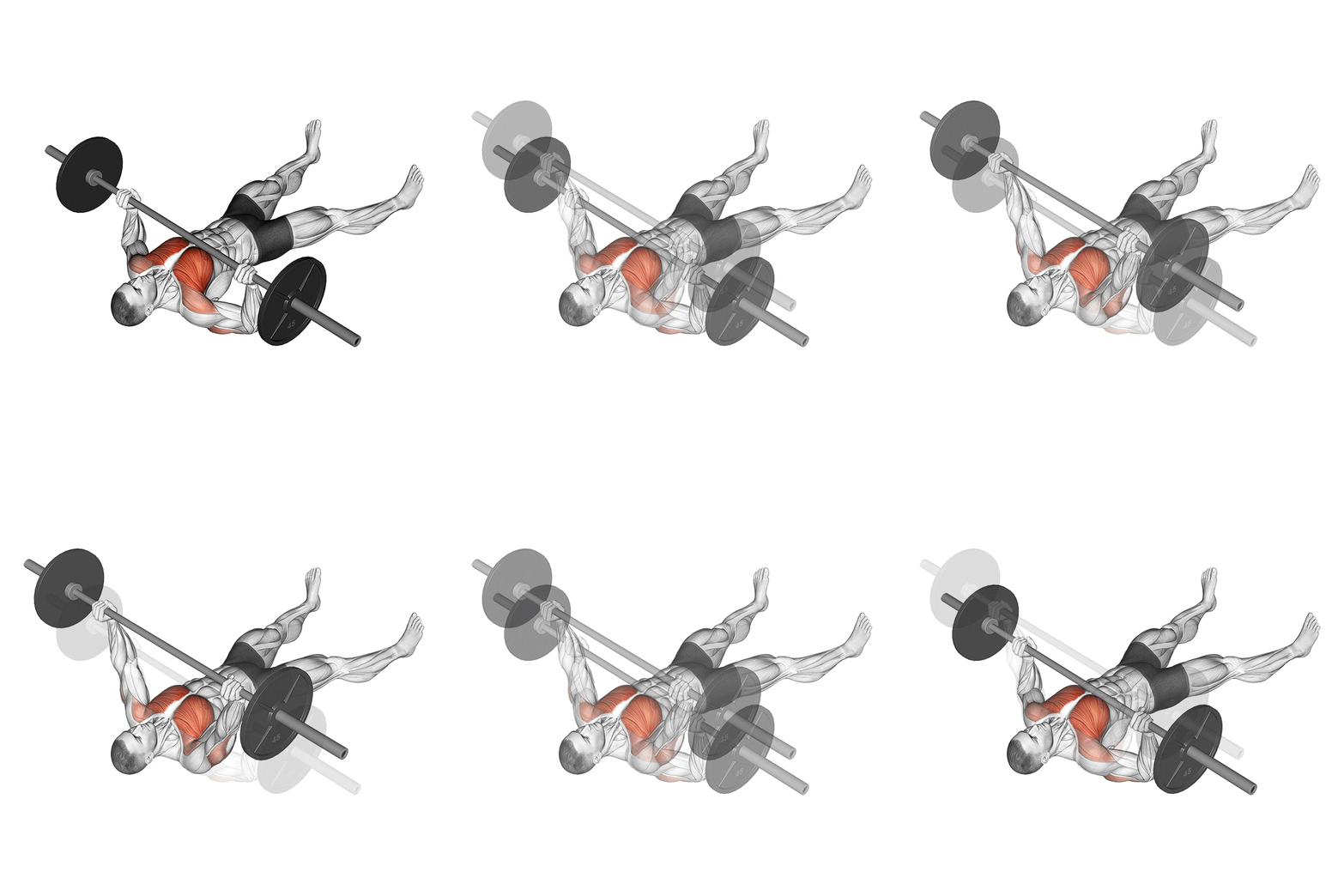
Barbell floor press
No rack with pins? The floor press shortens the range and removes leg drive; pause with the triceps resting on the floor each rep and you get a comparable dead-stop stimulus for chest and triceps.
How to program it
Three protocols by goal. Pick one per cycle and aim for progression on load or distance.
| Goal | Sets × distance | Load | Rest |
|---|---|---|---|
| Max strength | 5 × 3 | 80-85% of pin press max | 3 min |
| Sticking-point block | 4 × 2-3 | Heavy, RPE 8-9 | 3 min |
| Starting strength | 6 × 2, explosive intent | 60-70% of bench max | 2 min |
Pin Bench Press FAQ
How high should the pins be for a pin bench press?
Match them to your weakness. Film a heavy bench attempt and note where the bar slows down: that height is where the pins go. If you have no clear sticking point, start with the bar two to five centimetres above your chest, which trains the hardest part of the lift for most pressers. Keep the exact hole number constant for the whole block.
Why is my pin press so much weaker than my bench press?
Because a normal rep is secretly assisted. The descent stores elastic energy in your muscles and tendons, and the stretch reflex returns it at the turnaround; a dead stop throws all of that away. A clear gap at chest height is normal and not a weakness to fix, it is exactly the quality the exercise exists to train.
Will pin presses improve my regular bench press?
Used correctly, yes. It overloads the exact height where you fail, builds the ability to produce force with no elastic help, and teaches you to stay tight while a heavy bar sits still. Run it as an accessory once a week for a 3 to 6 week block alongside your normal benching, not as a permanent replacement for it.
Pin press or floor press?
Both remove the stretch reflex, but differently. The pin press lets you choose any height, gives a true dead stop on steel and keeps your normal bench arch and leg drive. The floor press fixes the range where your triceps meet the floor and removes leg drive entirely, which biases triceps and lockout. Pick the pin press to target a specific sticking point, the floor press when no rack is free.