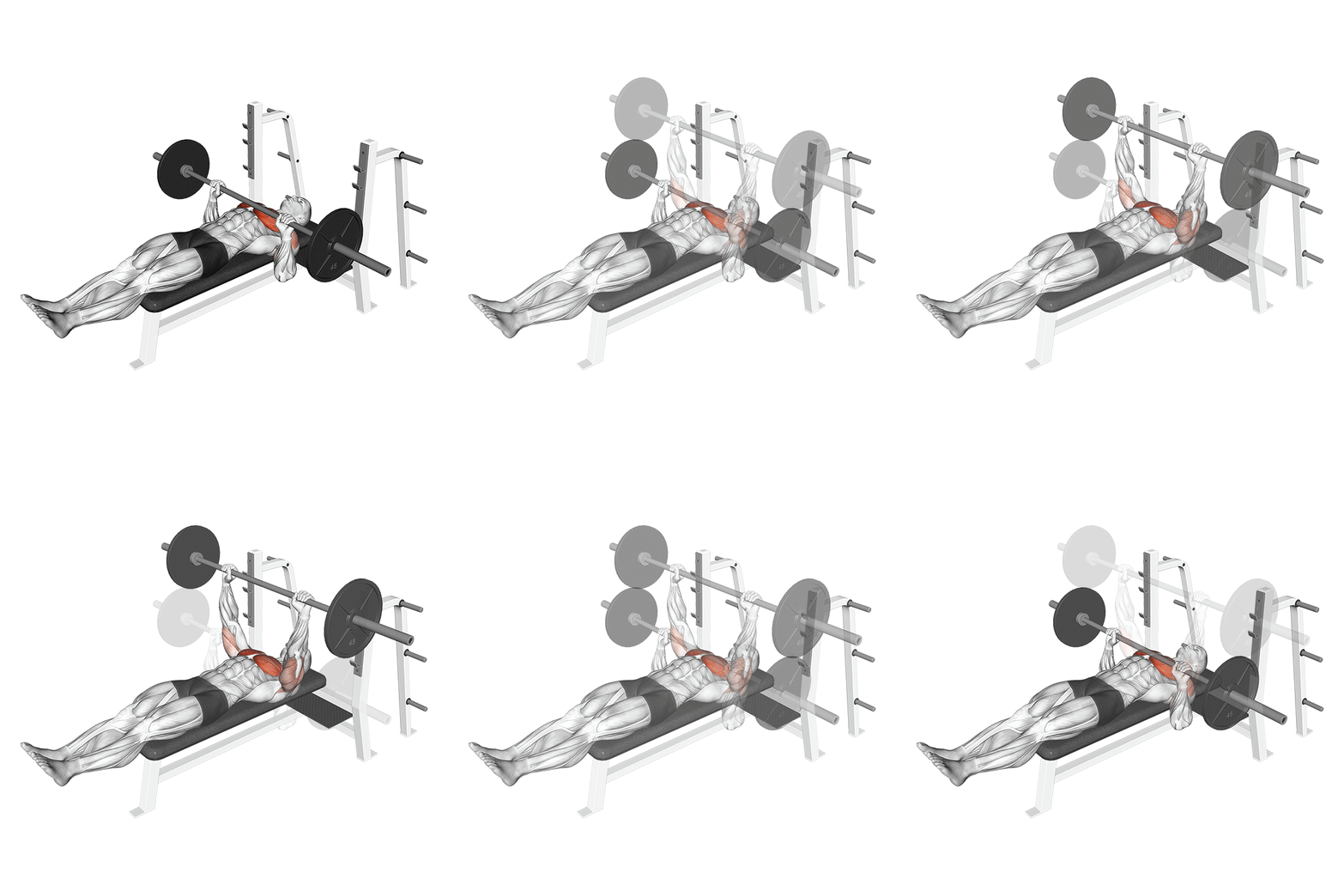
What is the larsen press?
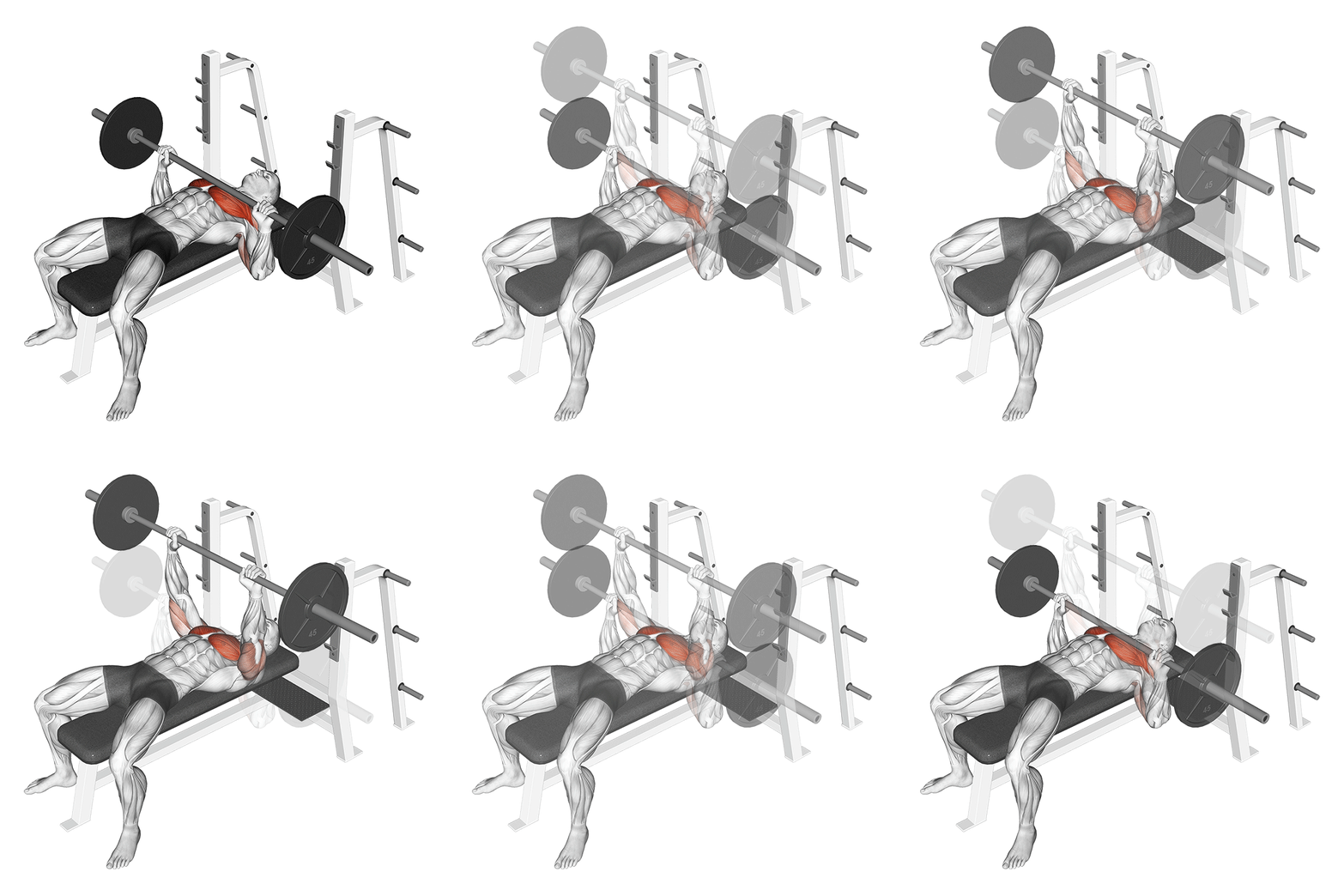
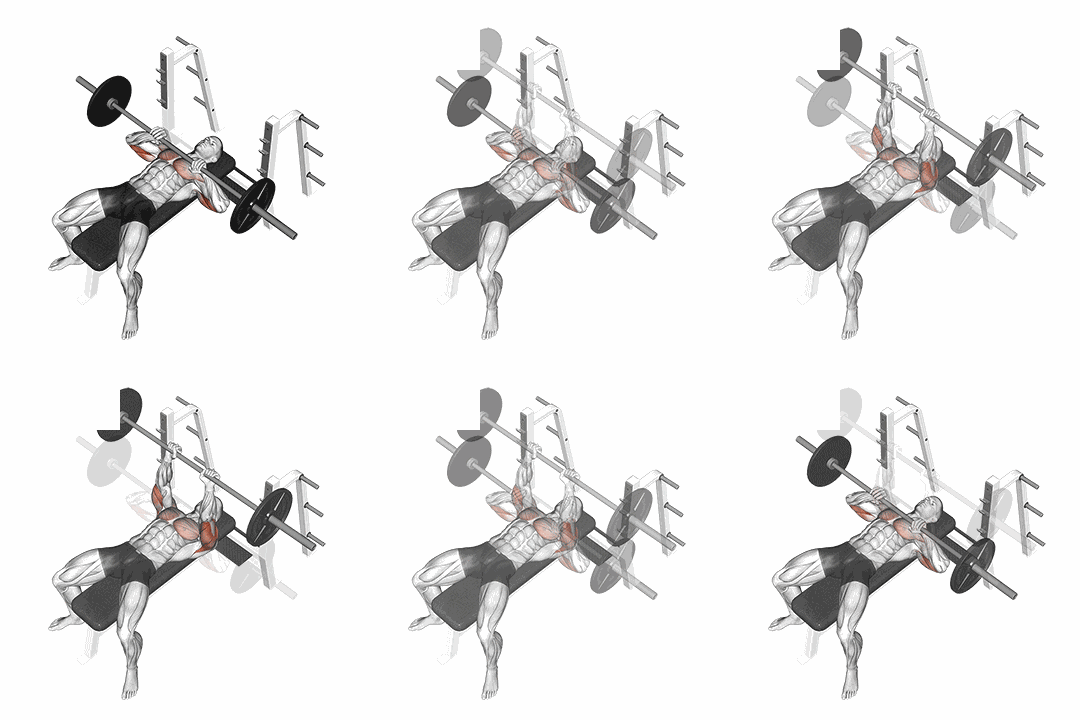
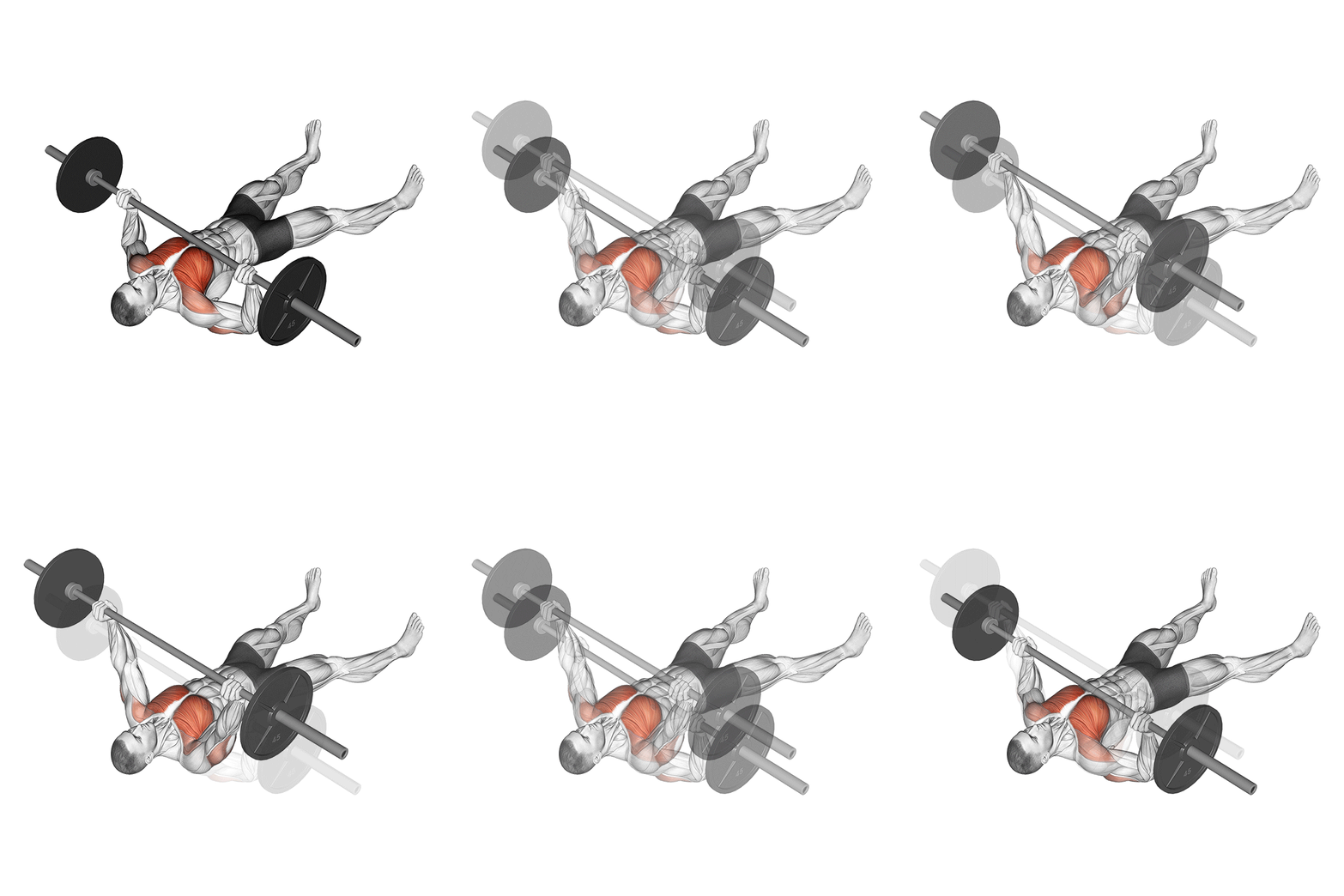
The Larsen press is a bench press performed with your legs extended straight in front of you and your feet hovering off the floor. Removing foot pressure deletes leg drive and most of the arch, so your pecs, delts and triceps press the bar without help, and your upper back has to hold its position on its own. Expect to handle roughly 10-15 percent less than your regular bench. It's a staple accessory for powerlifters whose leg drive papers over a weak press, and for anyone who lifts their hips or loses tightness on the bench.
How to do the larsen press
- 1
Set your upper back first
Set up like a normal bench press with feet still on the floor: grip just outside shoulder width, shoulder blades pulled back and down, slight upper-back tension.
- 2
Extend your legs
Once your back is set, straighten both legs out along the line of the bench, heels hovering a few centimetres off the floor. Squeeze quads and glutes, point your toes.
- 3
Lower slower than usual
Unrack, take a big breath, and lower the bar to your lower chest over two to three seconds, elbows tucked around 45 degrees. Without a leg base, a fast descent knocks you out of position.
- 4
Press without a wobble
Touch lightly and drive the bar up and slightly back over your shoulders. If your legs swing or your hips twist, the rep is showing you exactly where your tightness leaks.
Pro tip
Squeeze your legs together and lock your quads as if someone were about to pull your ankles. That whole-leg tension is the closest thing to leg drive you're allowed, and it stops the side-to-side wobble that kills heavy reps.
Common mistakes
Loading your full bench weight.
Without leg drive, most lifters lose 10-15 percent immediately. Start around 70 percent of your bench 1RM and earn your way up; grinding ugly reps defeats the purpose.
Letting the legs sag or swing.
Dead legs act like a pendulum and rock your torso on every rep. Keep the quads locked, toes pointed, heels glued together just above the floor.
Losing the shoulder blades mid-set.
With no foot pressure anchoring you, the scapulae slide forward rep after rep. Re-squeeze them between reps, and end the set the moment you can't hold them down.
Bouncing the bar.
The bounce is the only cheat left in a Larsen press, and it's also how you lose your spot on the bench. Touch and press; if you need the rebound, the bar is too heavy.
Variations and progressions
Easier
Feet-up bench press
Resting your feet flat on the end of the bench removes leg drive but gives you back some balance. A good stepping stone before going full hover.
Harder
Paused Larsen press
Add a strict two-second pause on the chest. No legs, no bounce, no stretch reflex: the purest test of pressing strength you can run on a bench.
Alternative
Spoto press
Pause the bar two to three centimetres above the chest instead of removing your legs. The same lesson in control, trained inside your normal bench setup.
How to program it
Three protocols by goal. Pick one per cycle and aim for progression on load or distance.
| Goal | Sets × distance | Load | Rest |
|---|---|---|---|
| Accessory strength | 4 × 5 | 70-75% of bench 1RM | 2-3 min |
| Hypertrophy | 3 × 8-10 | 60-65% of bench 1RM | 90-120 s |
| Control (paused) | 4 × 3, 2 s pause | 65-70% of bench 1RM | 2-3 min |
Larsen Press FAQ
How much weaker should my Larsen press be than my bench?
A 10-15 percent gap is normal. If you lose much more, your bench depends heavily on leg drive and arch, which is useful information: spend more accessory time pressing without them.
Does the Larsen press carry over to my competition bench?
Yes, as an accessory. Building pressing strength without the legs makes your full setup feel far more stable when you add them back. Program it in volume blocks, then return to competition-style benching as the meet approaches.
Should my heels hover or rest on the floor?
The strict version hovers. Letting straight legs rest lightly on their heels is an acceptable regression as long as you never push through them; the moment you drive, it's just a bad bench press.
Who is the Larsen press for?
Mostly for bench pressers whose lift falls apart once the legs and the arch are taken away: if the bar drifts or your shoulders roll forward the moment your feet leave the floor, the Larsen press exposes it and trains it. It also suits lifters whose lower back dislikes a big arch, since the position keeps the torso flatter, and anyone who wants a chest and triceps press that is hard to cheat.