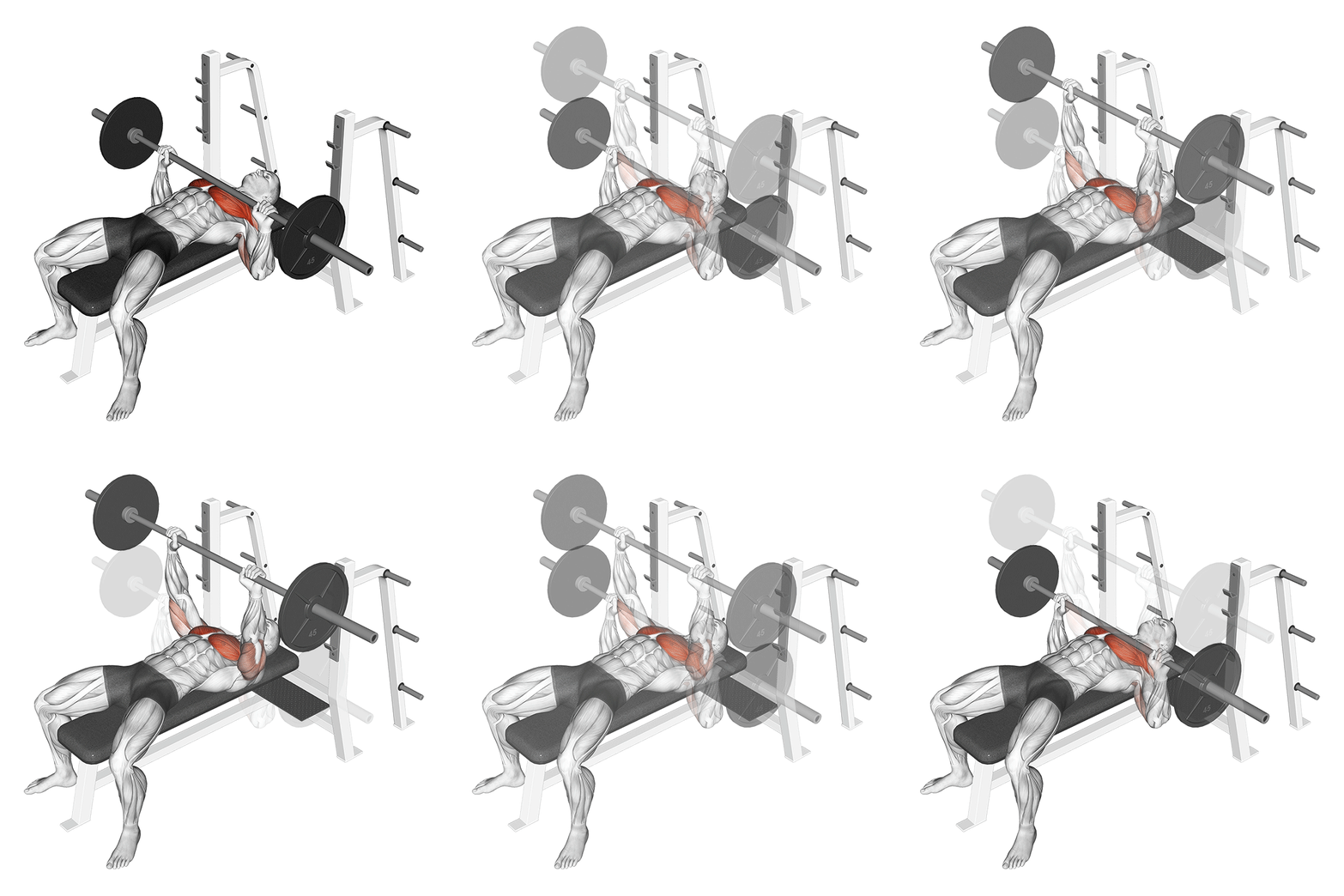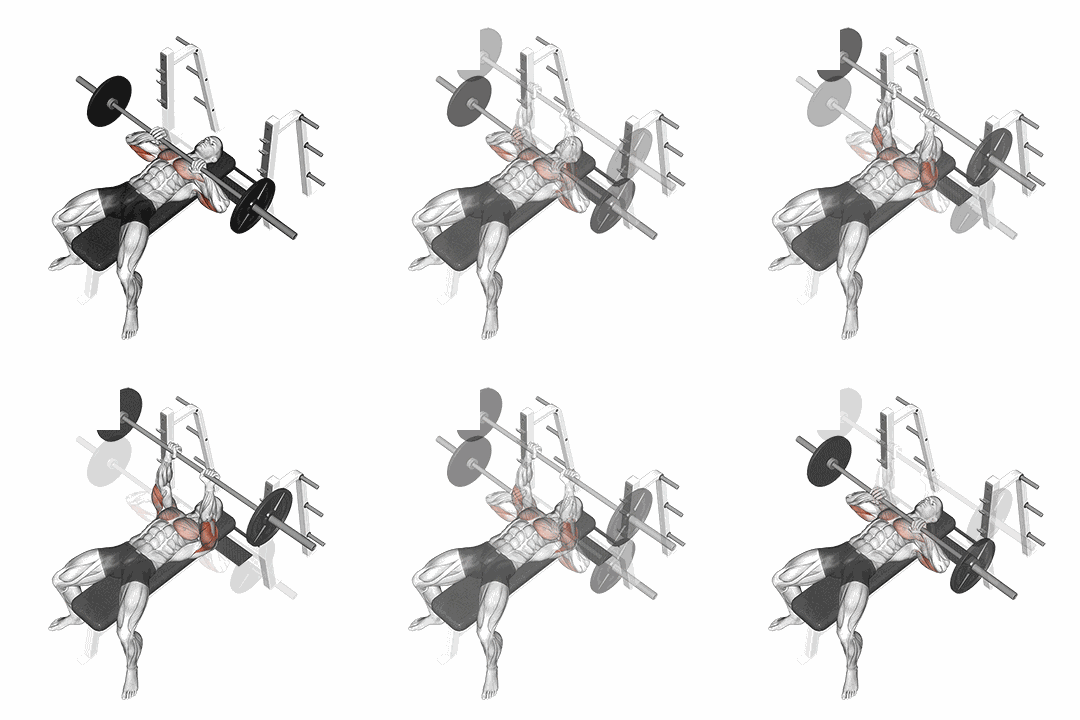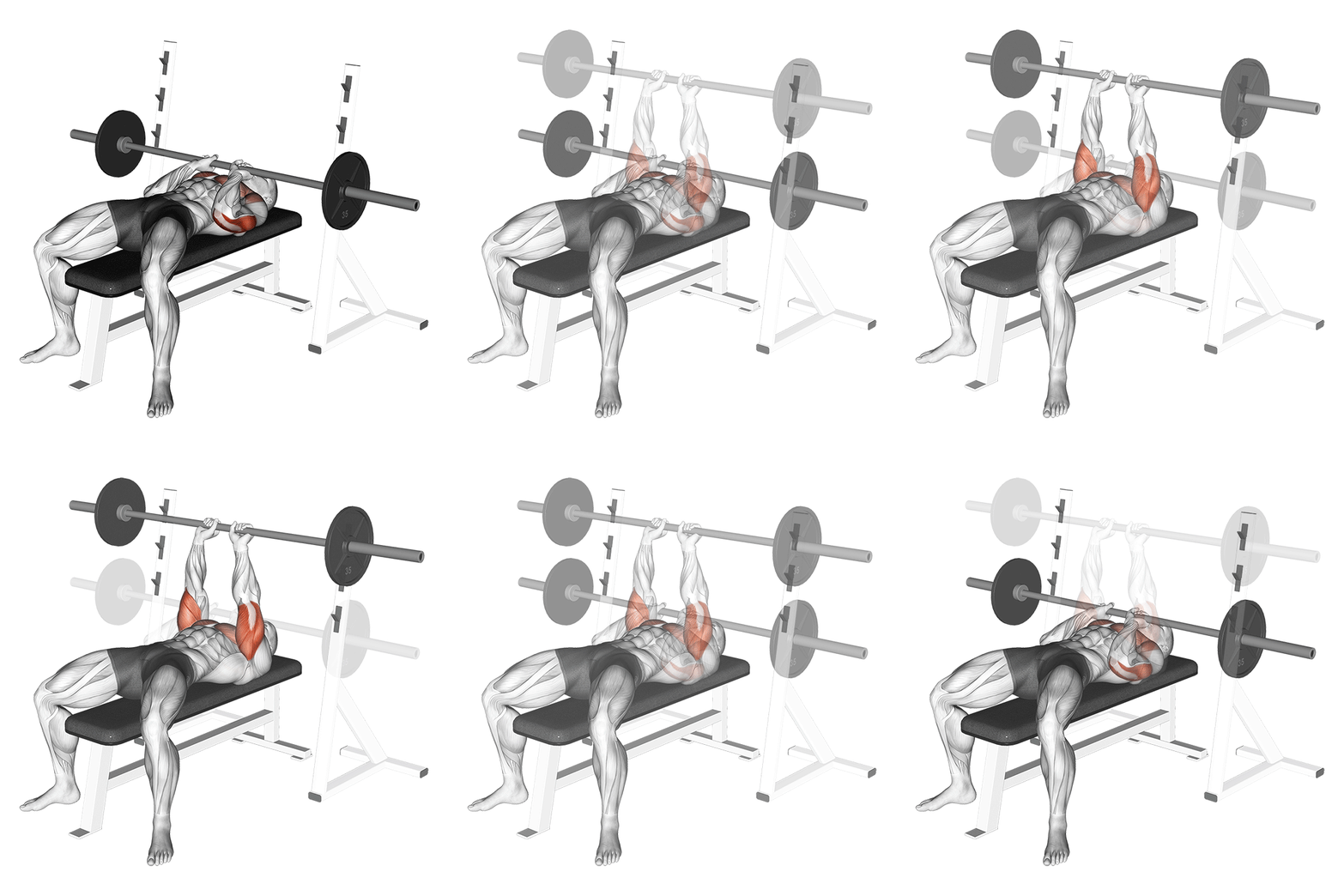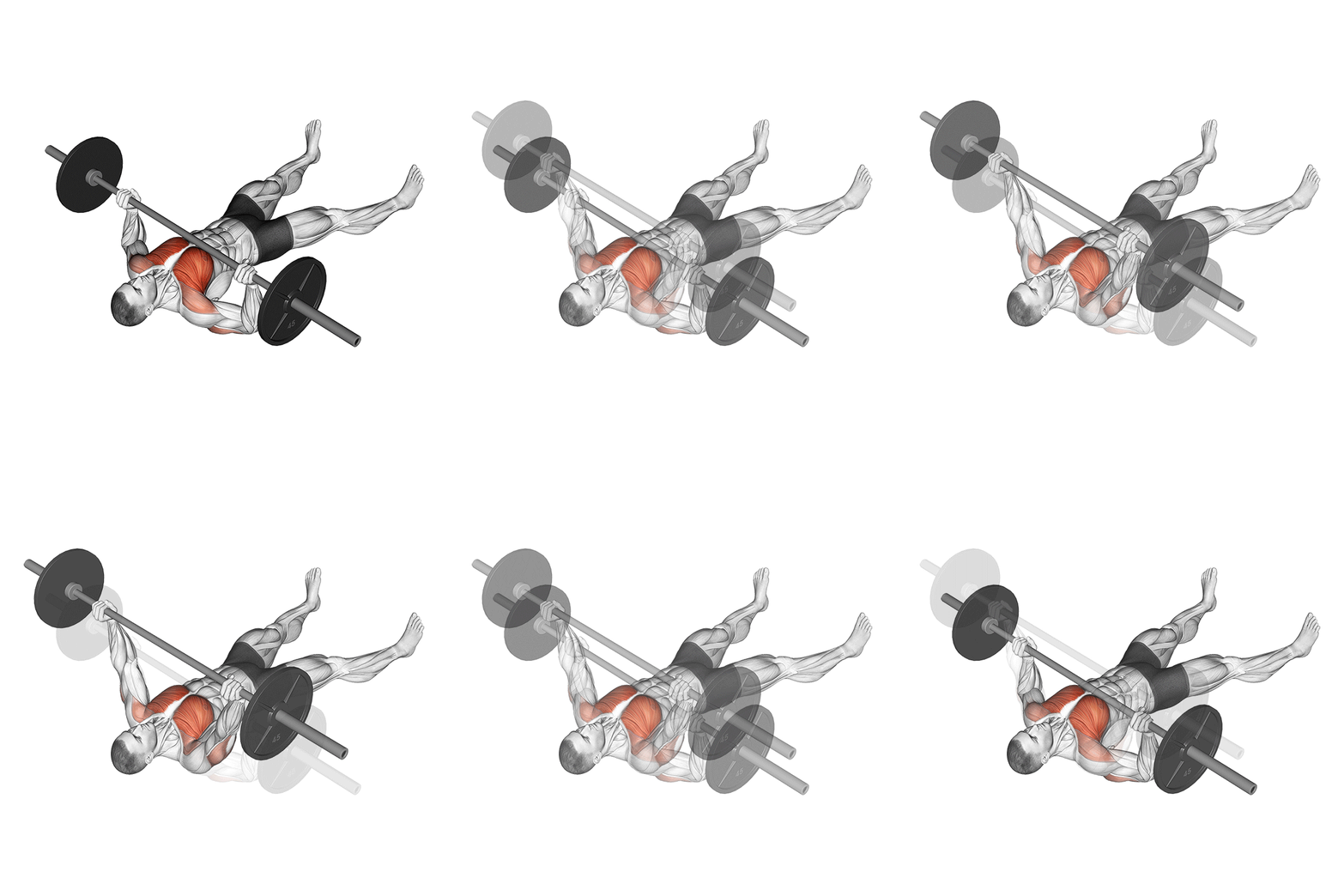
What is the barbell floor press?
The barbell floor press is a horizontal press performed lying on the floor inside a power rack, with the J-cups set low. Your upper arms touch down at the bottom, which cuts the range of motion, removes the stretch on the pecs and shoulders, and deletes leg drive. What's left is a dead-stop press dominated by triceps and lockout strength. It's the oldest barbell press (lifters maxed it decades before benches existed) and today it serves two crowds: powerlifters chasing a stronger bench lockout, and anyone whose shoulders hate full-range benching.
How to do the barbell floor press
- 1
Set up low in the rack
Set the J-cups so you can unrack with a slight elbow bend while lying down. Eyes under the bar, shoulder blades pinched, legs straight or feet flat, glutes down.
- 2
Unrack and own the bar
Grip a thumb-length narrower than your bench grip. Unrack to a locked position over your shoulders and squeeze the bar hard before the first rep.
- 3
Lower until your triceps land
Tuck the elbows to about 45° and lower under control until the back of your upper arms rests on the floor. The bar hovers, your forearms stay vertical, nothing collapses.
- 4
Pause dead, then punch up
Stay tight for a full second, then press hard to lockout, exhaling through the sticking point. No bounce off the floor, ever.
Pro tip
The floor is your depth gauge, not your trampoline. Every centimetre of control on the way down is force you can reuse on the way up; every bounce is a rep that taught your triceps nothing.
Common mistakes
Slamming the elbows down.
Dropping into the floor hurts and skips the hardest part of the rep. Lower like the floor is made of glass.
Relaxing at the dead stop.
The pause is isometric work, not a nap. Keep the lats, grip and core switched on or the press out of the hole will be ugly.
Bridging the hips.
Driving your hips up sneaks leg drive back in and shortens the press even more. Glutes stay glued to the floor.
Copying your bench grip.
A wide grip barely leaves any range and jams the shoulders at floor contact. Come in slightly narrower so your forearms stay vertical at the bottom.
Variations and progressions
Easier
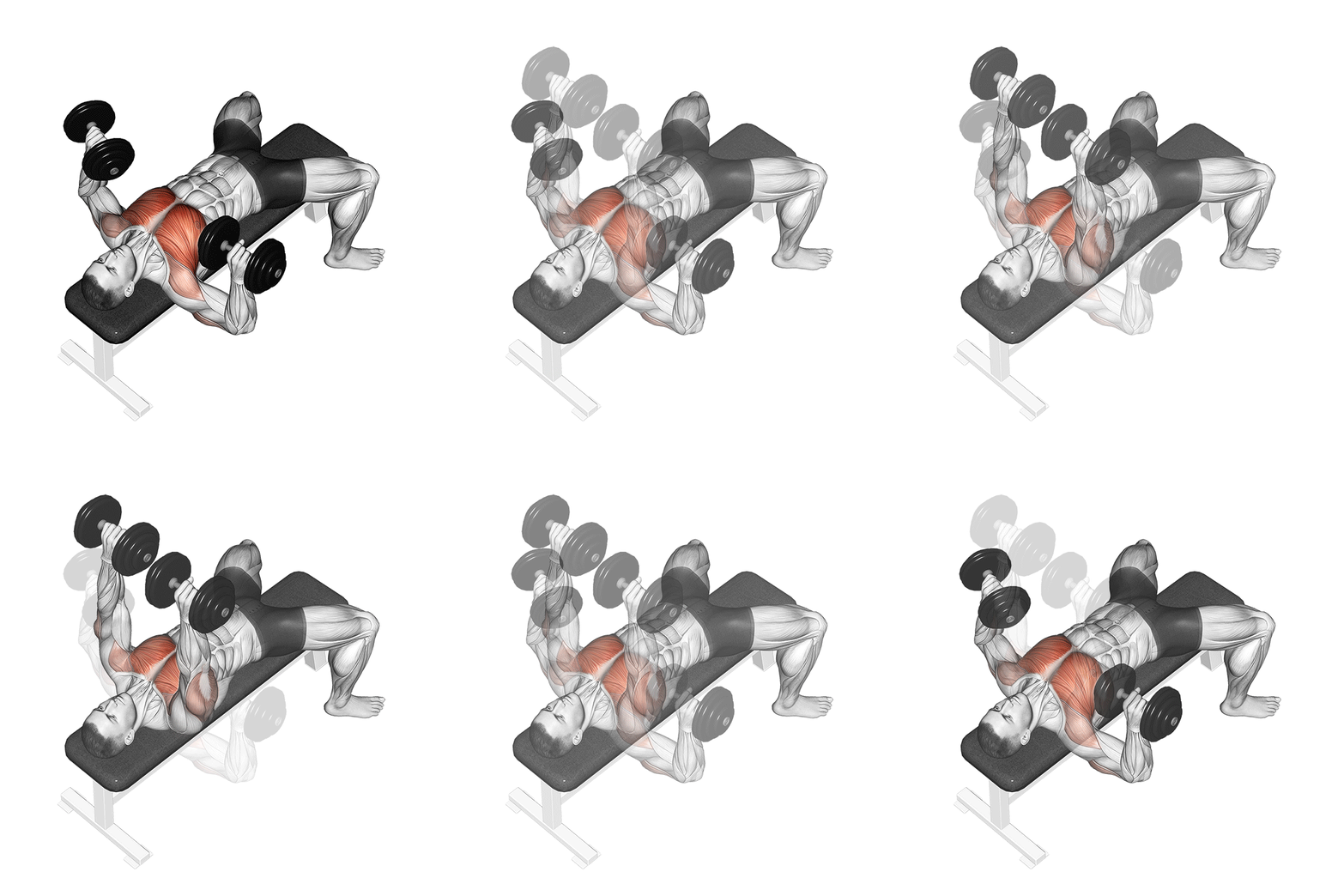
Dumbbell floor press
Kick the dumbbells up from your knees: no rack needed, a neutral grip that spares the wrists, and each arm has to pull its own weight.
Harder
Floor press with chains or bands
Accommodating resistance makes the lockout the heaviest point, exactly where the floor press already lives. A Westside staple for a reason.
No barbell?
Paused push-up
Tuck the elbows, pause 1-2 s at the bottom, then press. Same dead-stop triceps emphasis, zero equipment.
How to program it
Three protocols by goal. Pick one per cycle and aim for progression on load or distance.
| Goal | Sets × distance | Load | Rest |
|---|---|---|---|
| Lockout strength | 4 × 3-5 | 80-85% floor press 1RM | 3 min |
| Triceps mass | 4 × 8-10 | 65-75% 1RM | 90-120 s |
| Shoulder-friendly block | 3 × 6-8 | RPE 7, keep 3 reps in the tank | 2 min |
Barbell Floor Press FAQ
How much less than my bench should I floor press?
Most lifters floor press 90-95% of their bench. The dead stop and missing leg drive cost you some, but the shorter range gives much of it back. A bigger gap than 10% usually points to weak triceps or a sloppy pause, which is useful information in itself.
Is the floor press actually good for sore shoulders?
Often, yes. The floor stops the humerus before the end-range stretch where many lifters feel pinching, so you keep pressing heavy while an irritated shoulder calms down. It's a workaround, not a cure: if benching hurts every session, fix the cause (technique, volume, upper-back work) instead of hiding on the floor forever.
Legs straight or knees bent?
Both are legitimate. Straight legs make it the strictest press you can do: zero leg drive, all upper body. Bent knees with flat feet feel more stable for most people, as long as the glutes stay down. Pick one, keep it consistent, and don't let the bent-knee version morph into a bridge press.