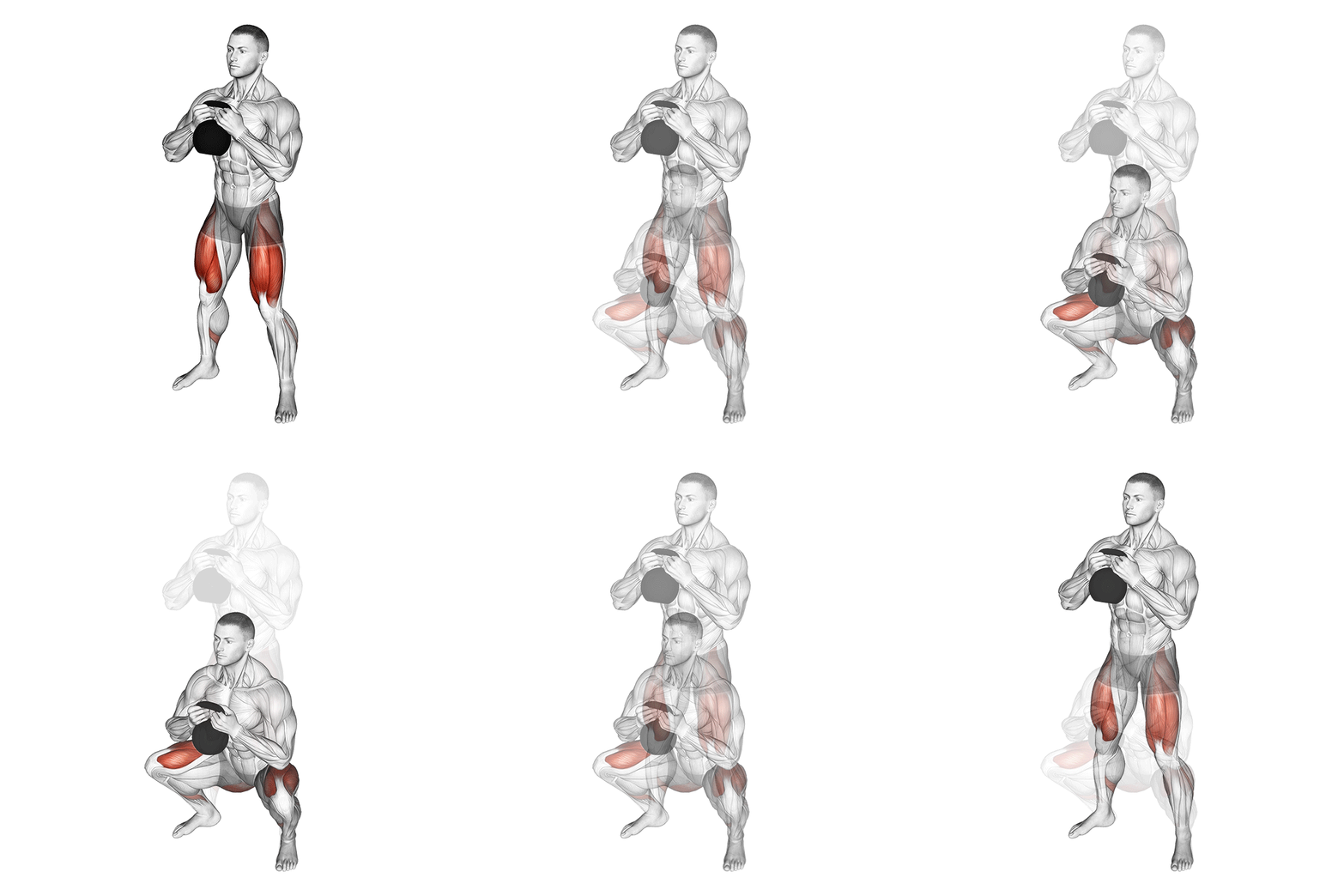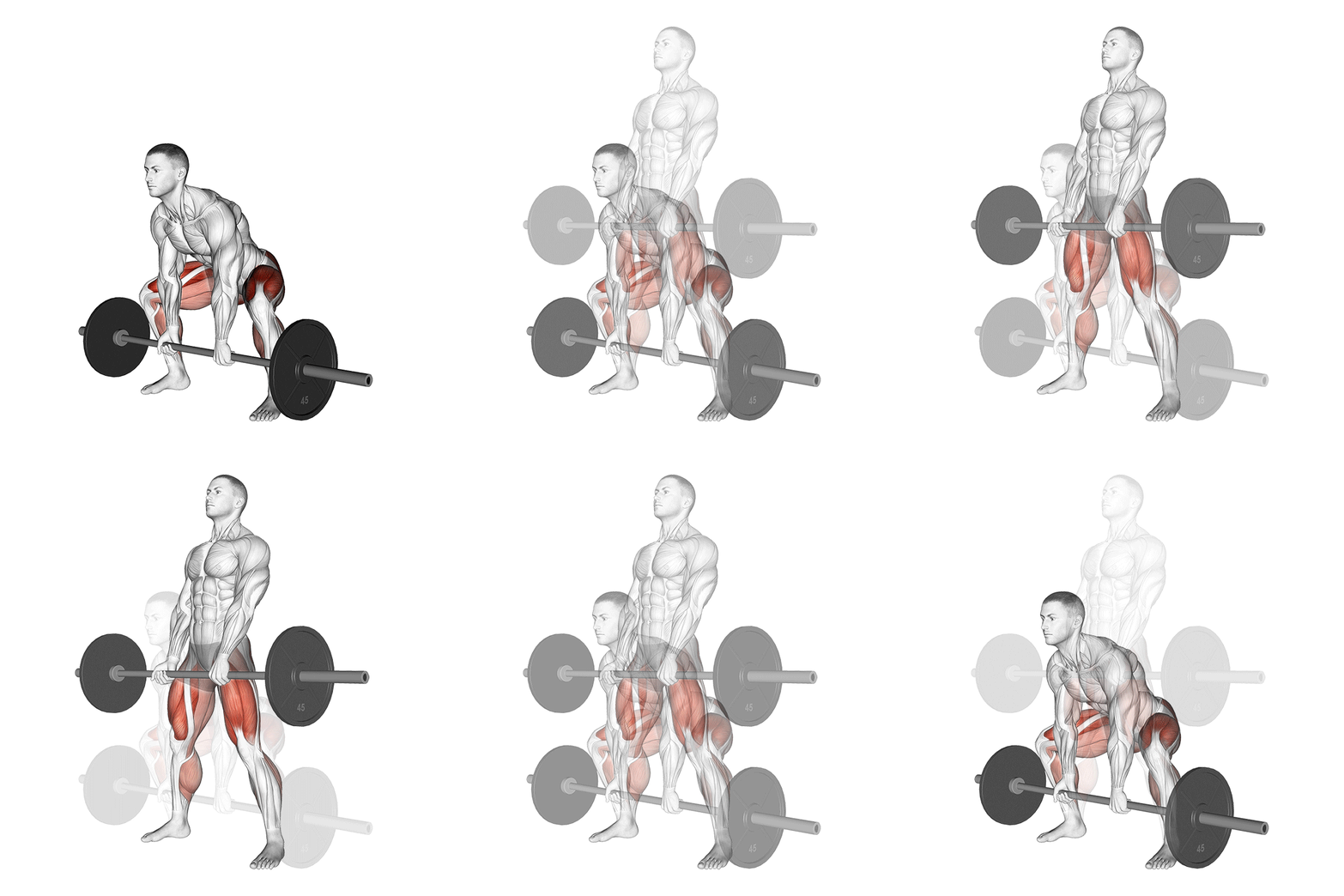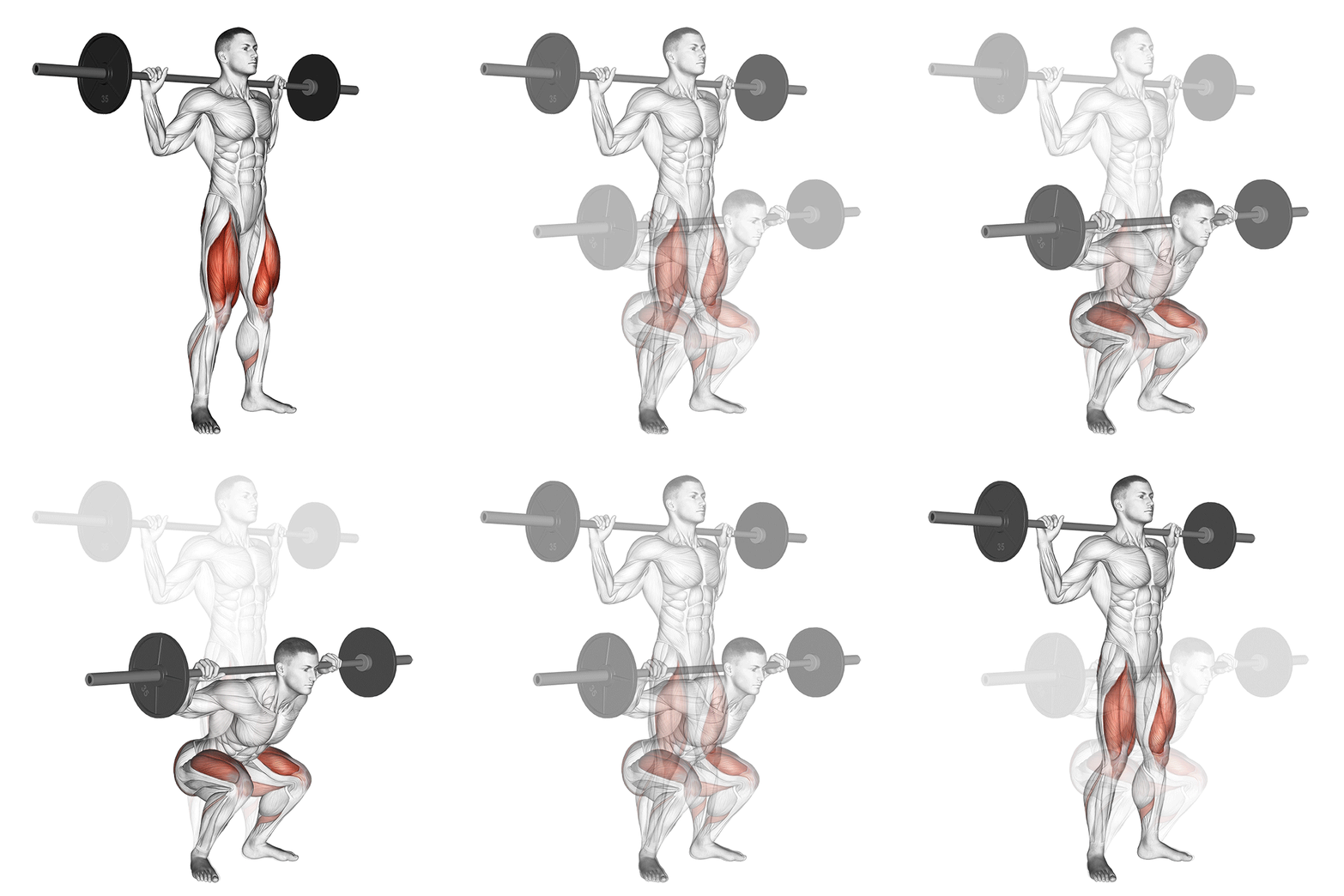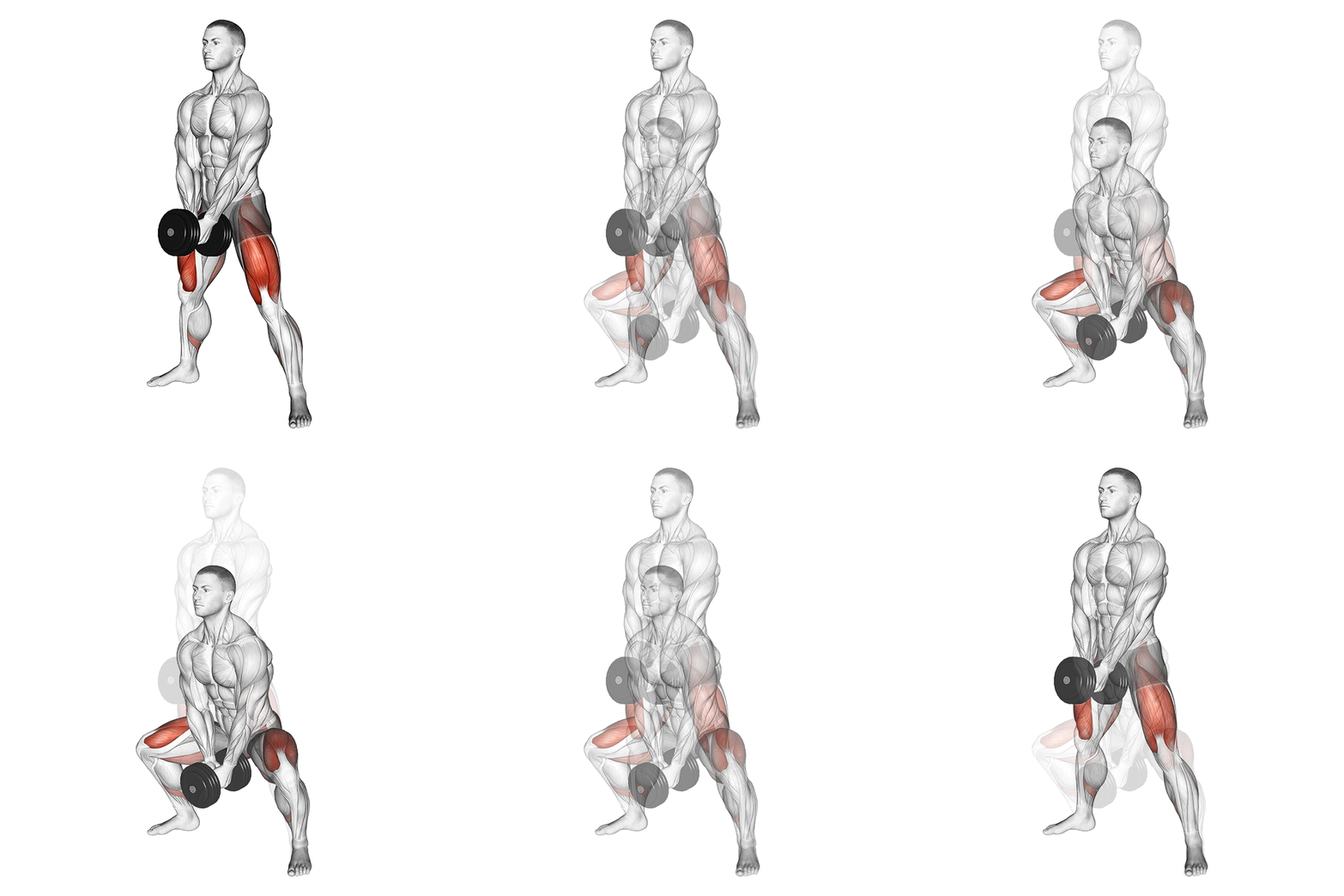
What is the dumbbell sumo squat?
The dumbbell sumo squat is a wide-stance squat performed holding a single dumbbell vertically between your legs. With feet around one and a half times shoulder width and toes turned out 30-45°, you sit straight down between your heels and drive back up. The wide, turned-out stance shifts the work toward the glutes and adductors, while the counterweight hanging in front lets you stay upright and reach real depth. It trains the quads, glutes and inner thighs, spares the lower back, and is one of the easiest squat variations to learn, which makes it a staple for beginners and a smart accessory for everyone else.
How to do the dumbbell sumo squat
- 1
Build the wide stance
Feet about 1.5 times shoulder width, toes turned out 30-45°. Your knees will track in the same direction as your toes on every rep.
- 2
Hang the dumbbell
Hold one dumbbell vertically by the top plate, arms long, hanging between your legs. Chest tall, shoulders back: the weight pulls down, you stay proud.
- 3
Sit straight down
Bend knees and hips together and drop between your heels, not behind them. Go until your thighs hit parallel or the dumbbell nears the floor, torso upright throughout.
- 4
Spread the floor and stand
Drive through mid-foot, push the floor apart with your feet and squeeze your glutes at the top. No hip thrust forward, just stand tall.
Pro tip
Film yourself from the front once. If your knees drift inward even slightly on the way up, lighten the load and push them out over your toes: that single fix is the difference between a glute exercise and a knee complaint.
Common mistakes
Knees caving in.
Valgus knees unload the glutes and adductors and stress the joint. Push them out over the toes from the first centimetre of the descent.
Hips shooting back.
If your hips travel back instead of down, the movement becomes a wide-stance good morning. Sit between your heels and keep the chest up.
Wide feet, forward toes.
A wide stance with toes pointing straight ahead twists the knees. Open your toes 30-45° so knees and feet track the same line.
Stopping at half depth.
The wide stance exists precisely to let you squat deep with an upright torso. Shallow reps waste the exercise's main advantage: hit parallel at minimum.
Variations and progressions
Easier
Bodyweight sumo squat
Same stance, no load, hands on hips or out in front. Perfect for grooving the knees-out, torso-up pattern before adding a dumbbell.
Harder
Deficit sumo squat
Stand on two low boxes or bumper plates so the dumbbell can travel below your feet. Extra range, extra adductor stretch, brutally honest depth.
No dumbbell?
Kettlebell sumo squat or goblet squat
A kettlebell held by the horns works identically. For a narrower stance that shifts work toward the quads, rack the weight at your chest goblet-style.
How to program it
Three protocols by goal. Pick one per cycle and aim for progression on load or distance.
| Goal | Sets × distance | Load | Rest |
|---|---|---|---|
| Strength | 5 × 6-8 | Heavy dumbbell, RPE 8-9 | 2 min |
| Hypertrophy | 4 × 10-12 | Moderate, RPE 8 | 90 s |
| Endurance | 3 × 15-20 | Light to moderate | 60 s |
Dumbbell Sumo Squat FAQ
What does the sumo stance change compared to a regular squat?
Three things. The wide, turned-out feet recruit the adductors and glutes harder, the torso stays more vertical so the lower back works less, and depth comes easier for lifters with long femurs or stiff ankles. The trade-off is less quad stretch, so treat it as a complement to regular squats, not a replacement.
Does the sumo squat really work the inner thighs?
Yes, more than almost any other squat variation. The turned-out stance puts the adductors in a lengthened position at the bottom, and they contribute heavily to hip extension on the way up. If your inner thighs are sore the day after your first session, that is exactly the muscle group that was supposed to get the message.
The heaviest dumbbell in my gym feels light. Now what?
Before abandoning the movement, make it harder: a 3 s descent, a 2 s pause at the bottom, a deficit on plates, or 1.5 reps. When all of those feel easy for sets of 12, graduate to a barbell sumo squat or a sumo deadlift, which load the same pattern far beyond what a dumbbell allows.