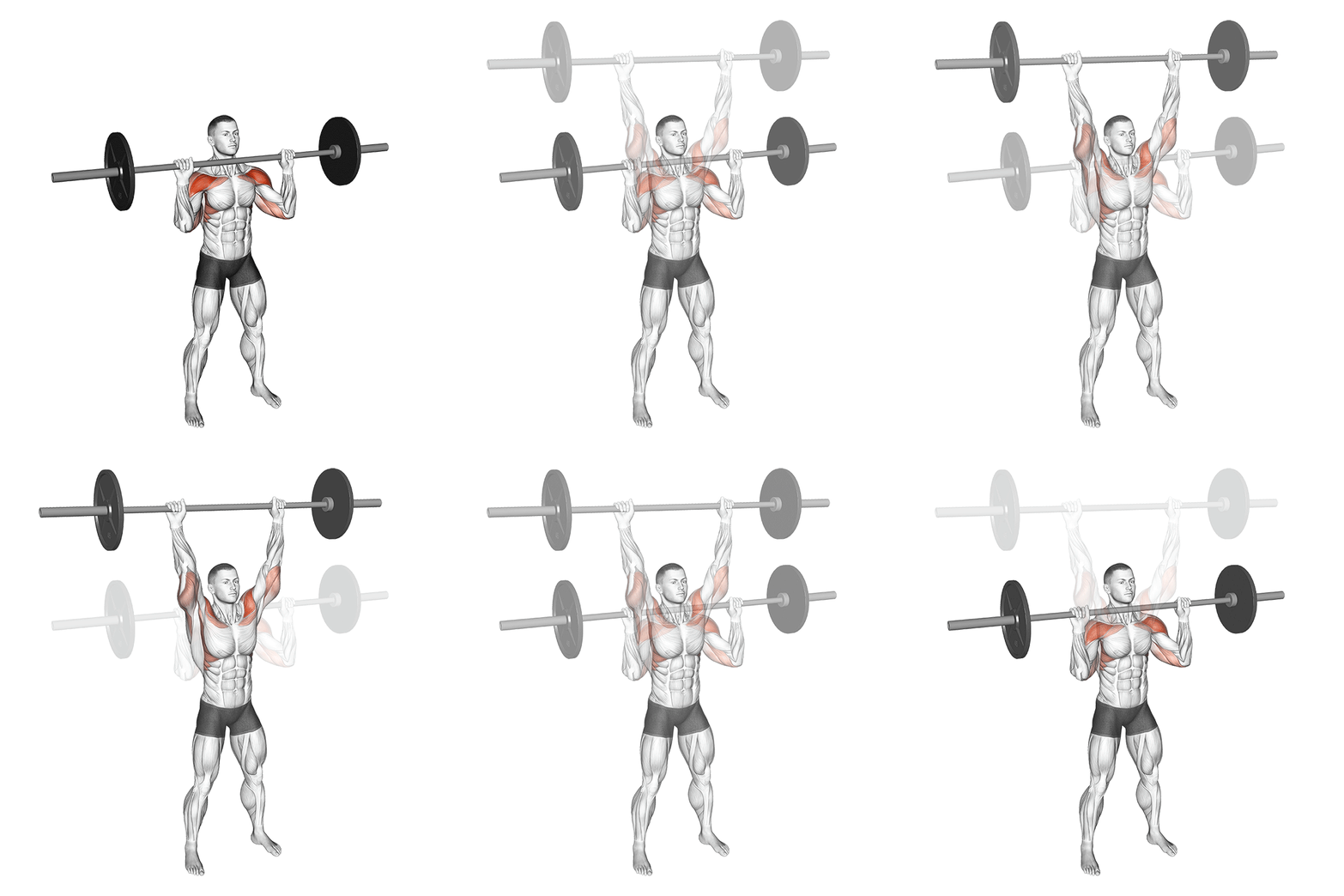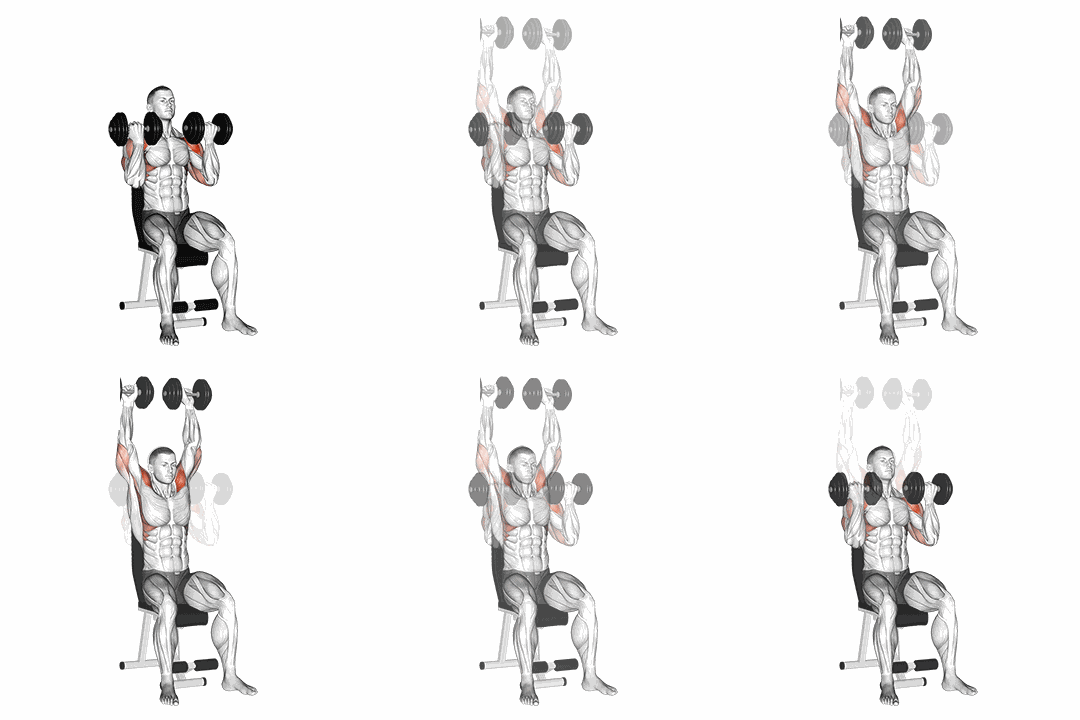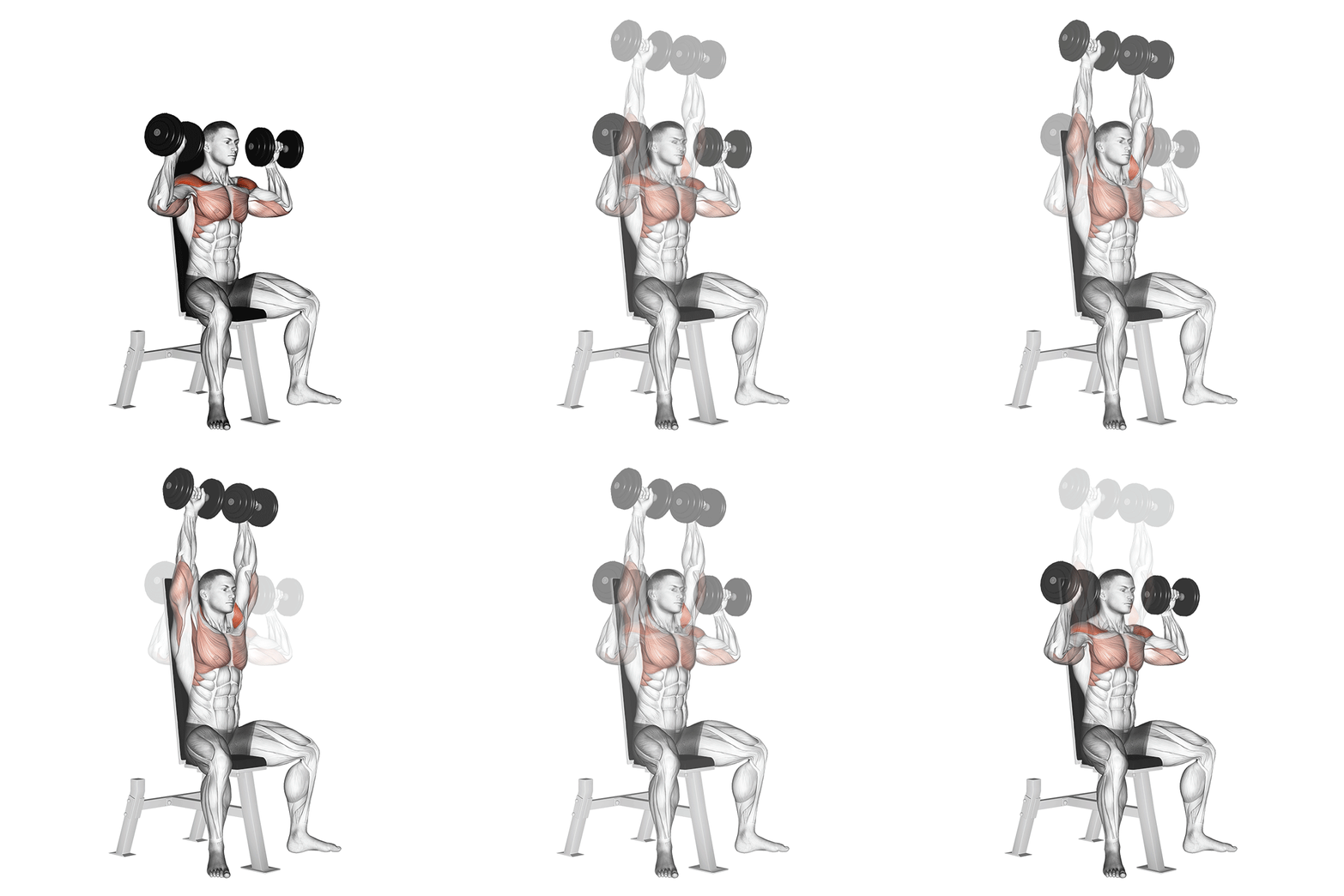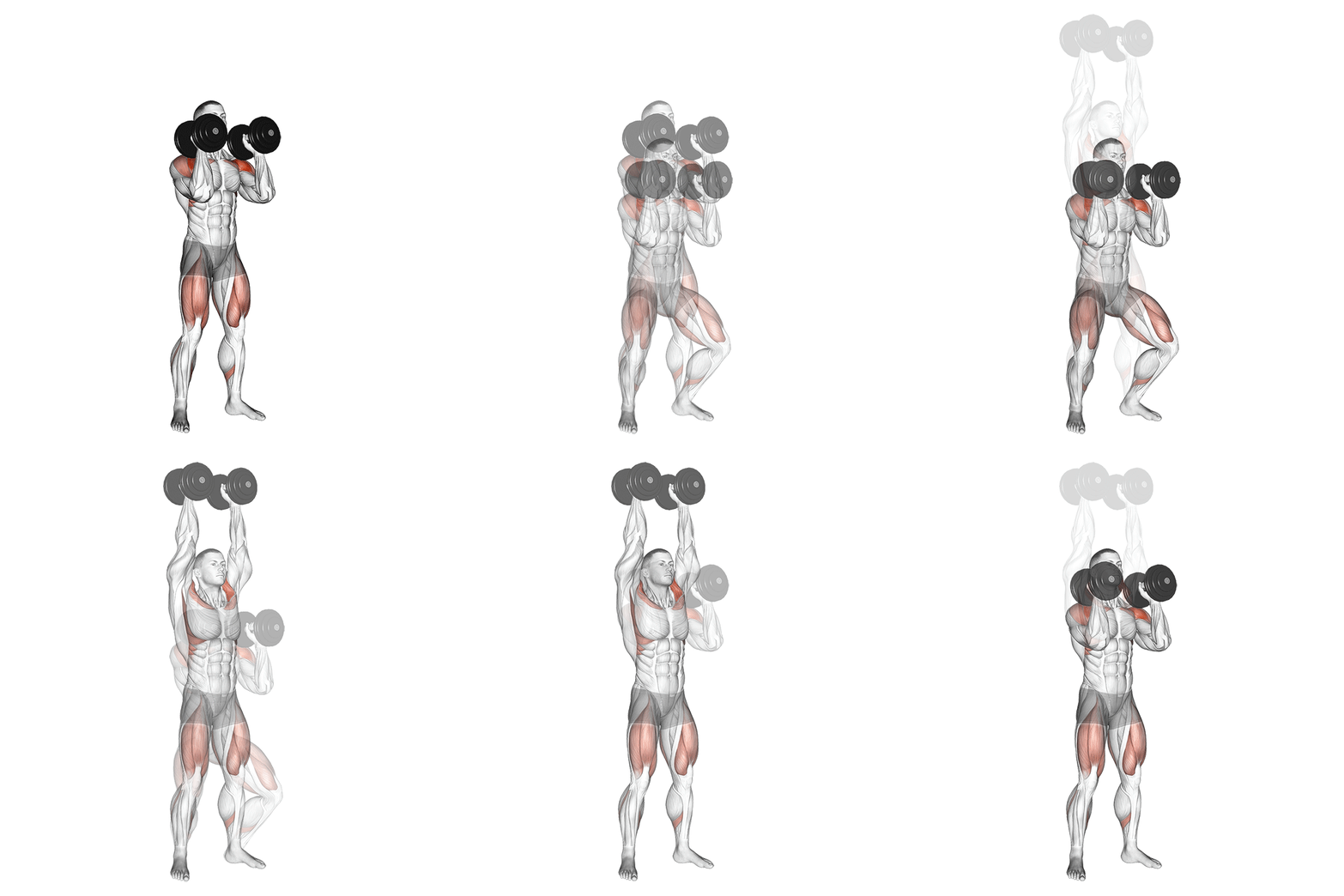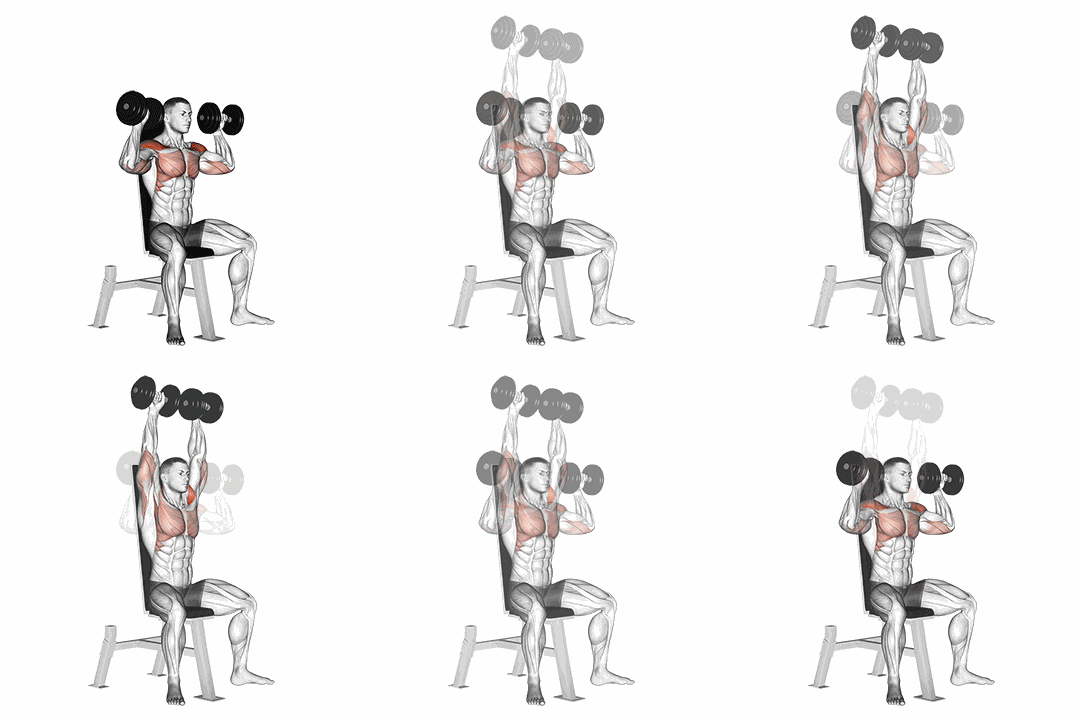
What is the dumbbell overhead press?
The dumbbell overhead press is a vertical press performed standing or seated, one dumbbell in each hand at shoulder height, pressed to full lockout overhead. Because each arm moves independently along its natural path, it is kinder to cranky shoulders than a fixed barbell, and it exposes any strength gap between sides immediately. It hammers the anterior and lateral delts, with the triceps finishing the lockout and the traps and core stabilising everything. It belongs in every program, from a beginner's first shoulder session to a Hyrox athlete building the pressing base for wall balls and sandbag work.
How to do the dumbbell overhead press
- 1
Clean the dumbbells to your shoulders
Standing or seated, a dumbbell in each hand, kick them up one at a time to shoulder height. Palms forward or slightly turned in, elbows under the weights, wrists stacked.
- 2
Build your pillar
Feet hip-width, glutes squeezed, ribs pulled down, abs braced. Your torso is the bench here: if it bends, the press leaks power.
- 3
Press up and slightly in
Drive both dumbbells overhead until the elbows lock out and your biceps finish close to your ears. Push your head gently through the window at the top.
- 4
Lower under control
Take 2-3 s to bring the dumbbells back to your shoulders without letting the elbows drift behind you. Touch, re-brace, press again.
Pro tip
Squeeze your glutes like you are crushing a coin between them. A locked pelvis kills the rib flare that quietly turns your shoulder press into a bad standing incline press.
Common mistakes
Pressing with a backbend.
Leaning back shifts the load to the upper chest and crushes the lower back. Glutes tight, ribs down, press vertical.
Stopping short of lockout.
Half reps rob the triceps and the overhead stability work. Finish every rep with elbows locked and biceps by the ears.
Elbows flared dead sideways.
Pressing in a pure side plane grinds the shoulder joint. Keep the elbows slightly in front of the body, in the scapular plane.
Using leg drive on every rep.
A knee bounce turns it into a push press. If you need momentum to finish your sets, the dumbbells are too heavy.
Variations and progressions
Easier
Seated dumbbell shoulder press
The backrest removes the balance demand so you can focus purely on pressing. The right starting point if the standing version feels wobbly.
Harder
Dumbbell Z press
Sit on the floor, legs straight, and press. Zero leg drive, zero lean: the most honest overhead press there is.
No dumbbells?
Pike push-up or landmine press
Pike push-ups load the shoulders with bodyweight only; the landmine press offers a friendly diagonal path if overhead range is limited.
How to program it
Three protocols by goal. Pick one per cycle and aim for progression on load or distance.
| Goal | Sets × distance | Load | Rest |
|---|---|---|---|
| Strength | 5 × 5 | Heavy, RPE 8-9 | 2-3 min |
| Hypertrophy | 4 × 8-12 | RPE 7-8 (2-3 reps in reserve) | 90 s |
| Shoulder endurance | 3 × 15-20 | Light, controlled | 60 s |
Dumbbell Overhead Press FAQ
Standing or seated: which is better?
Both earn their place. Standing builds the trunk and carries over to sport, carries, and anything overhead in real life. Seated lets you press 10-15% more and isolates the delts harder. Our default: press standing for your main strength work, sit down for hypertrophy back-off sets.
How heavy should my dumbbells be compared to my barbell press?
Expect the pair to total roughly 80-85% of your barbell overhead press, so a lifter pressing 60 kg handles around 2 × 24-25 kg. If your dumbbell numbers sit far below that, your stabilisers lag, and the dumbbell version is exactly what you should be doing more of.
Palms forward or neutral grip?
Both are valid. Palms forward is the classic, strongest position for most lifters; a neutral or slightly turned grip keeps the elbows in and feels better on cranky shoulders. If you want to rotate through the rep, that becomes an Arnold press, a separate exercise with its own page.