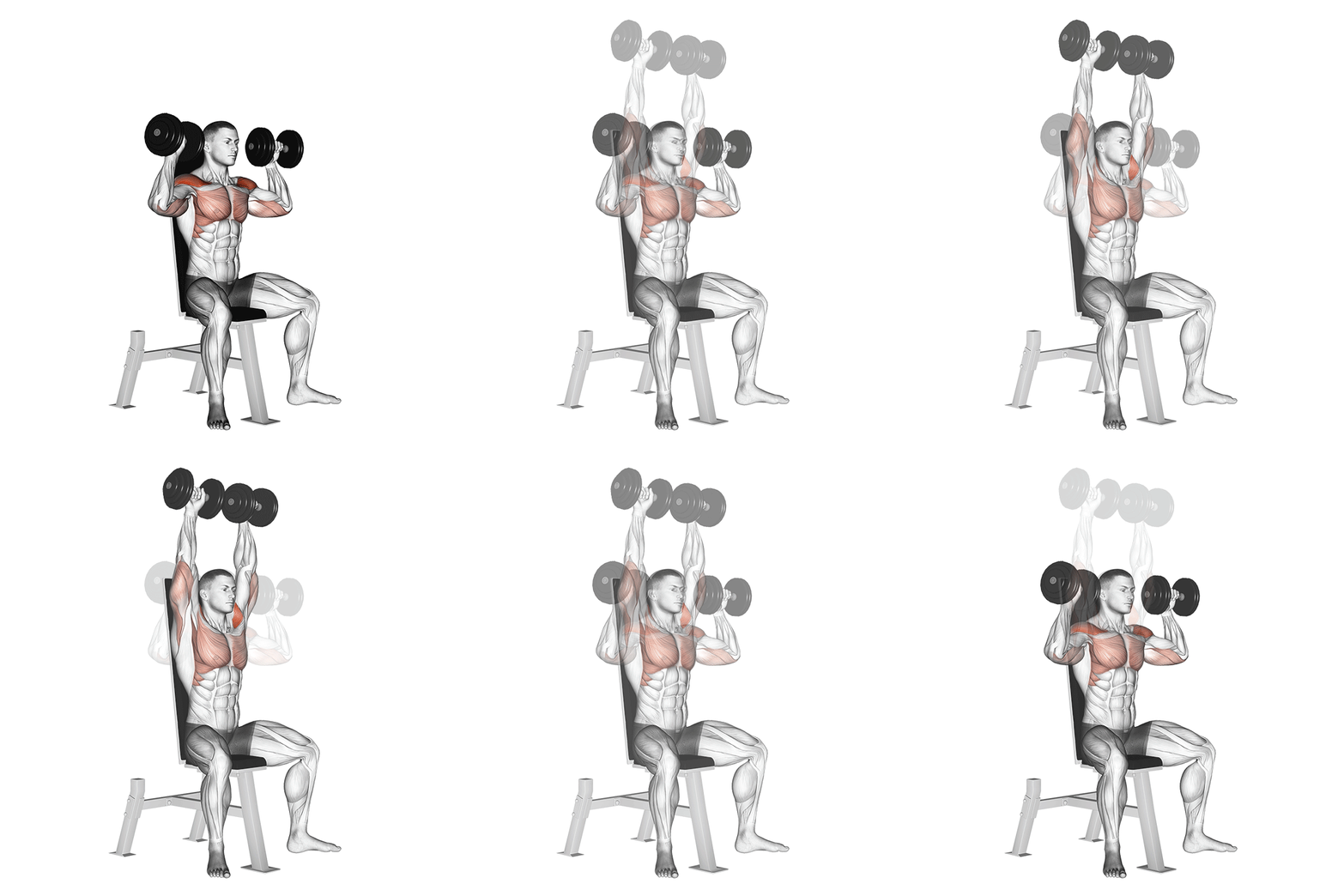
What is the seated dumbbell shoulder press?
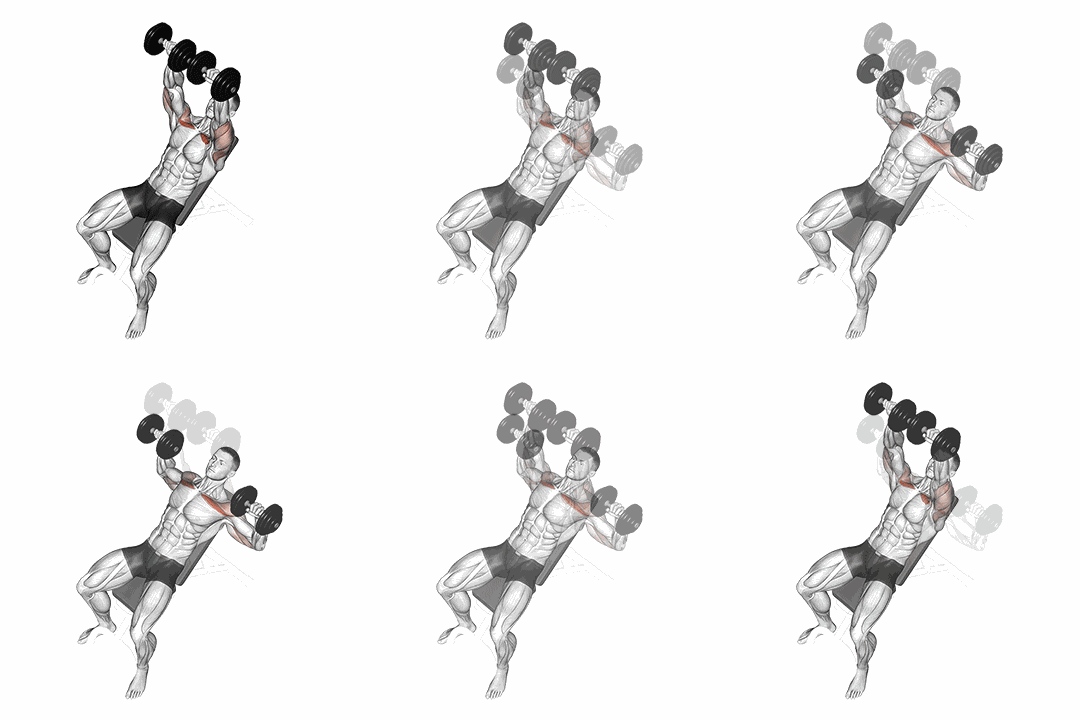
The seated dumbbell shoulder press is a vertical pressing movement performed sitting on an upright bench, pressing two dumbbells from shoulder height to lockout. The seated position takes the lower back out of the equation and the dumbbells let each shoulder find its natural path, unlike the barbell which forces a fixed groove. This combination makes it the go-to overhead press for hypertrophy, for athletes with cranky shoulders, and for anyone who can't comfortably press a bar over the head.
How to do the seated dumbbell shoulder press
- 1
Set the bench
Bench upright or angled to about 85°. Sit with your back flat against the pad, feet planted on the floor.
- 2
Get the dumbbells up
Sit with the dumbbells on your thighs, kick them up one knee at a time to shoulder level. Elbows under the wrists, palms forward.
- 3
Press up and slightly in
Push the dumbbells up until they nearly touch above the head. Bring them slightly closer at the top, don't bang them together.
- 4
Lower under control
Take 2-3 s back down until the upper arms are parallel to the floor, or slightly below if shoulders allow. Press again.
Pro tip
Keep your ribcage stacked over your hips. The most common cheat is arching the lower back to turn the press into an incline bench. Brace abs, glutes on the bench.
Common mistakes
Excessive lower-back arch.
If your back leaves the pad, you've turned the press into an incline bench. Lighter weight, ribs down.
Flared elbows behind the body.
Elbows pulled too far back hammer the front shoulder capsule. Keep them slightly in front of your torso.
Half reps at the top.
Stopping with bent elbows cuts the upper portion. Press to near-lockout every rep.
Crashing the dumbbells together.
Banging at the top relieves tension and risks chipping the bells. Stop a couple of cm apart.
Variations and progressions
Easier
Neutral-grip press
Palms facing each other (hammer grip). Friendlier on the shoulder, slightly less front-delt focus.
Harder
Single-arm press
Press one arm at a time. Doubles the core demand and exposes shoulder imbalances.
No dumbbells?
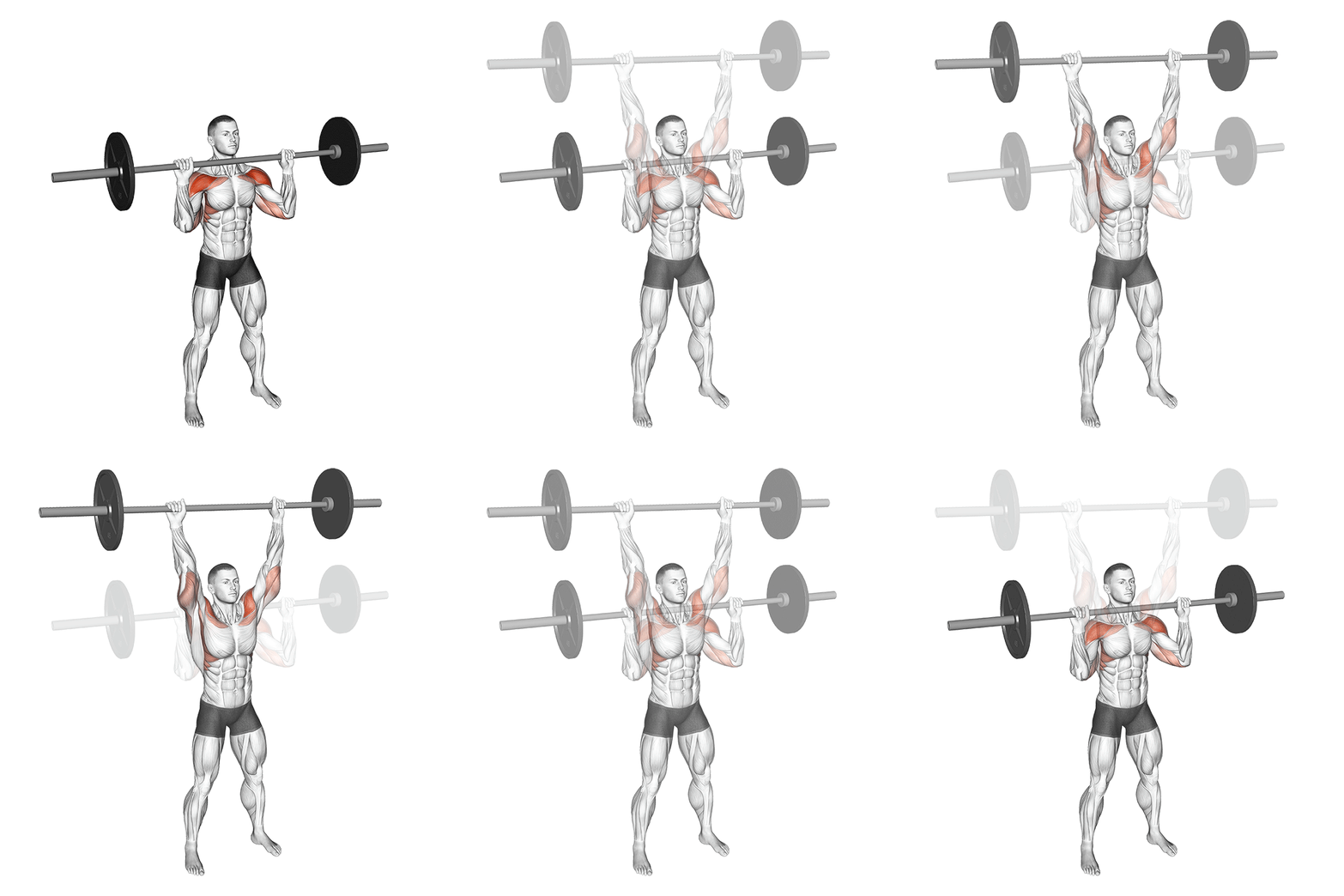
Seated barbell or machine press
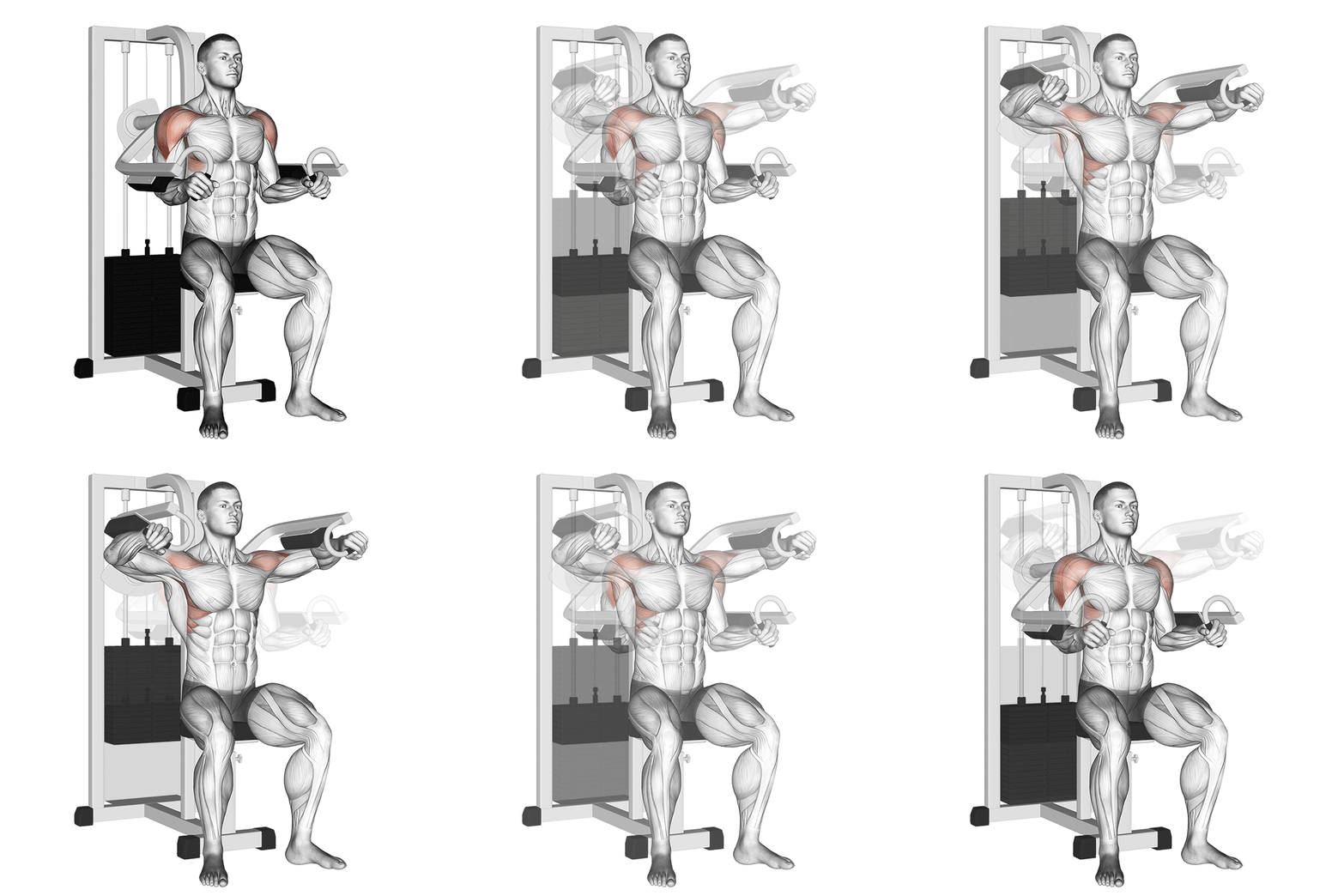
A seated barbell press or shoulder press machine covers the same vertical pattern with different equipment.
How to program it
Three protocols by goal. Pick one per cycle and aim for progression on load or distance.
| Goal | Sets × distance | Load | Rest |
|---|---|---|---|
| Hypertrophy | 4 × 8-10 | Moderate-heavy | 90 s |
| Strength | 5 × 5 | Heavy | 2-3 min |
| Shoulder volume / pump | 3 × 12-15 | Moderate | 60 s |
Seated Dumbbell Shoulder Press FAQ
Dumbbell or barbell overhead press?
Dumbbells win for shoulder health and hypertrophy: each arm finds its own groove, you train through a longer range, and a stuck rep is just a drop, not a crush risk. The barbell wins for max strength because you can load 20-30% more weight. Run dumbbells as your main vertical press, add barbell strict press once a week if you want raw pressing strength.
Standing or seated?
Seated is the answer for shoulder hypertrophy: the bench locks the torso and forces the delts to do all the work. Standing turns the press into a half-overhead, half-core exercise where the limiting factor often isn't the shoulders. Keep seated as your main hypertrophy lift. Add standing presses as accessory work to train trunk stability.
My shoulder clicks at the top. Bad sign?
A painless click is usually harmless tendon glide. A click with pain or a pinch means the shoulder isn't tracking well: try a neutral grip (palms facing each other), reduce range slightly, and warm up the rotator cuff with band external rotations. If pain persists across multiple sessions, swap to landmine press or machine press for two weeks before retesting.