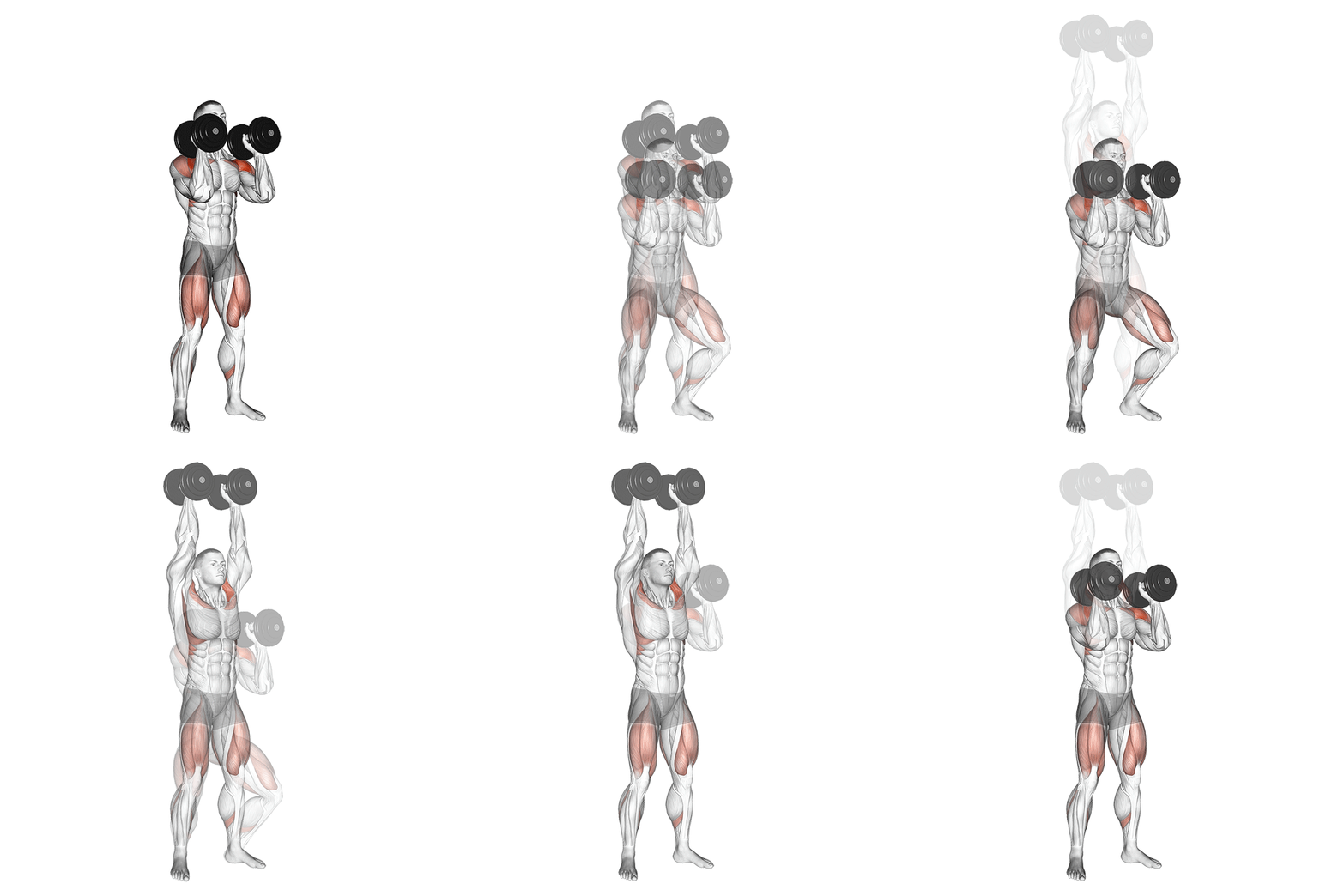
What is the dumbbell push press?
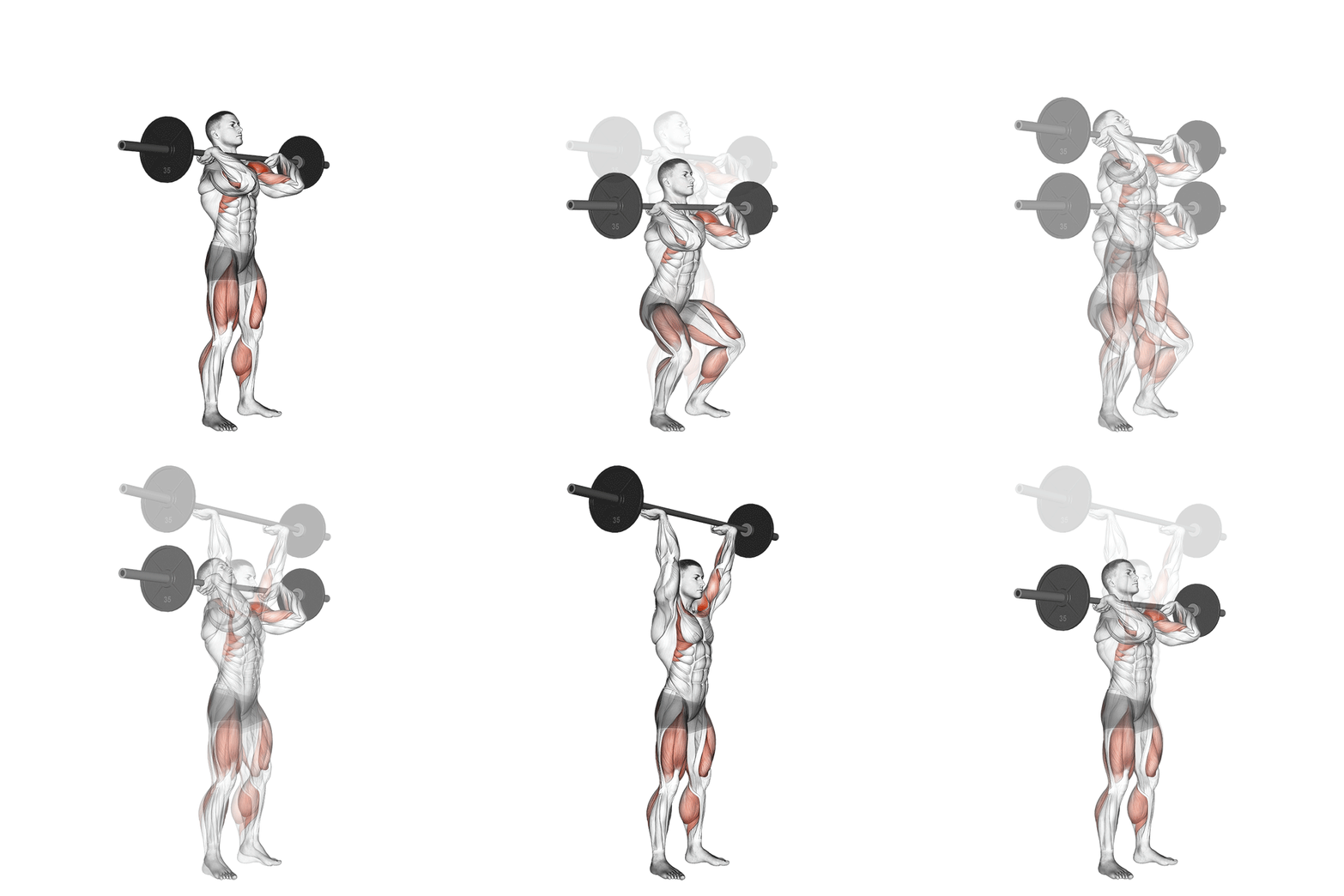
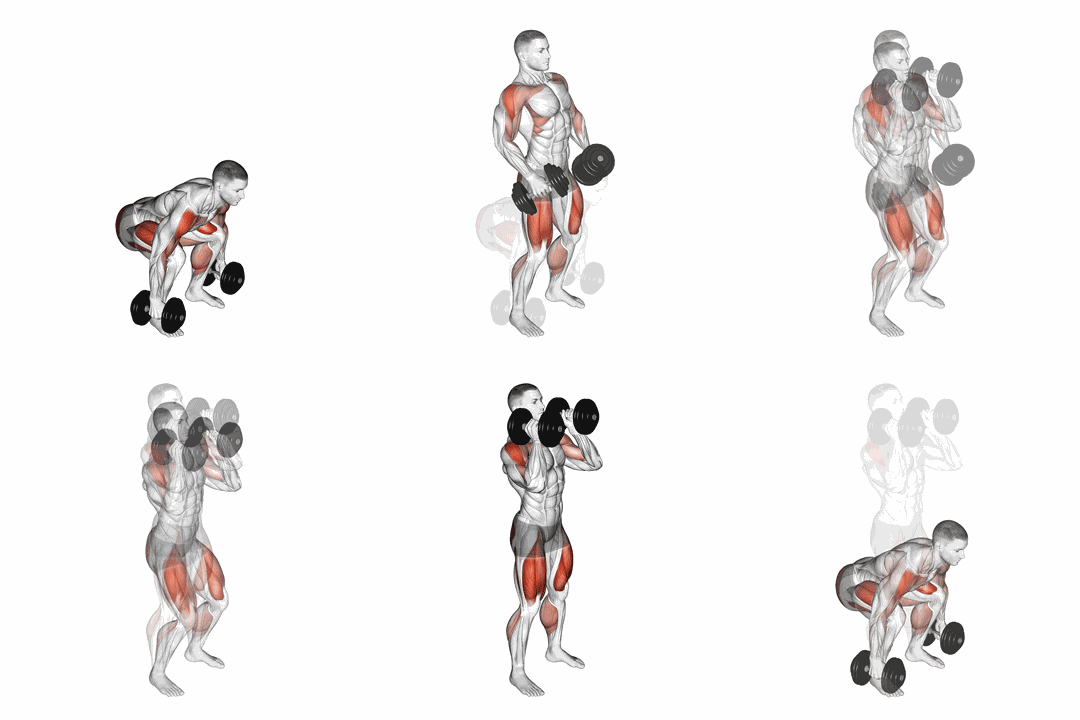
The dumbbell push press is a hybrid lift that combines a strict overhead press with a short leg dip and drive. You hold two dumbbells at the shoulders, dip about a quarter squat, then explosively extend the legs to launch the dumbbells past the hardest part of the press. The arms then finish the lockout overhead. It builds overhead strength, leg-arm coordination, and the power needed for sport actions like jumping serves and rebound-finish presses. Two dumbbells let each arm find its own path overhead.
How to do the dumbbell push press
- 1
Rack the dumbbells
Clean or curl the dumbbells to the shoulders, palms facing in or rotated forward. Elbows in front of the dumbbells.
- 2
Dip straight down
Bend knees about 15 to 20 cm (quarter squat depth). Knees track over the toes, torso stays vertical, dumbbells don't bounce.
- 3
Drive the legs hard
Reverse the dip violently, extending the legs and standing tall. The dumbbells should feel weightless for an instant at the top of the drive.
- 4
Lock out overhead
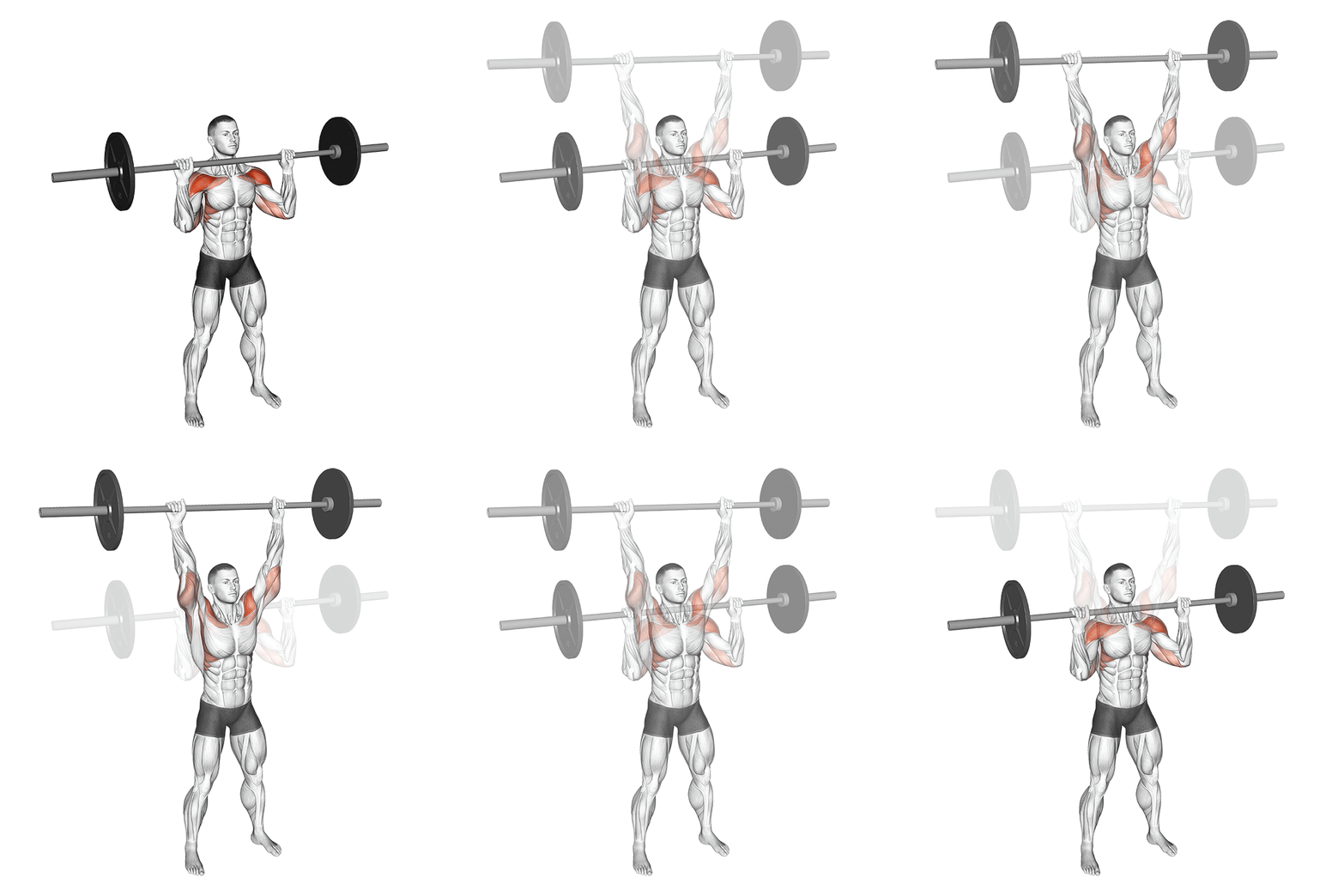
Press the dumbbells the rest of the way to lockout, biceps near the ears, body in a tall stack from heels to hands.
Pro tip
The dip is a quarter squat, not a half squat. Most lifters dip too deep and slow. A short, sharp dip transfers more force into the dumbbells than a long one.
Common mistakes
Dipping forward.
If the chest tips forward, the drive pushes the dumbbells forward instead of up. Keep the torso vertical.
Slow dip and drive.
A slow dip kills the stretch-reflex and turns it into a quarter squat press. Be sharp and explosive on the reversal.
Pressing out the lockout.
If the arms have to grind out the top, your leg drive was weak. Drive harder, let the dumbbells fly to lockout.
Ribs flaring overhead.
If the lower back arches at lockout, the brace is loose. Ribs down, glutes squeezed at the top.
Variations and progressions
Easier
Single-arm DB push press
One arm at a time. Easier on shoulder load and lets you fight the anti-rotation challenge through the core.
Harder
DB push jerk
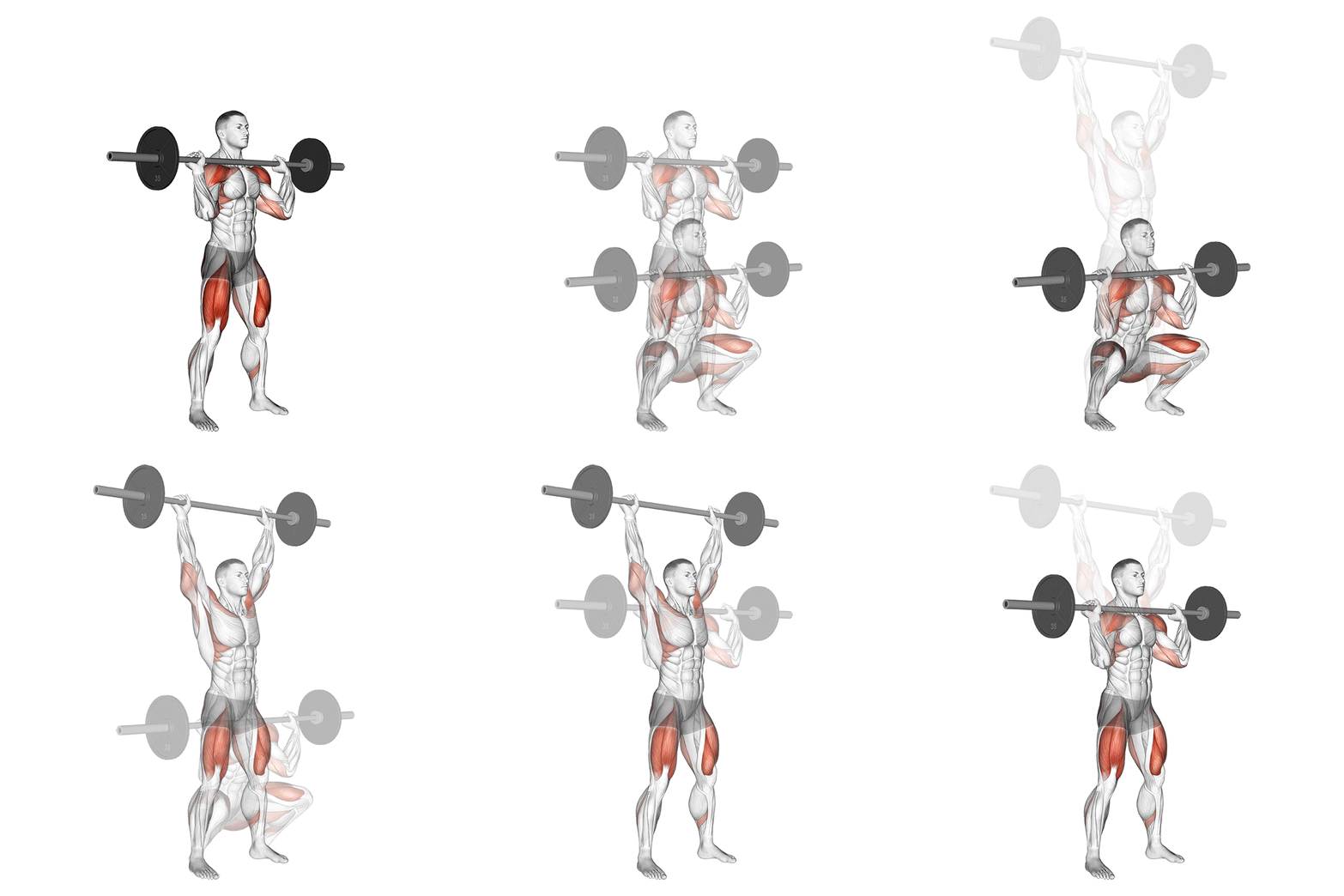
Add a second dip under the dumbbells at lockout. Lets you push much heavier loads with a quicker catch.
No dumbbells?
Kettlebell push press
Two kettlebells in the rack position, identical mechanics. The handles change the wrist angle but the lift is the same.
How to program it
Three protocols by goal. Pick one per cycle and aim for progression on load or distance.
| Goal | Sets × distance | Load | Rest |
|---|---|---|---|
| Strength | 5 × 5 | Heavy DBs | 2 min |
| Power | 6 × 3 | Moderate, fast | 90 s |
| Conditioning | 4 × 10 | Light to moderate | 60 s |
Dumbbell Push Press FAQ
How much heavier than a strict press?
Most lifters push press 20 to 30 percent more weight than they strict press. A lifter who strict presses two 20 kg dumbbells should expect to push press two 25 to 26 kg dumbbells for the same reps. That load gap is exactly the leg drive contribution. If your push press is only marginally heavier than your strict press, your dip and drive are weak, not your shoulders.
Push press or push jerk?
Push press keeps the legs locked once the dumbbells leave the shoulders. Push jerk adds a second leg dip to catch the dumbbells overhead, letting you lift much heavier. Push press is the simpler skill and the better default for hypertrophy and strength. Push jerk is the choice if your goal is maximum overhead load or sport-specific power.
Is it bad for the lower back?
Only if the brace is poor. The push press is one of the safest overhead lifts because the leg drive does the work the back would otherwise compensate for. Trouble appears when lifters lay back at lockout, ribs flared, lumbar extended. Cue ribs down, glutes squeezed, weight overhead and slightly behind the ear. Done well, push press strengthens the core lock under overhead load.