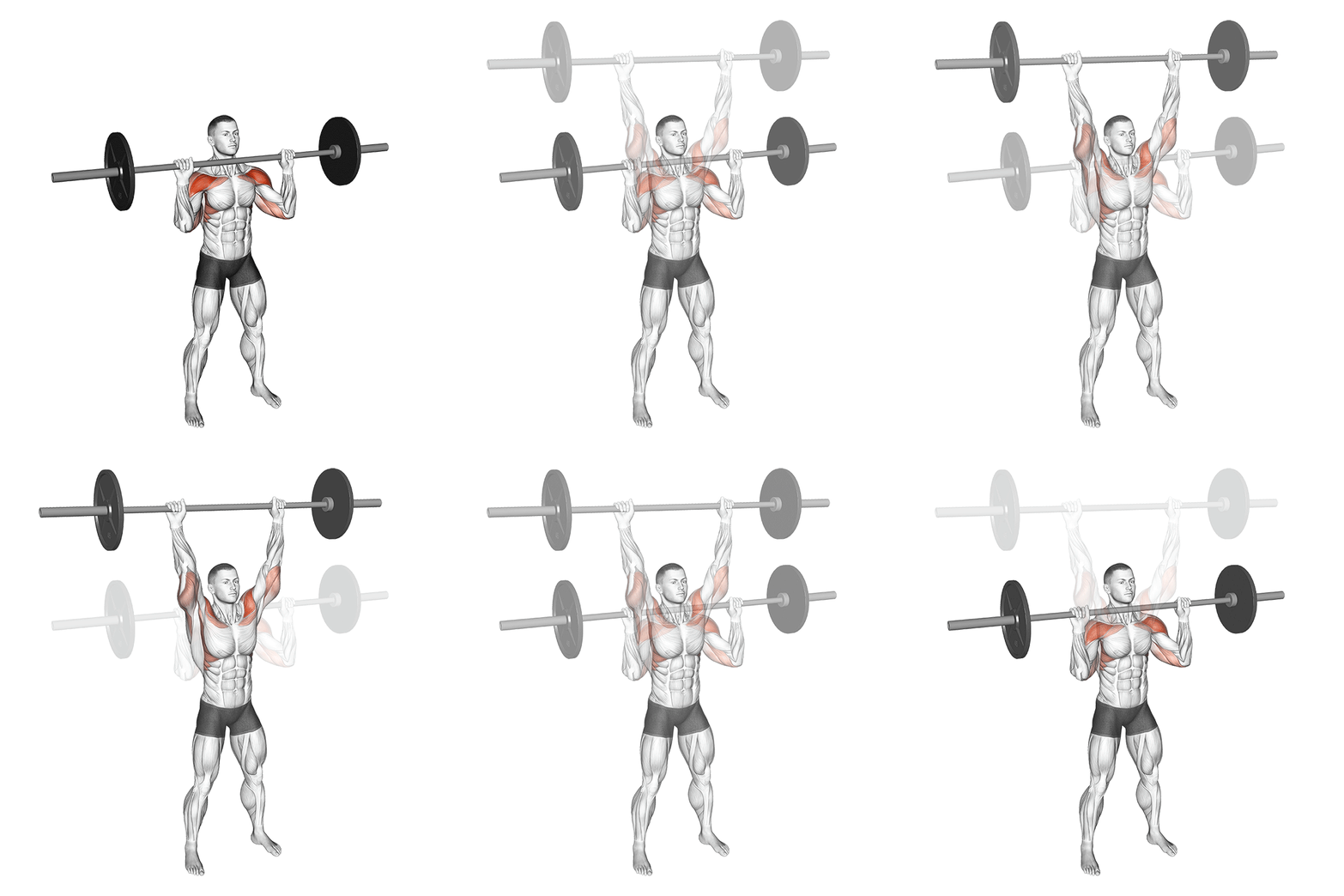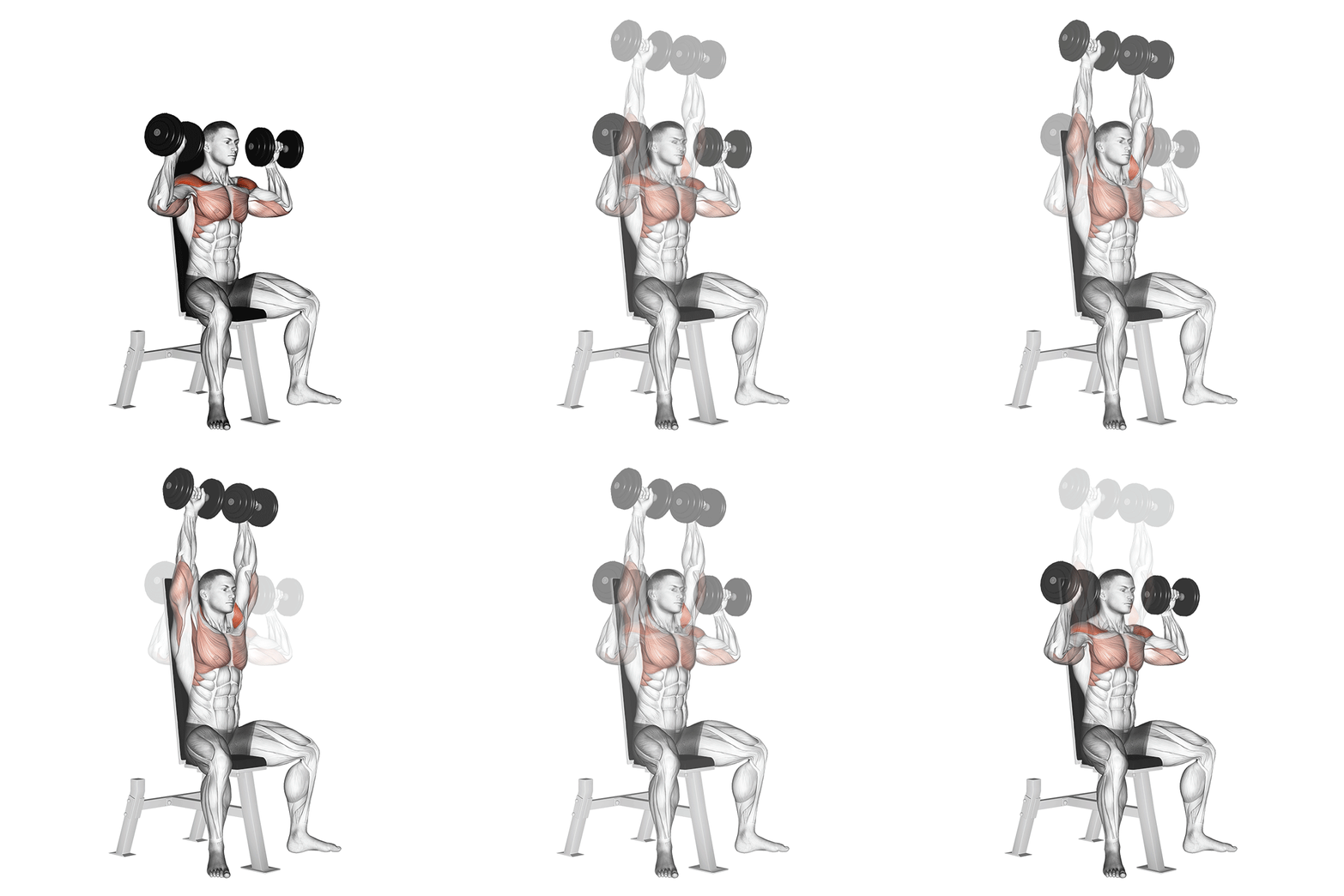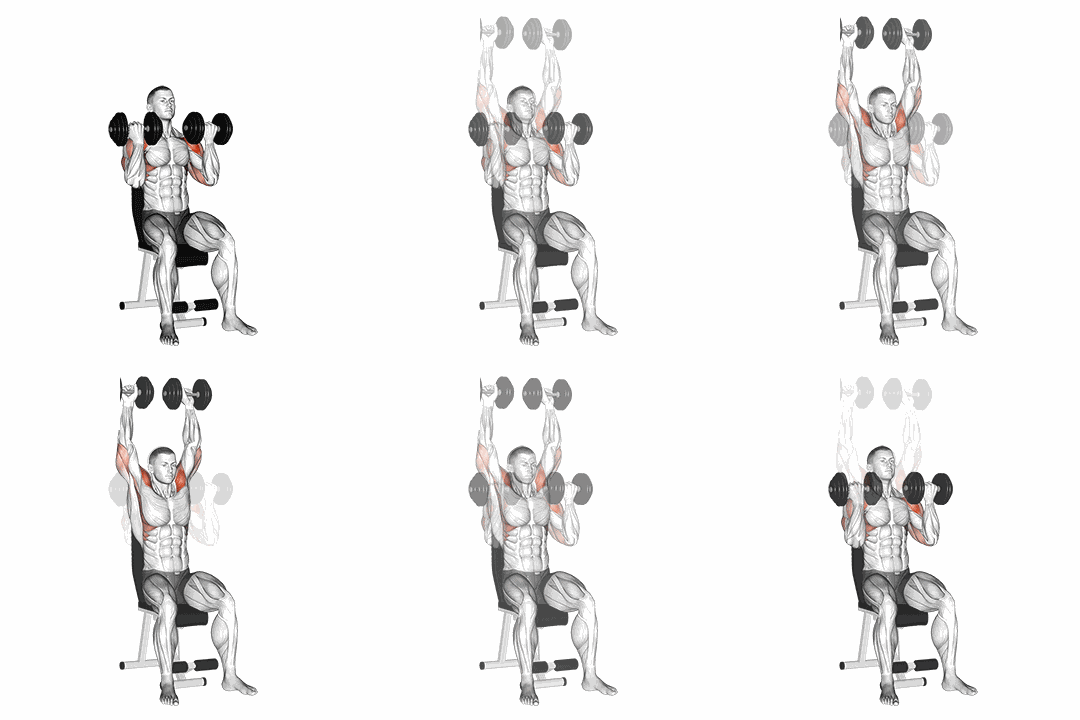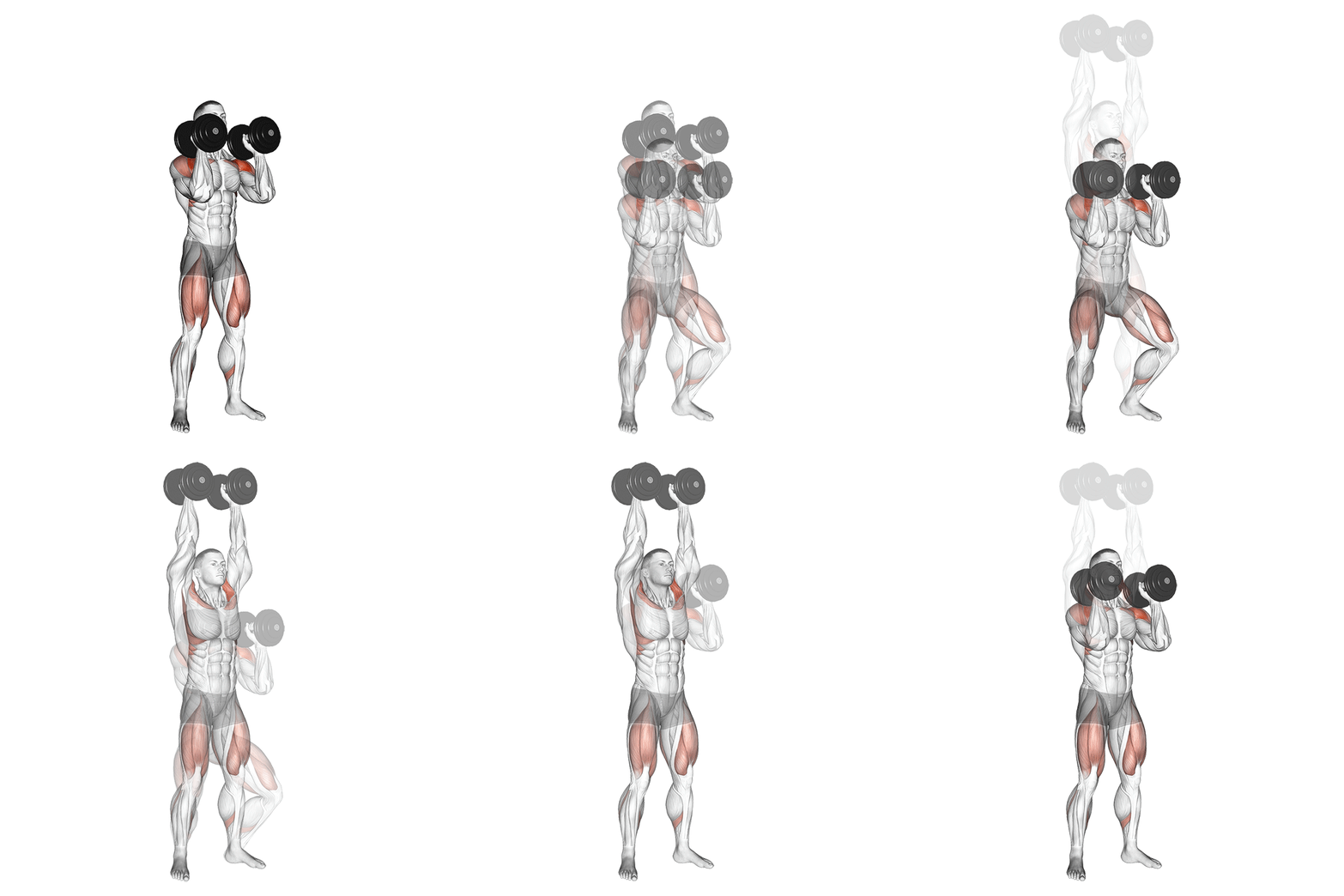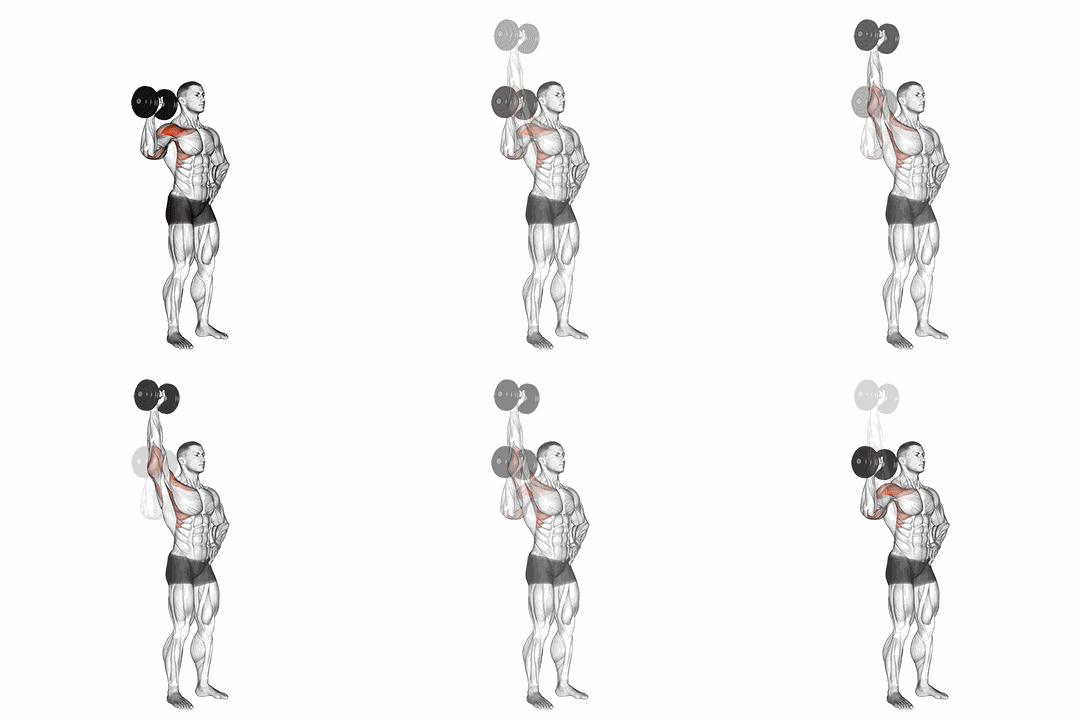
What is the dumbbell one arm shoulder press?
The one-arm dumbbell shoulder press is a unilateral overhead press performed standing or seated. You clean a single dumbbell to the shoulder, brace hard, press it to lockout overhead, then lower under control. Because all the load sits on one side, your obliques and deep core muscles fight the whole set to keep your torso vertical, so it builds anti-lean trunk strength alongside the anterior and lateral delts and triceps. It is the go-to press for fixing left-right imbalances, and a smart pick when a barbell press has stalled or irritates a shoulder.
How to do the dumbbell one arm shoulder press
- 1
Clean the dumbbell to the rack position
Feet hip width, dumbbell resting at shoulder height, elbow slightly in front of the bell, palm facing in or slightly forward. Free arm out to the side or fist clenched for tension.
- 2
Brace before you press
Squeeze your glutes, pull your ribs down and lock your torso square. The dumbbell will try to tip you sideways: win that fight before the rep starts, not during it.
- 3
Press up and slightly in
Drive the dumbbell overhead so it finishes stacked over your shoulder, biceps close to your ear. No leg drive on strict reps: knees stay locked the whole way.
- 4
Lower under control, hips square
Take 2 s to bring the bell back to the shoulder without letting your hip pop out to the side. Reset your brace, then press again. Finish the set, then switch arms.
Pro tip
Film yourself from the front. The set is over the moment your torso starts leaning away from the dumbbell, not when the arm gives out. A leaning press is just a bad side bend.
Common mistakes
Leaning away from the load.
Side-bending to sneak under the dumbbell dumps the work onto your spine. Stay stacked: if you cannot press it vertical, it is too heavy.
Sneaky leg drive.
A small knee dip turns your strict press into a push press and inflates the numbers. Lock your knees and own the honest weight.
Stopping short of lockout.
A rep ends with the elbow locked and the biceps by the ear. Half lockouts skip the overhead stability work that makes this lift valuable.
Flared ribcage.
Letting the ribs flare arches the lower back and fakes shoulder mobility. Exhale, ribs down, then press through a genuinely vertical arm path.
Variations and progressions
Easier
Seated one-arm dumbbell press
A bench with back support removes most of the balance demand so you can learn the pressing groove before loading the core challenge.
Harder
One-arm Z press
Sit on the floor, legs straight out, and press. Zero leg drive, zero lean-back: it mercilessly exposes any weakness in trunk and overhead position.
No dumbbell?
Landmine press
The angled bar path of a one-arm landmine press keeps the unilateral benefit while being gentler on cranky shoulders.
How to program it
Three protocols by goal. Pick one per cycle and aim for progression on load or distance.
| Goal | Sets × distance | Load | Rest |
|---|---|---|---|
| Strength | 4 × 5 per side | RPE 8 | 2-3 min |
| Hypertrophy | 3 × 8-10 per side | RPE 7-8 | 90 s |
| Anti-lean core | 3 × 6 per side, 3 s lowering | Light to moderate | 60-90 s |
Dumbbell One Arm Shoulder Press FAQ
Standing or seated: which should I pick?
Standing is the default: you get the anti-lean core work and the carryover to sport and daily life. Go seated when the goal is purely shoulder size or when fatigue makes your standing technique sloppy. Many lifters run both, standing early in the session for quality, seated later to chase volume without worrying about balance.
Should I start with my weaker arm?
Yes. Press with the weak side first while you are fresh, note the reps, then match exactly that number with the strong side, even if it could do more. Over a few months the gap closes. Starting strong-side first does the opposite: it keeps feeding the imbalance you are trying to fix.
Why is my one-arm press so much weaker than half my barbell press?
That is normal and expected. With one dumbbell your shoulder stabilisers and trunk do work the barbell normally shares across both sides and a fixed bar. Most lifters press roughly 35-40% of their barbell overhead max per arm. Judge progress against your own dumbbell log, not against your barbell numbers divided by two.