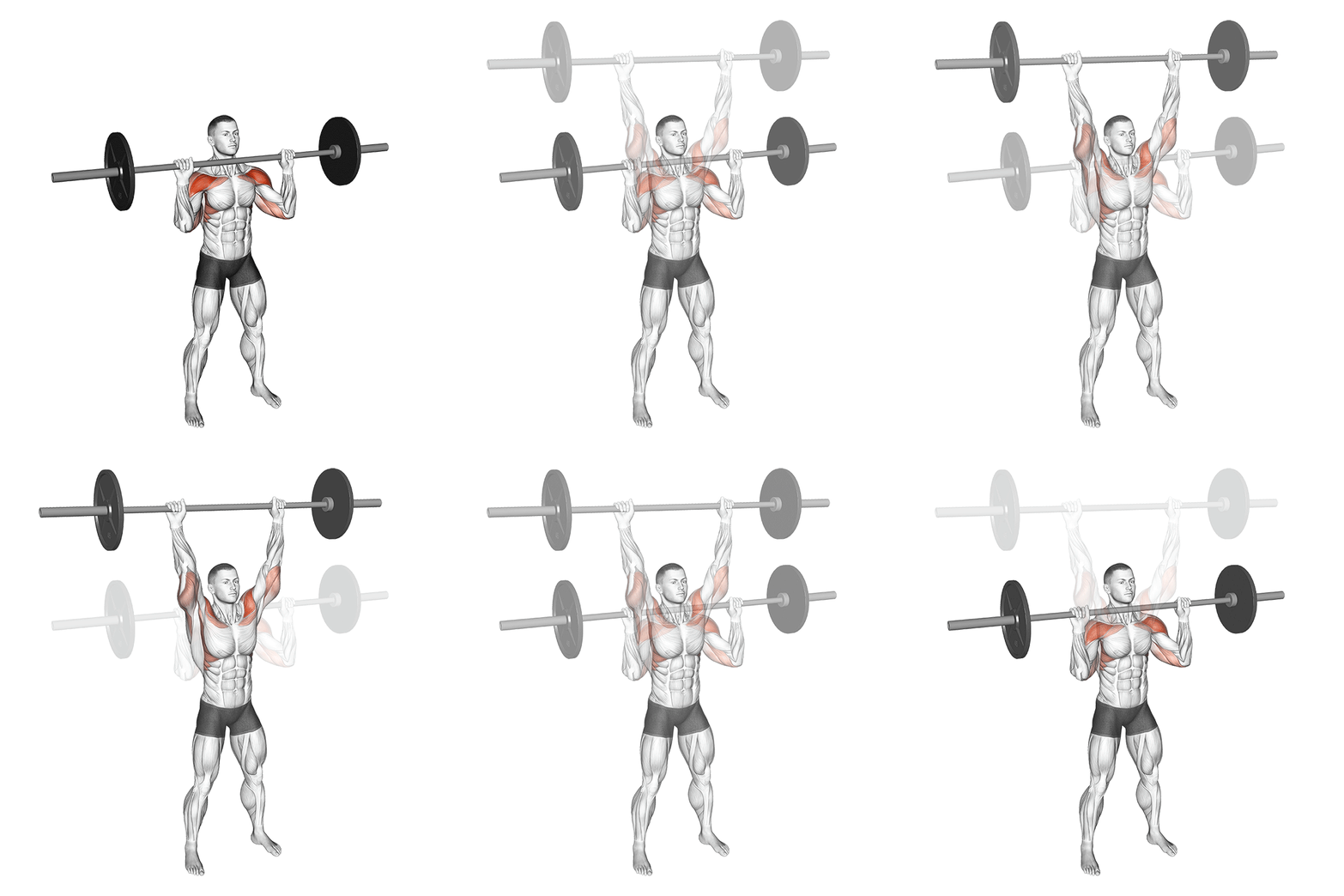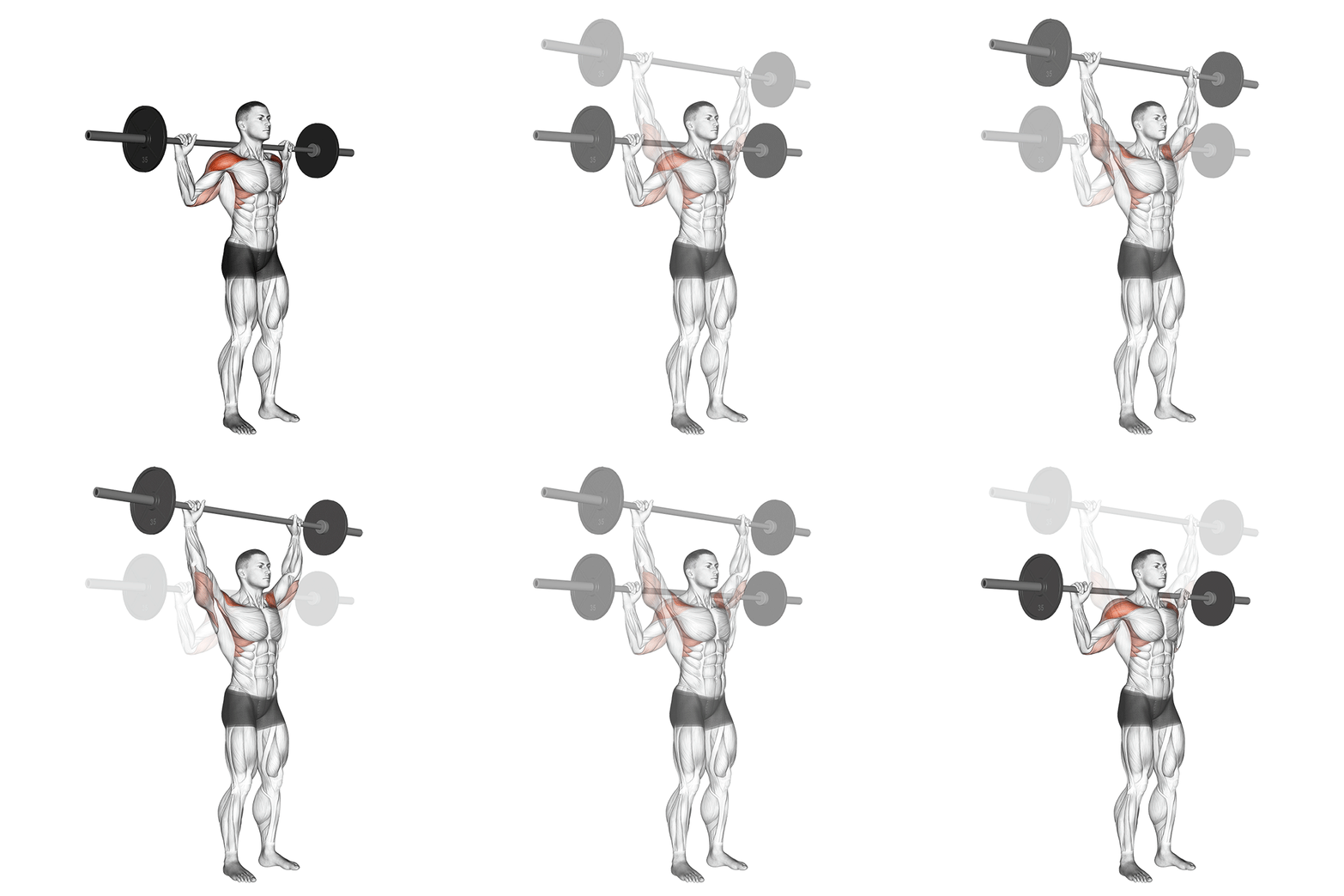
What is the barbell behind-the-neck press?
The behind-the-neck press is a vertical barbell press, performed seated or standing, where the bar is lowered behind the head to roughly ear level before being driven back to lockout. Because the upper arm stays abducted out to the side, emphasis shifts from the front delts toward the lateral delts and upper traps compared with a standard overhead press. A staple of golden-era bodybuilding and Olympic lifting warm-ups, it remains a powerful shoulder builder for lifters with excellent shoulder external rotation and thoracic mobility. If you lack that mobility, press from the front instead.
How to do the barbell behind-the-neck press
- 1
Screen yourself with an empty bar
Can you hold the bar behind your neck, forearms vertical, without poking your chin forward or arching hard? If not, build that position first. The screen is part of the exercise.
- 2
Set up in a rack
Seated on an upright bench or standing, take the bar from the J-cups at shoulder height. Grip a touch wider than your front press, elbows under the bar, core braced.
- 3
Lower to ear level
Control the bar down behind your head to roughly ear level, or wherever your shoulders allow without the neck craning forward. No contact with the vertebrae on heavy sets.
- 4
Press to lockout
Drive the bar straight up, head neutral, until the elbows lock and your biceps frame your ears. Finish with the bar stacked over shoulders and mid-foot.
Pro tip
Earn the range before the load. Two weeks of high-rep, empty-bar work behind the neck will tell you everything: if the bar path is vertical and your neck stays quiet, add plates. If not, keep pressing from the front, you're losing nothing.
Common mistakes
Loading without the mobility.
Forcing a loaded bar into a range your shoulders don't own is how this lift earned its bad reputation. Screen first, load later.
Poking the chin forward.
Craning the neck to clear the bar stresses the cervical spine on every rep. Tuck the chin slightly and move the bar around the head, not the head around the bar.
Bouncing off the traps.
Resting the bar on your neck mid-set and bouncing it up is asking for trouble. Reverse the bar before contact, or end the set.
Chasing front-press numbers.
Expect 10-20% less than your overhead press. Ego loading turns a great side-delt builder into an impingement machine.
Variations and progressions
Easier
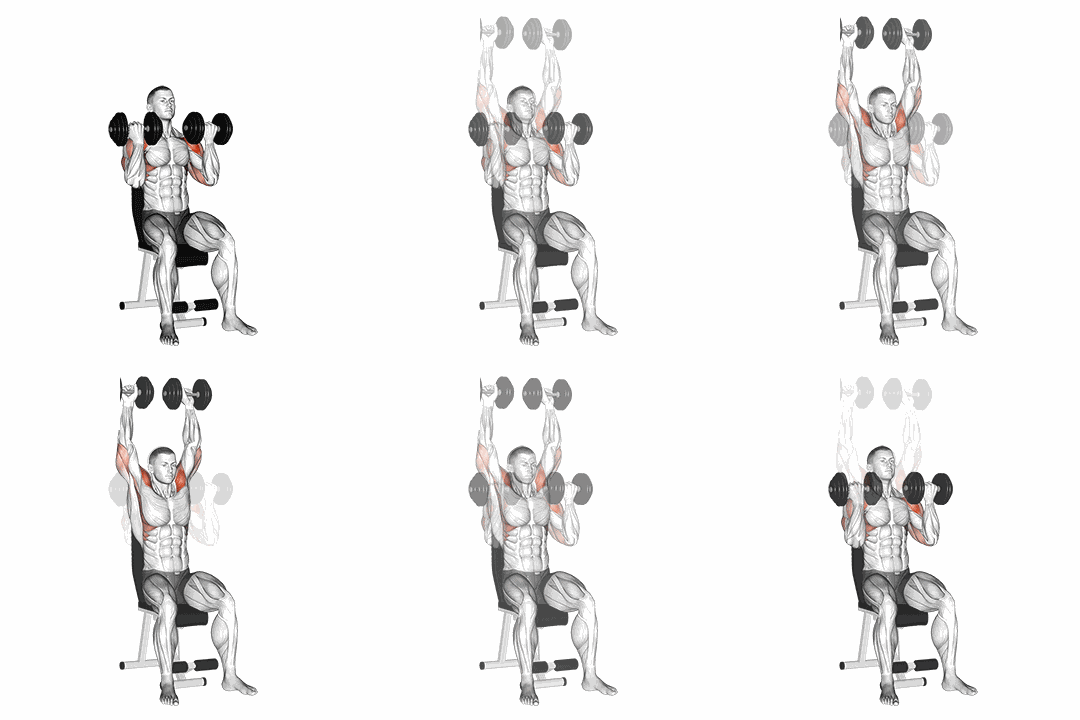
Seated dumbbell shoulder press
Dumbbells let each shoulder find its own path. Build your pressing base here before asking for behind-the-neck range.
Harder
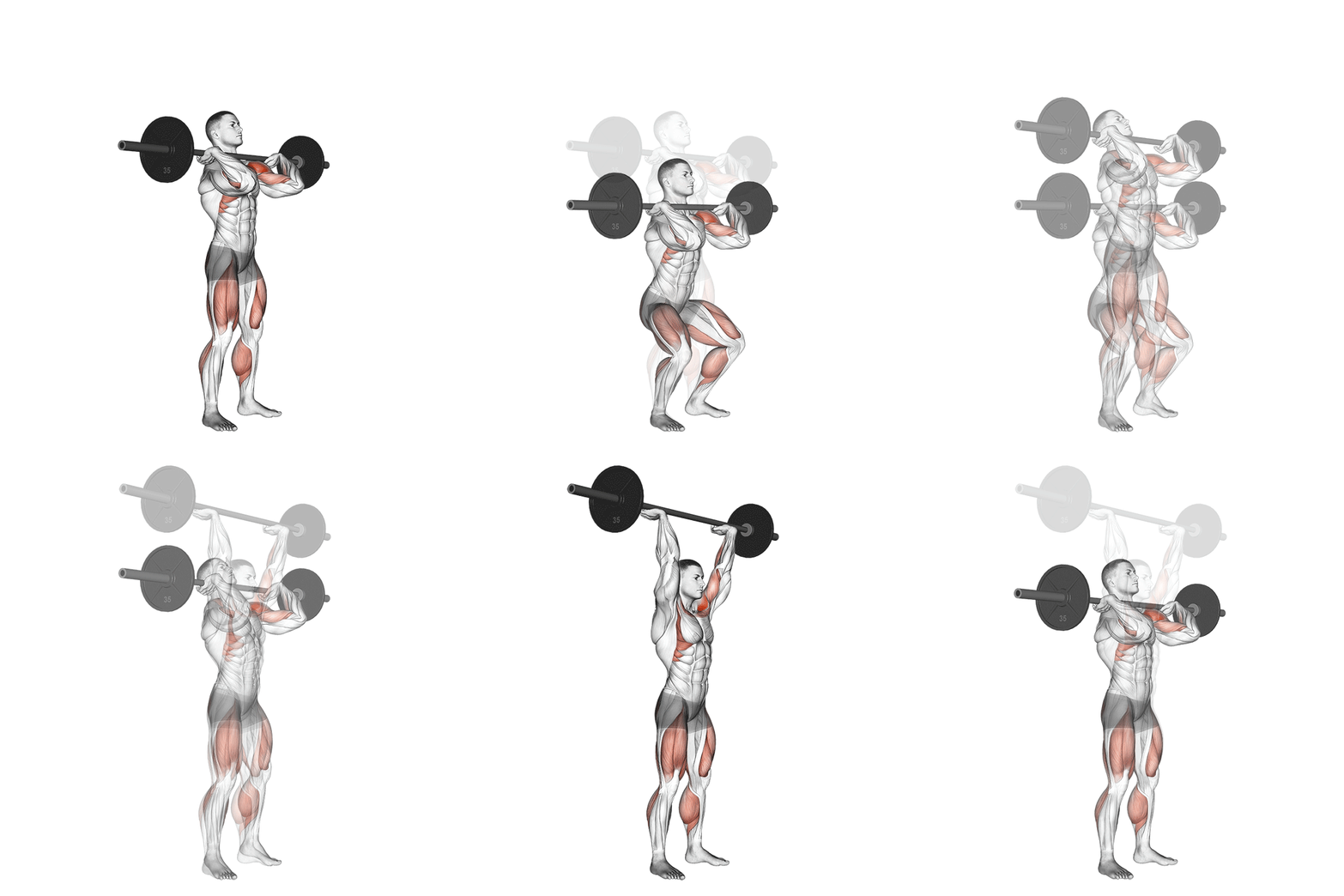
Snatch-grip behind-neck press (Klokov press)
A very wide grip shortens the range but demands brutal upper-back strength and control. An Olympic lifting staple, not a beginner move.
Shoulders too tight?
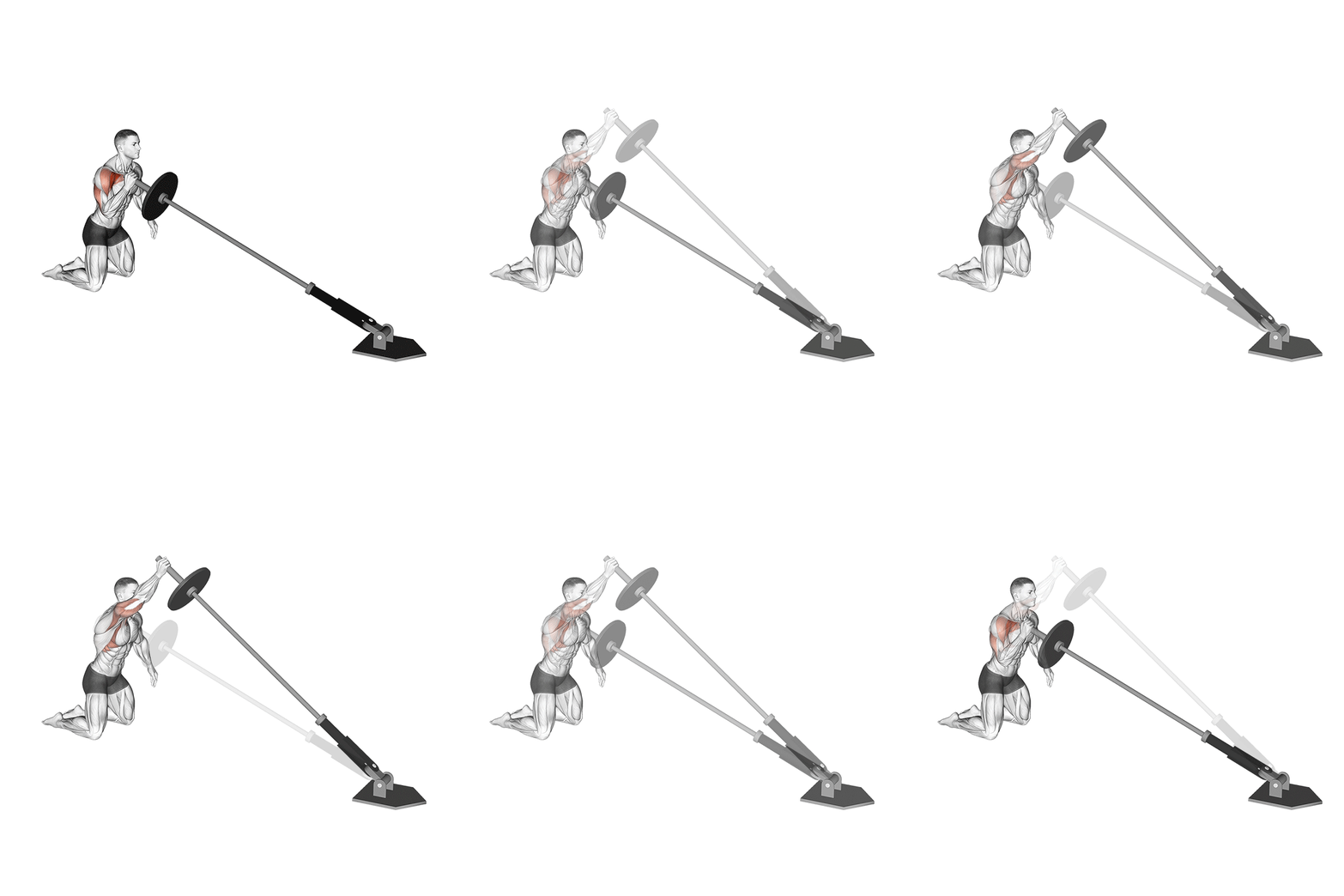
Landmine press
The angled bar path gives you an overhead stimulus without the extreme external rotation. Shoulder-friendly and easy to load.
How to program it
Three protocols by goal. Pick one per cycle and aim for progression on load or distance.
| Goal | Sets × distance | Load | Rest |
|---|---|---|---|
| Technique | 3 × 12-15 | Empty bar (20 kg or less) | 60 s |
| Hypertrophy | 3 × 8-10 | 50-60% of front-press 1RM | 90 s |
| Strength | 4 × 5-6 | 65-75% of front-press 1RM | 2-3 min |
Barbell Behind-the-Neck Press FAQ
Is the behind-the-neck press dangerous?
Not inherently. It becomes dangerous when someone without the shoulder external rotation forces heavy loads into it. Olympic lifters press behind the neck for entire careers without issue because they have the mobility and build up gradually. Screen yourself with an empty bar, progress slowly, and skip it entirely if you have a history of impingement or shoulder instability. There are easier roads to big delts.
How much weight compared with my overhead press?
Plan on 10-20% less. The behind-neck position removes most of the front-delt and chest contribution, lengthens the effective range for the side delts, and offers no stretch reflex at the bottom. Treat it as a hypertrophy accessory in the 8-15 rep range rather than a max-effort lift, and the weight gap stops mattering.
Seated or standing?
Seated on an upright bench for most people: it removes leg drive and lower-back cheating so the delts do all the work, and the rack height is easy to manage. Standing suits lighter technique work and Olympic-lifting warm-ups, but balance costs you reps. Either way, never clean it into position; take the bar from a rack.