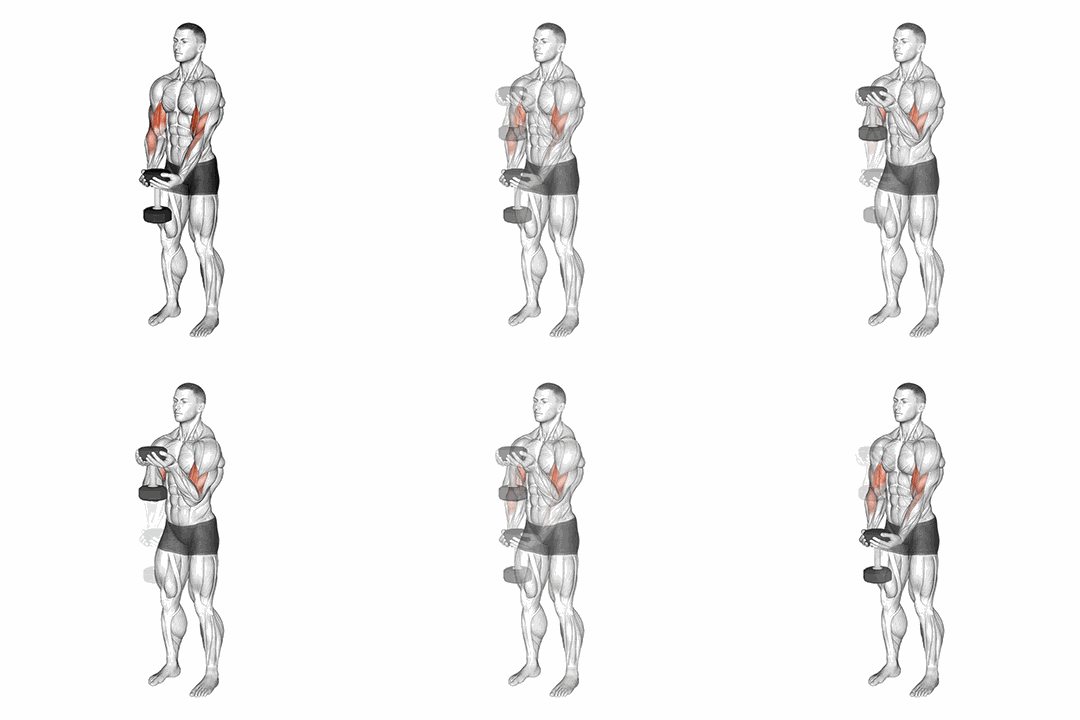
What is the waiter curl?
The waiter curl is a biceps isolation exercise done with a single dumbbell held vertically, both palms flat under the top head, like a waiter carrying a tray. You curl the dumbbell up while keeping that tray perfectly level, which locks your wrists in extension and your forearms in full supination. Supinating is the biceps' second job, so this grip shifts work away from the forearm flexors and onto the biceps itself, especially near the top. It is ideal for beginners learning to feel their biceps and for experienced lifters whose curls always end up in their forearms.
How to do the waiter curl
- 1
Build the tray
Stand tall and hold one dumbbell vertically, both palms flat under the top head, fingers overlapping. Elbows at your sides, shoulders down, core braced.
- 2
Curl the tray level
Curl the dumbbell toward your chin while keeping the top plate flat, as if drinks were sitting on it. If it tips toward you, your wrists are breaking.
- 3
Push the palms to the ceiling
At the top, drive your palms slightly upward and squeeze the biceps for a full second. This is the peak-contraction moment the grip was designed for.
- 4
Lower slow, tray still level
Take 2-3 s to lower until your arms are almost straight, keeping the dumbbell level the entire way. The level tray on the way down is the hardest part.
Pro tip
Picture a full glass of water standing on the dumbbell. Spill it and the rep doesn't count. Pick your weight by what you can keep level for every rep, not by what you can curl.
Common mistakes
The tray tips toward you.
Flexing the wrists hands the work to your forearms, exactly what this exercise exists to avoid. Knuckles back, palms flat, dumbbell level.
Going too heavy.
This is a supination and squeeze exercise, not an ego lift. Past a certain load the tray tips, the elbows flare and the magic is gone.
Elbows flaring at the top.
When the elbows wing outward, the shoulders start lifting the dumbbell. Keep them lightly pinned to your ribs; a tiny forward drift at the very top is fine.
Variations and progressions
Easier
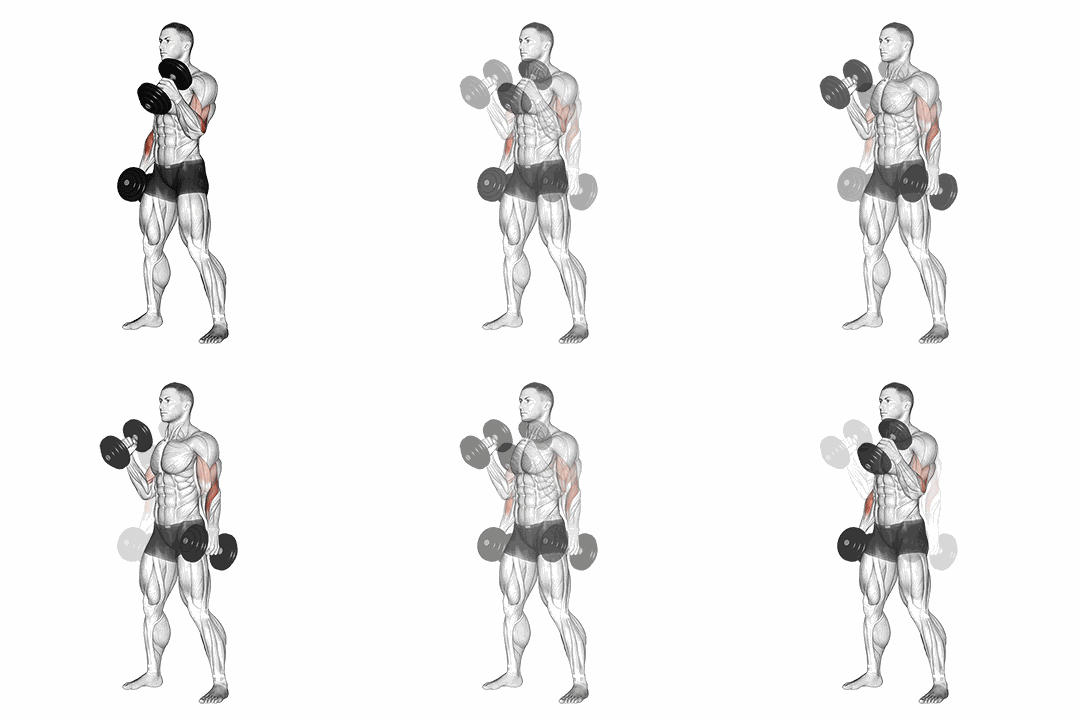
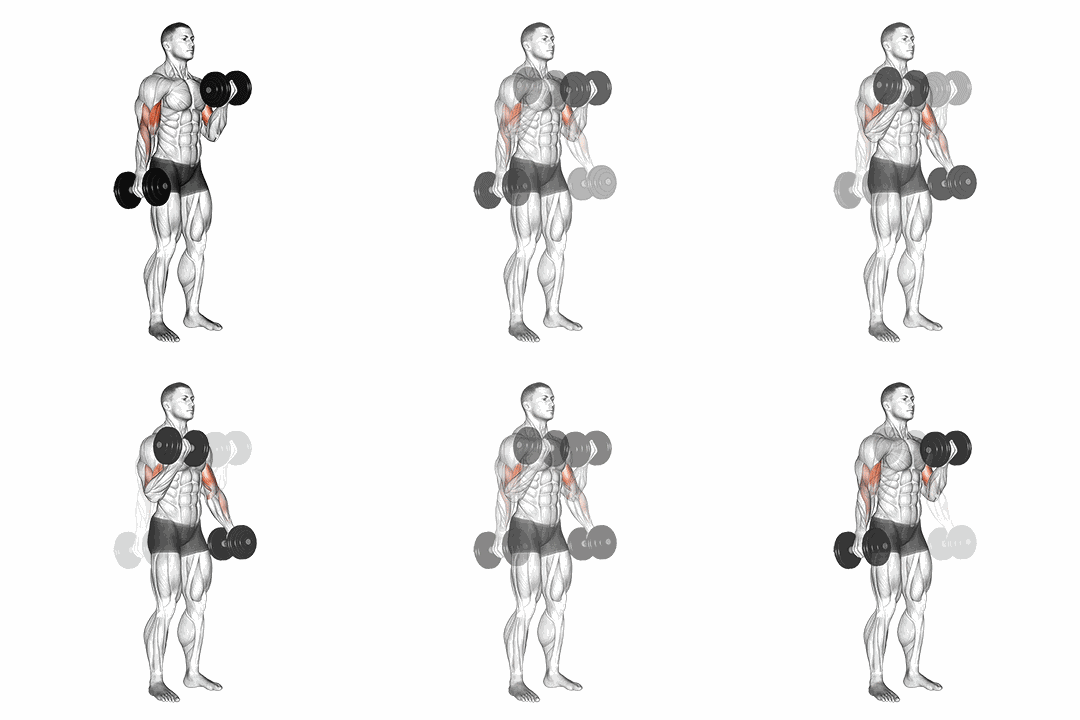
Supinated dumbbell curl
Classic curls with one dumbbell per hand let you groove the supination with less balance demand before graduating to the tray grip.
Harder
Waiter curl 21s
7 reps bottom half, 7 reps top half, 7 full reps, tray level throughout. The top-half partials with a flat tray are pure biceps fire.
No dumbbell?
Plate curl or cable curl
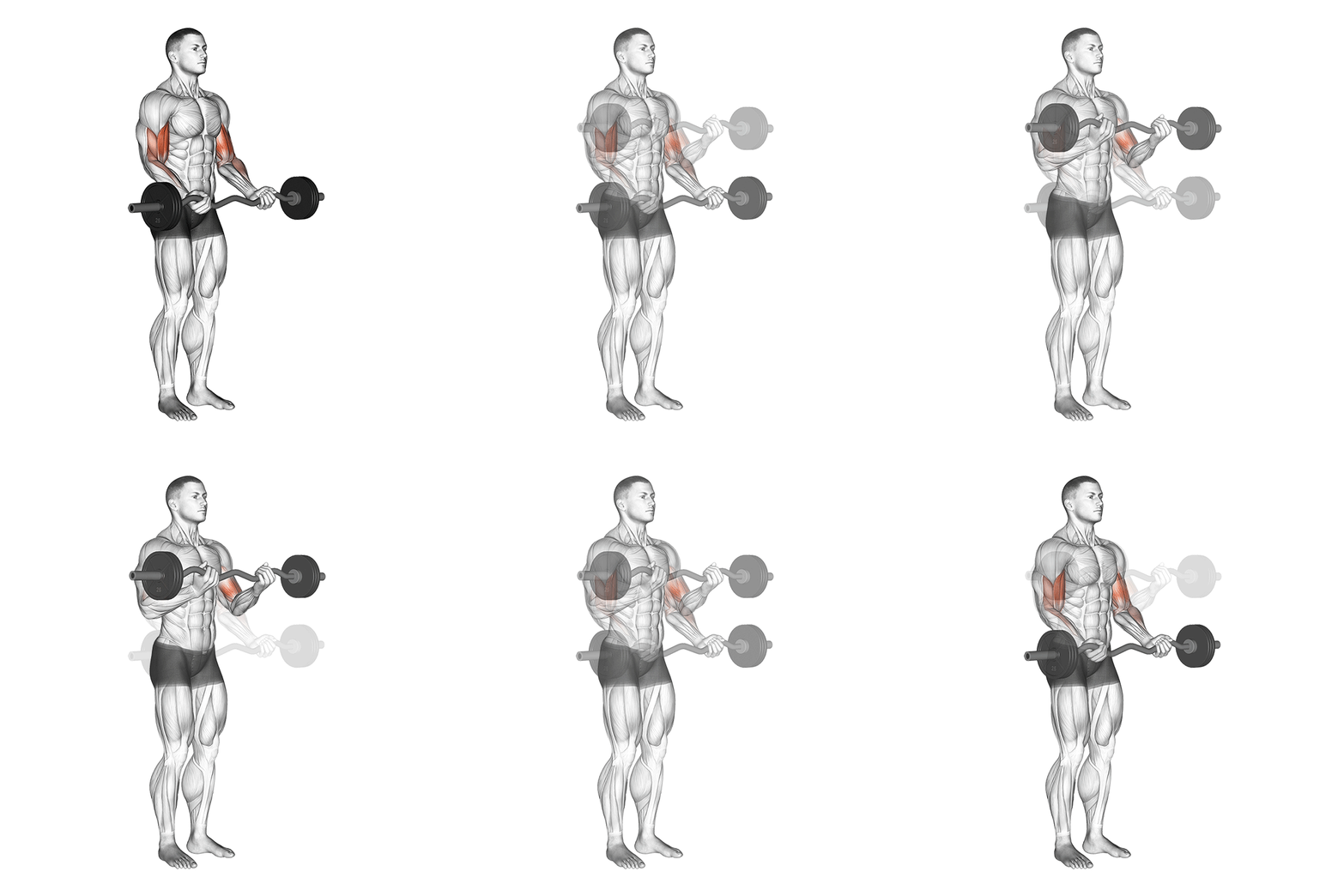
Curling a bumper plate held flat between your palms mimics the tray. A low cable with a straight bar keeps similar constant tension on the biceps.
How to program it
Three protocols by goal. Pick one per cycle and aim for progression on load or distance.
| Goal | Sets × distance | Load | Rest |
|---|---|---|---|
| Hypertrophy | 3 × 10-15 | One moderate dumbbell, 8-16 kg | 60-90 s |
| Mind-muscle work | 3 × 12, 3 s negatives | Light, tray never tips | 60 s |
| Finisher | 2 × 15-20 after main curls | Light | 45-60 s |
Waiter Curl FAQ
What weight should I use for waiter curls?
Far less than your two-dumbbell curl total. Most men do well with 8-16 kg and most women with 4-10 kg. The limiting factor is keeping the tray level, not lifting the load. If your current weight lets you keep the top plate flat for 15 strict reps with a hard squeeze, go up. If the dumbbell tips on rep three, go down.
What is the point versus a normal curl?
Full supination under load, through the entire range. In a normal dumbbell curl your grip lets the wrist flexors and brachioradialis share the work, and many lifters feel curls mostly in their forearms. The tray grip makes wrist flexion impossible, so the biceps has to do its two jobs, flex the elbow and supinate, on every rep. It teaches your biceps to actually contract.
Can waiter curls replace barbell curls?
No, and they shouldn't try. The waiter curl caps out at light loads, so it cannot drive progressive overload the way a barbell can. Use the barbell or EZ bar as your heavy base movement, then add waiter curls as a second exercise or finisher for contraction quality. Heavy plus strict is the combination that grows arms, not either one alone.