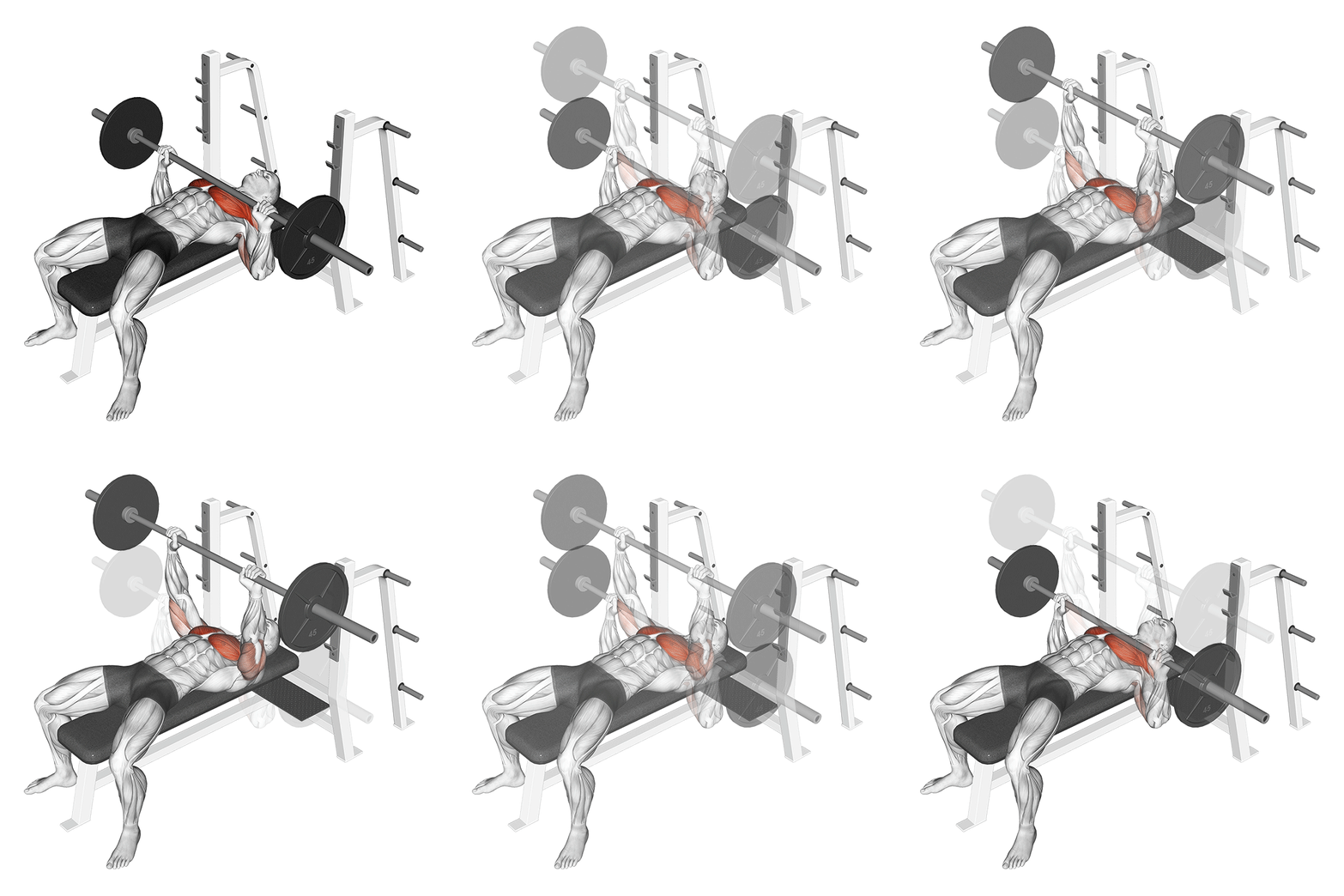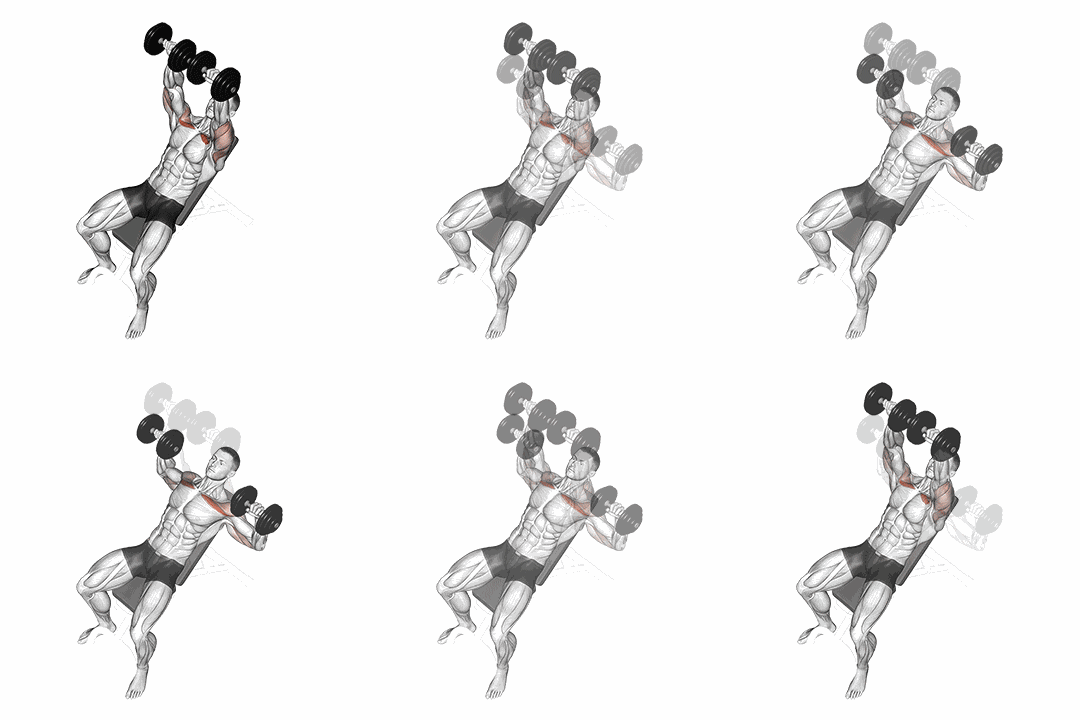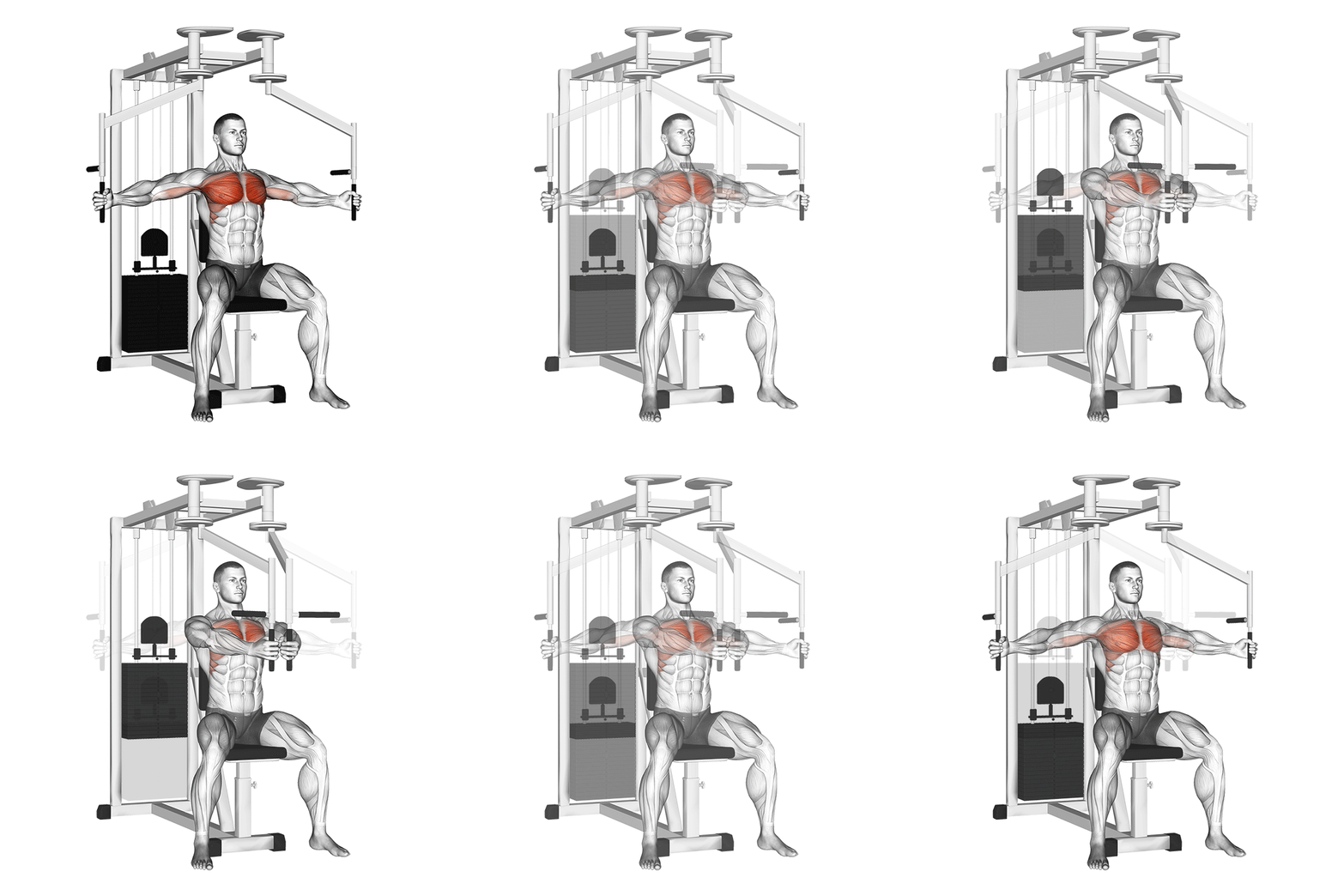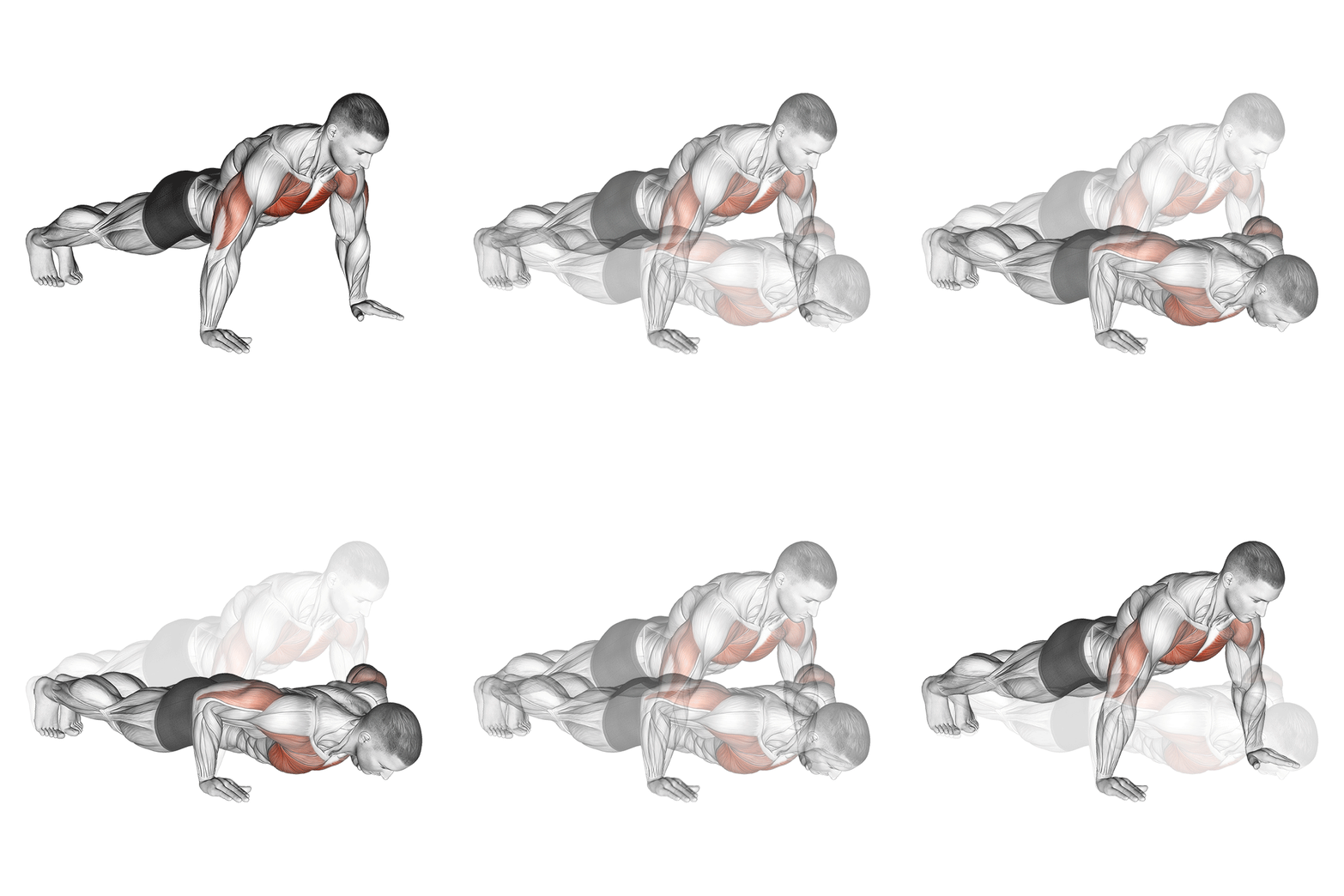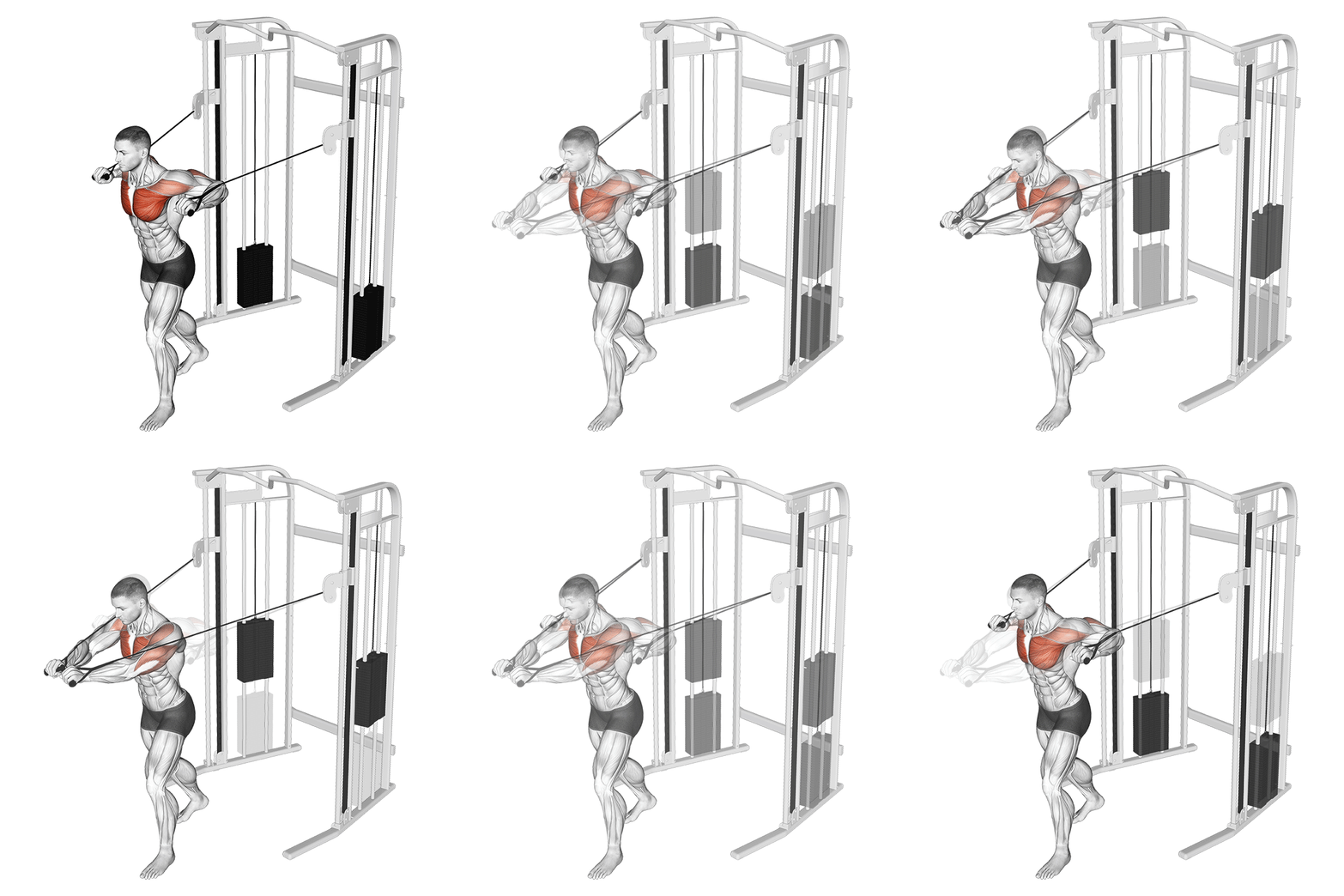
What is the standing cable chest press?
The standing cable chest press is a horizontal push performed standing between two cables, with both handles at chest height. You hold a handle in each hand and press both forward simultaneously, finishing with arms extended just in front of the chest. The cables apply constant tension across the whole range and the standing position forces the core, hips and feet to anchor against the resistance. It's a high-skill press that builds chest mass with much less joint stress than heavy benching, and it transfers directly to athletic pushing actions.
How to do the standing cable chest press
- 1
Set the pulleys
Both cables at chest height. Grab one handle in each hand, palms facing down.
- 2
Step into a split stance
Step forward into a split stance, one foot ahead of the other. Slight forward lean, hips and shoulders square.
- 3
Press forward
Drive both handles forward and slightly inward, finishing with arms extended just in front of your chest. Squeeze the pecs at the lockout.
- 4
Return under control
Take 2 seconds to bring the handles back to the chest. Don't let the elbows fly behind the torso, that's where shoulders get hurt.
Pro tip
Treat the cable press like a punch with two hands. Drive forward through the feet and torso, not just the arms. That's where the pec strength comes from.
Common mistakes
Elbows flaring behind torso.
Excess range past the chest stresses the front of the shoulder. Stop at the chest line.
Feet too close.
Parallel stance leaves you unstable. Split stance gives a real platform to press from.
Cables too high or too low.
Wrong height turns the press into a low or high fly. Chest height is the standard.
Twisting the torso.
Rotating to push more weight cheats the lift. Square shoulders, equal drive.
Variations and progressions
Easier
Single-arm cable press
Press with one arm at a time. Adds anti-rotation core demand and lets you fix side-to-side imbalances.
Harder
Tall-kneeling cable press
Drop to a tall kneeling position. Removes leg drive, forces the core and glutes to anchor everything.
No cables?
Band chest press
Anchor a band behind you at chest height. Same constant-tension press, anywhere.
How to program it
Three protocols by goal. Pick one per cycle and aim for progression on load or distance.
| Goal | Sets × distance | Load | Rest |
|---|---|---|---|
| Hypertrophy | 4 × 10-12 | Moderate, 2-s eccentric | 60-90 s |
| Power transfer | 5 × 5 fast concentric | Moderate, explosive | 2 min |
| Shoulder-friendly chest | 3 × 15 | Light, full ROM | 60 s |
Standing Cable Chest Press FAQ
Is it as good as a bench press for the chest?
For pure mechanical load on the pec, the bench wins. For constant tension, joint health and core involvement, the cable press wins. Use the bench as your main mass-builder and the cable press as your shoulder-friendly accessory, especially on lighter or higher-rep days.
Why standing instead of sitting?
Standing trains the chest in a position closer to how you use it in sport: feet planted, force transferring through the body. Sitting on a cable machine removes that demand and turns it into a pure pec isolation. Both have a place; standing transfers better, sitting isolates better.
What weight should I use?
Lighter than you think. Because both cables work together and the stance is unstable, going too heavy turns the lift into a hip-thrust-and-press. Pick a weight where you can hold a square torso and full range for 10-12 reps, then build from there.