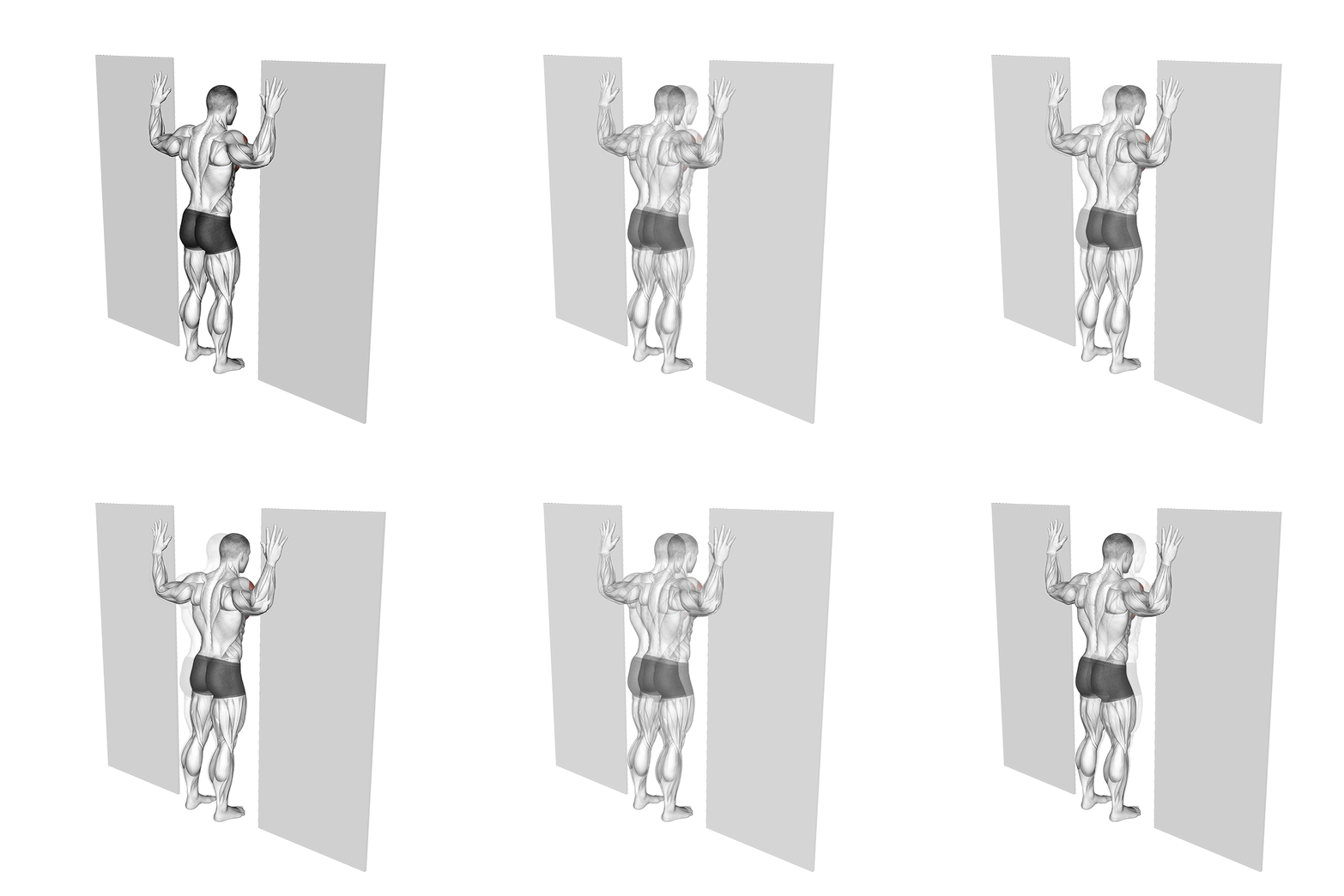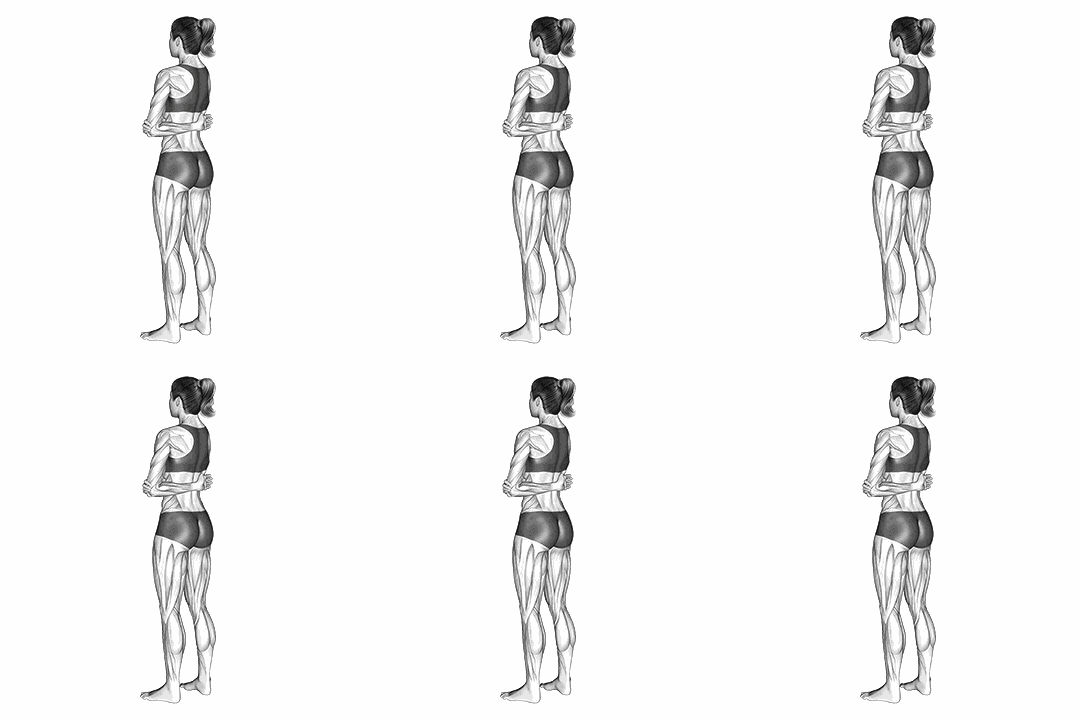
What is the rotator cuff stretch?
The rotator cuff stretch targets the four small muscles that center and stabilize the shoulder joint. The classic combo is the cross-body stretch, pulling one arm across the chest to lengthen the posterior cuff and capsule, paired with the towel stretch behind the back to recover internal rotation range. Together they take a few minutes and counter the stiffness built by heavy pressing, throwing sports and long hours at a desk. It suits anyone who benches, swims, climbs or sits, which is to say everyone, and costs nothing but consistency.
How to do the rotator cuff stretch
- 1
Cross-body: set the shoulder first
Pull one arm straight across your chest at shoulder height with the opposite hand placed above the elbow. Before pulling, draw the shoulder blade down and back so the stretch hits the cuff, not the joint.
- 2
Hold at 3-4 out of 10
Ease in until you feel a clear pull in the back of the shoulder, never a pinch in the front. Hold 20-30 s, breathing slowly, then switch sides.
- 3
Towel stretch behind the back
Drop a towel over one shoulder, grab it behind your back with the other hand, bottom hand near the lower back. Gently pull up with the top hand until the bottom shoulder stretches.
- 4
Keep the ribs down
On both stretches, avoid arching the lower back or shrugging. The range must come from the shoulder itself; cheating elsewhere just hides the stiffness you are trying to fix.
Pro tip
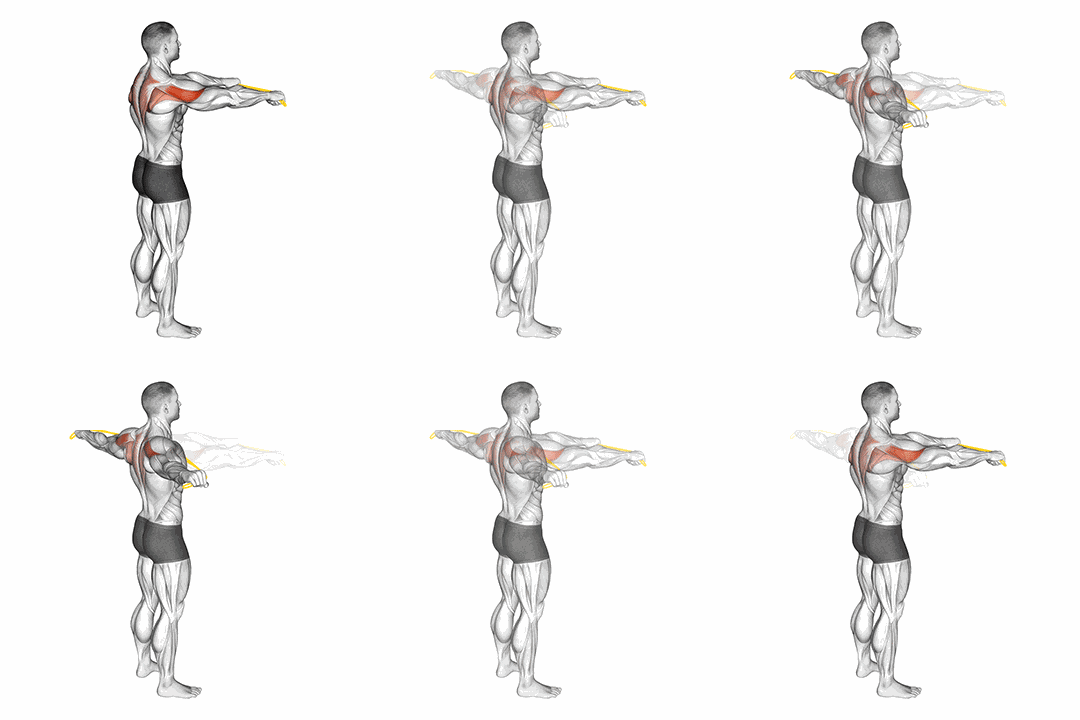
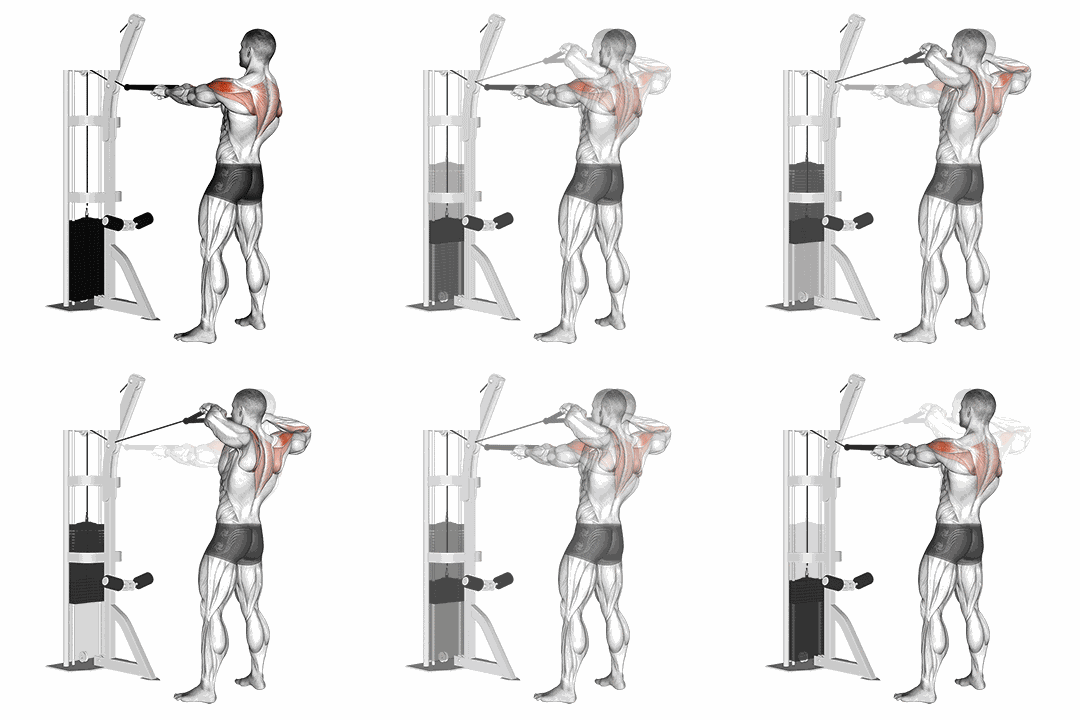
Stretch the back of the shoulder, strengthen the cuff itself. A tight posterior capsule responds to the cross-body stretch; a weak cuff responds to face pulls and external rotations, not to more stretching. Most clicking shoulders need both.
Common mistakes
Yanking into pain.
The cuff is made of small tendons, not hamstrings. Past 4 out of 10 intensity the tissue guards instead of lengthening, and you leave stiffer than you arrived.
Shrugging the shoulder.
Letting the shoulder ride up toward the ear during the cross-body pull shifts the stretch into the upper traps. Pin the blade down and back first, then pull.
Stretching through a pinch.
A sharp pinch in the front or top of the shoulder is impingement, not tightness. Back off the range, change the angle, and if it keeps pinching, get it assessed.
Stretching only, never strengthening.
If your shoulder feels tight every single day, the cuff is probably weak and guarding. Pair this stretch with two weekly sets of external rotation work and the tightness fades for good.
Variations and progressions
Easier
Pendulum swings
Lean on a bench, let the arm hang and draw small circles. Zero effort, zero load: the gentlest option for an irritated or post-injury shoulder.
Harder
Sleeper stretch
Lying on your side, shoulder and elbow at 90°, gently push the forearm toward the floor. A much stronger posterior cuff stretch: go easy, it is famously overdone.
Prefer moving?
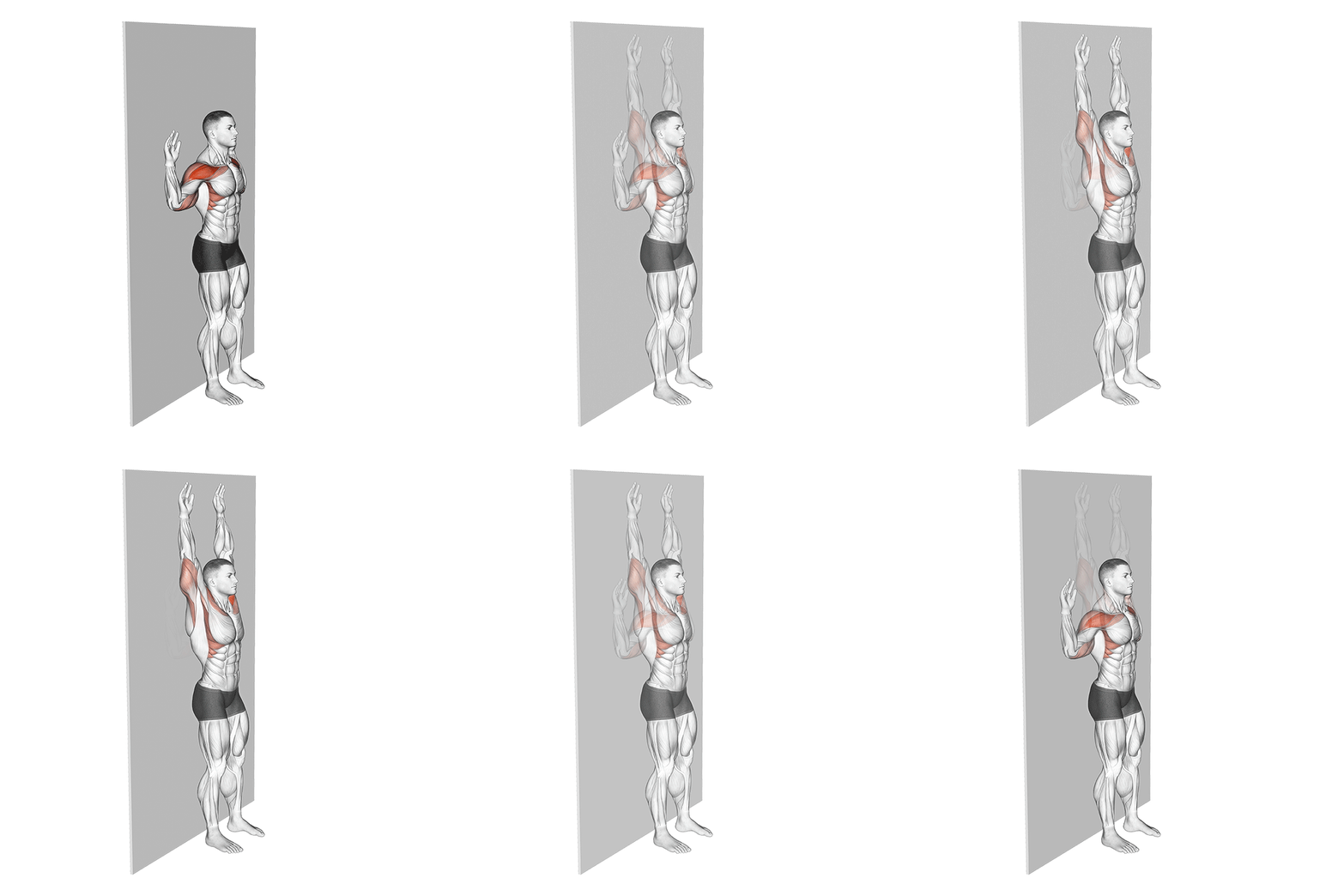
Shoulder CARs and wall slides
Slow controlled articular rotations or wall slides mobilize the same tissues dynamically, a better fit before training than static holds.
How to program it
Three protocols by goal. Pick one per cycle and aim for progression on load or distance.
| Goal | Sets × distance | Load | Rest |
|---|---|---|---|
| Desk-work relief | 2 × 30 s per side | Gentle, 3-4/10 stretch | None |
| Post-training | 2 × 30-45 s per side | Relaxed, after pressing days | None |
| Mobility block | 3 × 45 s per side, daily | Both positions, 4/10 max | 15 s between holds |
Rotator Cuff Stretch FAQ
Should I stretch my rotator cuff before bench press?
Not statically. Long holds right before pressing can blunt the stabilizing reflex you need under the bar. Warm up with band external rotations, pull-aparts and a few light sets instead, and keep the static stretching for after training or a separate time of day. The exception: one short, gentle cross-body hold if your shoulder feels locked up.
My shoulder clicks when I stretch it. Should I stop?
Painless clicking is usually harmless: tendons gliding over bone, gas in the joint, nothing more. Keep stretching, keep strengthening, and most clicks quiet down as control improves. A click that comes with pain, a catching sensation or loss of strength is a different story: stop poking at it and have it assessed by a physio.
How often should I do this stretch to see results?
Daily, for at least four to six weeks. Range of motion responds to frequency more than intensity: two gentle minutes every day beats a brutal ten-minute session once a week. Test your progress monthly with the towel stretch, measuring how close your hands get behind your back. When the gap stops shrinking, you have found your useful range; maintain it with three sessions a week.