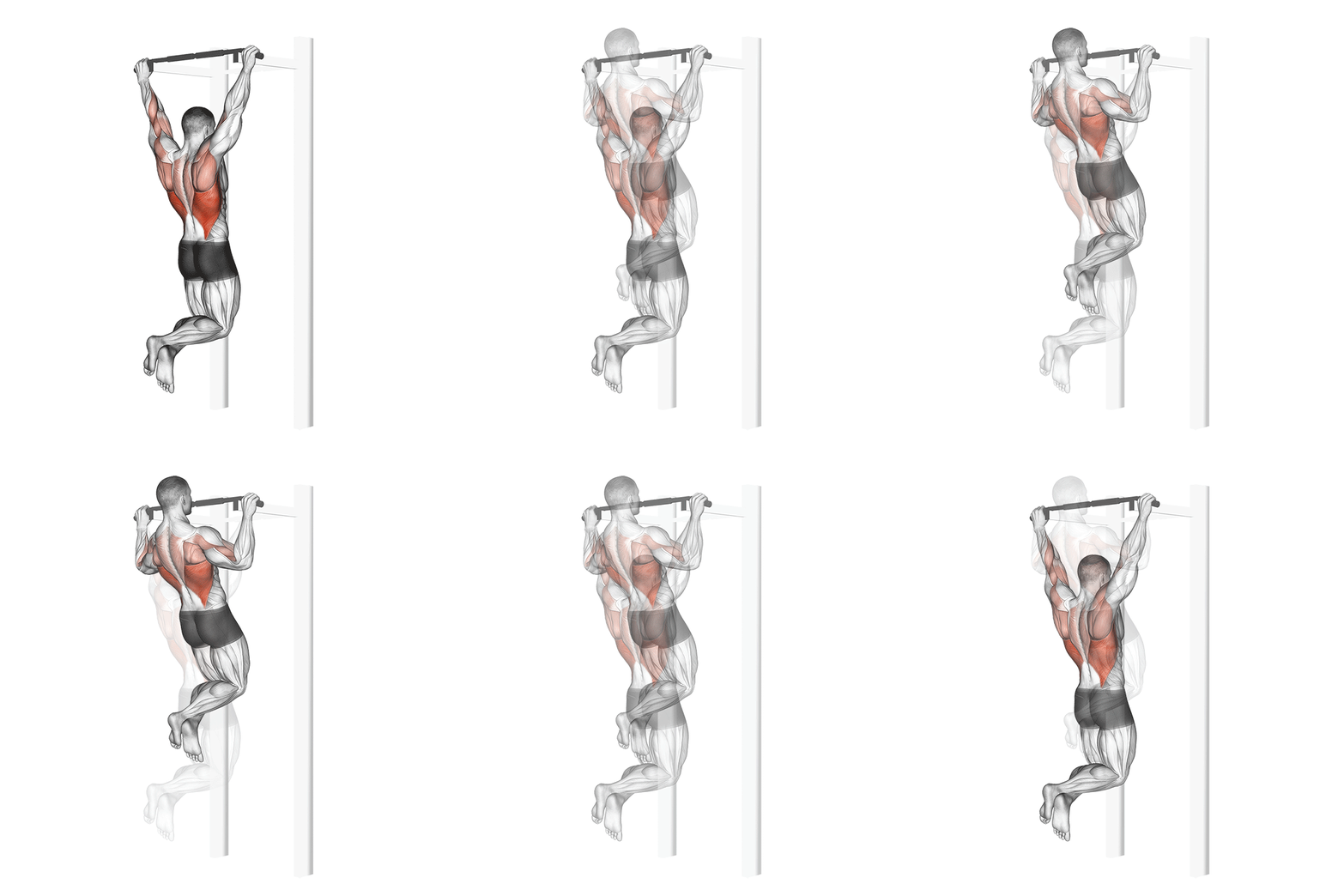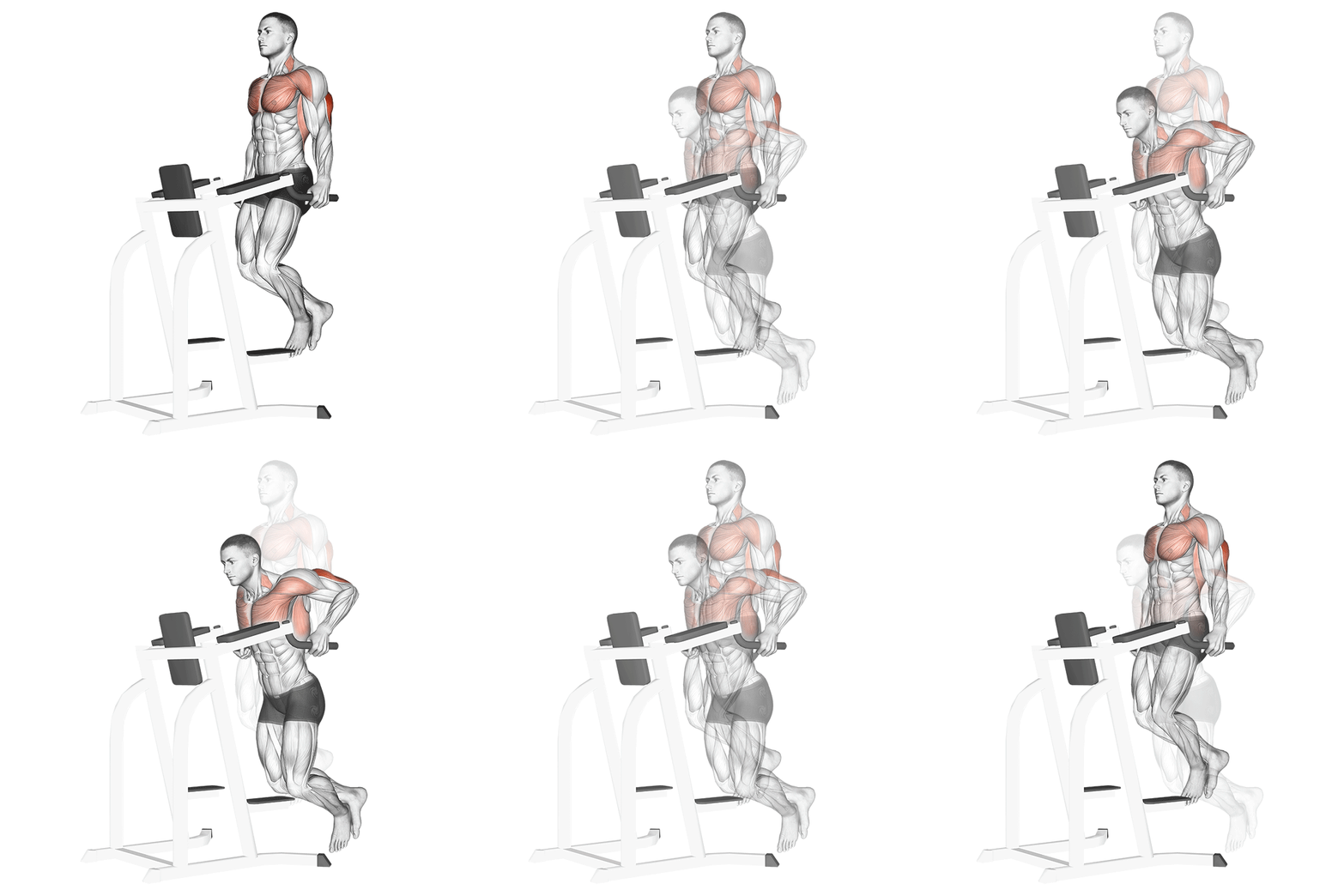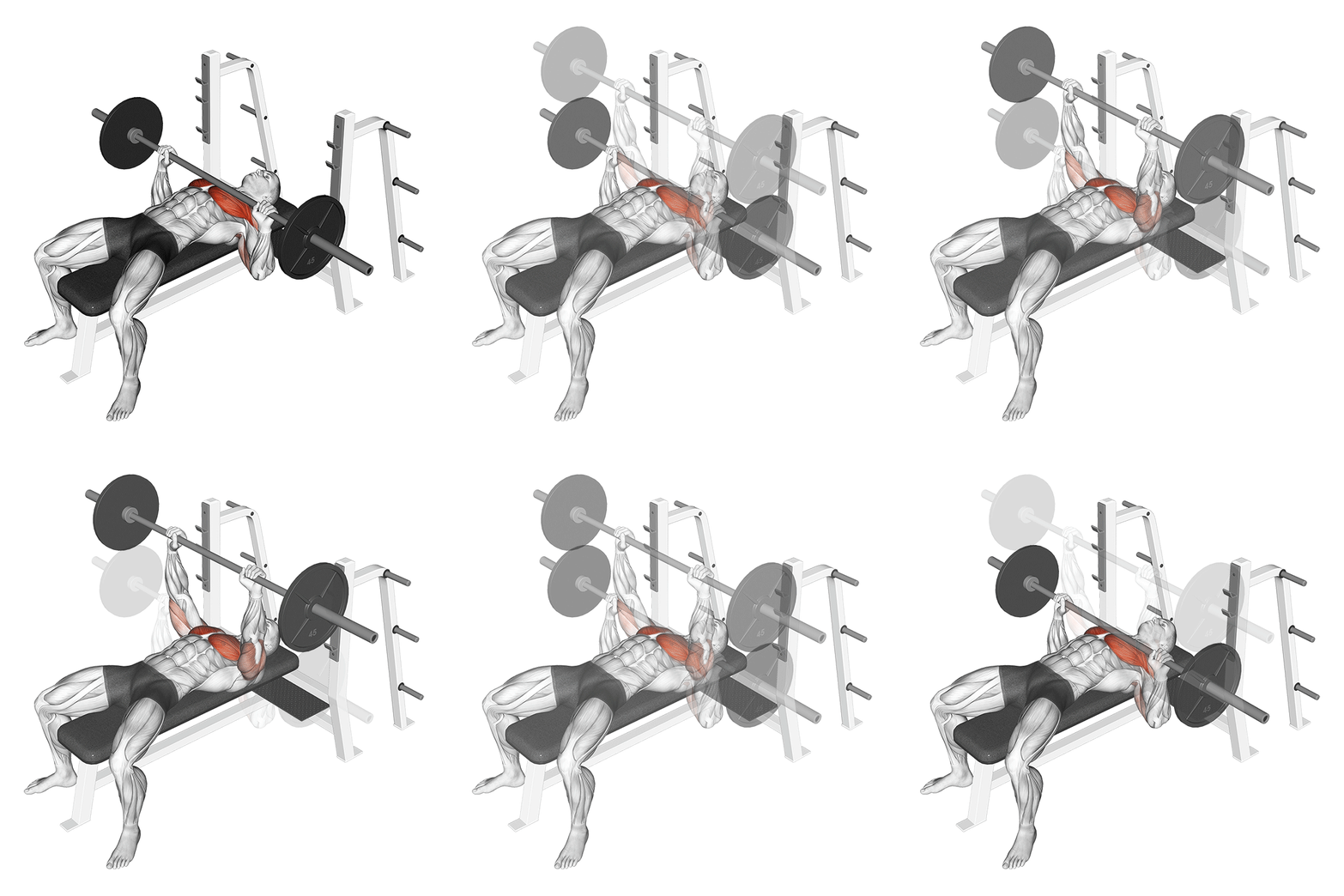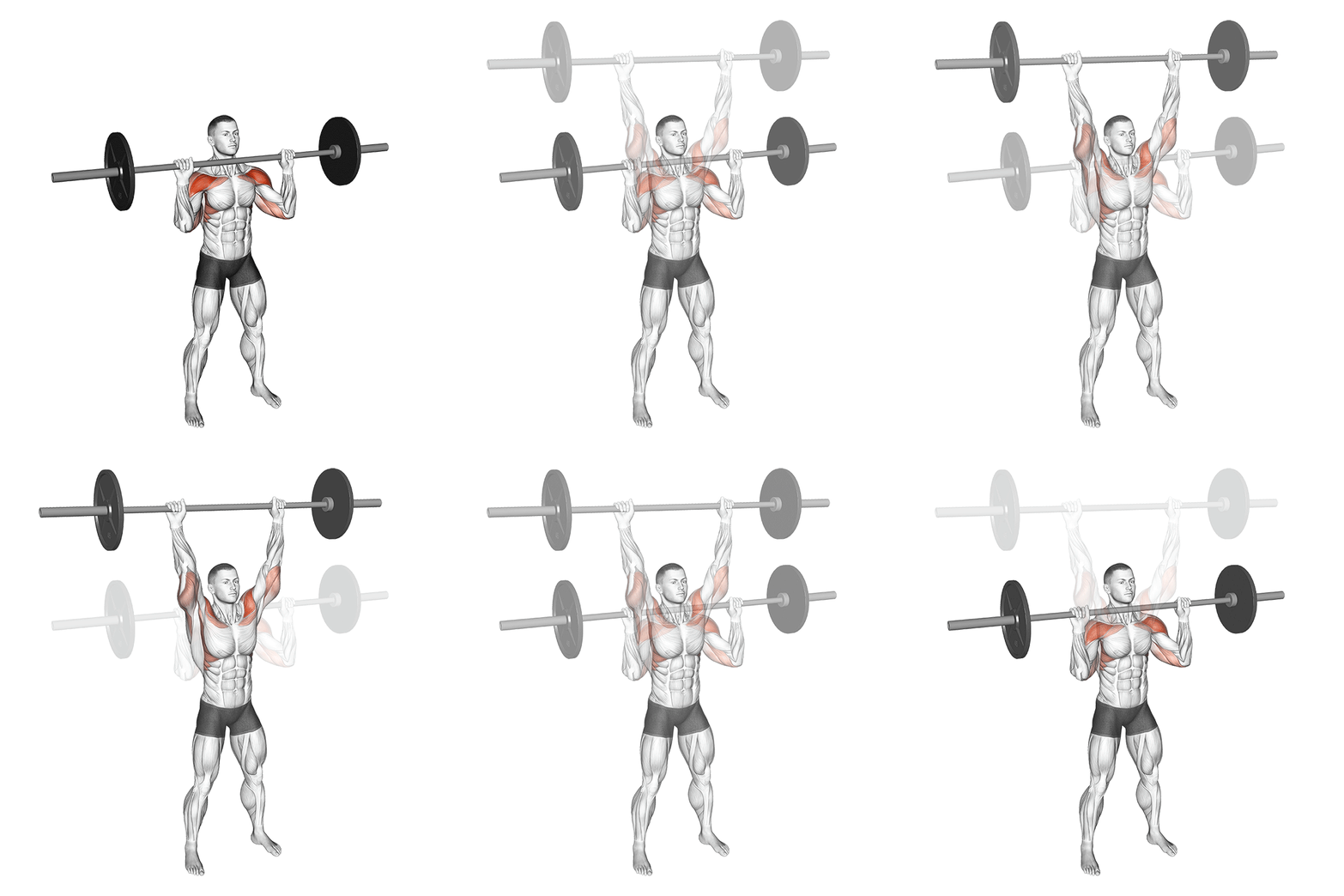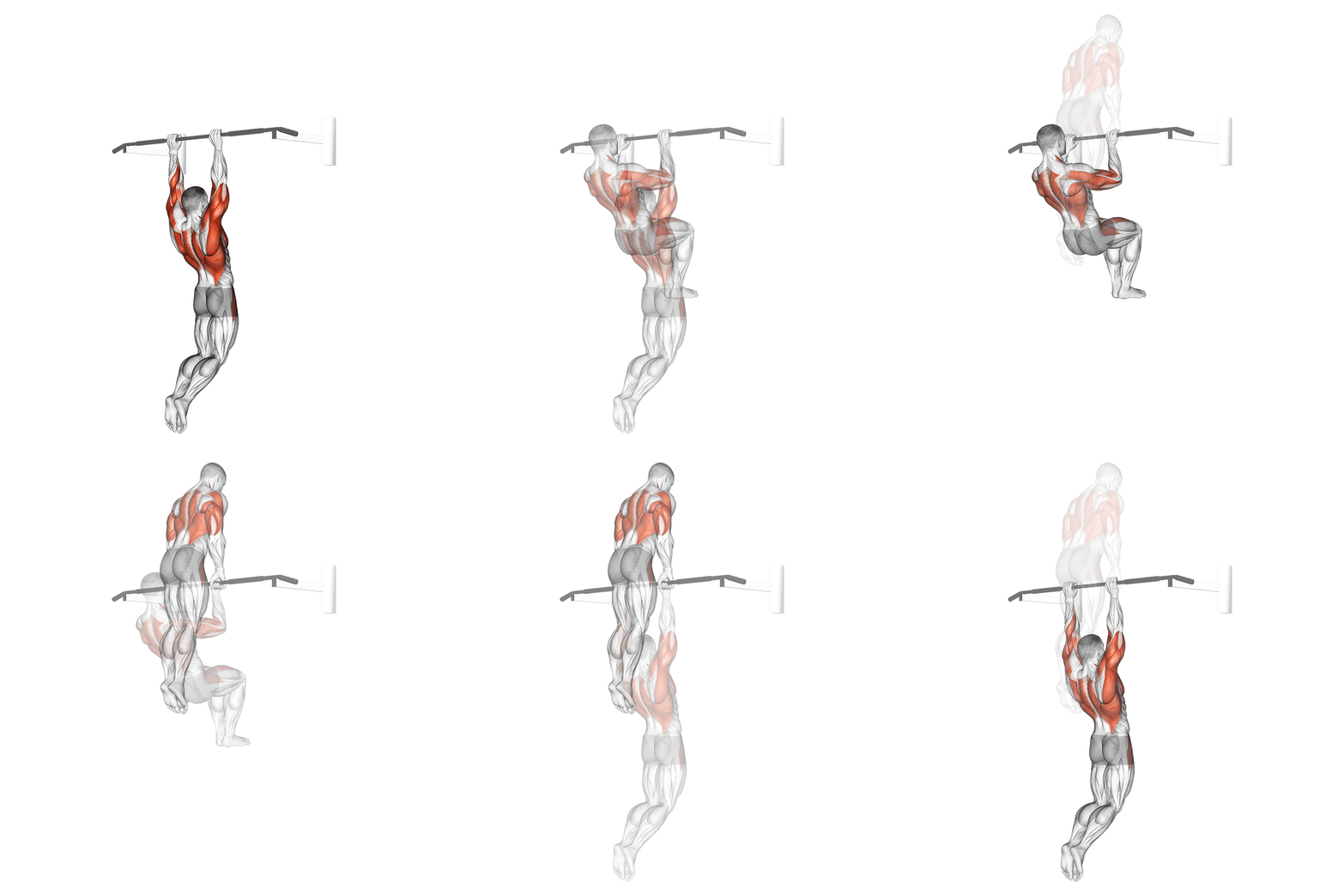
What is the muscle-up?
The muscle-up is a hybrid pulling and pressing movement where you start hanging from a bar or rings, explosively pull yourself up high enough that the bar passes your sternum, transition the chest over the bar (or rings turn out), and finish by pressing into a full support position above. It demands a strict pull-up around chest height as a baseline, dip strength, explosive coordination, and the timing to nail the transition. Once owned, it's the most efficient way to climb onto any high surface and a signature unlock in gymnastic strength.
How to do the muscle-up
- 1
Set a false grip (rings) or full grip (bar)
On rings, sit your wrists on top so the heel of the hand rests on the ring, this shortens the transition. On a bar, take a thumb-over grip with hands shoulder-width.
- 2
Pull explosive, high and into you
From a controlled swing or dead hang, pull as hard as you can. The goal is to bring the bar (or rings) below the sternum, not just the chin over the bar.
- 3
Drive the chest over
At peak height, throw the chest forward and roll the wrists over the bar, or turn the rings out. This is the transition, the make-or-break moment of the rep.
- 4
Press into support
Once over, finish with a tight dip lockout. Arms straight, body braced. Lower slow on the way down to bank eccentric strength.
Pro tip
If you can't do 10 strict pull-ups and 10 strict dips, don't chase the muscle-up. Build those numbers first, then add explosive pull-ups to chest height. The transition becomes easy when the strength is there.
Common mistakes
Pulling only to chin height.
A standard chin-over pull is way too low for the transition. Pull until the bar hits the sternum, every rep.
Kipping wildly with no strength base.
Kipping muscle-ups without baseline pull-up and dip strength just trash the shoulder. Earn the strict version first.
Losing the false grip on rings.
If the wrists drop into a regular hang, the transition gets twice as long. Glue the wrists on top of the rings the entire pull.
Chicken-winging the transition.
Pressing one elbow over before the other strains the shoulder asymmetrically. Drive both elbows up together, fast.
Variations and progressions
Easier
Banded muscle-up
Loop a strong band over the bar and stand in it. Reduces effective bodyweight, lets you groove the transition path.
Harder
Strict ring muscle-up
No kip, no swing. Pull from a dead hang on rings to a full support, slow tempo. The gold standard of upper-body pulling strength.
No rings or high bar?
Weighted pull-ups + weighted dips
Build the two ingredients separately. 5+ reps of pull-ups with bodyweight on a belt and 5+ reps of dips at +30 kg makes the muscle-up trivial.
How to program it
Three protocols by goal. Pick one per cycle and aim for progression on load or distance.
| Goal | Sets × distance | Load | Rest |
|---|---|---|---|
| First muscle-up (skill) | 5 × 2-3 attempts, fresh | Bodyweight + band assist | 2-3 min |
| Strength volume | 4 × 3-5 | Bodyweight or +5-10 kg | 2 min |
| Conditioning / metcon | EMOM 8 min, 2 reps | Bodyweight | Within the minute |
Muscle-Up FAQ
How long until I get my first muscle-up?
If you already have 10 strict pull-ups and 10 strict dips, expect 4-8 weeks of focused skill work. If you don't, build those numbers first, that's typically 3-6 months. Trying to skip the strength foundation is the most common reason people stay stuck for years on the muscle-up.
Bar or rings, which first?
Rings are easier to learn because the false grip shortens the transition. The bar is harder technically because you have to roll the wrists over a fixed object. Start with rings to build confidence in the transition, then transfer to the bar. Most coaches recommend learning rings first even though they look more advanced.
Should I kip the muscle-up?
For metcon work and competitive Hyrox or CrossFit, yes, kipping is the way to chain reps efficiently. For strength building and shoulder health, no, strict is the gold standard. Best approach: own the strict version first to bulletproof the shoulder, then learn the kip when you need volume under fatigue.