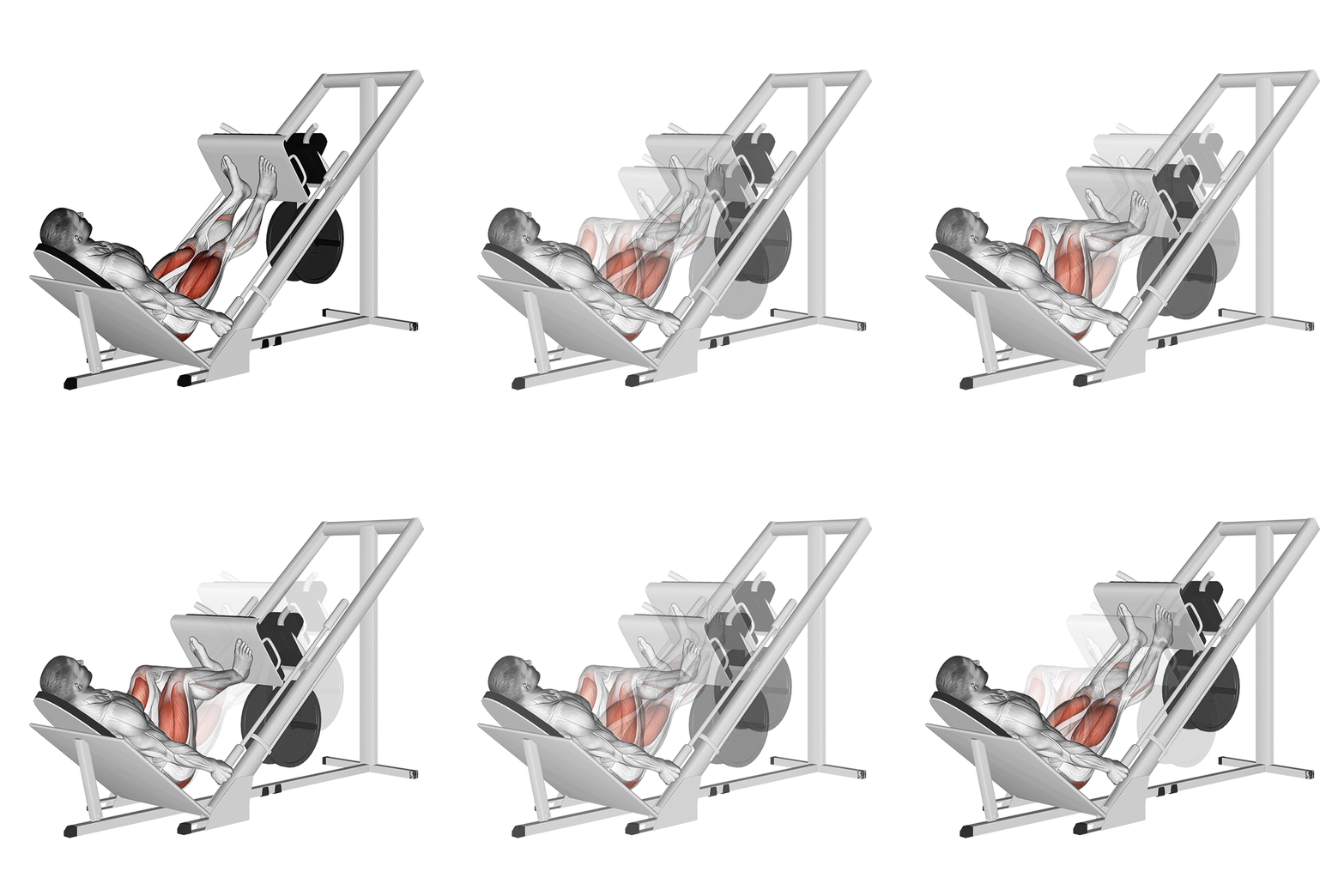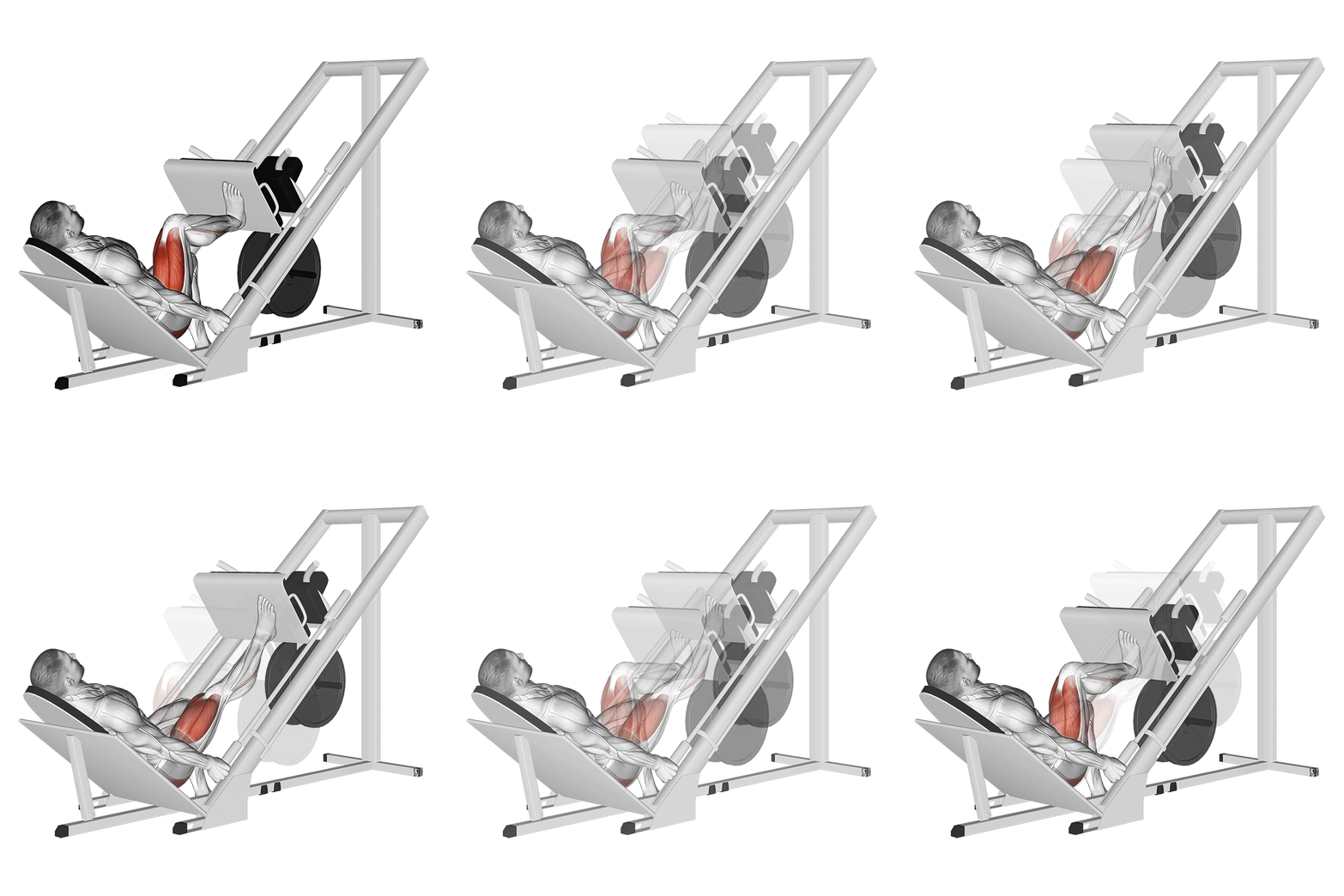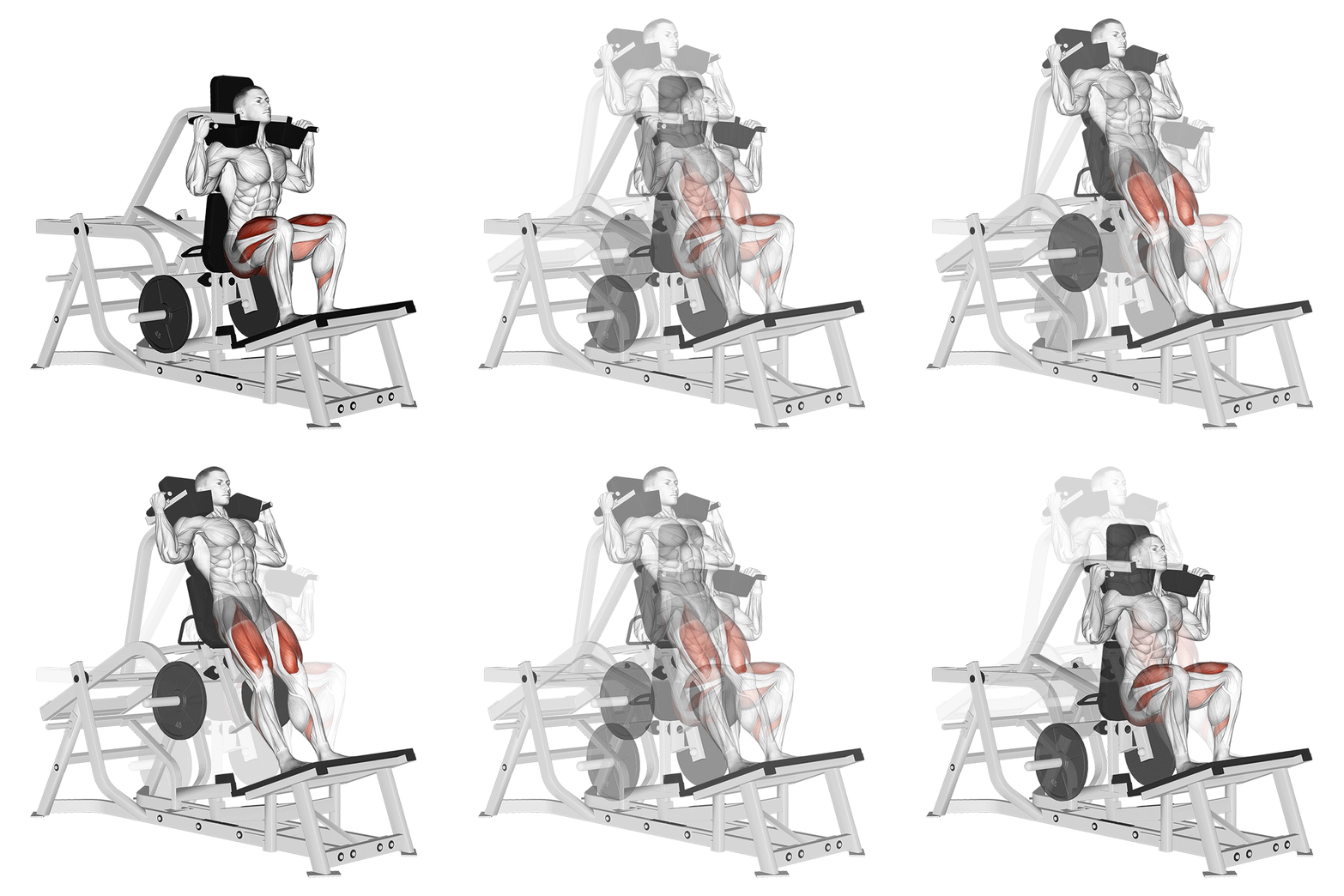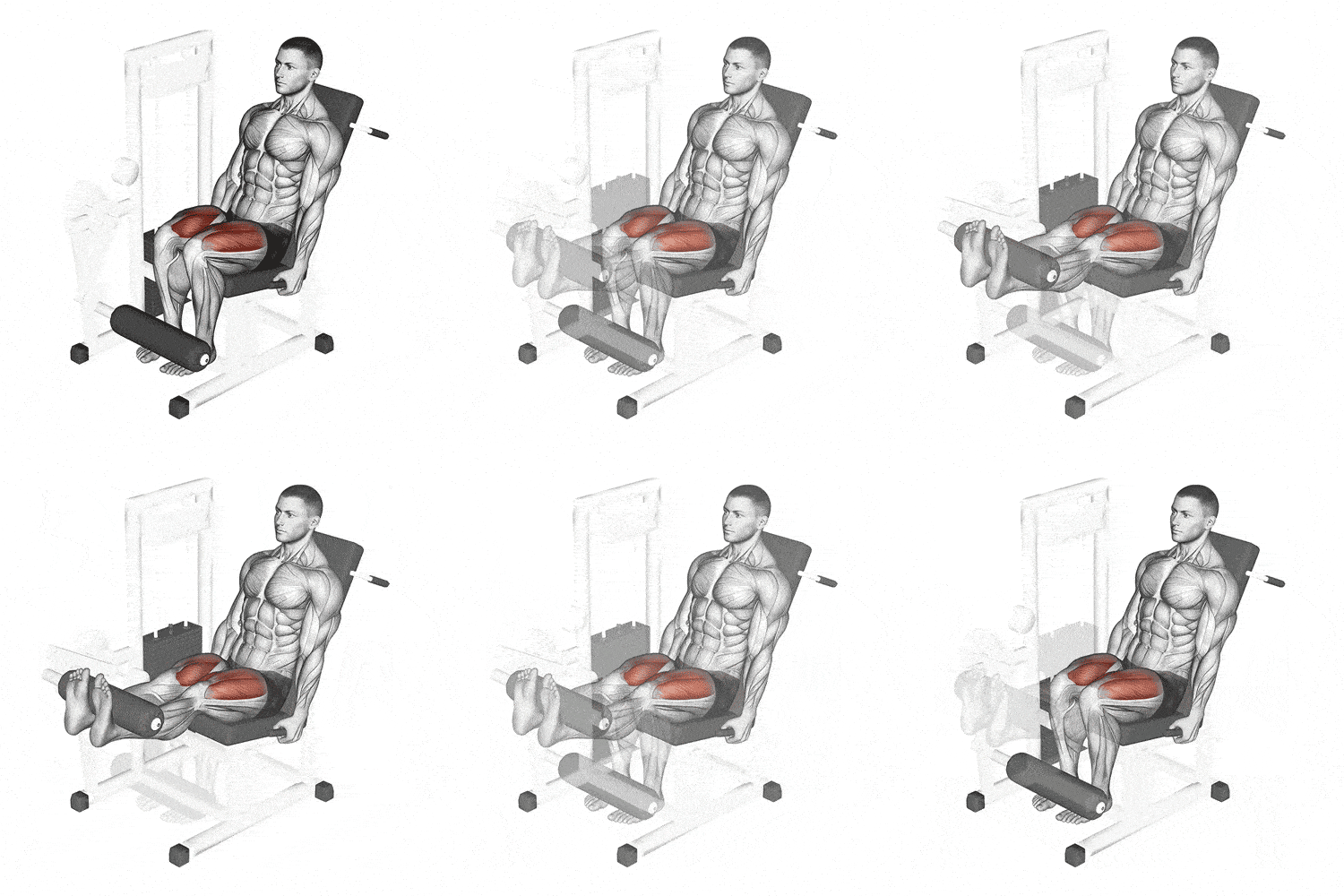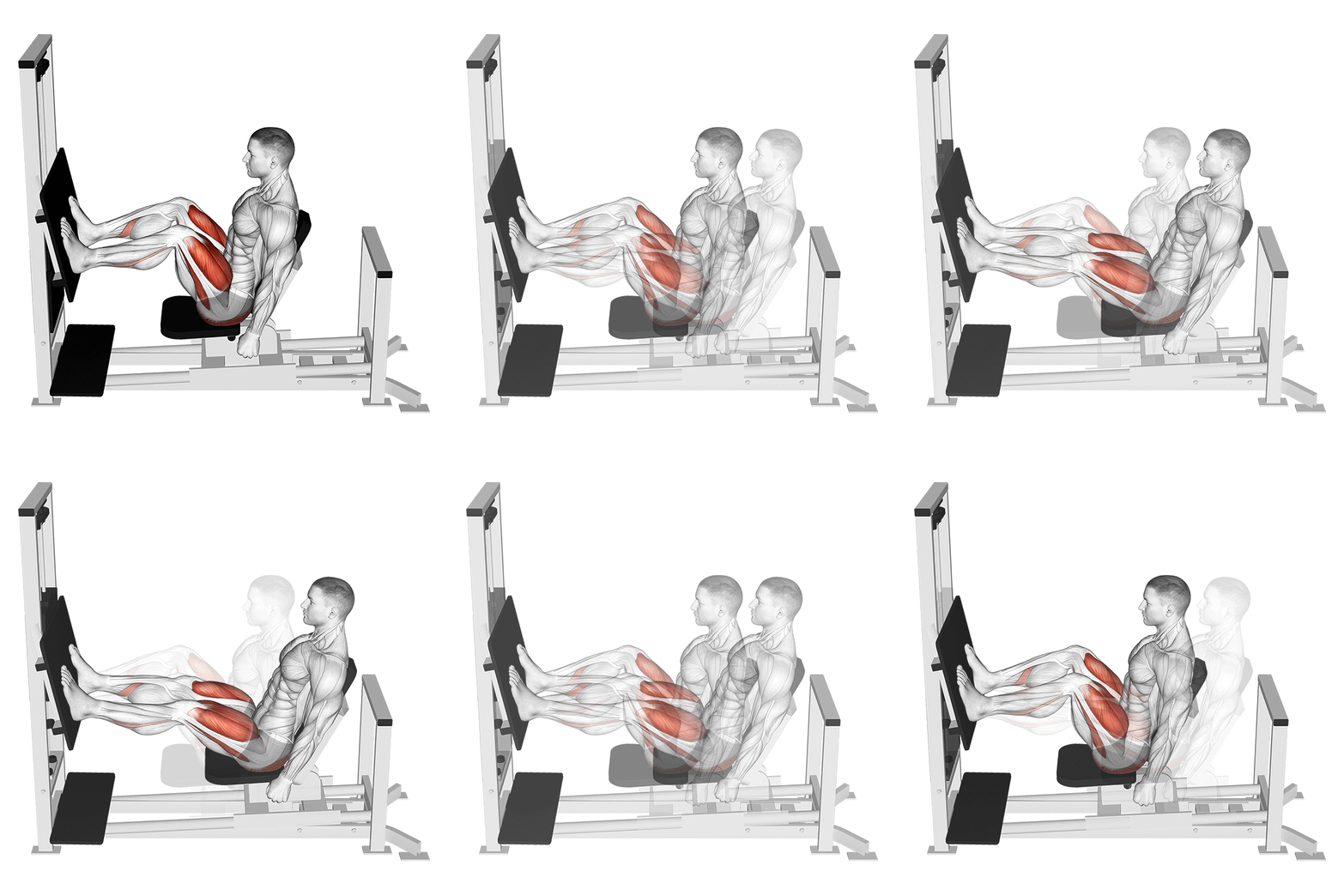
What is the lever horizontal leg press?
The lever horizontal leg press is a seated machine exercise, usually on a selectorized pin stack, where you drive a footplate straight away from you. With your back and pelvis supported by the pad, you press through both feet to just short of knee lockout, then control the return to roughly 90° of knee bend. The quads do most of the work with glutes and adductors assisting, along a fixed path that demands almost no technique or balance. That makes it ideal for beginners learning to push, for rehab and for high-rep leg volume when the lower back is already cooked by squats and deadlifts.
How to do the lever horizontal leg press
- 1
Adjust the seat first
Set the seat so your knees sit around 90° at the start, pelvis and lower back flat against the pad. Place your feet mid-platform, hip to shoulder width, toes slightly out.
- 2
Brace and press out
Grip the handles, brace your core and push through the whole foot, heel included. Knees track over the toes. Stop just short of locking the knees out.
- 3
Control the return
Let the platform come back over 2-3 seconds until your knees reach about 90°, or as deep as you can go with your pelvis still planted on the pad.
- 4
Find your rhythm
Exhale as you press, inhale as you return, no pause at either end. Constant tension on the quads from the first rep to the last.
Pro tip
Your depth gauge is your pelvis, not the seat. The exact moment your tailbone starts to curl off the pad, you have found your bottom position; going deeper just bends your lumbar spine, not your knees.
Common mistakes
Locking the knees out hard.
A hard lockout transfers the load to the joints and gives the quads a rest mid-set. Stop a few degrees short and keep the tension.
Hips curling off the pad.
Chasing depth until the pelvis tucks rounds the lower back under load. Shorten the stroke to where your hips stay planted.
Quarter reps with the full stack.
Ten centimetres of travel trains your ego, not your legs. Halve the pin, double the range, and watch your quads finally grow.
Knees caving inward.
Valgus collapse under fatigue stresses the knee ligaments. Lighten the load and actively push the knees out over the toes.
Variations and progressions
Easier
Reduced-range press
Set the seat one notch back and work a shorter stroke with a lighter stack while your hips and knees build mobility. Add range before you add plates.
Harder
Single-leg press
One leg at a time roughly doubles the stimulus per leg, exposes left-right gaps and demands real pelvic control. Expect to use well under half the usual load.
No machine?
Goblet squat
The same knee-dominant pattern with a single dumbbell or kettlebell held at the chest. You trade back support for free balance work and core demand.
How to program it
Three protocols by goal. Pick one per cycle and aim for progression on load or distance.
| Goal | Sets × distance | Load | Rest |
|---|---|---|---|
| Hypertrophy | 4 × 10-12 | Moderate, 2 reps in reserve | 90 s |
| Strength base | 4 × 6-8 | Heavy, RPE 8 | 2-3 min |
| High-rep volume | 3 × 15-20 | Moderate, burn but no grinding | 60-90 s |
Lever Horizontal Leg Press FAQ
Horizontal or 45-degree leg press: which is better?
They train the same muscles. The horizontal machine is easier to get in and out of, starts lighter and suits beginners and rehab, but its pin stack caps the load. The 45-degree sled takes plates and lets advanced lifters go far heavier. Pick the one whose range your pelvis tolerates without tucking; for most people starting out, that is the horizontal version.
Where should I place my feet on the platform?
Mid-platform, hip to shoulder width, is the all-round default. Feet lower on the plate increase knee travel and bias the quads; feet higher recruit more glutes and hamstrings; a wider stance brings in the adductors. Shift placement across sets or blocks depending on what you want to grow, but never let the heels lift off the plate.
Can the leg press replace squats?
For pure quad size, it comes surprisingly close, and with zero spinal compression. What it cannot build is the balance, bracing and hip control that free-weight squats train, which is exactly what carries over to running, lunges and sled work. Keep a squat pattern in your week as the skill lift and use the press to pile on volume the back cannot afford.