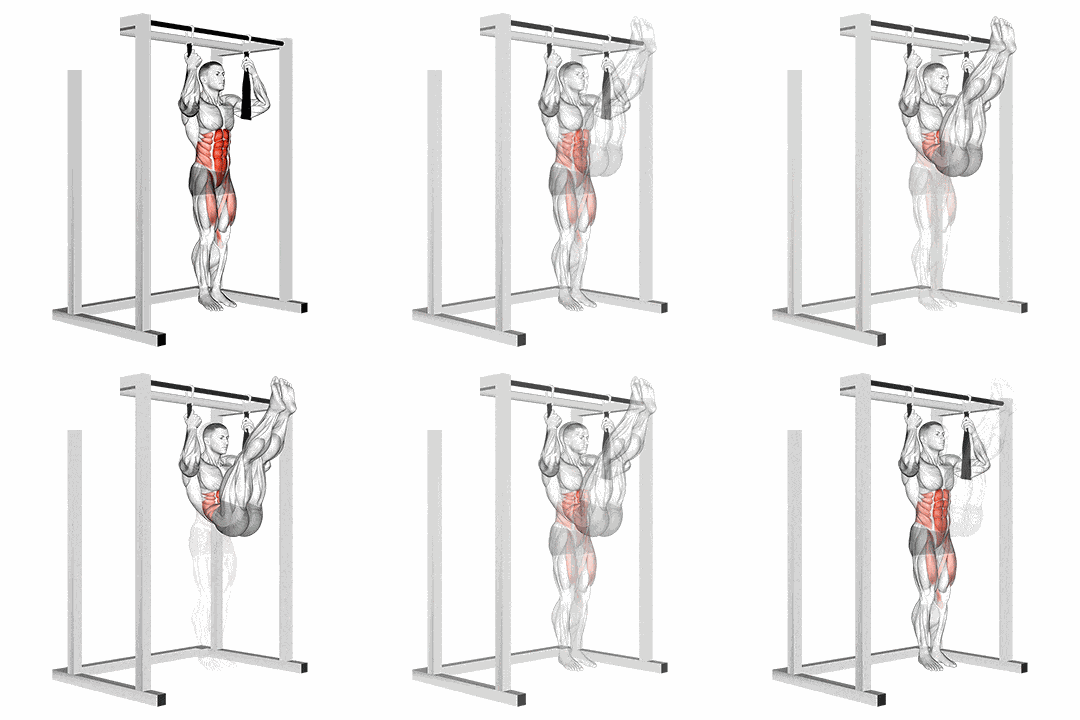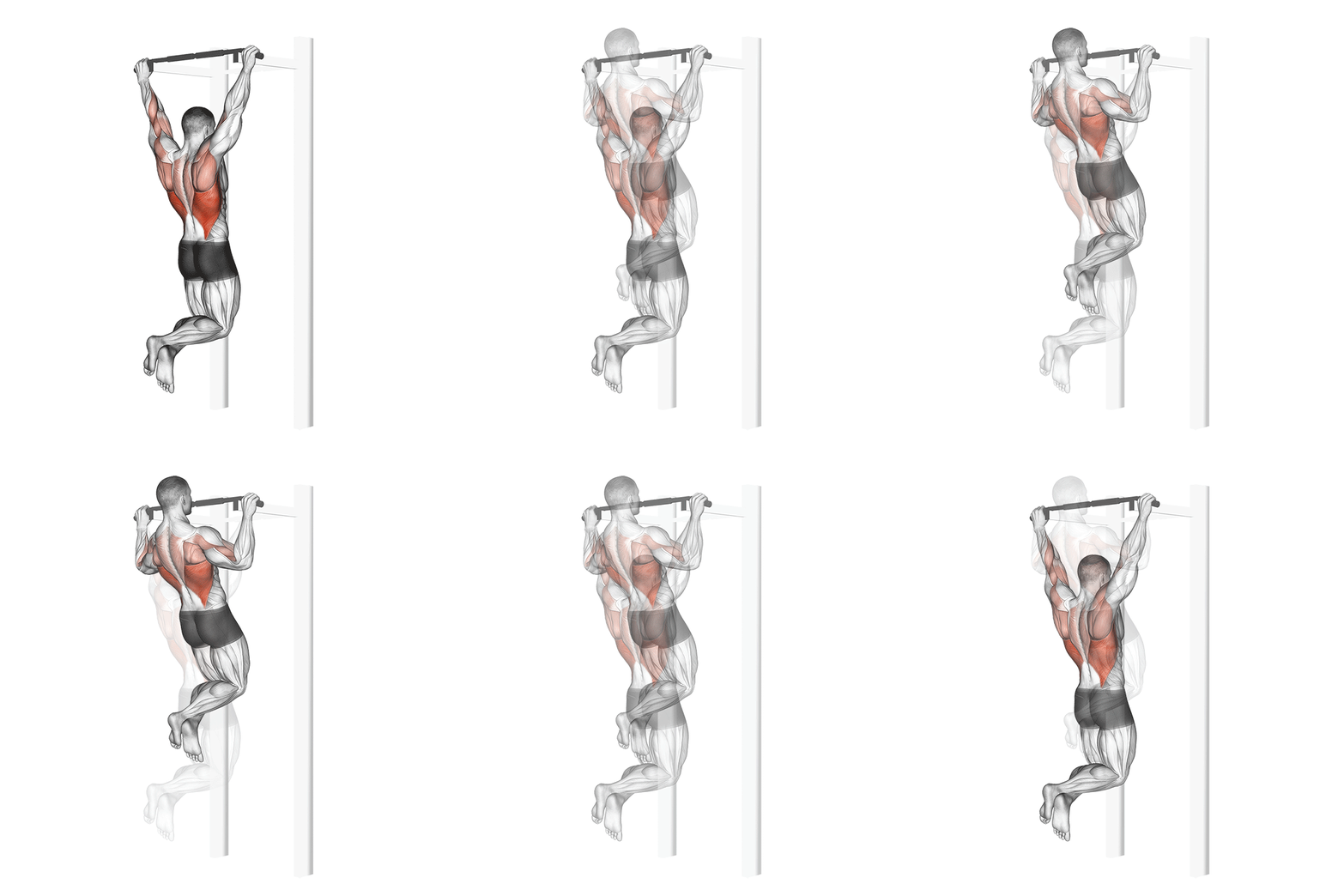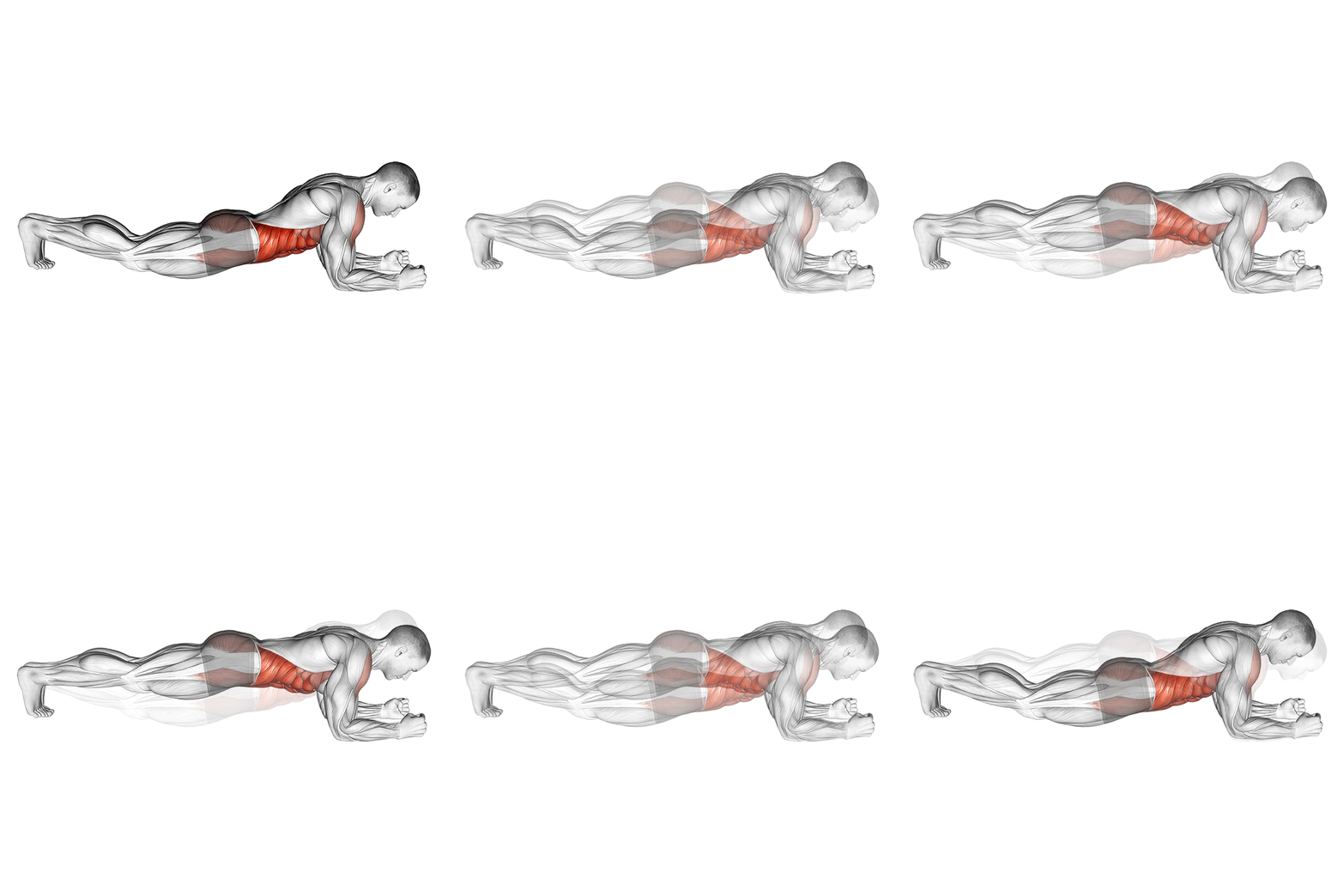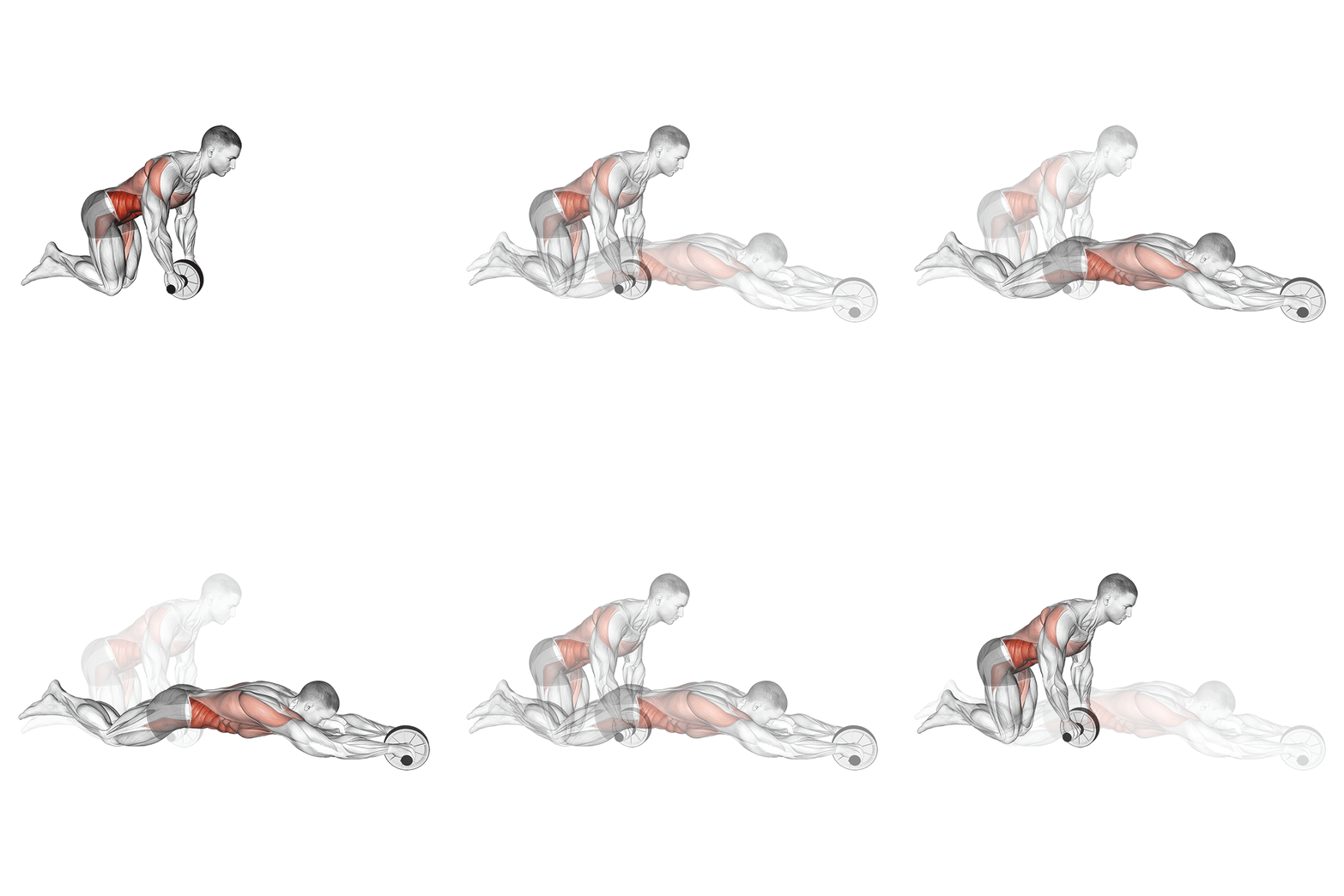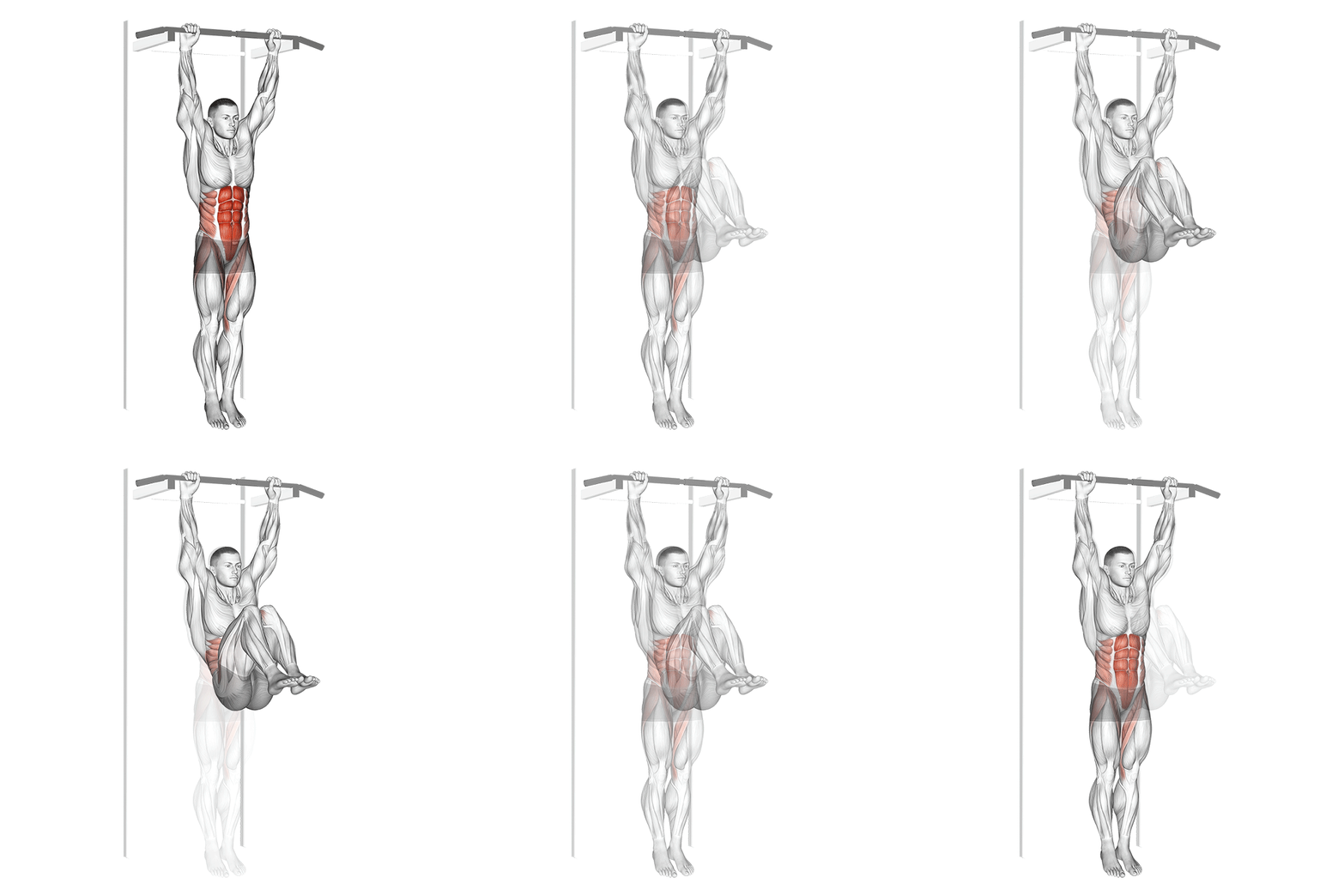
What is the hanging knee-to-chest?
Hanging knee-to-chest is performed from a dead hang on a pull-up bar. You stabilize the shoulders, tuck the pelvis, and draw the knees up to the chest using the lower abs, then lower with control. Because the legs aren't fully extended the lever is shorter than a leg raise, so it's accessible to most trainees while still loading the lower core hard. It also exposes weak shoulder stability and grip endurance.
How to do the hanging knee-to-chest
- 1
Set up the hang
Hands shoulder width on the bar, palms forward. Pack the shoulders down and back so you're hanging through the lats, not the joints.
- 2
Tilt the pelvis first
Before lifting the legs, tuck the pelvis under by squeezing the abs. This pre-tensions the lower core for the rep.
- 3
Drive knees up
Pull the knees up toward the chest in a smooth arc. Aim for thighs above parallel without swinging.
- 4
Lower slow, no swing
Lower the knees over 2 to 3 seconds back to the dead hang. Kill any body sway before starting the next rep.
Pro tip
If you swing, your lats and hip flexors take over. Pause at the bottom of every rep to reset. Three strict reps beat ten swung ones.
Common mistakes
Swinging the body.
Momentum bypasses the abs entirely. Cap each rep with a dead-hang pause to kill the swing.
Pulling with hip flexors only.
If the pelvis stays neutral, the hip flexors do all the work and the abs get nothing. Lead the rep by curling the pelvis.
Hanging from the joints.
Loose shoulders pinned at the top of the bar stress the rotator cuff. Pack the shoulders down before every set.
Stopping the knees too low.
If thighs don't reach parallel you're skipping the hardest part of the rep. Drive higher even if you have to lighten the cadence.
Variations and progressions
Easier
Captain's chair knee raise
Forearms on the pads removes the grip and shoulder demand. Same core stimulus, easier on the rest of the body.
Harder
Hanging leg raise or toes-to-bar
Straight legs multiply the lever. Toes-to-bar is the full progression and a serious skill target.
Bar issues?
Lying reverse crunch
Lying on your back, drive the knees toward the chest by tucking the pelvis. Trains the same lower-ab pattern without hanging.
How to program it
Three protocols by goal. Pick one per cycle and aim for progression on load or distance.
| Goal | Sets × distance | Load | Rest |
|---|---|---|---|
| Technique | 3 × 8 strict | Bodyweight | 60 s |
| Hypertrophy | 4 × 10-12 | Bodyweight + 2 s pause top | 60 s |
| Toes-to-bar prep | 5 × 6 with full ROM | Bodyweight, slow tempo | 90 s |
Hanging Knee-to-Chest FAQ
My grip gives out before my abs. What do I do?
Two options. Use lifting straps so the grip is removed from the equation, or use the captain's chair to skip the hang entirely. Both build the same core. Don't let weak grip stop you from training the abs, attack grip separately on dedicated days.
Knee raise versus leg raise, which is better?
Knee raise builds the pattern with less load on the lower back. Straight-leg raise loads the abs harder but exposes weak hip-flexor flexibility and lumbar stability. Master the knee version with strict pelvic tilt for 3 sets of 12 before going to legs straight.
How often should I train hanging knee raises?
Two to three times per week is plenty. Keep total reps under 50 per session for quality. If you train pull-ups the same day, do the knee raises after, when shoulders are warm but not toasted. Recovery is fast so the limiting factor is technique not volume.