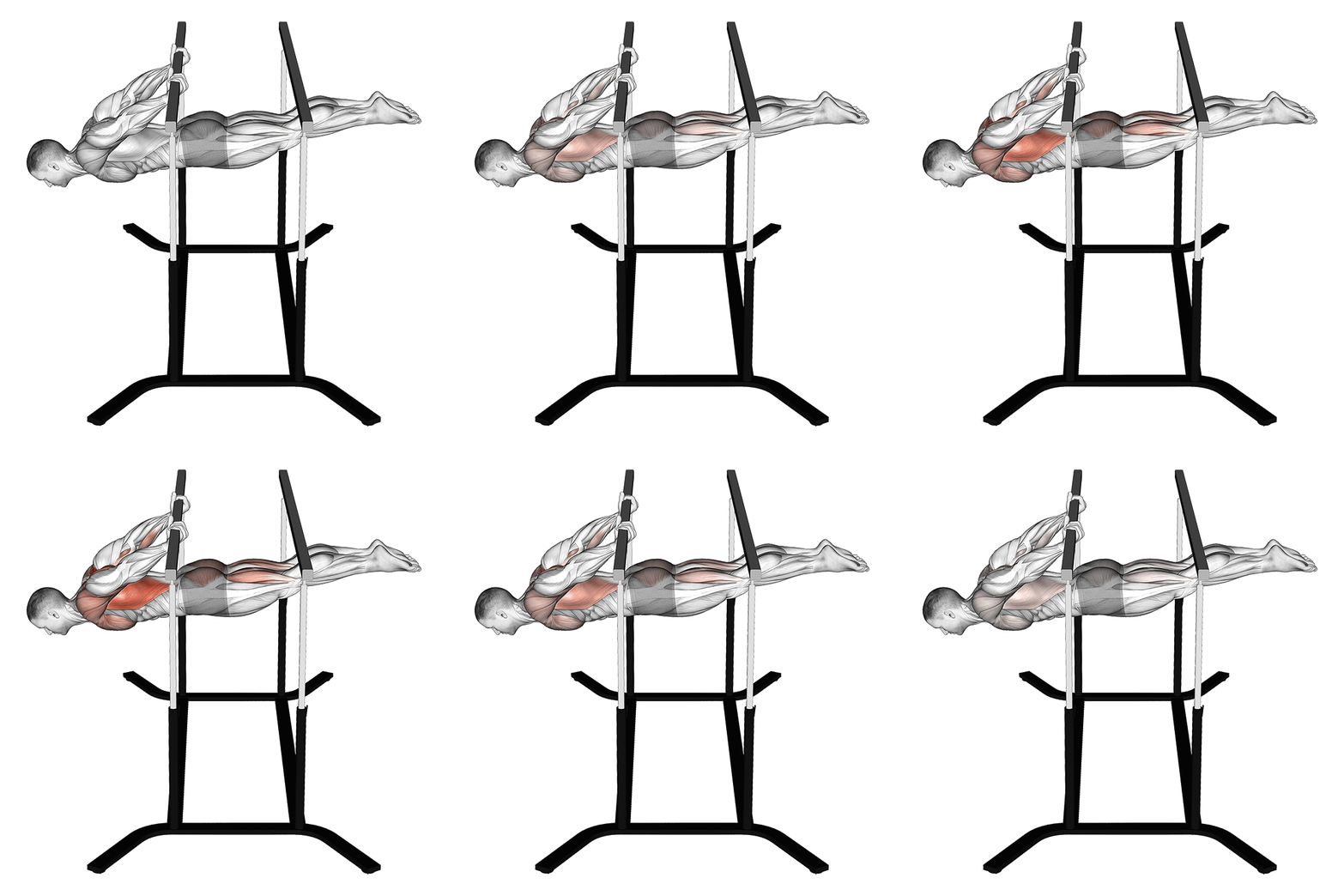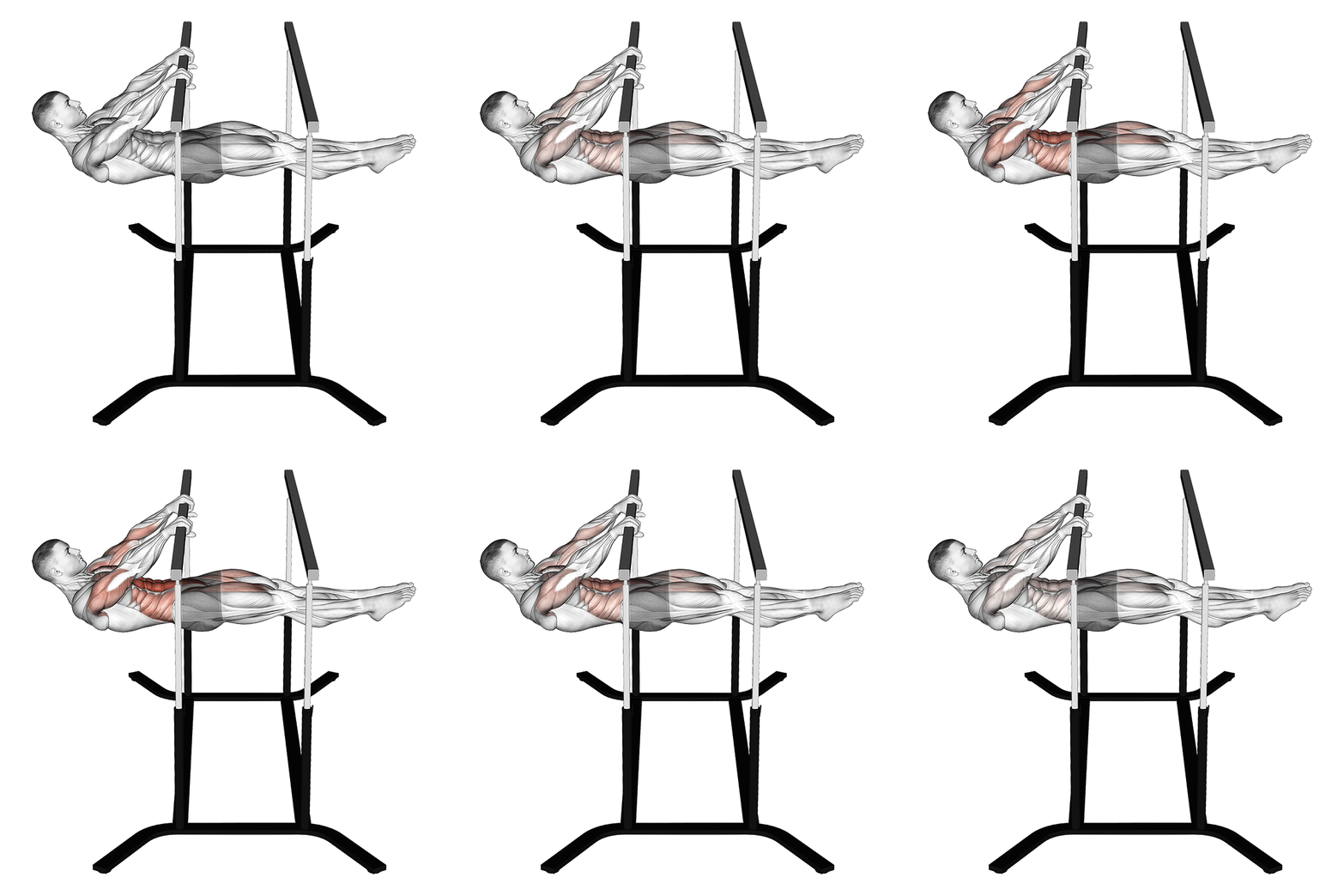
What is the front lever?
The front lever is a straight-arm isometric hold on the bar or rings: hanging face-up, you pull your shoulder blades down, press the bar toward your hips and hold your entire body horizontal, elbows locked. It hammers the lats harder than almost any pull, forges anti-extension core strength and bulletproofs the scapula. The progression runs tuck, advanced tuck, one-leg, straddle, full, and each step is a training cycle of its own. It is a long-term project for calisthenics athletes, climbers and anyone who wants their pull-up and toes to bar numbers to climb as a side effect.
How to do the front lever
- 1
Lock the arms, set the scaps
Overhand grip, shoulder width. Elbows locked hard, shoulder blades pulled down away from your ears. The arms are hooks; the lats do the work.
- 2
Tuck and tilt back
Pull your knees to your chest and tip backward until your back is parallel to the floor. This tuck lever is home base for everything that follows.
- 3
Press the bar to your hips
With straight arms, drive the bar toward your waistline. Hips rise level with the shoulders; the whole body becomes one horizontal plate.
- 4
Extend only what you can hold
Open the hips or extend one leg while the line stays flat. The moment the hips sink, regroup: a flat tuck beats a sagging straddle.
Pro tip
Film every set from the side. Everyone feels horizontal while hanging 30° above it; the camera is the only judge that doesn't flatter you, and judging your angle honestly is half the progression.
Common mistakes
Bent elbows.
Bending the arms recruits the biceps and fakes the hold. Lock the elbows before you leave vertical; if they bend under load, drop back a progression.
Hips sagging into a banana.
A hold where the hips hang below the shoulders trains nothing but bad habits. Posterior pelvic tilt, glutes crushed, body like a plank.
Shoulders riding up.
If the shoulders creep toward the ears, scapular depression is gone and the lats disengage. Push the bar away, keep the neck long.
Rushing the progressions.
Jumping from tuck to straddle because tuck feels easy for 5 s. Own 15-20 s clean at each step before lengthening the lever.
Variations and progressions
Easier
Tuck front lever
Knees to chest, back parallel to the floor. Build to a rock-solid 20 s before lengthening the lever arm.
Harder
Front lever raises
From a dead hang, raise to the lever and lower under control, arms straight throughout. Dynamic strength that makes the static hold feel short.
No bar today?
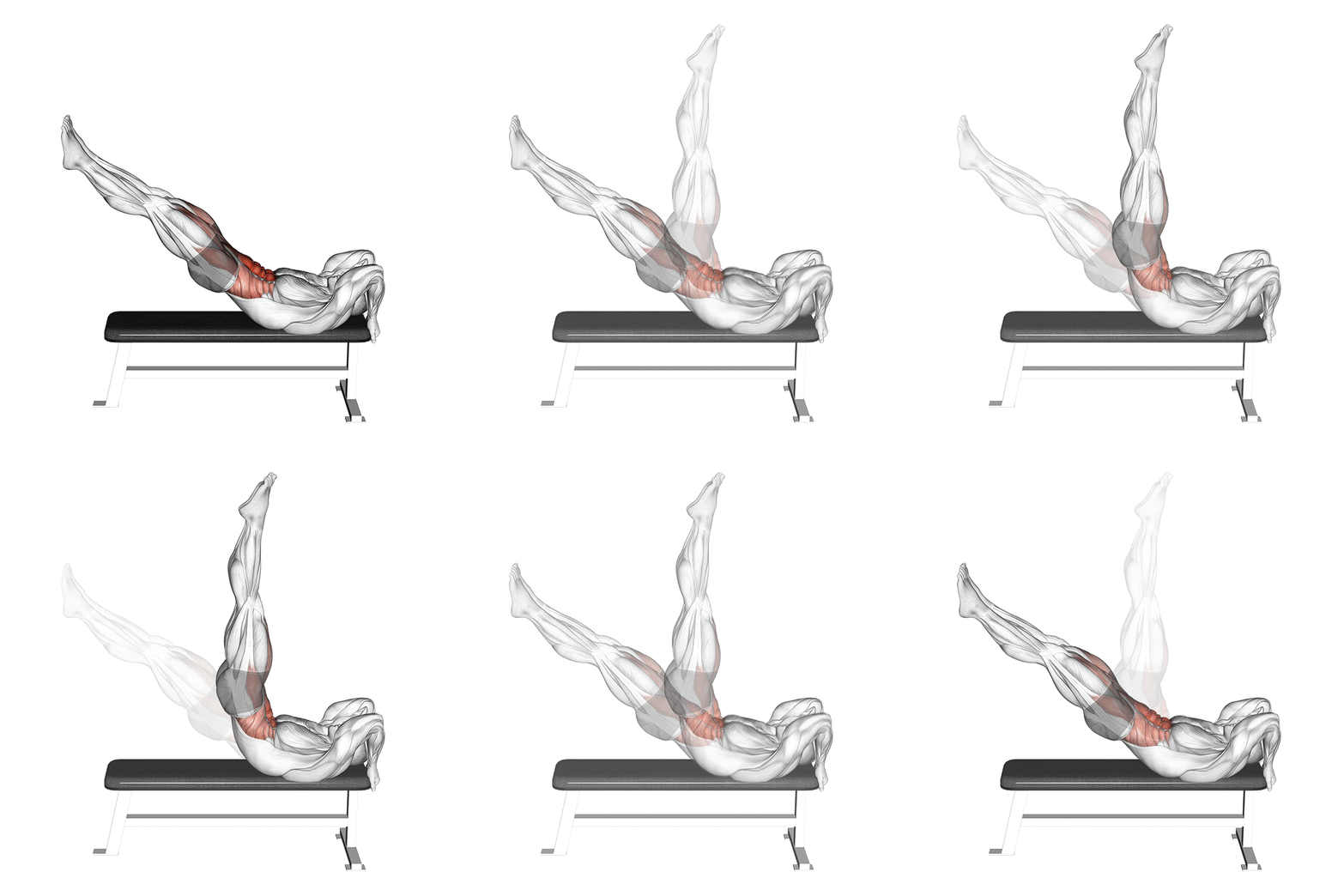
Straight-arm pulldown + dragon flag
The cable builds straight-arm lat strength you can load by the kilo; the dragon flag covers the body line. Together they tick the lever's two boxes.
How to program it
Three protocols by goal. Pick one per cycle and aim for progression on load or distance.
| Goal | Sets × distance | Load | Rest |
|---|---|---|---|
| Skill base | 6 × 8-12 s tuck | Bodyweight | 90 s |
| Progression strength | 5 × 5-8 s | Hardest clean progression | 2-3 min |
| Peak hold | Accumulate 20-30 s | Straddle or full lever | 3 min |
Front Lever FAQ
How long does it take to get a full front lever?
For most athletes, one to three years of consistent work, and bodyweight matters enormously: at 65 kg it may take 18 months, at 90 kg it can take twice that. Budget a full cycle (8-12 weeks) per progression and don't rush the straddle. Fast progress comes from frequency: short holds 3-4 days per week beat one heroic session.
Will weighted pull-ups get me a front lever?
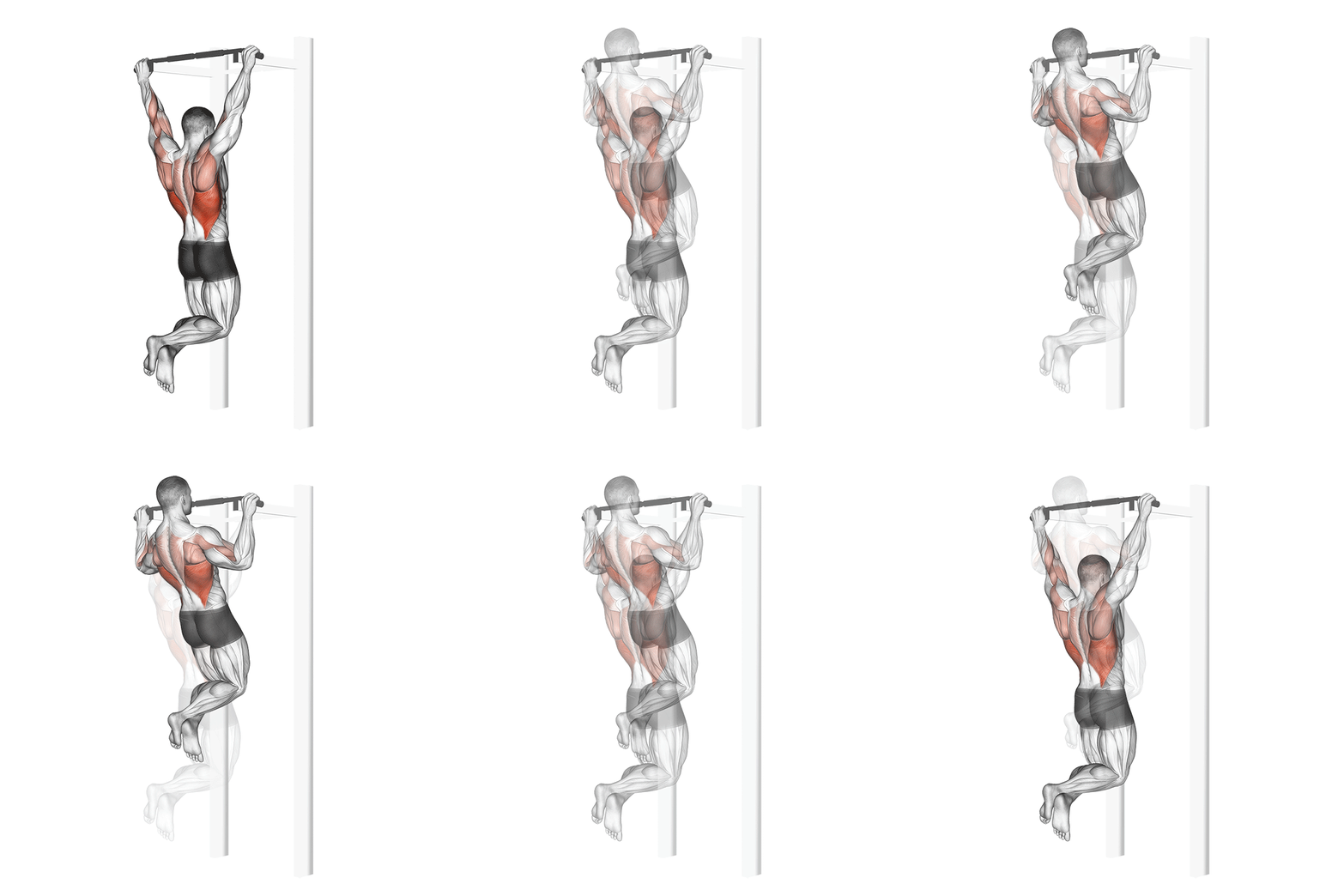
They help but won't get you there alone. The lever is a straight-arm, scapula-depressed position; pull-ups train bent-arm strength through a different shoulder path. Keep pulling heavy for mass and general strength, but the hold itself must be trained: tuck holds, lever raises and straight-arm pulldowns are the specific work.
Bar or rings for front lever training?
Learn on the bar: it's stable, so all your strength goes into the lever instead of fighting wobble. Rings come later; they free the wrists and shoulders and make holds slightly harder but more joint-friendly. Street workout competitions judge levers on the bar anyway, so train where you'll be tested.