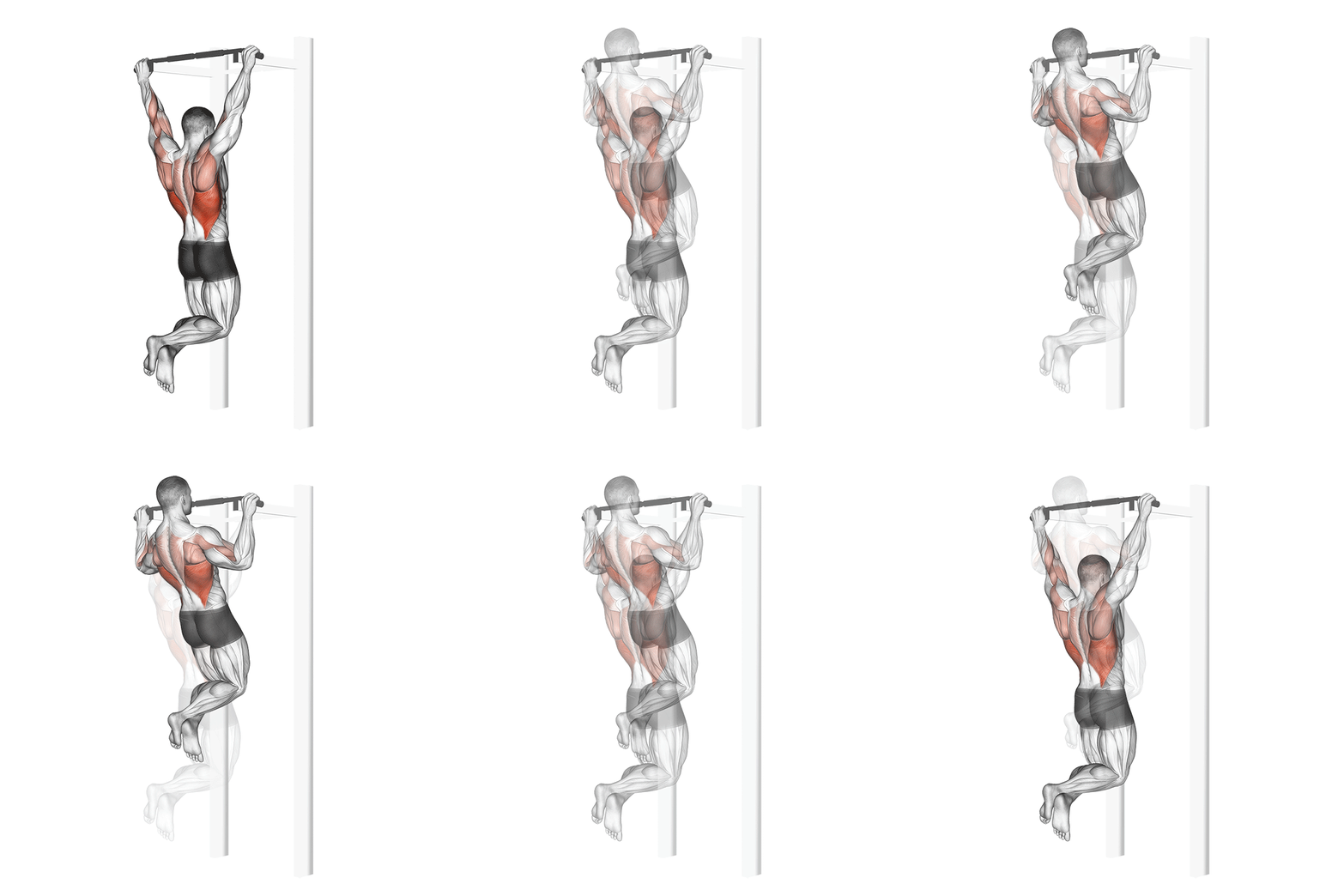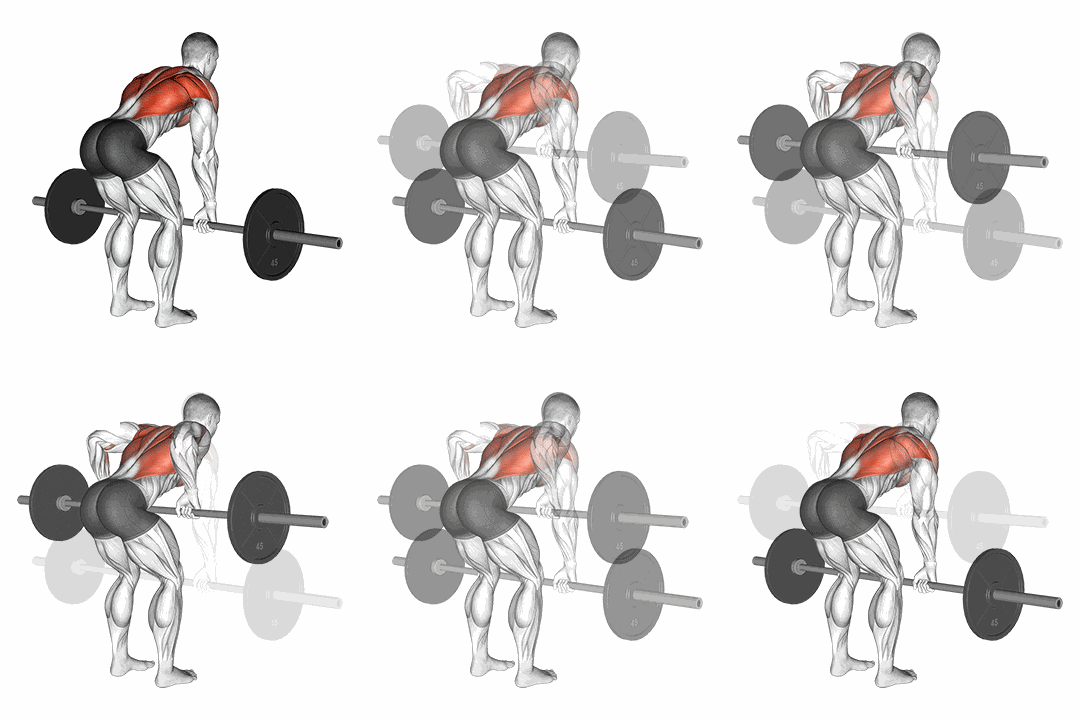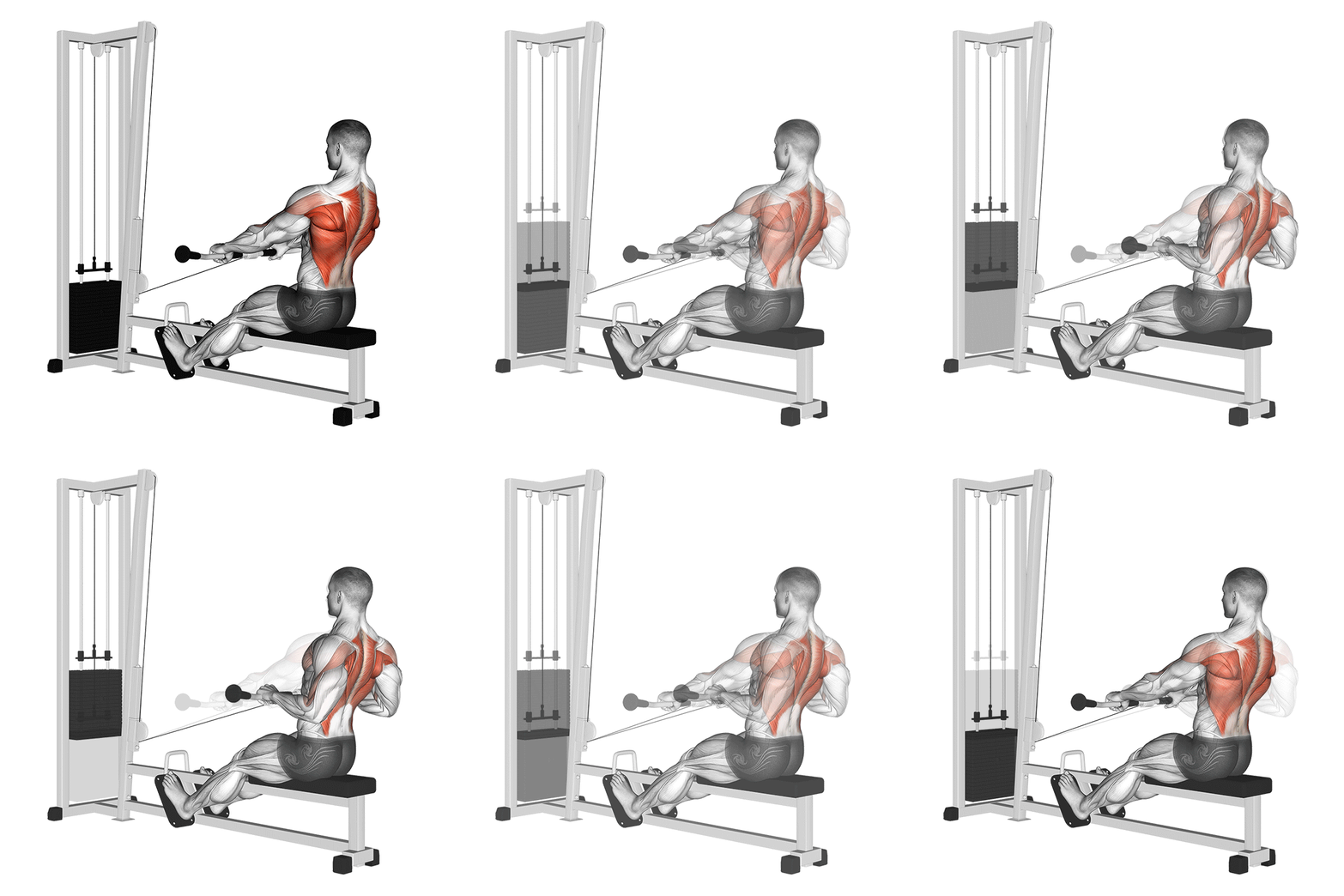
What is the inverted row?
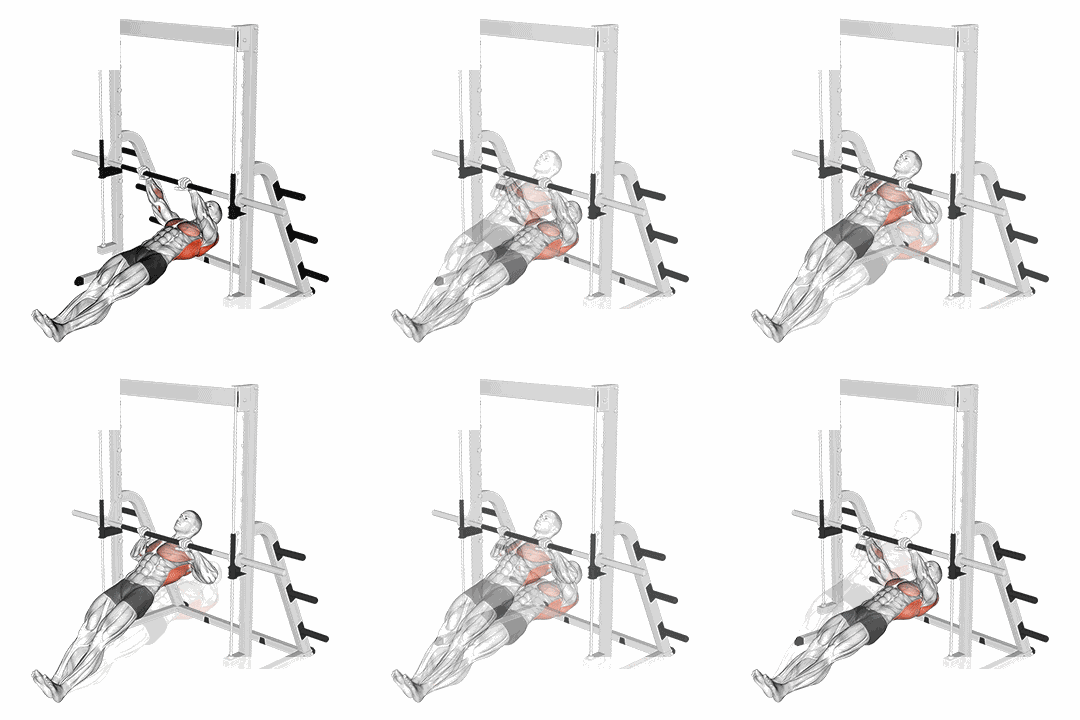
An inverted row is a horizontal pull done under a fixed bar, rings or a TRX. You hang underneath, pull your chest to the bar, and lower with control. It hits the mid-back, rear delts and biceps in a way pull-ups can't, because the pull is horizontal not vertical. It's also the single best back exercise for beginners and the best accessory for everyone else, with no spinal load.
How to do the inverted row
- 1
Set the bar height
Lower bar means harder. Start with the bar at hip height so you're at about forty-five degrees underneath.
- 2
Hang and stack
Grip overhand shoulder-width. Hang with heels on the floor, body in a straight line, glutes squeezed.
- 3
Pull chest to bar
Squeeze the shoulder blades, drive the elbows down and back, touch the chest to the bar.
- 4
Lower under control
Two seconds down to a full straight-arm hang. Don't lose the line, no sagging hips.
Pro tip
Move your feet, not the bar. Closer to vertical for easier reps, feet on a box and torso parallel to the floor when you want it brutal.
Common mistakes
Hips sagging.
A broken line offloads the back. Squeeze glutes and treat the body like a plank.
Pulling to the belly.
Low pull turns it into a lat row, not a mid-back row. Aim chest at bar.
Chin craning up.
Reaching with the neck looks like more range but isn't. Stay neutral, let the chest finish the rep.
Half reps at the bottom.
Not extending fully shorts the lats. Straight arms before the next pull.
Variations and progressions
Easier
Bar higher / feet further forward
Less horizontal, less bodyweight on the row. Use this until you can do ten clean reps.
Harder
Feet elevated + weight vest
Feet on a box and a 10-20 kg vest. The hardest bodyweight row before you go to a one-arm version.
No bar?
Ring row or TRX row
Same pattern with rotating handles, even more shoulder-friendly. Programme identically.
How to program it
Three protocols by goal. Pick one per cycle and aim for progression on load or distance.
| Goal | Sets × distance | Load | Rest |
|---|---|---|---|
| Strength | 5 × 5 reps with 2 s pause at top | Hard angle / +10-15 kg vest | 2 min |
| Hypertrophy | 4 × 10-12 reps | Moderate angle | 75 s |
| Endurance / warm-up | 3 × 15-20 reps | Easier angle | 45 s |
Inverted Row FAQ
Is the inverted row a replacement for the pull-up?
No, it's a complement. Pull-ups train vertical pull, inverted rows train horizontal pull. Most lifters spend ninety percent of their pulling time vertical, then wonder why their mid-back is flat. Programme one of each per week, more rows if your posture is desk-bound and rounded forward.
How do I make it harder without a vest?
Two ways. First, drop the bar lower so your body is more parallel to the floor, eventually feet on a box for fully horizontal. Second, add a two-to-three second pause at the top of every rep. Both add hard work without changing equipment.
Where does it fit in a Hyrox plan?
As the horizontal pull in your pull day, two to four sets in the eight-to-twelve range. It also doubles as a low-fatigue accessory at the end of a strength session, since there's no spinal load and recovery is fast. Avoid stacking it the day after heavy deadlifts.