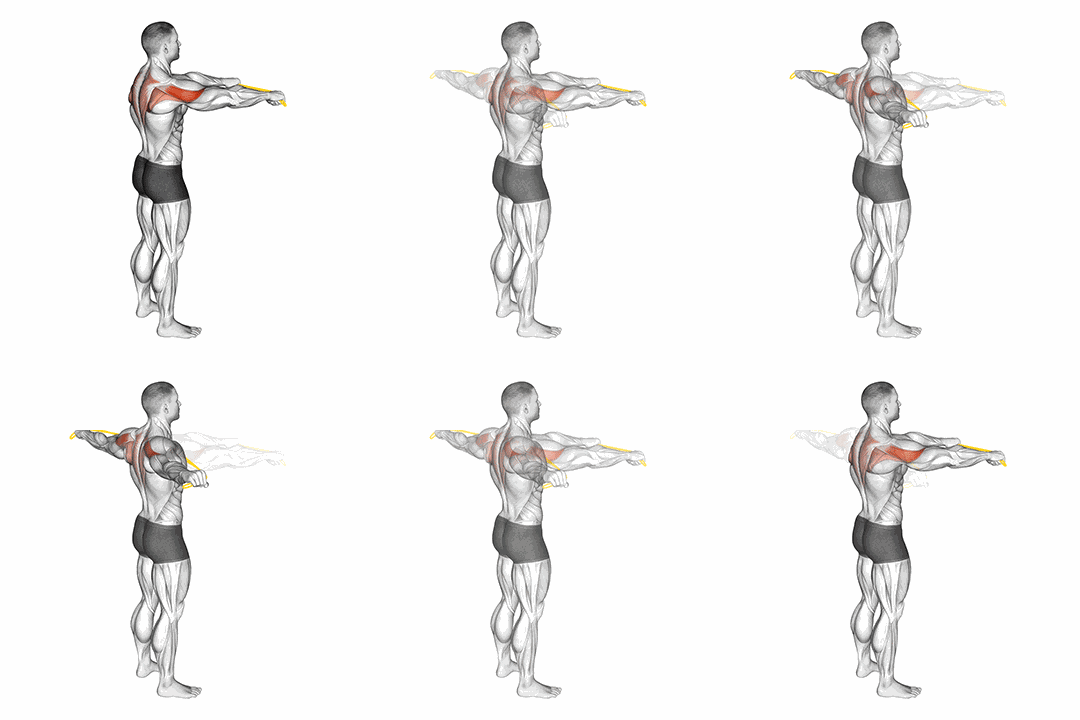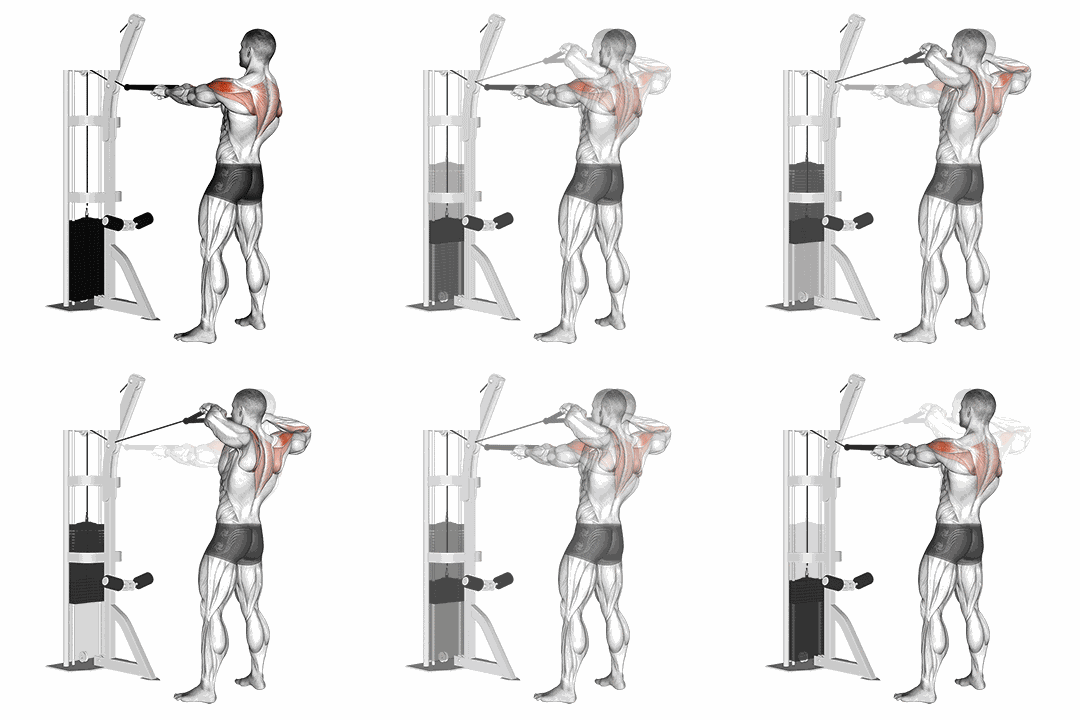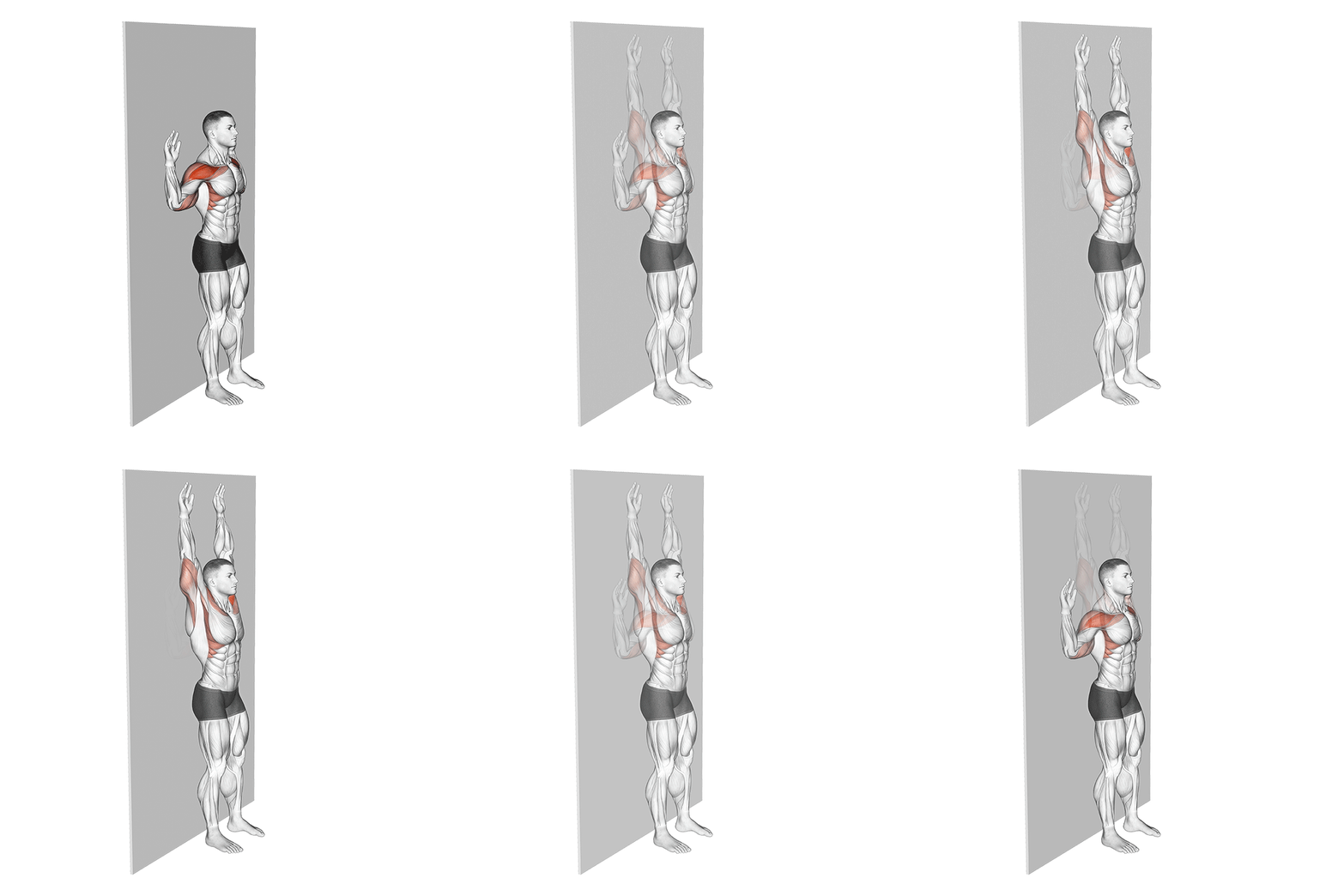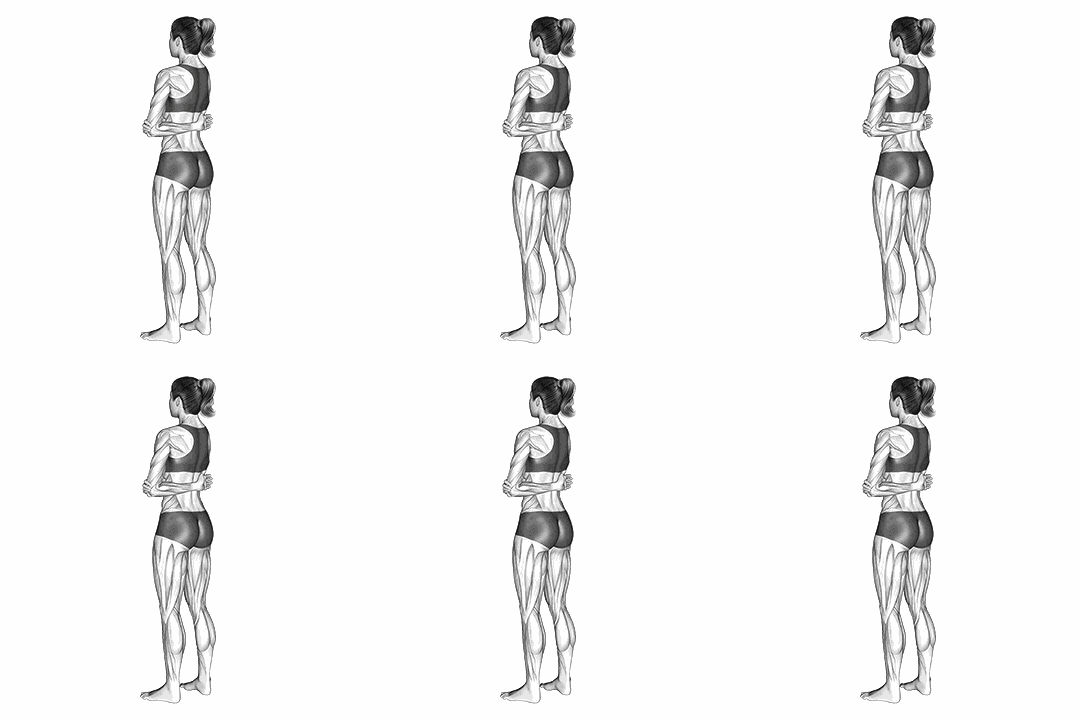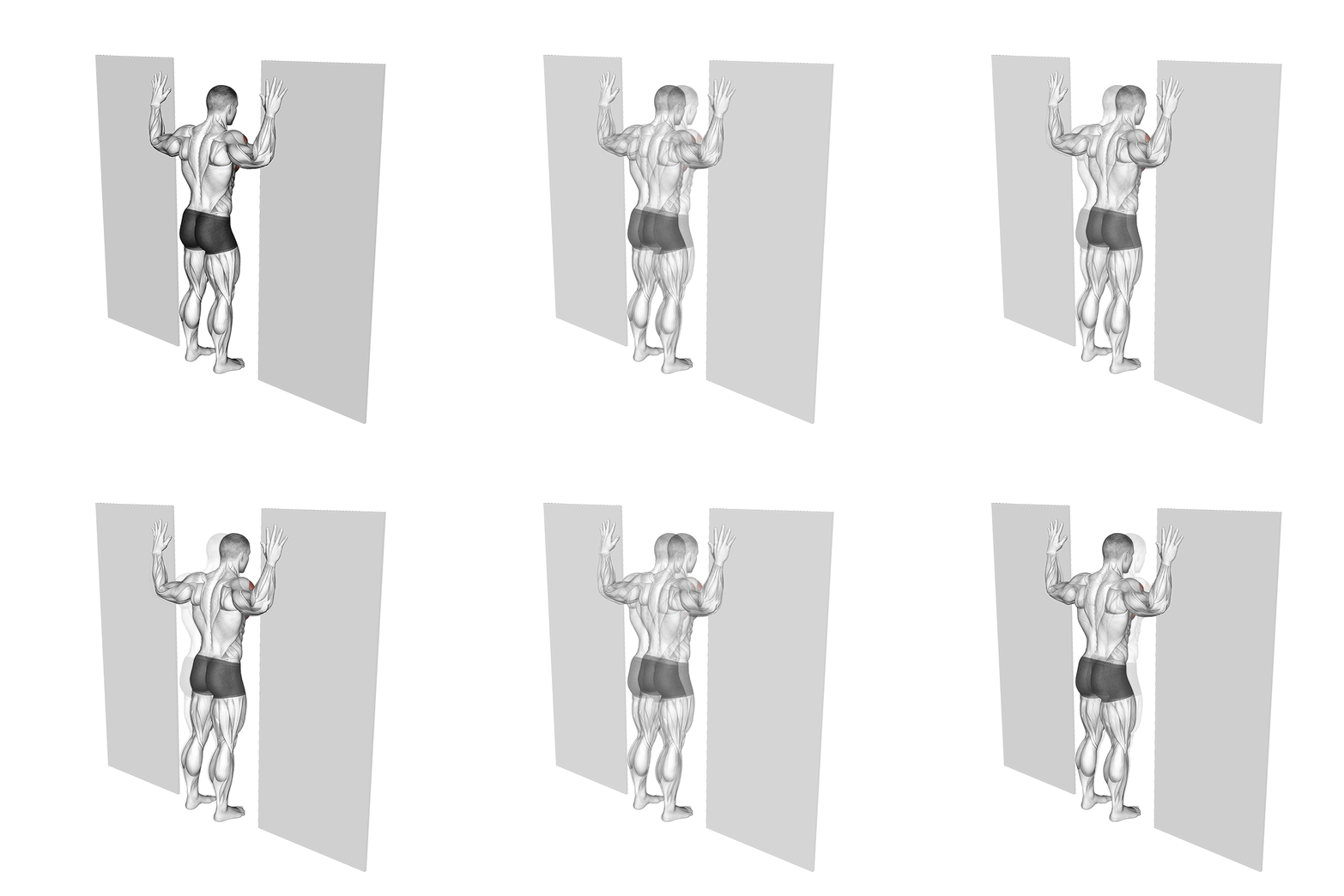
What is the doorway chest stretch?
The doorway chest stretch is a static stretch for the pectoralis major and minor. You place a forearm vertically against a door frame with the elbow around shoulder height, then step through the doorway until the front of your chest lengthens. By changing elbow height you bias different fibers: a low elbow targets the upper, clavicular chest, a high elbow reaches the lower fibers and pec minor. It is the go-to antidote for the shortened, internally rotated position that benching volume and laptop hours both create, and it restores the shoulder extension you need for dips, overhead work and honest posture.
How to do the doorway chest stretch
- 1
Set your forearm on the frame
Elbow bent to 90° at shoulder height, forearm vertical against the door frame, palm flat. Shoulder blade gently pulled back and down.
- 2
Step through with a split stance
Place the same-side foot forward and shift your weight onto it, letting your chest travel past the frame. Hips and shoulders stay square.
- 3
Settle at 3-4 out of 10
Find a clear stretch across the front of the chest and shoulder, never a pinch inside the joint. Breathe slowly for 30-45 s.
- 4
Change the elbow height
Repeat with the elbow lowered to about 45° for the upper chest, then raised to about 120° for the lower fibers and pec minor. Three angles cover the whole muscle.
Pro tip
If you feel it in the front of the shoulder joint rather than across the chest, your shoulder blade has tipped forward. Pull it back and down, drop the elbow a few degrees, and the stretch will land where it belongs.
Common mistakes
Stretching the joint, not the muscle.
A pinch or deep ache in the front of the shoulder means you're hanging on the anterior capsule. Reduce the lean and reset the shoulder blade.
Rotating the torso away.
Twisting the chest away from the arm fakes extra range and feeds the stretch into your spine. Step further forward instead, shoulders square.
Shrugging into the frame.
When the shoulder rides up, the upper trap takes the tension and the pec gets nothing. Set the blade down before you lean in.
Two minutes right before benching.
Long static holds immediately before heavy pressing can blunt force output. Before training keep it under 30 s; save the long holds for after.
Variations and progressions
Easier
Smaller step, shorter hold
Barely shift your weight forward and hold 15-20 s at 2-3 out of 10. The right entry point after a shoulder issue or if the full stretch pinches.
Harder
Contract-relax (PNF)
At the stretch position, press your forearm into the frame at 20% effort for 5 s, relax, then sink slightly deeper. Repeat three times per angle.
No doorway?
Floor pec stretch
Lie face down, arm out at 90° with the palm down, and roll your body gently away from that arm. Same stretch, dosed by your bodyweight.
How to program it
Three protocols by goal. Pick one per cycle and aim for progression on load or distance.
| Goal | Sets × distance | Load | Rest |
|---|---|---|---|
| Desk-posture reset | 2 × 30 s per side | Gentle, 3-4/10 | None |
| Post-push day | 3 × 45 s per side | Moderate, 4-5/10 | 15 s |
| PNF protocol | 3 × (5 s press + 20 s hold) | 20% push, gentle sink | 30 s |
Doorway Chest Stretch FAQ
Should I do this before or after bench day?
After, or on rest days, if you're holding longer than 30 seconds. Static holds over 60 seconds can temporarily reduce force output, the last thing you want before a heavy top set. Before benching, limit it to one brief 15-20 second pass per side just to open up the position, then warm up with the empty bar as usual. The long, productive holds belong after the last press of the day.
Will this fix my rounded shoulders?
It's half the equation. Stretching lengthens the short, tight front: pec major, pec minor, anterior delts. But posture only sticks when the back is strong enough to hold the new position, so pair this with face pulls, band pull-aparts and rows two or three times a week. Give the combination six to eight weeks; the stretch alone gives you nicer posture for about an hour.
Why does my shoulder pinch instead of stretching?
A pinch at the front of the joint usually means the humeral head is gliding forward because your shoulder blade tipped and the pec minor is dragging everything down. Reset: blade back and down, elbow below shoulder height, and lean half as far. If every angle pinches even at low intensity, skip this stretch and get the shoulder assessed; stretching into impingement makes it worse, not better.