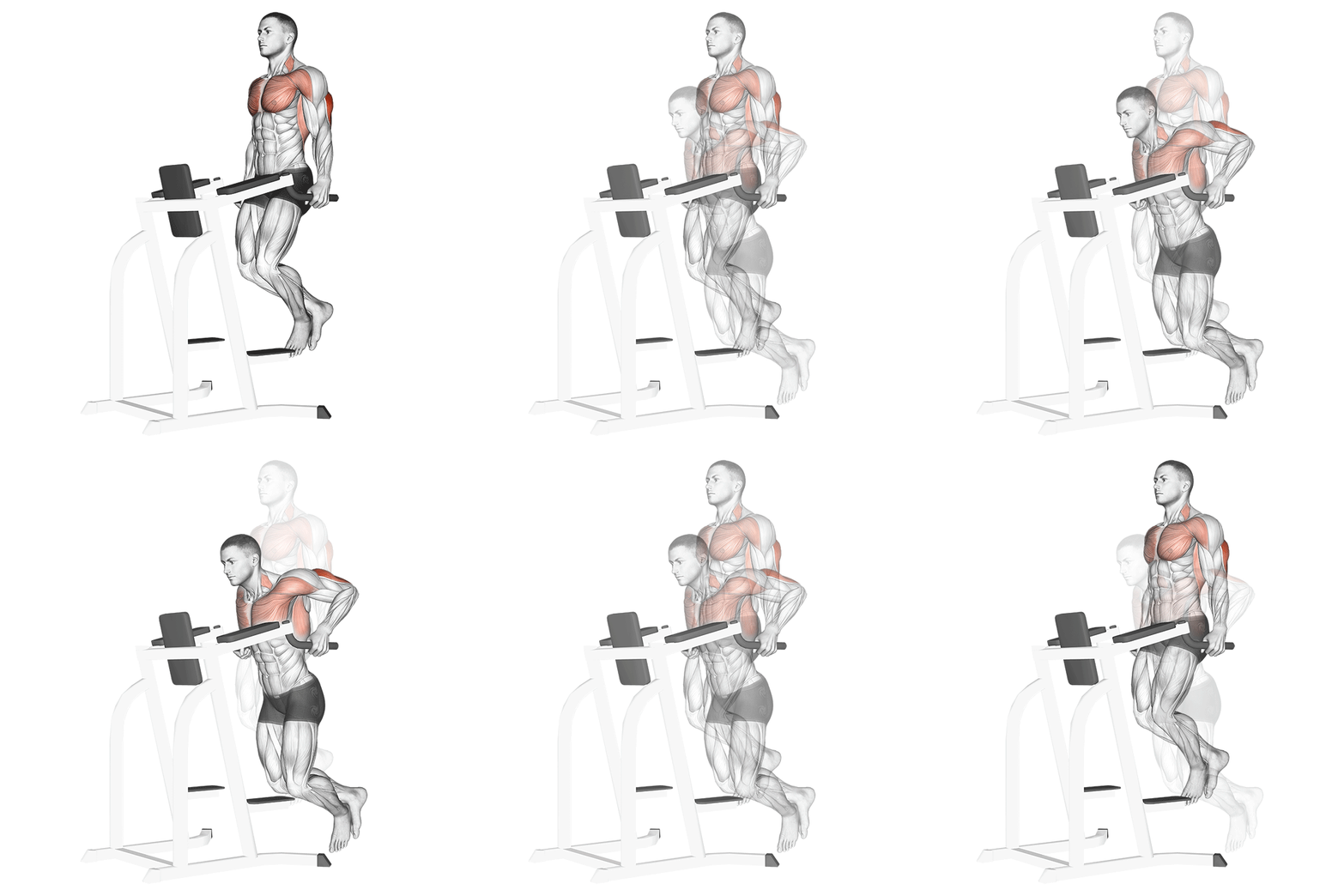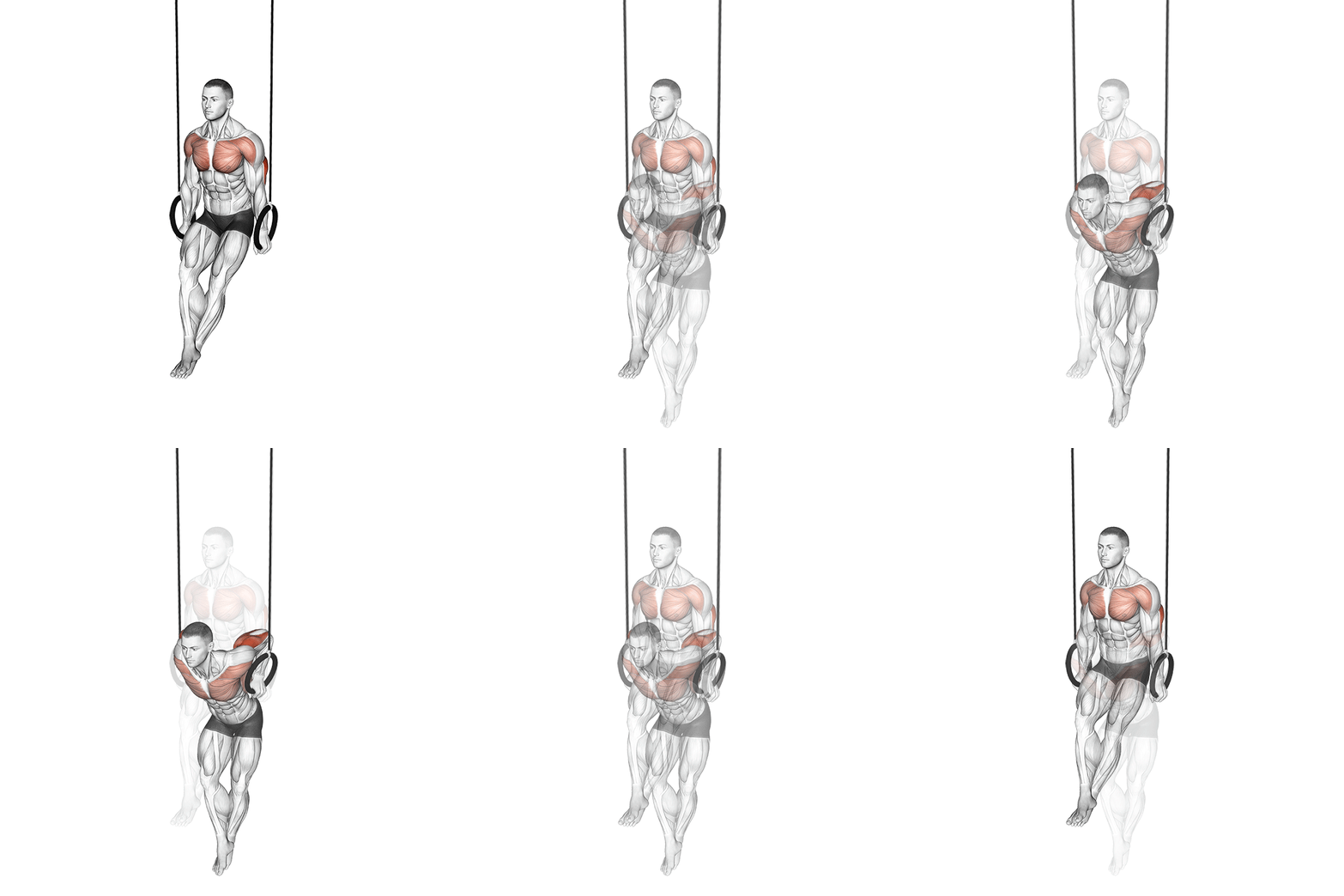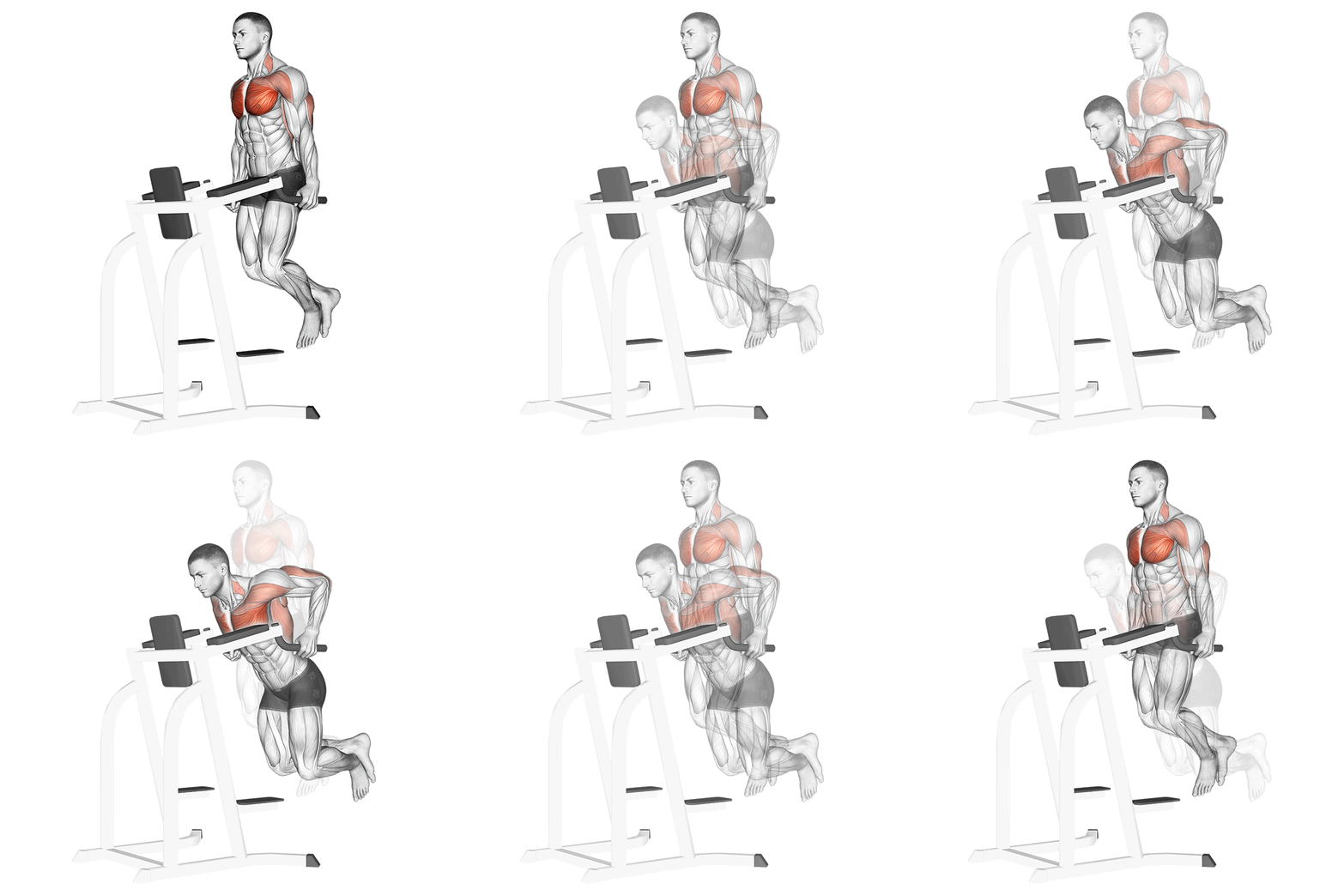
What is the chest dips?
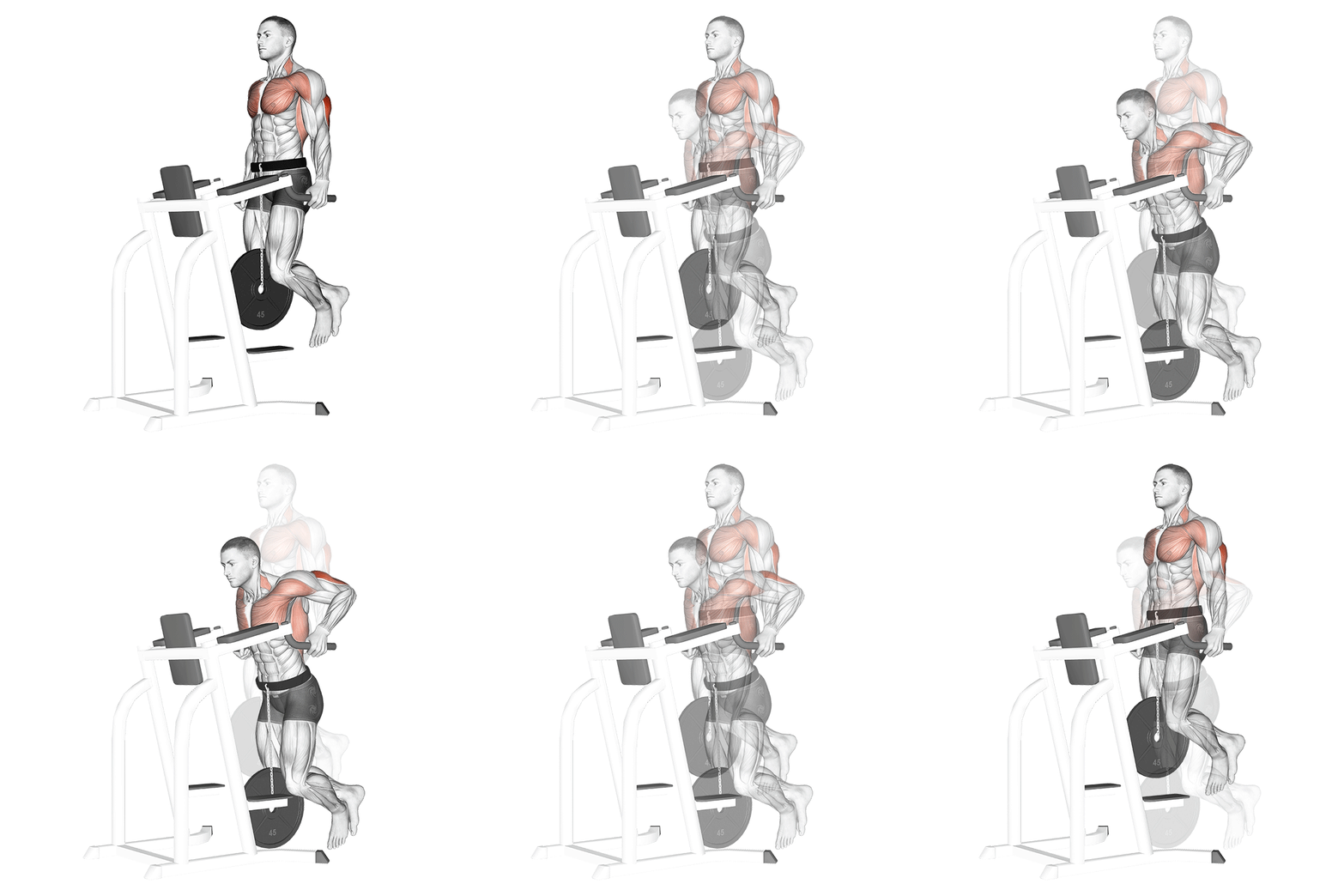
Chest dips are performed on parallel bars with a deliberate forward lean of the torso, which shifts the load from the triceps onto the pectorals, especially the lower chest fibers. You support yourself on locked arms, tip forward, lower until your shoulders drop below your elbows, then press back up without losing the lean. The deep stretch under load makes them one of the best bodyweight chest builders there is, and they scale forever: clip plates to a dip belt and they become a heavy barbell-class lift. Best attempted once you own 8-10 strict triceps dips.
How to do the chest dips
- 1
Lock out on the bars
Jump up to a straight-arm support, bars at shoulder width or slightly wider. Press your shoulders down, away from your ears, before anything moves.
- 2
Set the lean
Tip your torso forward 20-30°, tuck your chin and bend your knees behind you. Eyes on the floor a metre ahead.
- 3
Lower to a deep stretch
Let the elbows flare slightly and lower for 2 s until your shoulders sit just below your elbows and you feel the stretch across your chest.
- 4
Press without straightening up
Drive your hands down and slightly back until the elbows lock, keeping the forward lean the whole way. Stand up straight and it becomes a triceps dip.
Pro tip
The lean is the exercise. Bend your knees, push your feet back behind your hips and point your nose at the floor: the chest has no choice but to work. Lose the lean, lose the pecs.
Common mistakes
Staying vertical.
An upright torso is a triceps dip, not a chest dip. Knees back, torso forward, and keep it there under fatigue.
Diving too deep too soon.
Forcing maximum depth with stiff shoulders is how dips earn their bad reputation. Go to a comfortable stretch and earn more range over weeks.
Shrugged shoulders.
Ears touching shoulders at the bottom means the joint is unloaded into a bad position. Keep the shoulder blades pressed down the entire rep.
Kipping out of the hole.
Swinging the legs to bounce out of the bottom robs the chest of tension exactly where it grows most. Dead stop, then press.
Variations and progressions
Easier
Band-assisted dips
Loop a band over the bars and kneel on it. The band helps most at the bottom, exactly where you're weakest.
Harder
Weighted dips
Add plates on a dip belt and progress like a bench press. One of the best strength-to-equipment ratios in training.
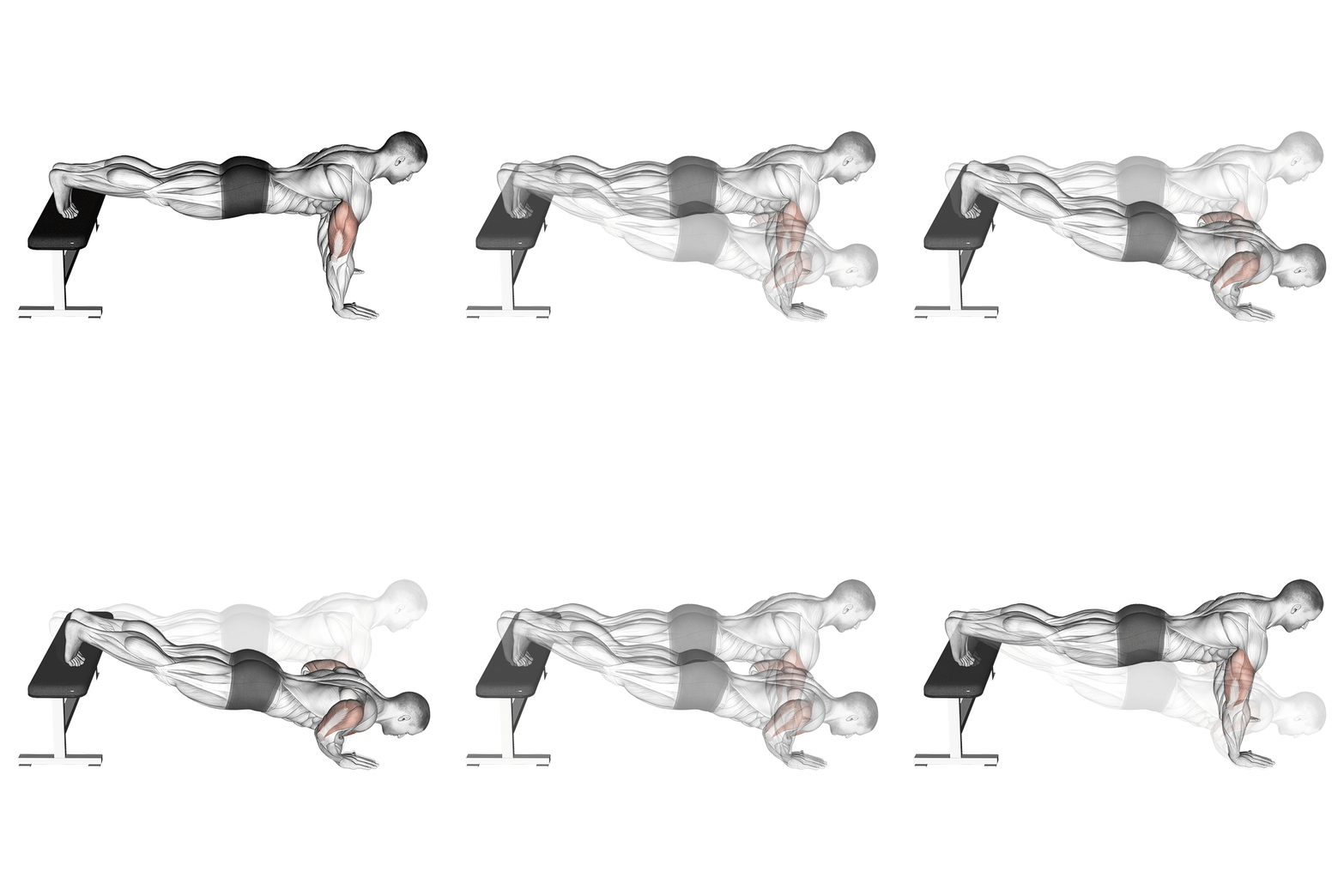
No parallel bars?
Decline push-ups
Feet on a bench, hands on the floor. Similar pressing angle for the lower chest, easy to load with a backpack.
How to program it
Three protocols by goal. Pick one per cycle and aim for progression on load or distance.
| Goal | Sets × distance | Load | Rest |
|---|---|---|---|
| Strength | 4 × 5-8 | Weighted, RPE 8 | 2-3 min |
| Hypertrophy | 3 × 8-12 | Bodyweight or light belt | 90 s |
| First strict dips | 4 × 4-6 | Band assistance as needed | 2 min |
Chest Dips FAQ
Are chest dips bad for your shoulders?
Not inherently. The pain stories come from forcing extreme depth with shrugged shoulders and zero preparation. Control the descent, stop at a comfortable stretch, keep the shoulder blades down, and build range over weeks. If your shoulders are currently cranky, press from the floor for a block and come back to dips later.
Chest dips or bench press for chest size?
Both, ideally. The bench is easier to load in small increments and to standardise; dips give a deeper loaded stretch and cost nothing but a pair of bars. If you have to pick one with no equipment, weighted dips alone can build an impressive chest. In a full program they complement each other perfectly: bench heavy, dip for volume.
How do I get my first chest dip?
Negatives plus band assistance, three times a week. Jump to the top, lower as slowly as you can (aim for 5 s), repeat for 3-5 reps, then do 2-3 band-assisted sets with the forward lean already in place. Most people go from zero to strict dips in four to six weeks this way.