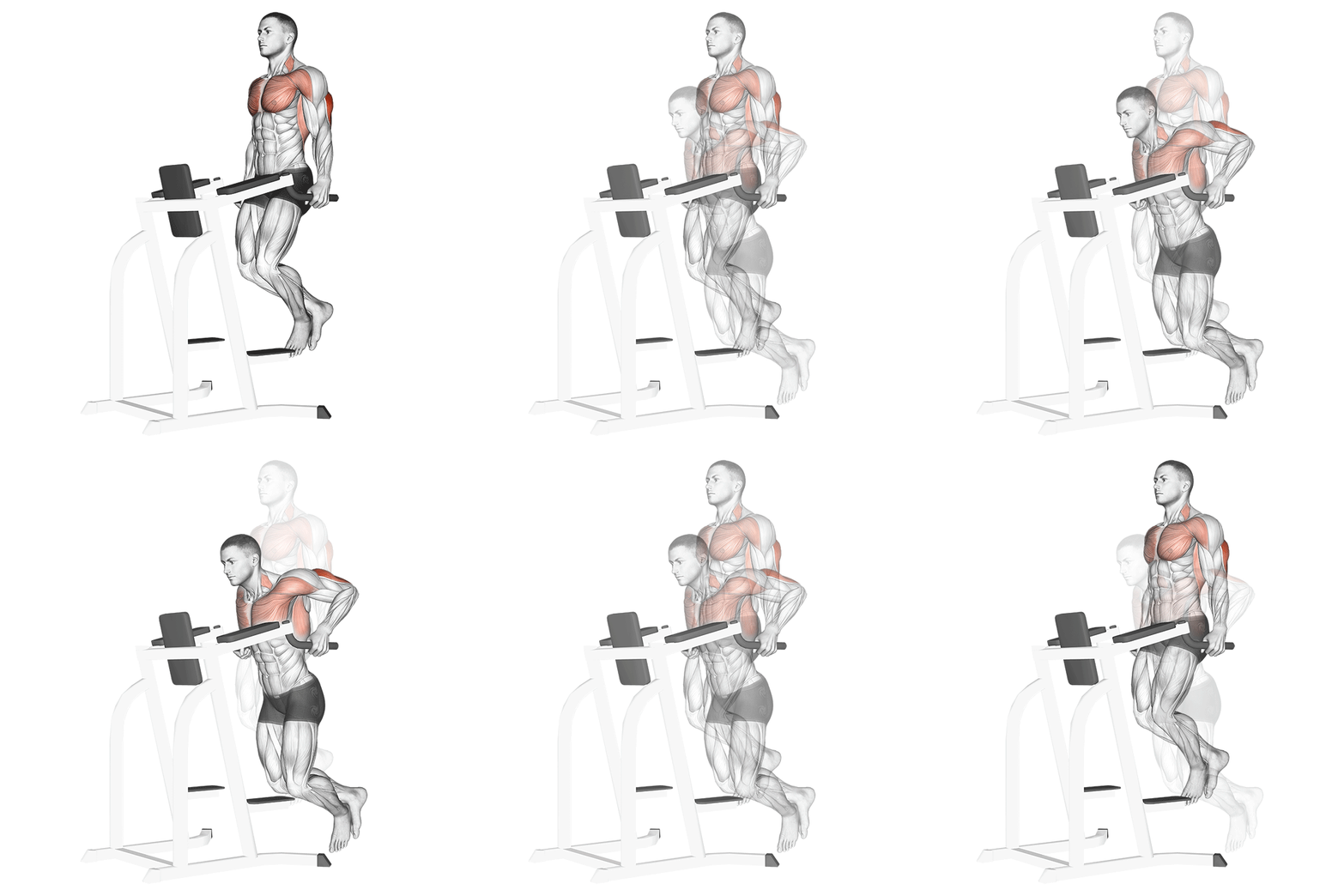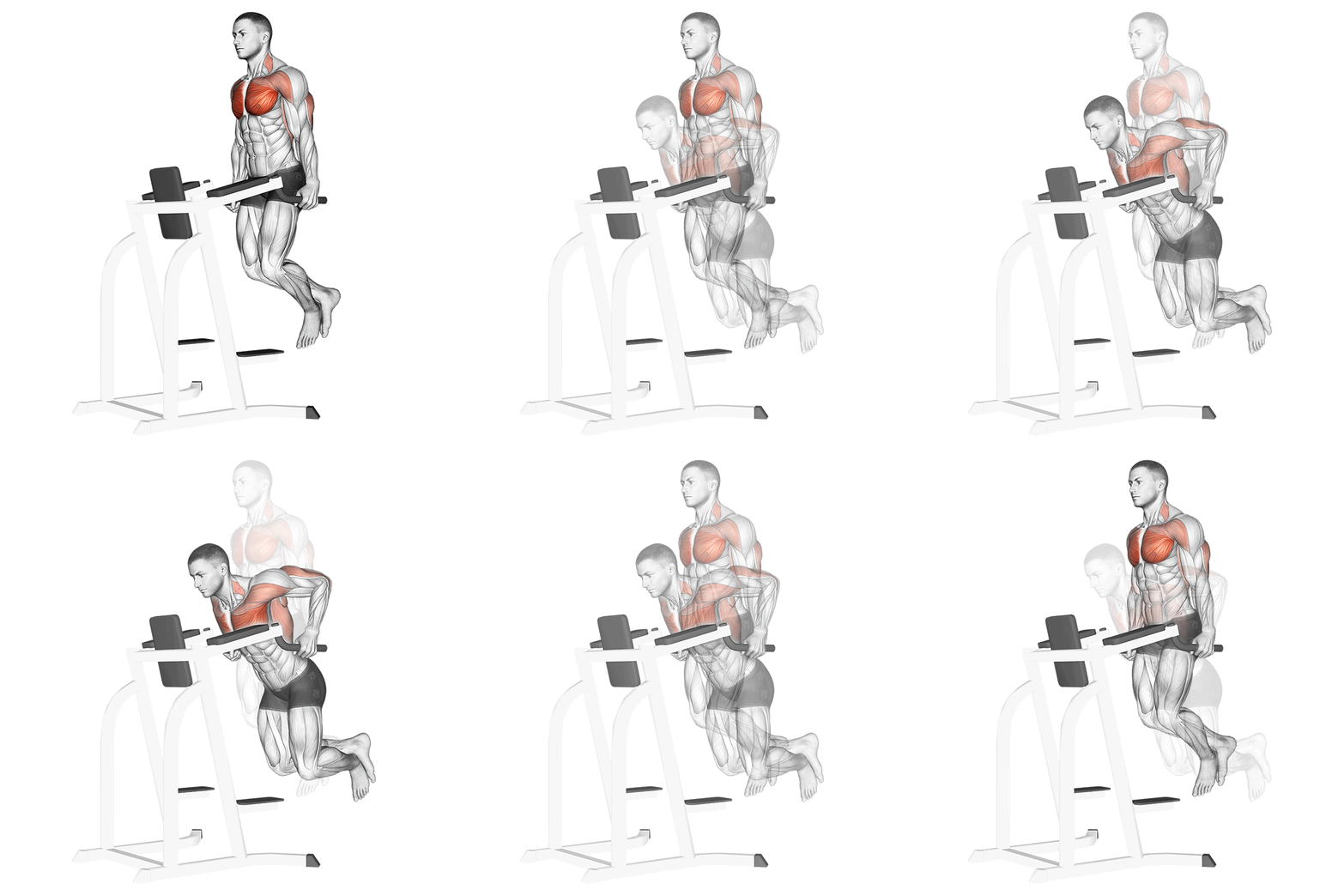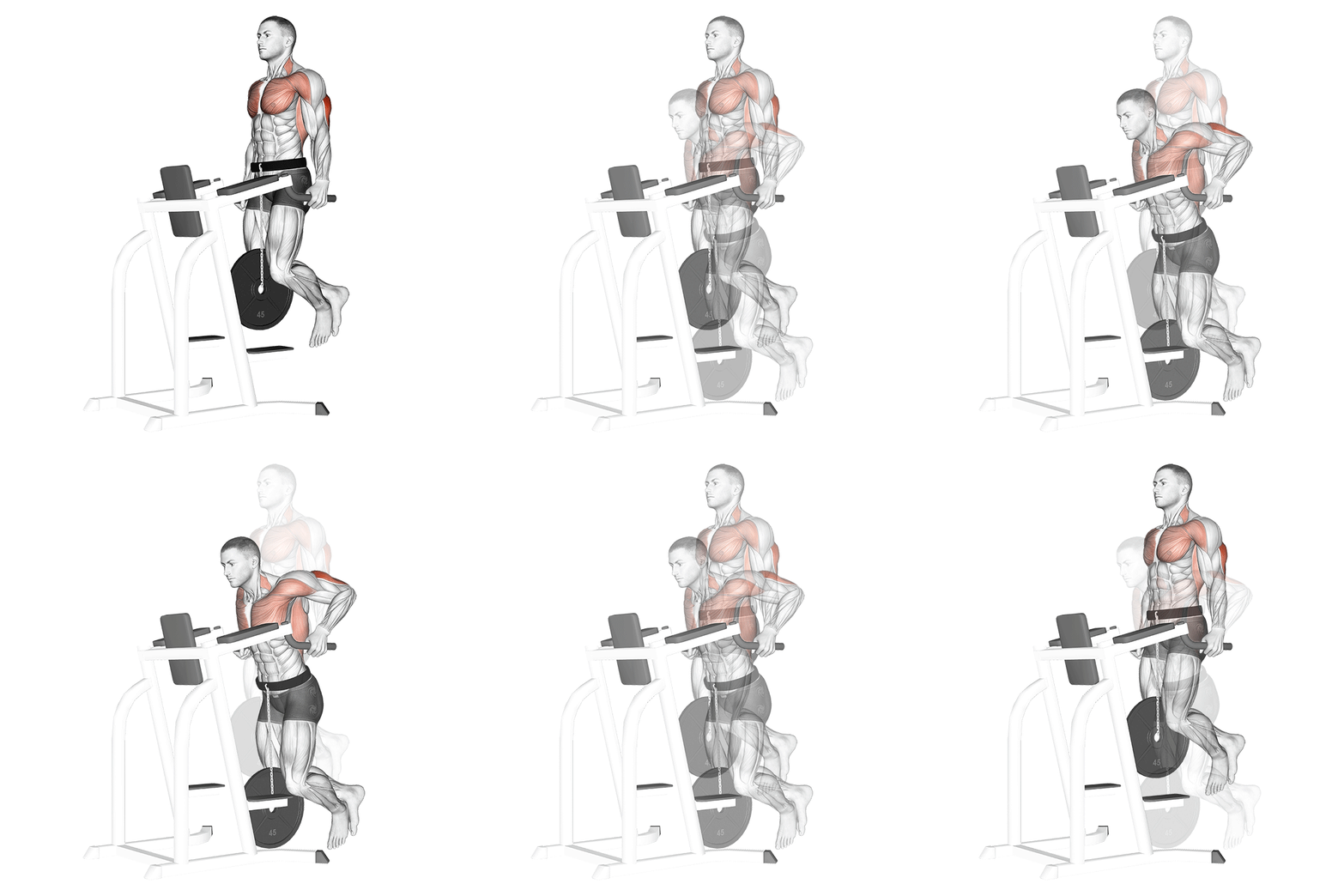
What is the weighted dips?
Weighted dips are parallel-bar dips loaded with extra resistance, usually plates hanging from a dip belt, sometimes a vest or a dumbbell gripped between the ankles. You support yourself on locked arms, lower until your shoulders drop just below your elbows, then press back to lockout. The lower chest, triceps and front delts carry the load through a longer range than any bench press allows. Your torso lean steers the emphasis: upright hammers the triceps, a forward lean shifts work to the chest. It is a top-tier mass and strength builder for lifters who already own strict bodyweight dips.
How to do the weighted dips
- 1
Load up and mount the bars
Thread plates onto the dip belt chain, buckle it, then jump to a support hold: arms locked, shoulders pressed down away from your ears, legs crossed behind you.
- 2
Pick your lean
Decide before the first rep: torso vertical with elbows tracking back for triceps, or a 20-30° forward lean with knees tucked behind for chest.
- 3
Lower under control
Take 2 seconds down, elbows staying close, until your shoulders sit just below your elbows. Deeper is fine only if your shoulders tolerate it pain-free.
- 4
Drive back to lockout
Press hard out of the bottom without kipping or swinging, exhale through the sticking point, finish with arms straight. Let the plates stop moving before the next rep.
Pro tip
Let the weight settle before every first rep. Start a set while the belt is still swinging and the oscillation will rob your tightness at the bottom, exactly where you need it most.
Common mistakes
Adding weight too early.
If you can't do 10-12 strict, full-depth bodyweight dips, the belt will only load your compensations. Earn the volume first.
Depth shrinking as the belt gets heavier.
Quarter dips with 40 kg impress nobody and build little. Film yourself from the side: shoulder below elbow on every rep, or strip plates.
Elbows flaring with shoulders rolled forward.
That combination grinds the front of the shoulder under heavy load. Keep elbows tracking back and shoulder blades pulled down.
Diving out of the bottom.
Dropping fast and bouncing off the stretch hands the load to your sternum and shoulder capsules. Two seconds down, no bounce, drive up.
Variations and progressions
Easier
Bodyweight dips
Master 10-12 strict reps at full depth before touching a belt. If bodyweight is still too much, band assistance or slow negatives bridge the gap.
Harder
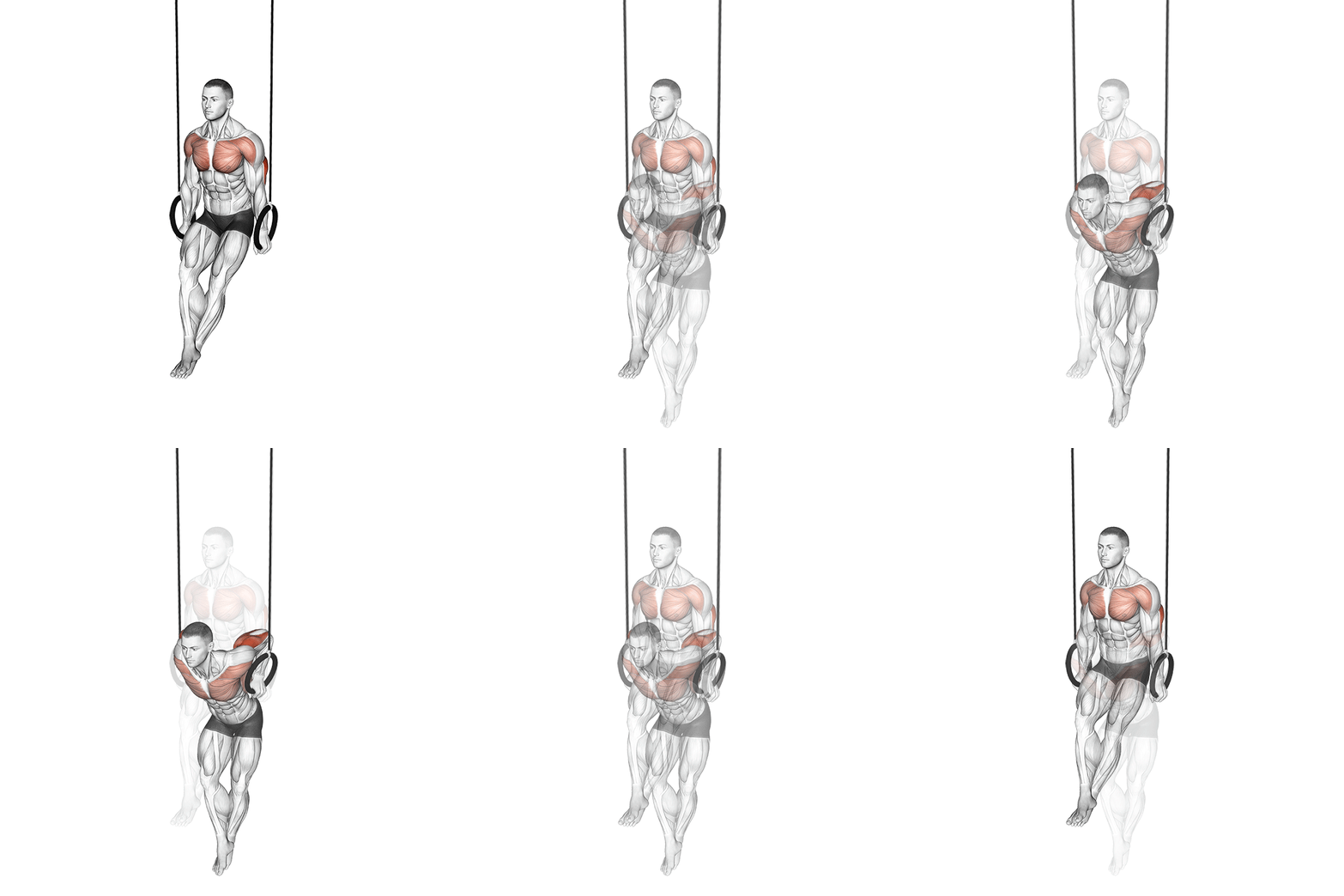
Weighted ring dips
The rings wobble in every direction, so stabilizers fire overtime and the same load feels twice as heavy. Reserved for very strong, very patient athletes.
No dip station?
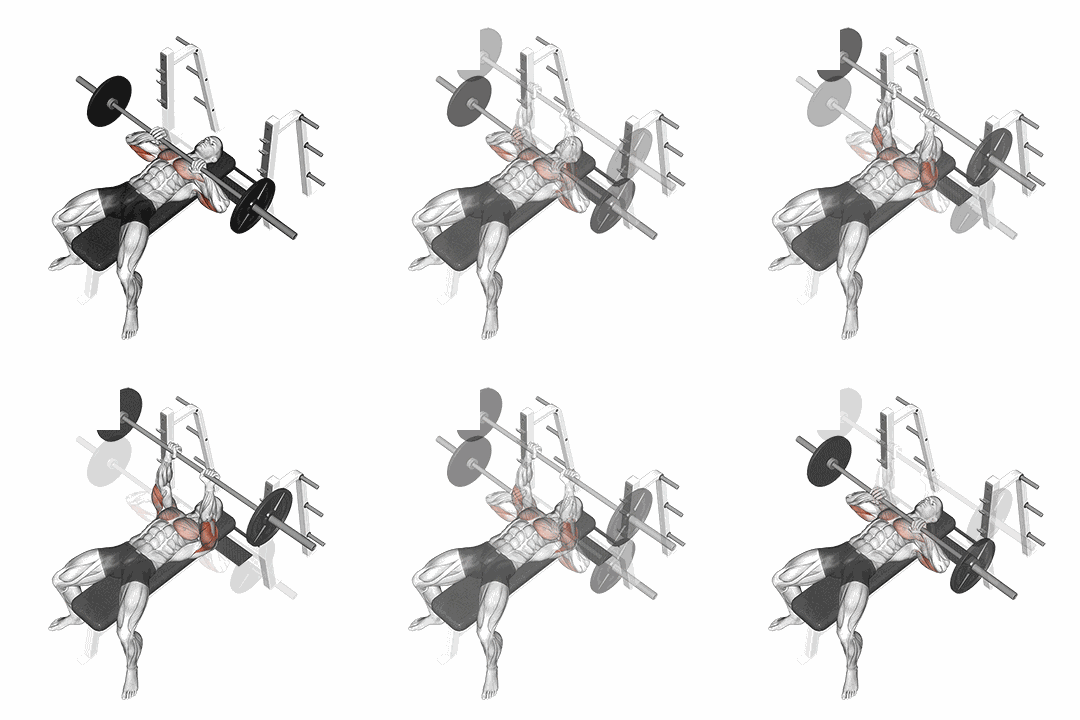
Close-grip bench press
The closest barbell match for heavy chest-and-triceps pressing. Easier to load precisely and to bail from, at the cost of a shorter range.
How to program it
Three protocols by goal. Pick one per cycle and aim for progression on load or distance.
| Goal | Sets × distance | Load | Rest |
|---|---|---|---|
| Strength | 5 × 3-5 | Heavy, RPE 8-9 | 3 min |
| Hypertrophy | 4 × 6-10 | +5-20 kg, RPE 8 | 2 min |
| First weighted cycle | 3 × 5 | +2.5-5 kg, add weekly | 2-3 min |
Weighted Dips FAQ
When am I ready to add weight to dips?
When you can do 10-12 strict bodyweight reps at full depth, with no kipping and no shoulder complaints. Then start with a humble +2.5 to 5 kg and progress weekly. Jumping straight to 20 kg is the classic route to a cranky sternum. The belt should feel like an insult at first; that is the point.
Weighted dips or close-grip bench for triceps?
Both work, but they are not interchangeable. Dips load the triceps and chest through a longer range and build pressing strength that transfers everywhere; close-grip bench is easier to microload and safer to fail. If your shoulders are healthy, make weighted dips the main lift and keep close-grip bench as the volume tool. If dips pinch, reverse the order without guilt.
Belt, vest or dumbbell between the ankles?
The dip belt wins. It hangs the load from your hips, keeps the centre of gravity low and scales past 60 kg without drama. A vest is fine up to 10-20 kg but shifts your balance and caps out fast. The dumbbell between the ankles works in a pinch, but past 20 kg your feet cramp before your chest does. Buy the belt.