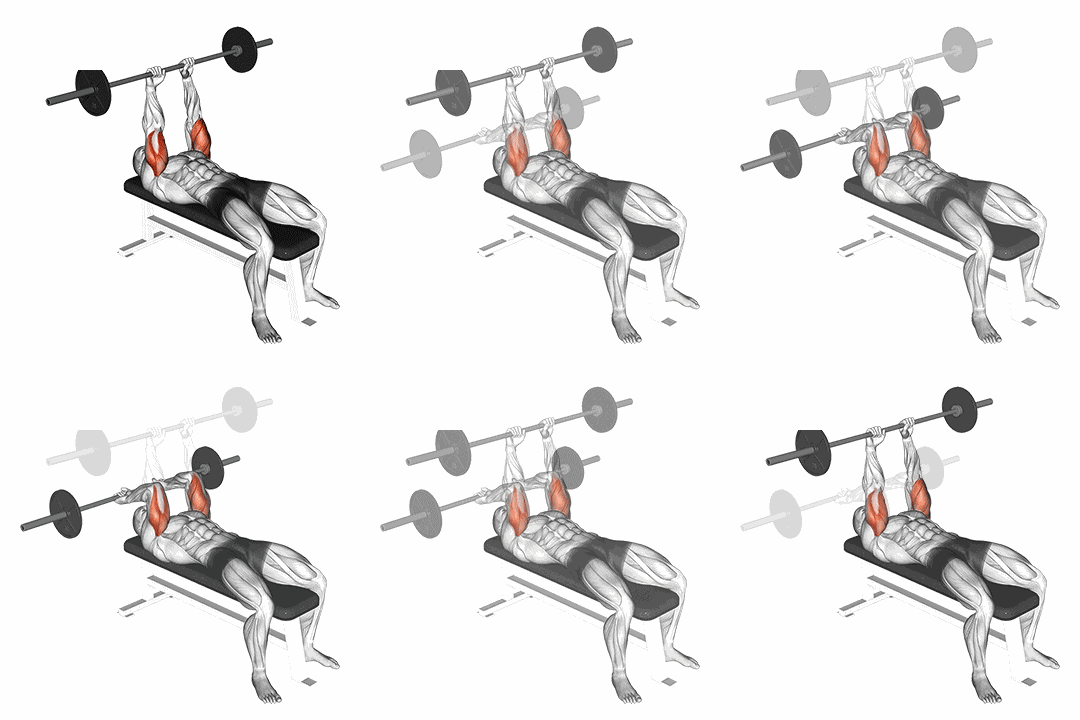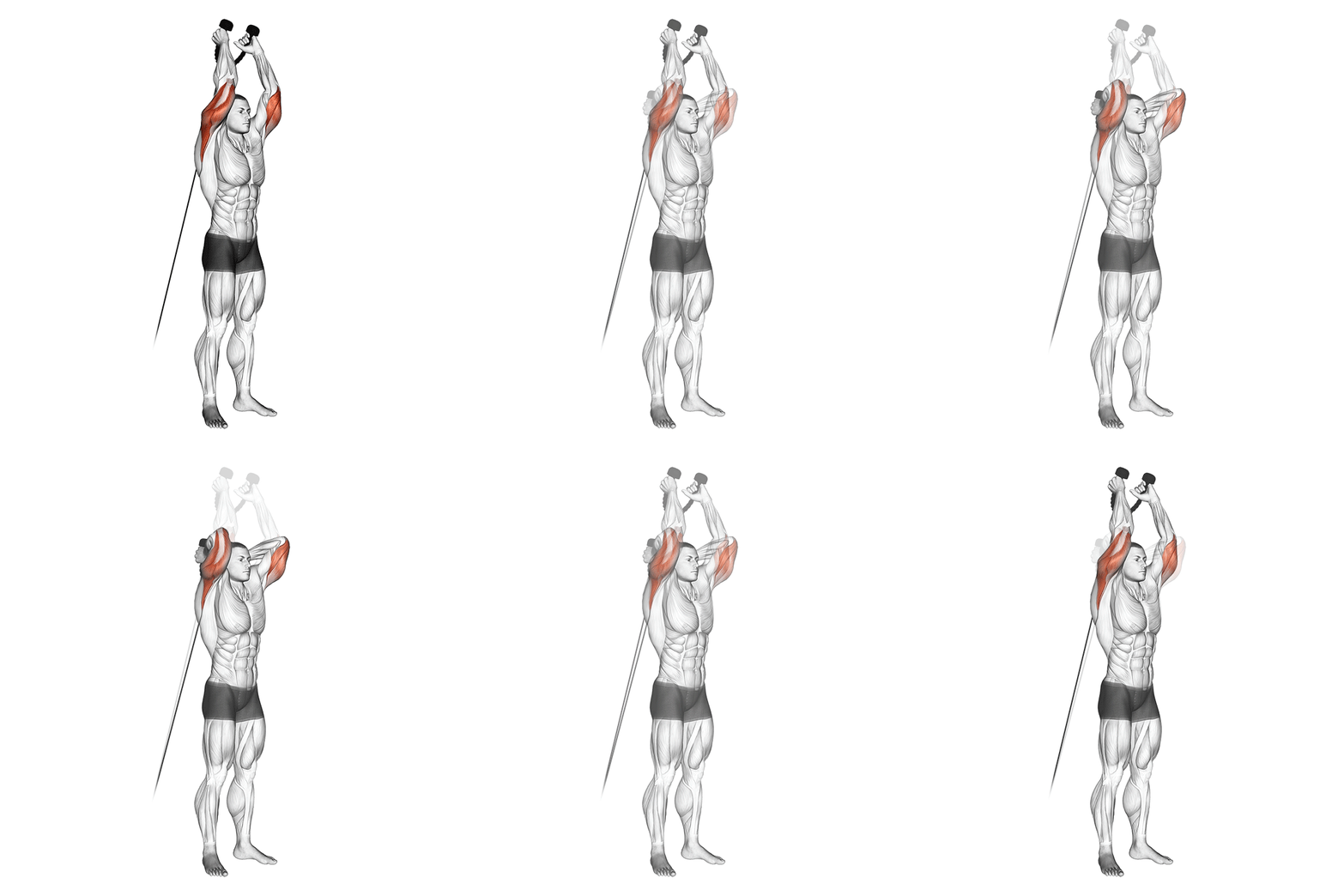
What is the cable overhead triceps extension?
Cable overhead triceps extension is an isolation exercise where you face away from a low or high pulley, hold a rope or bar overhead, and extend the elbows from a deeply flexed position. By raising the arms overhead, you stretch the long head of the triceps, which only works hard when the shoulder is flexed. The cable gives you constant tension across the full range, which a dumbbell or barbell version loses at the top. Brilliant for hypertrophy with very little joint stress.
How to do the cable overhead triceps extension
- 1
Set the pulley
Use a rope attachment on a low pulley if you want maximum stretch, or a high pulley facing away if your gym lacks the room. Grip the rope with thumbs up.
- 2
Step out and stagger your stance
Take one step away from the pulley, one foot slightly in front. Lean the torso forward 10 to 20 degrees, ribs down.
- 3
Drop the elbows behind your head
Start with the elbows pointing forward, hands behind the head, forearms past parallel. Feel the long head pull tight.
- 4
Extend without flaring
Press the rope forward and slightly out at the bottom. Keep the elbows fixed, do not let them drift wide. Squeeze for a count, return slow.
Pro tip
Forget the load number. The cable overhead extension is one of the few moves where two clean reps with a long pause in the stretched position beat ten sloppy reps every time.
Common mistakes
Elbows flaring out.
Wide elbows shift work to the chest and shoulders. Keep the elbows close to the ears.
Short range of motion.
Stopping before full flexion misses the stretched portion where the long head grows. Go deep.
Standing too close to the stack.
Without forward lean and distance, the line of pull is wrong and tension drops at the top.
Lower back hyperextending.
If the ribs flare and the lumbar arches, the load is too heavy. Lighten up and brace.
Variations and progressions
Easier
Single-arm cable overhead extension
One arm at a time lets you find the right elbow path before adding load. Great for beginners.
Harder
Cable overhead extension with pause
Add a two-second pause in the deeply flexed position. Brutal for hypertrophy with almost no joint cost.
No cable?
Dumbbell overhead extension
One dumbbell held with both hands, lowered behind the head. Loses tension at the top but covers the stretch.
How to program it
Three protocols by goal. Pick one per cycle and aim for progression on load or distance.
| Goal | Sets × distance | Load | Rest |
|---|---|---|---|
| Hypertrophy | 4 × 10-12 | Moderate | 75 s |
| Stretch focus | 3 × 12 with 2 s pause | Light to moderate | 60 s |
| Pump finisher | 3 × 15-20 | Light | 45 s |
Cable Overhead Triceps Extension FAQ
Why overhead instead of pushdowns?
Pushdowns hit the lateral and medial heads but underwork the long head, which makes up about two-thirds of triceps mass. The long head crosses the shoulder, so it only stretches and grows under load when the arm is overhead. Running both pushdowns and an overhead extension in the same week covers all three heads.
Rope or bar?
Rope is the better default. It lets the wrists pronate and the hands separate at the bottom, which feels more natural and protects the elbow joint. Use a straight bar or an EZ bar only if your gym has no rope, and accept a slightly less comfortable lockout.
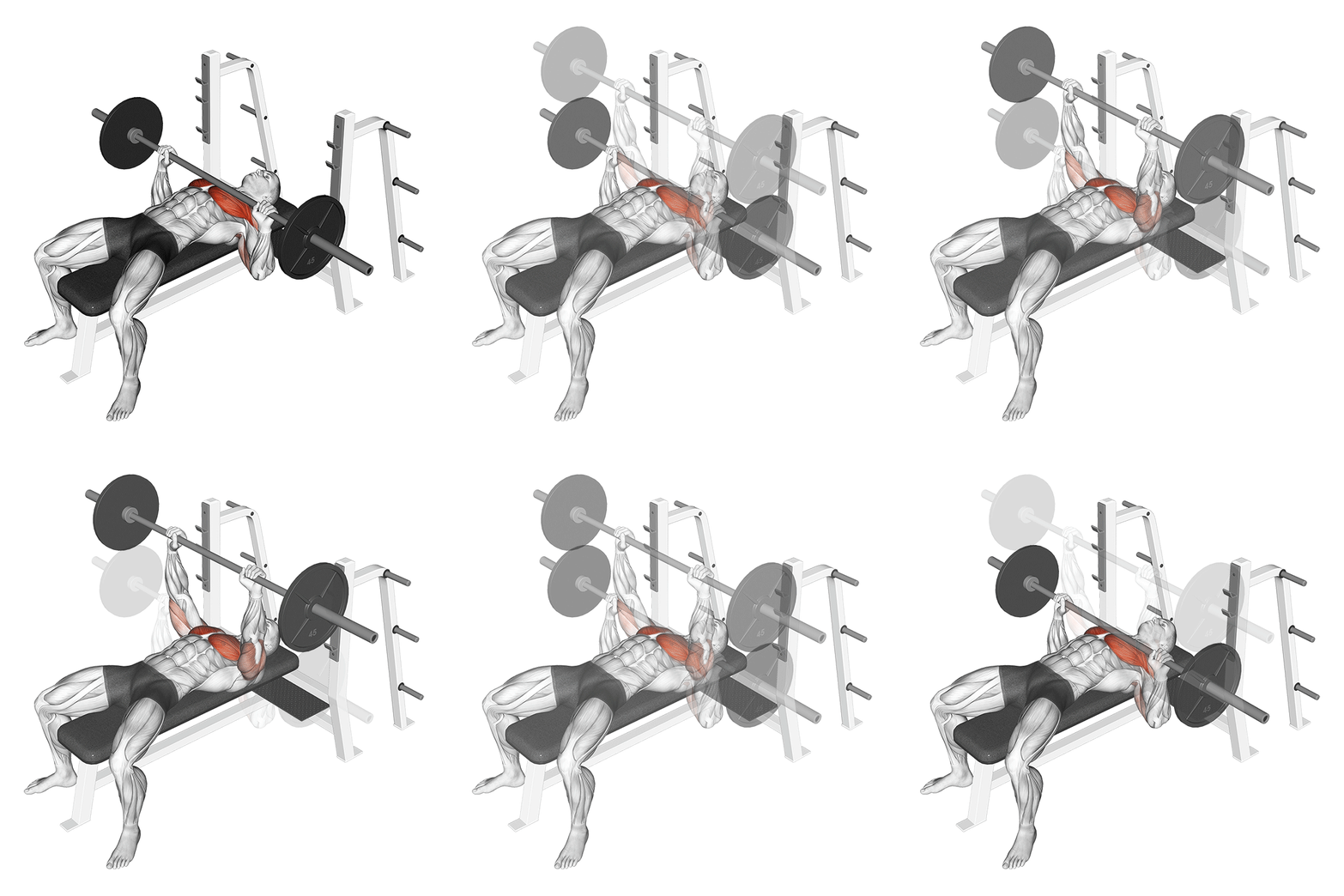
How does it fit with close-grip bench?
Treat close-grip bench as your loadable triceps compound and the cable overhead extension as the stretch-focused isolation. Pair them on push day, compound first when fresh, extension second to chase the pump and target the long head. Two to three triceps movements per week is plenty for most.