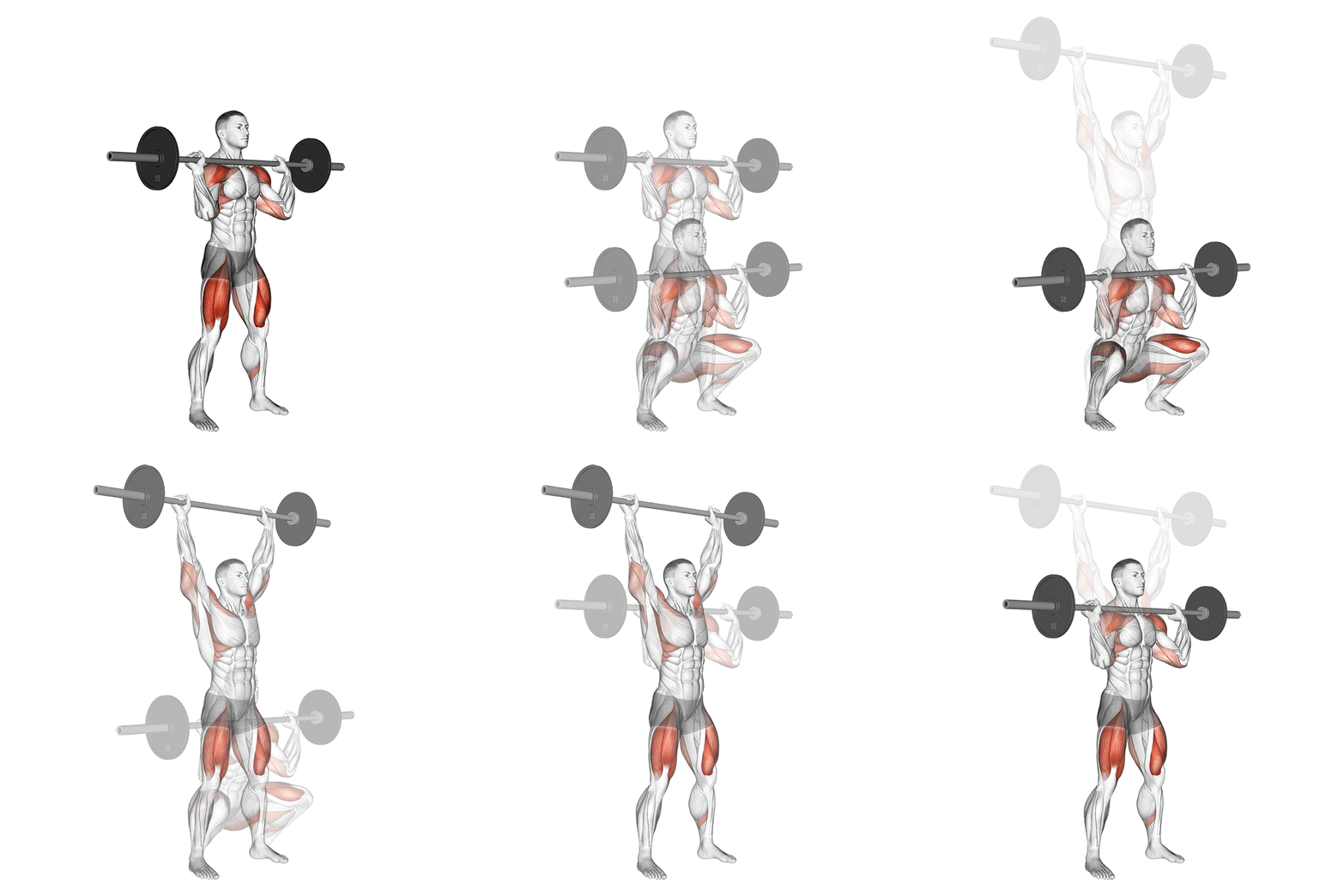
What is the barbell thruster?
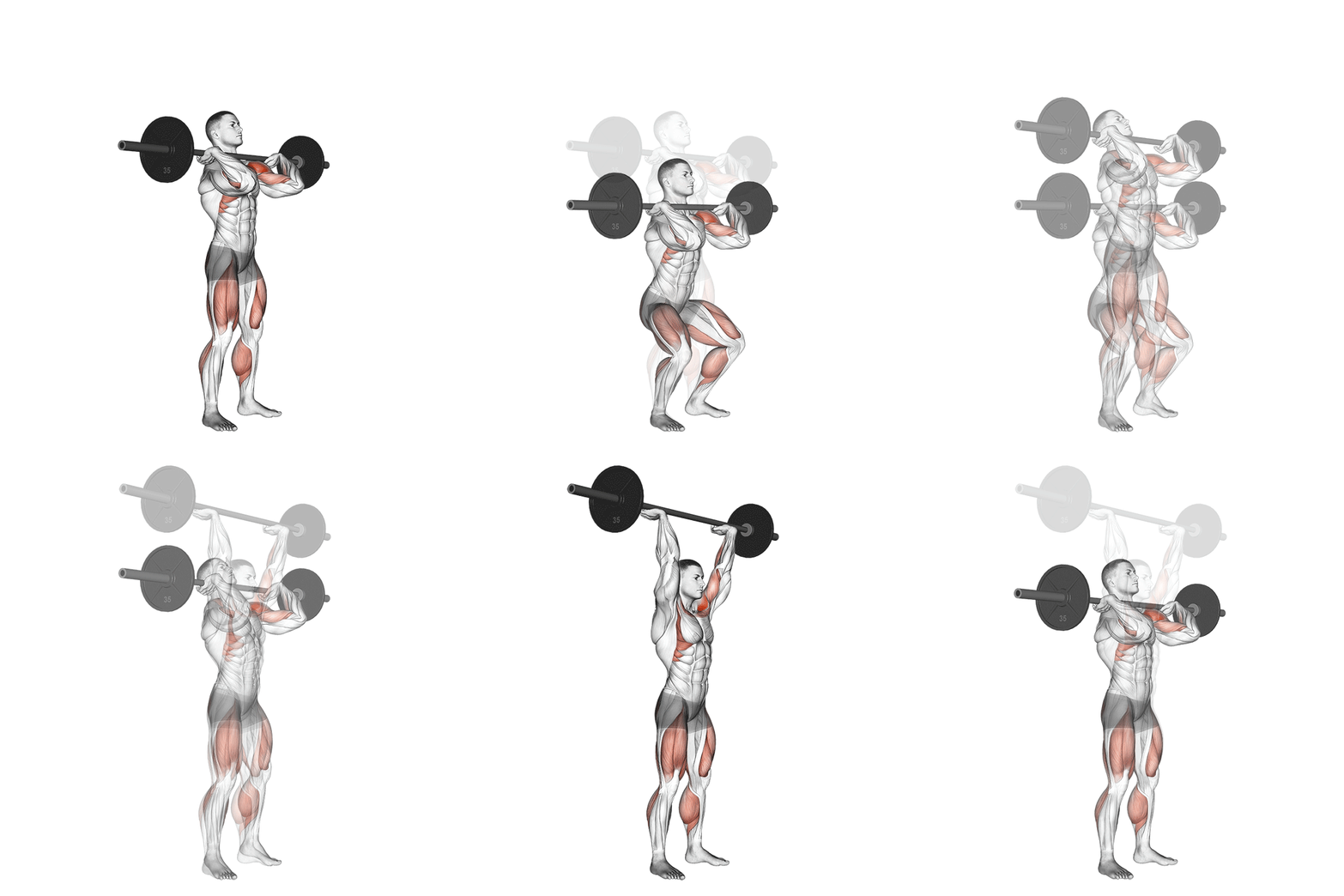
The barbell thruster combines a full-depth front squat and a push press into one continuous lift. You drive out of the squat and use the upward momentum to launch the bar overhead. It hits every major muscle group, taxes the cardiovascular system harder than almost any compound lift, and it's the centerpiece of CrossFit's Fran. For Hyrox athletes, it's a brutal full-body conditioning tool that mimics wall ball under load.
How to do the barbell thruster
- 1
Front rack the bar
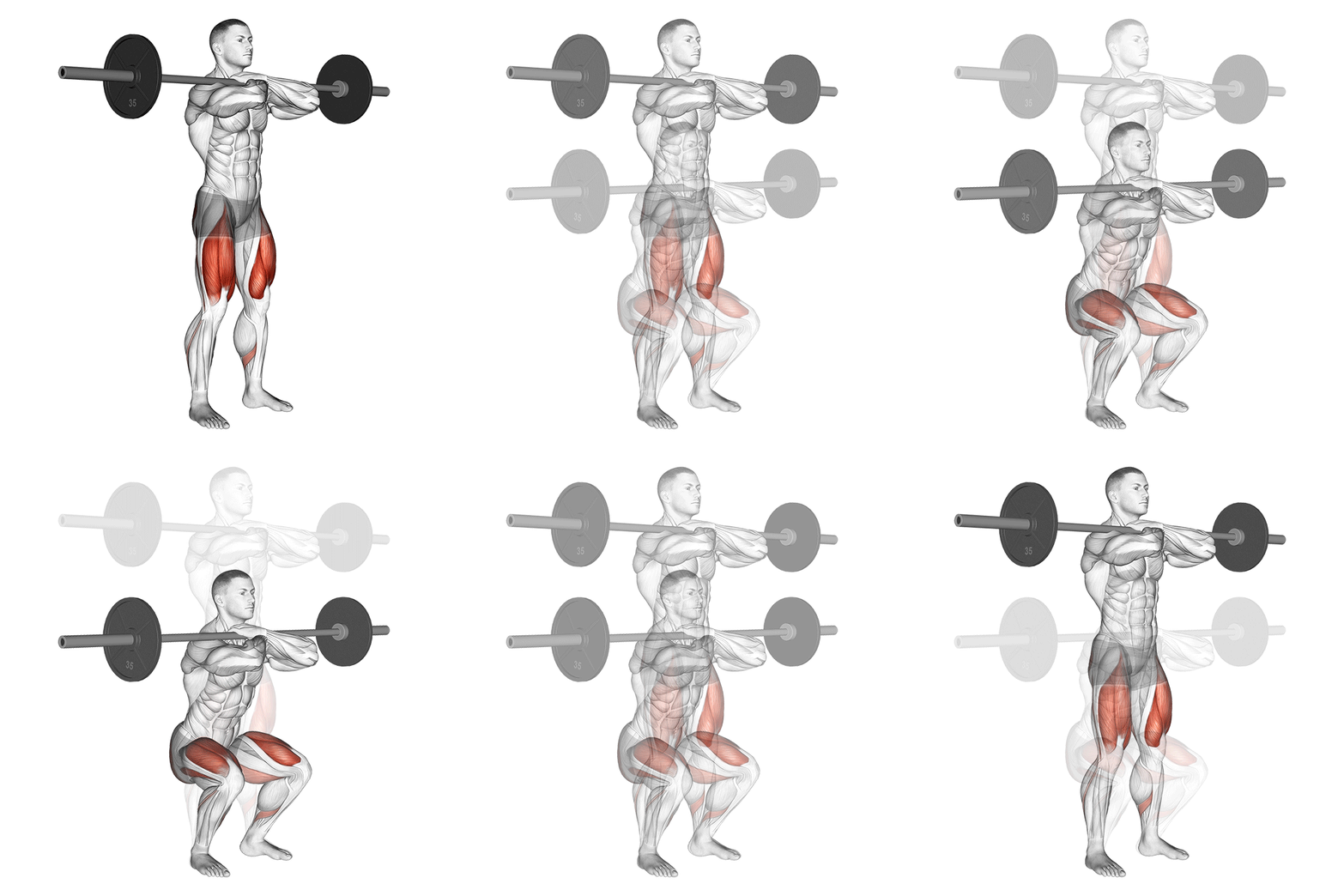
Bar on the front delts, elbows high and forward, hands just outside shoulders. Feet shoulder-width.
- 2
Front squat to depth
Brace, descend until hips break the knee. Elbows stay high so the bar doesn't roll forward.
- 3
Drive and press
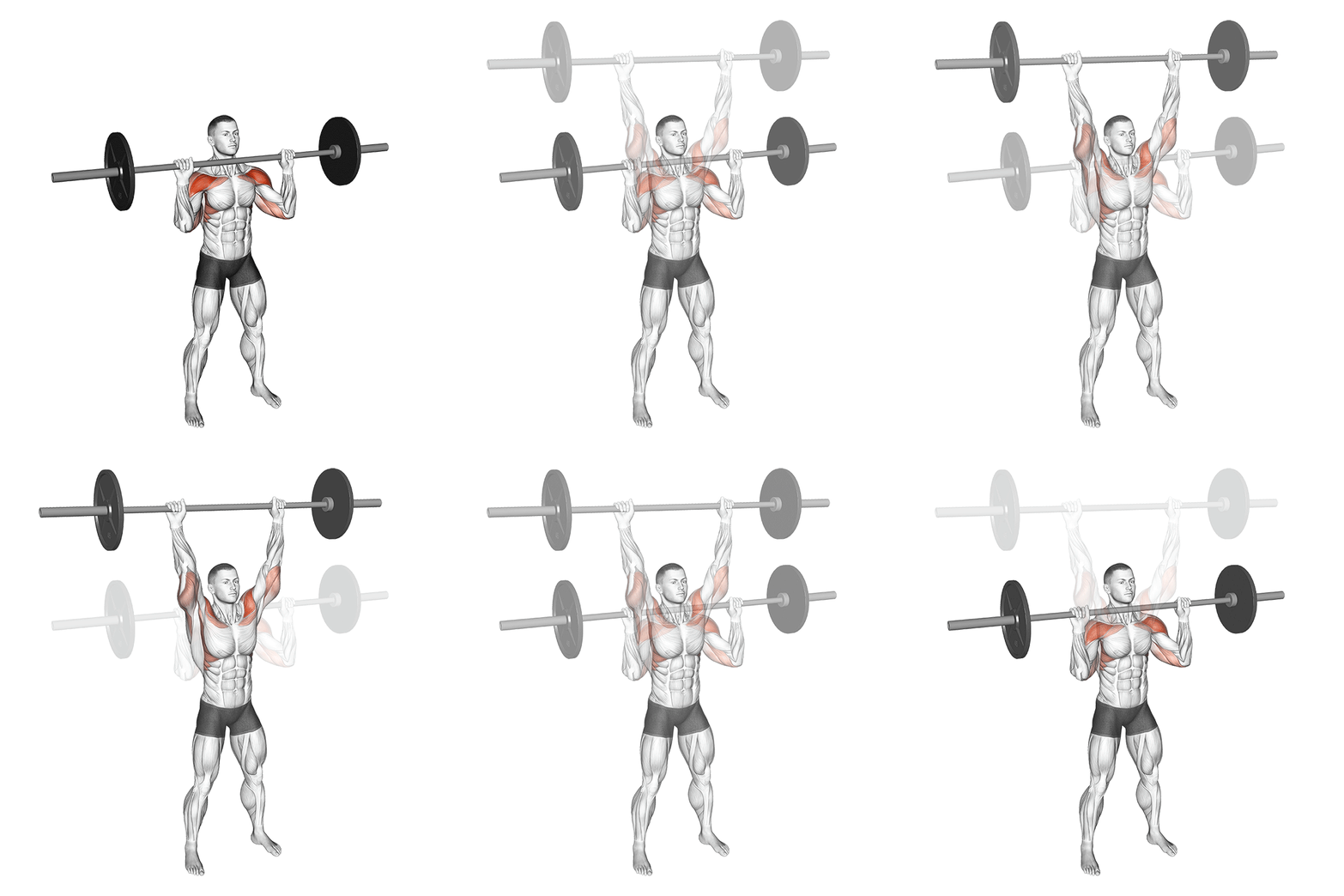
Stand up explosively. As the hips extend, press the bar overhead in one continuous motion. No pause at the top of the squat.
- 4
Lock out and reset
Bar over the back of the head, ears between the arms. Lower the bar back to the rack, then descend straight into the next squat.
Pro tip
The hip extension and the press happen together, not in sequence. If you stand up first and then press, you've wasted the leg drive.
Common mistakes
Pausing at the top of the squat.
It breaks the chain and turns the thruster into two separate lifts. Connect the drive directly into the press.
Elbows dropping in the squat.
Low elbows roll the bar forward and crush your wrists. Drill front rack mobility every warm-up.
Half-depth squats.
Above-parallel reps don't count in any test. Hit full depth even if it means a lighter bar.
Pressing before standing.
If the legs aren't extended, the arms muscle the bar up and burn out fast. Let the hip drive launch the bar.
Variations and progressions
Easier
Dumbbell or kettlebell thruster
Two dumbbells or kettlebells in the rack let you go lighter and remove the front rack mobility demand.
Harder
Fran (21-15-9 thrusters + pull-ups)
Twenty-one, fifteen, nine reps of thrusters at 43 kg paired with pull-ups, for time. The benchmark CrossFit conditioning test.
Alternative
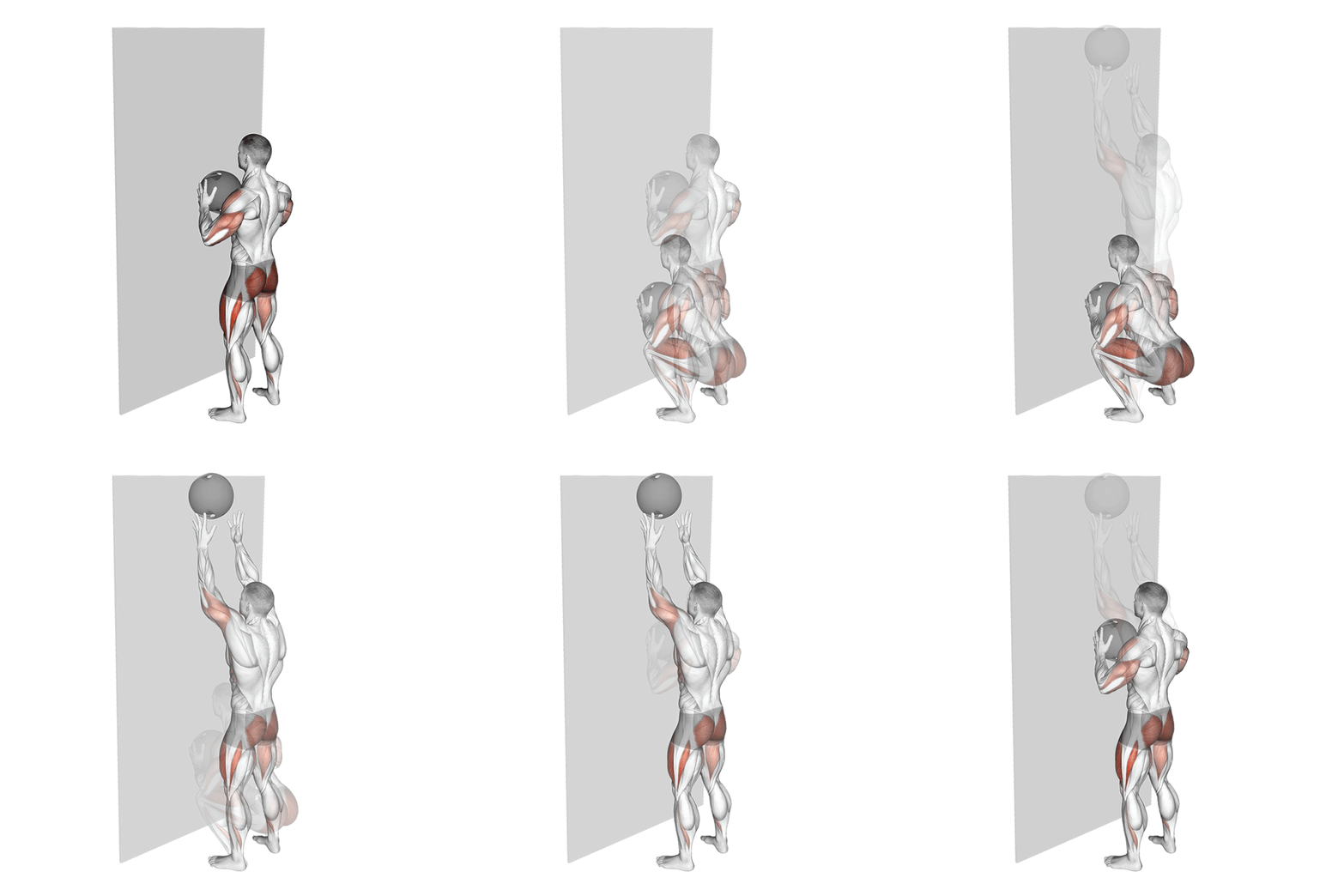
Wall ball
A medicine ball thruster to a target. Lower spinal demand, same hip-drive pattern, perfect Hyrox specific work.
How to program it
Three protocols by goal. Pick one per cycle and aim for progression on load or distance.
| Goal | Sets × distance | Load | Rest |
|---|---|---|---|
| Technique | 5 × 5 | 30-40 kg | 90 s |
| Conditioning | 5 rounds × 10 reps | 40% 1RM front squat | 60 s |
| Strength-power | 5 × 3 | 70-75% 1RM front squat | 2-3 min |
Barbell Thruster FAQ
Why is the thruster so hard?
It chains the two largest muscle groups, the legs and the shoulders, into one continuous lift with zero rest at the lockout. The breathing window is tiny, the systemic demand is huge. A set of fifteen thrusters at moderate load drives the heart rate above ninety-five percent of max in under sixty seconds.
How heavy should I program it?
Way lighter than your front squat. For conditioning, thirty to forty percent of your front squat one rep max is plenty. For strength sets, cap at seventy-five percent. Anything heavier turns it into a clean and jerk and removes the conditioning benefit.
Do I need overhead mobility for this?
Yes, and front rack mobility too. If you can't reach a clean overhead lockout with the bar behind the ears, the load will drift forward and stress the lower back. Spend two weeks on overhead mobility drills before loading the thruster heavy.