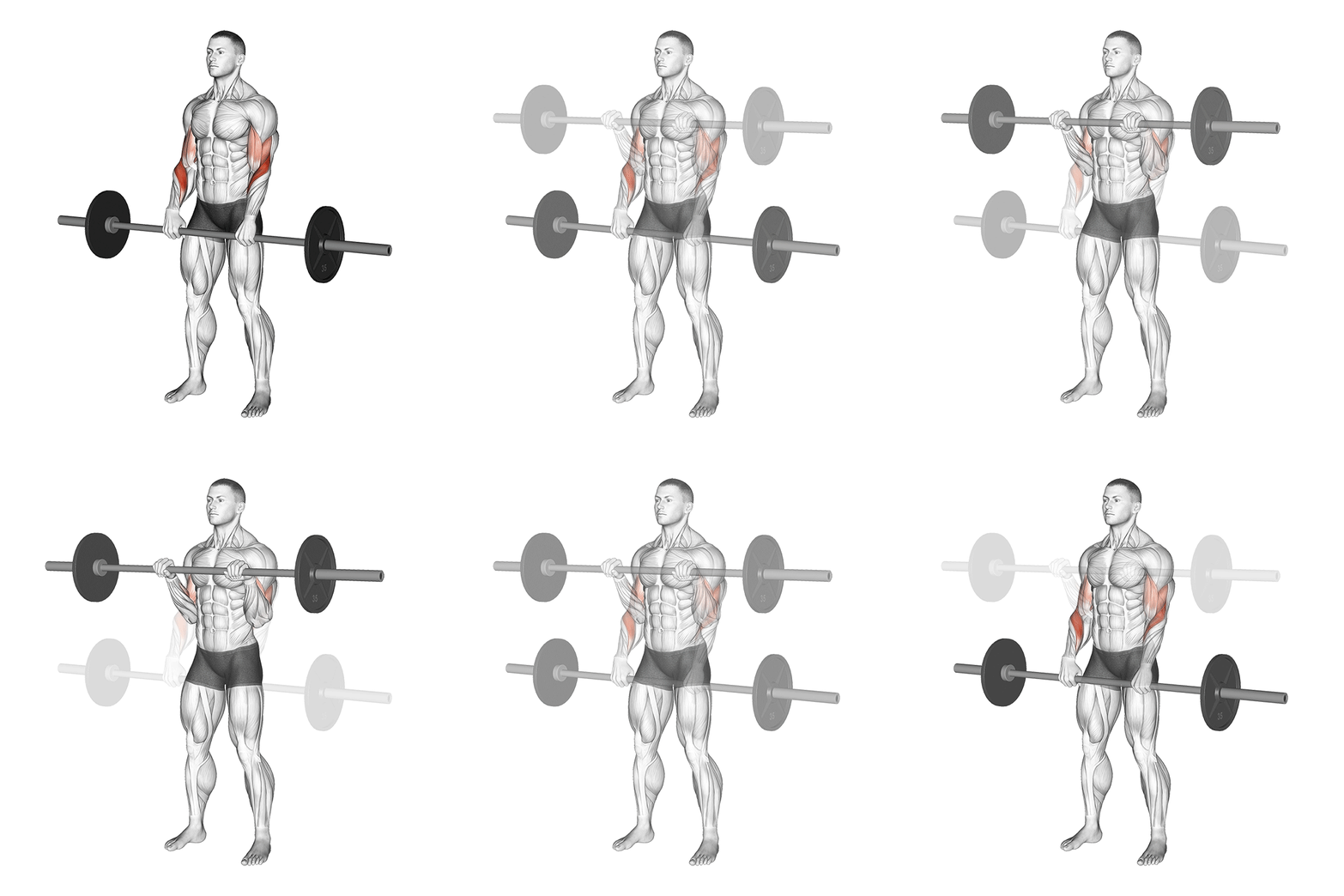
What is the barbell reverse grip forearm curl?
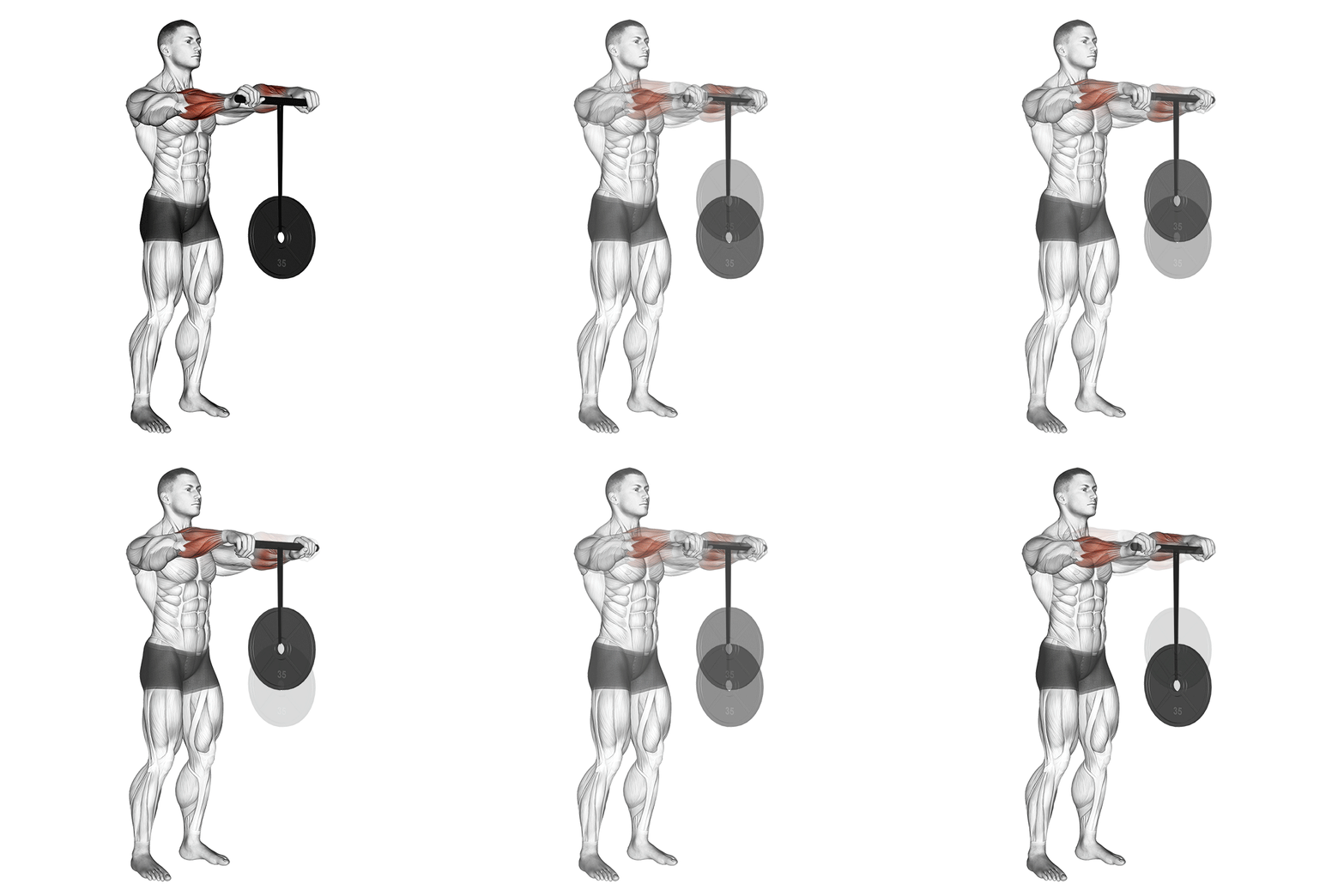
The barbell reverse grip forearm curl, better known as the reverse wrist curl, trains the wrist extensors on top of the forearm. Kneel behind a flat bench, rest your forearms on it with a pronated palms-down grip, wrists hanging just past the edge, then extend the wrists to lift your knuckles toward the ceiling and lower slowly. Every pull, carry and curl hammers the flexors on the underside; the extensors rarely get direct work, and that imbalance is a classic road to elbow pain. Light loads, high reps, big payoff for lifters, climbers and desk-bound wrists.
How to do the barbell reverse grip forearm curl
- 1
Anchor your forearms on the bench
Kneel behind a flat bench, forearms flat on the pad, hands shoulder width, palms facing down. Your wrists and hands must hang fully past the edge so nothing blocks the movement.
- 2
Start from full flexion
Keep a firm grip on the bar and let your wrists drop as low as they comfortably go. That stretched bottom position is the start and end of every rep.
- 3
Curl your knuckles to the ceiling
Extend the wrists to raise the bar as high as it will go, forearms staying glued to the bench. Squeeze for 1 s at the top. The range is small; that is normal.
- 4
Lower in 2-3 s
Resist the bar back down to full flexion without bouncing. The slow eccentric is what wrist extensor tendons respond to best.
Pro tip
Go embarrassingly light. An empty bar or 10 kg total humbles most strong lifters here. Extensors respond to high reps and control; chasing load just shifts the strain onto your elbows.
Common mistakes
Forearms lifting off the bench.
If your elbows rise, you are doing a bad reverse curl, not a wrist curl. Press the forearms into the pad and let only the hands move.
Too heavy, too shallow.
An overloaded bar shrinks the range to a twitch and hands the work to your joints. Drop the weight until you can move through the full arc with a 1 s squeeze.
Bouncing out of the bottom.
Jerking the bar up from full flexion snaps tension through small tendons that hate surprises. Pause a beat at the bottom, then lift smoothly.
Hands too far onto the bench.
If the edge of the bench sits under your palms, it blocks the bottom half of the movement. Slide back until the wrist joint itself clears the edge.
Variations and progressions
Easier
Single dumbbell reverse wrist curl
One arm at a time with a light dumbbell lets you fine-tune the load per side and keep the wrist in its most comfortable line.
Harder
Wrist roller
Rolling a hanging weight up and down a bar works extensors and flexors through continuous time under tension. The forearm pump is legendary for a reason.
No barbell?
Banded wrist extensions
Loop a light band under your foot and extend the wrist against it. Smooth resistance, zero setup, perfect for home rehab days.
How to program it
Three protocols by goal. Pick one per cycle and aim for progression on load or distance.
| Goal | Sets × distance | Load | Rest |
|---|---|---|---|
| Elbow health | 3 × 15-20 | Empty bar or 5-10 kg | 60 s |
| Forearm hypertrophy | 3 × 12-15 | Light to moderate | 60-90 s |
| Grip balance for climbers | 2 × 20-25 | Very light | 45 s |
Barbell Reverse Grip Forearm Curl FAQ
Will reverse wrist curls fix my tennis elbow?
They are one of the best preventive tools, and slow, light wrist extension work is a staple of lateral elbow rehab because tendons adapt well to controlled eccentric loading. But if you already have persistent lateral elbow pain, do not self-prescribe: dosage is everything with irritated tendons, and a physio will progress it properly. Think of this exercise as insurance you buy before the injury, not a cure you grab after.
Why am I so much weaker here than on regular wrist curls?
Because the extensors are genuinely smaller and mechanically weaker than the flexors on the underside of the forearm. Most people handle roughly a third to half of their wrist curl load in the reverse version, and that is with everything working correctly. It says nothing bad about you; it says everything about why this muscle group gets injured when it is never trained.
When should I slot these into my week?
At the end of pulling or arm days, two or three times per week. The extensors recover fast from light work, but their tendons adapt slower than muscle, so stop a couple of reps shy of failure rather than grinding. Avoid doing them right before heavy deadlifts or rows: pre-fatigued forearms will cost you grip where it actually pays.