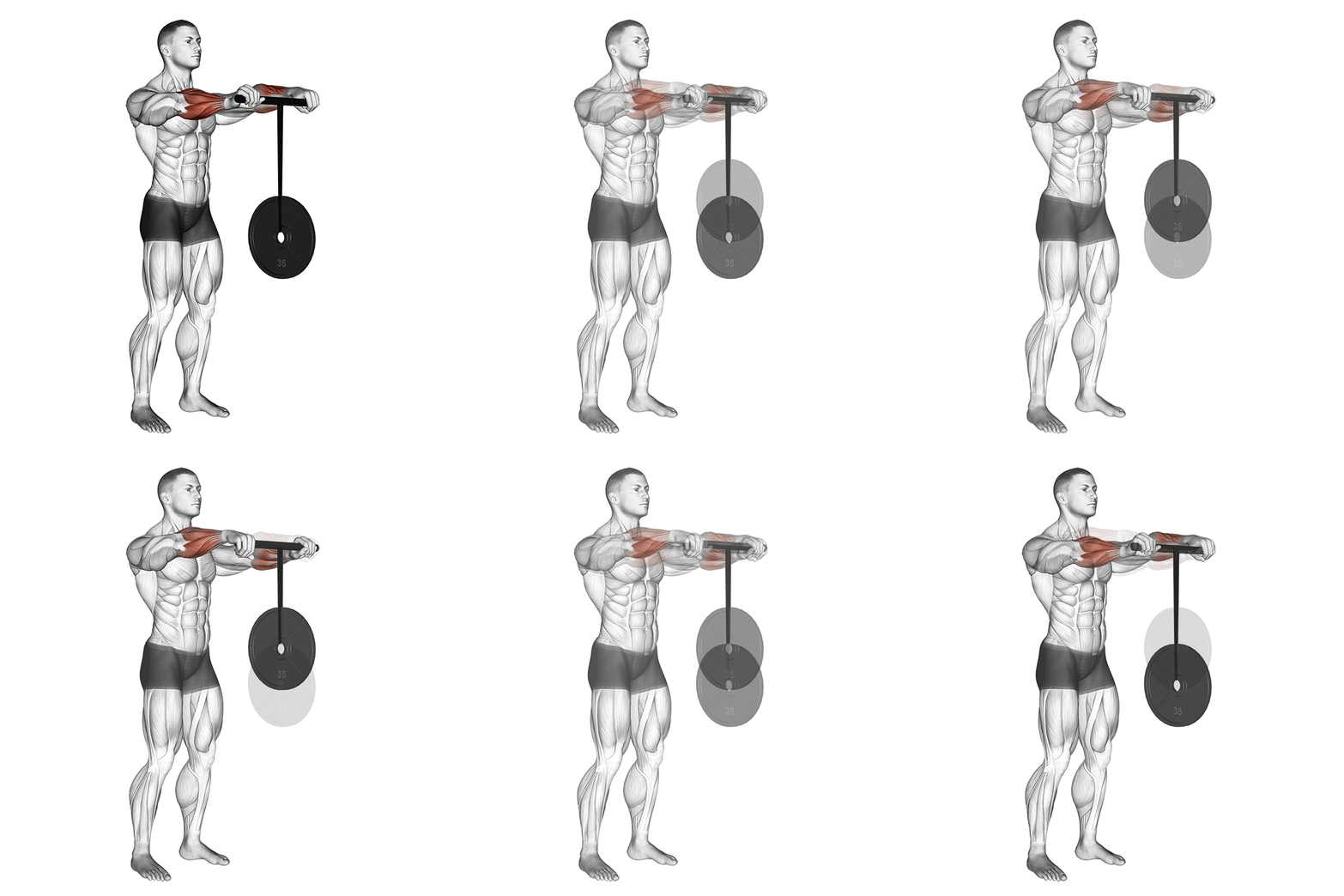
What is the wrist roller?
The wrist roller is a short bar with a rope through it and a weight hanging from the end. You hold the bar arms-out at shoulder height and roll the rope up using only your wrists and fingers, then reverse to lower the weight. It trains the forearm flexors, extensors and grip simultaneously, under continuous tension for the full length of the rope, with no help from momentum or other muscles.
How to do the wrist roller
- 1
Load and set
Hang a plate from the rope, 2.5 to 10 kg to start. Stand with arms straight out at shoulder height.
- 2
Roll up overhand
Roll the bar toward you with your palms facing down. Use only the wrists and fingers, no shoulder pumping.
- 3
Touch the bar to the weight
Keep rolling until the weight reaches the bar. That's one full ascent, the forearm pump kicks in fast.
- 4
Roll down slowly
Reverse the direction and lower the weight under control. The eccentric is where the extensors grow.
Pro tip
Two full rolls, up and down, equals one set. If you can do five, you went too light. The forearm should be locked up before the second rep ends.
Common mistakes
Pumping the shoulders.
Shoulder shrugs cheat the forearm. Keep the elbows pinned and the arms locked at shoulder height.
Going too heavy.
Heavy plate means the rope barely climbs. You need full ascents, not failed first reps.
Dropping the descent.
Letting the weight fall halves the work. Roll it down at the same speed as you rolled up.
Skipping the reverse direction.
Only rolling one way trains only one half of the forearm. Alternate overhand and underhand sets.
Variations and progressions
Easier
Seated wrist roller
Forearms resting on a bench, only the wrists move. Removes the shoulder fatigue entirely.
Harder
Thick-bar wrist roller
Use a fat-grip sleeve over the bar. The thicker the bar, the harder the grip has to fight to keep rolling.
No roller?
Plate pinch / dead hang
Both build grip endurance with no equipment beyond what's in any gym. Pair with wrist curls for the extensor side.
How to program it
Three protocols by goal. Pick one per cycle and aim for progression on load or distance.
| Goal | Sets × distance | Load | Rest |
|---|---|---|---|
| Grip endurance | 3 × 2 rolls (up + down) | 2.5-5 kg | 90 s |
| Forearm hypertrophy | 4 × 1 roll, alternating direction | 5-10 kg | 60 s |
| Finisher | 2 × max rolls to failure | 2.5-5 kg | 2 min |
Wrist Roller FAQ
Will the wrist roller actually improve my deadlift grip?
Yes, but indirectly. The wrist roller builds endurance of the finger flexors and extensors, which is the limiter on long carry events and high-rep pulls. For pure max-effort one-rep deadlift grip, dedicated heavy holds and double-overhand work do more. Use the roller alongside, not instead.
How often should I do wrist roller work?
Two to three sessions a week is plenty. The forearm recovers fast, but tendon stress from gripping accumulates quickly. Programme it as a five-minute finisher at the end of pull days, alternating overhand and underhand rolls. Skip it the day before a heavy deadlift session.
How much weight do I really need?
Less than you think. Two-and-a-half to five kilos for beginners, five to ten kilos once the forearms can handle two full rolls per set. Past ten kilos most people lose the strict pattern. If you need more challenge, swap to a thicker bar instead of stacking more plate.