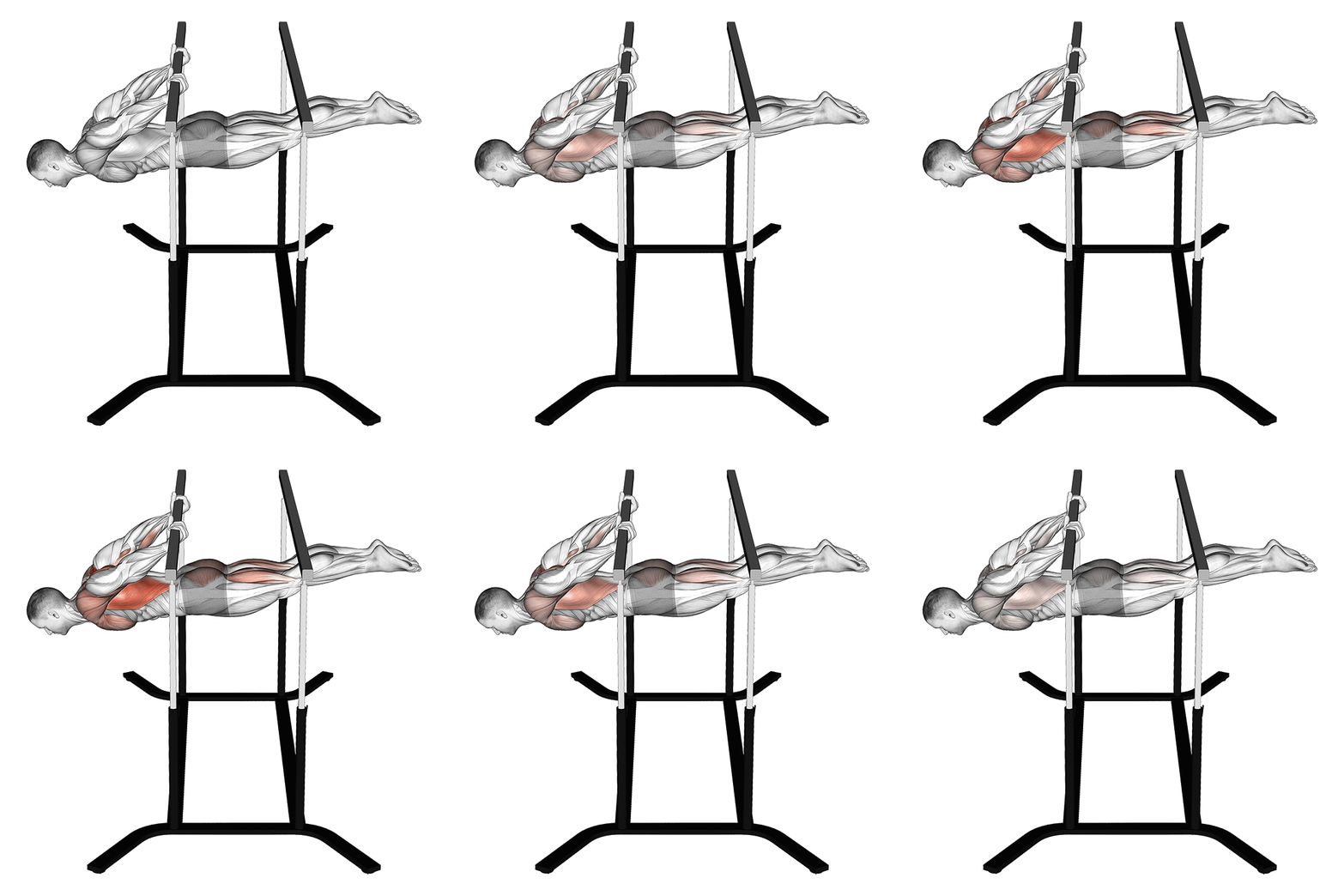
What is the back lever?
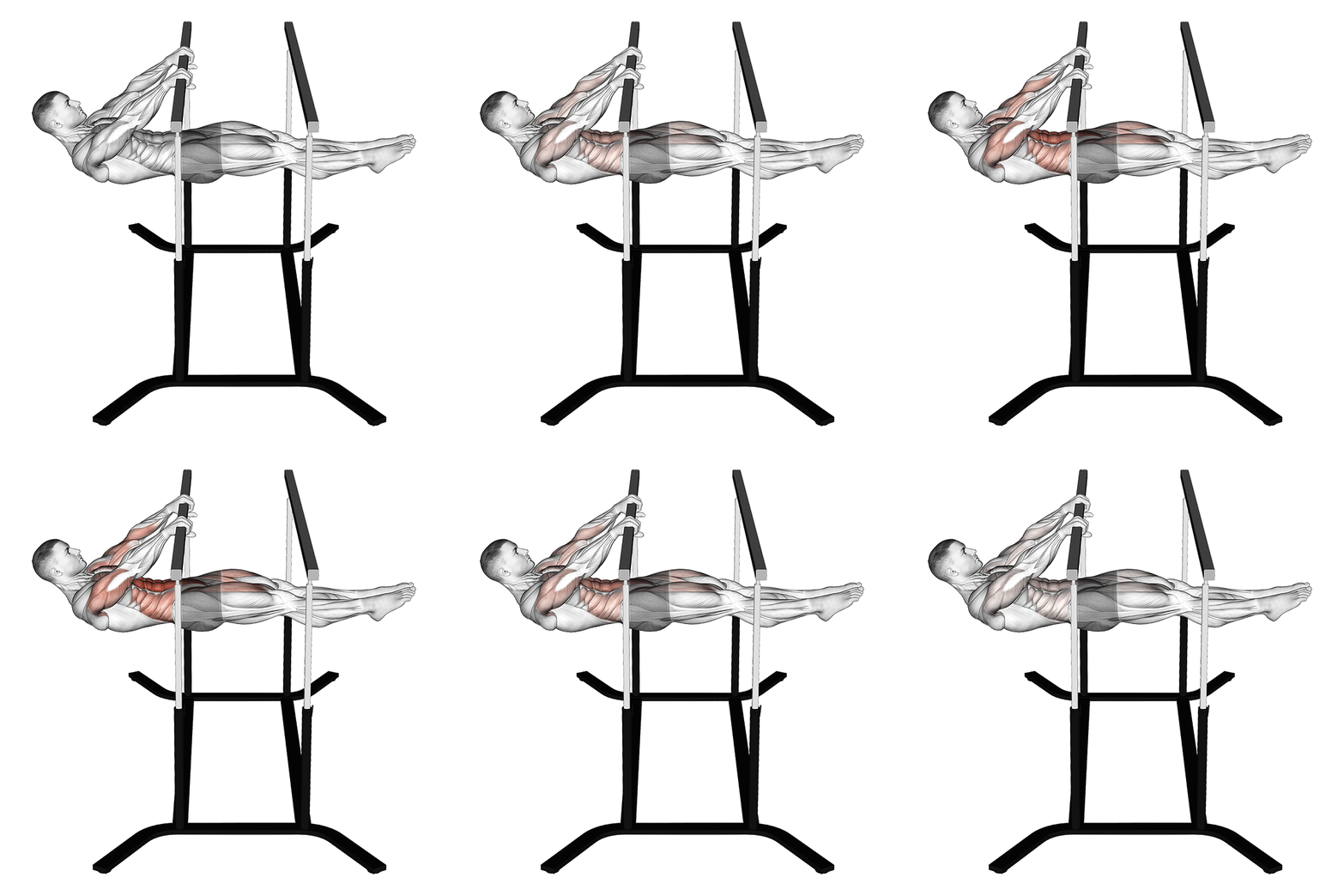
The back lever is a straight-arm isometric hold performed facing the floor: from an inverted hang on a bar or rings, you rotate forward through a skin the cat and stop with your body horizontal, arms locked behind you. The extreme shoulder-extension position loads the lats, chest and biceps tendons hard, while the spinal erectors and glutes weld the body line. It demands less raw strength than the front lever, which makes it most athletes' first full lever, but it punishes rushed tendons, so progressions are non-negotiable. A staple for street workout, rings and planche-bound athletes.
How to do the back lever
- 1
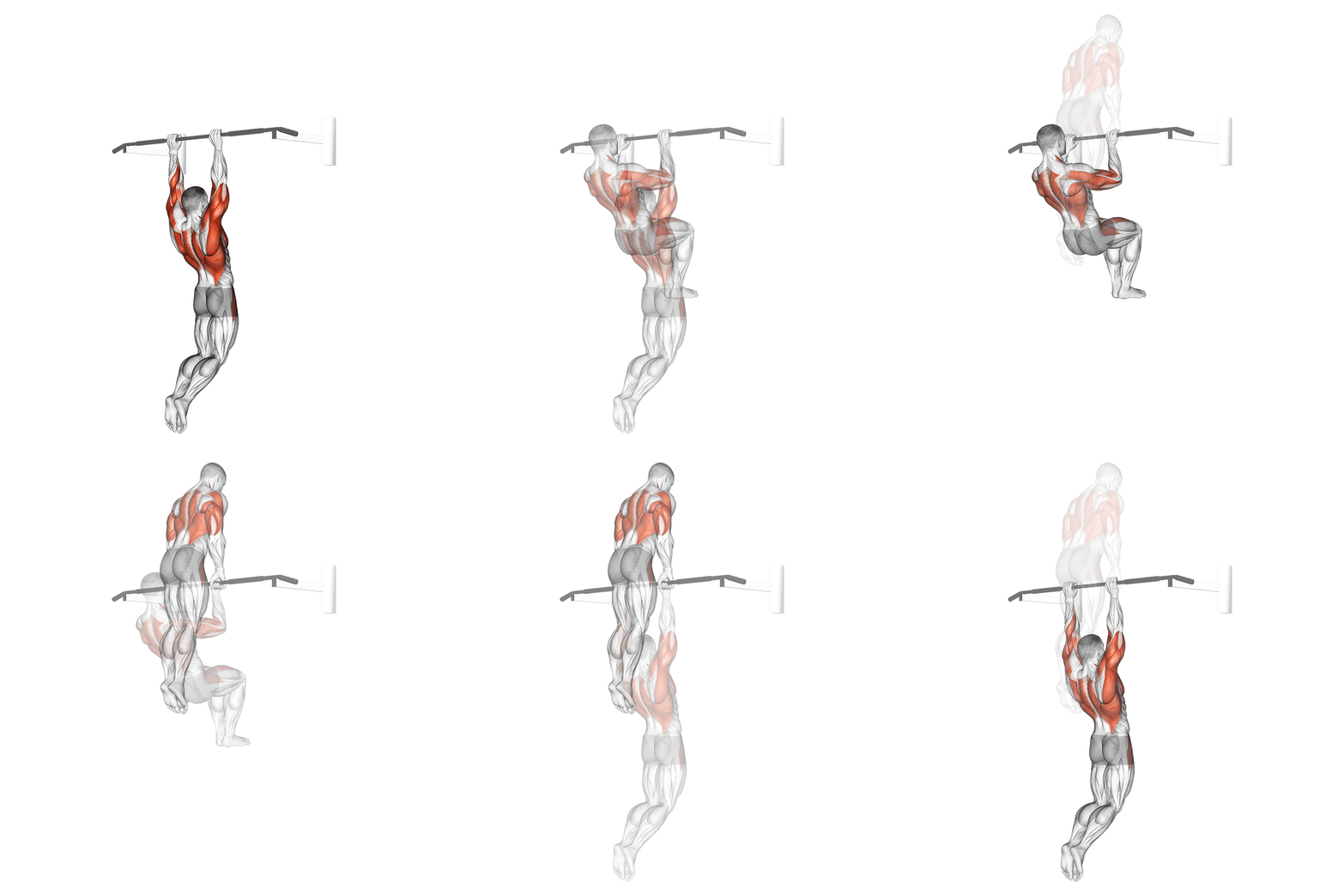
Skin the cat to inverted
Hang, pull your knees through your arms and keep rotating until you are fully inverted, body vertical, arms straight. On rings, let the straps guide you; on a bar, grip hard.
- 2
Rotate down face-first
From inverted, lower slowly toward horizontal, chest turning to face the floor. Elbows stay locked; the slower the descent, the safer the shoulders.
- 3
Stop at horizontal, weld the line
Glutes crushed, pelvis tucked, head neutral. Your body should be one flat board from the shoulders to the pointed toes.
- 4
Exit with intent
Tuck the knees and pull back up to inverted, or keep rotating down into a German hang before releasing. Never just drop out of the hold.
Pro tip
Treat your biceps tendons like a max-effort lift: long warm-up, slow loading, weeks between progressions. The back lever stretches them under load at a length nothing else reaches, and tendons adapt on their own calendar.
Common mistakes
The banana back.
An arched spine with high hips looks horizontal from the front but isn't a lever. Tuck the pelvis and squeeze the glutes until the line is flat.
Elbows bending under load.
Bending spares the biceps tendon today and steals the skill tomorrow. If the elbows won't stay locked, go back to the tuck.
Supinated grip too early.
Palms-forward multiplies the stress on the biceps tendon. Earn the full lever pronated (or on rings) before experimenting.
Skipping the German hang.
Without time spent relaxed in deep shoulder extension, the lever position will always feel like a cliff edge. Hold 20-30 s German hangs as prep.
Variations and progressions
Easier
Tuck back lever
Knees to chest cuts the lever in half. Build 15-20 s flat-back holds, then advance one leg at a time.
Harder
Back lever pull-outs
Lower from inverted to the lever, pause 2 s, pull back up. Done for reps, the static trick becomes real strength.
No bar or rings?
Dumbbell pullover + reverse plank
The pullover loads shoulder extension; the reverse plank trains the glute-and-spine line. A gym-floor stand-in until you find a bar.
How to program it
Three protocols by goal. Pick one per cycle and aim for progression on load or distance.
| Goal | Sets × distance | Load | Rest |
|---|---|---|---|
| Tendon prep | 5 × 8-12 s tuck | Bodyweight, pronated or rings | 90 s |
| Progression strength | 4 × 5-8 s | One-leg or straddle | 2-3 min |
| Consolidation | Accumulate 20-30 s full | Full lay, flat line | 3 min |
Back Lever FAQ
Should I learn the back lever before the front lever?
Yes, in most cases. The back lever needs noticeably less strength, so you learn body-line control, scap discipline and the habit of filming yourself on the cheaper skill, then reinvest it all in the front lever. One caveat: elbow health. The back lever is harder on the biceps tendons, so if yours are cranky, work both levers in parallel at the tuck stage instead.
Why does the inside of my elbow hurt?
That's the biceps tendon complaining about shoulder extension under a load it isn't conditioned for. Stop full holds immediately, drop two progressions, and rebuild with tuck holds and 20-30 s German hangs, pronated grip. Add load weekly, not daily. Respected, most cases settle within a few weeks; pushed through, they last months.
Bar or rings for the back lever?
Rings, if you have them. They let your hands rotate naturally as you turn through the movement, which spares the elbows and wrists, and the entry through inversion is smoother. The bar fixes your grip and adds torque on the biceps tendon. Learn on rings, demonstrate on whatever you like.