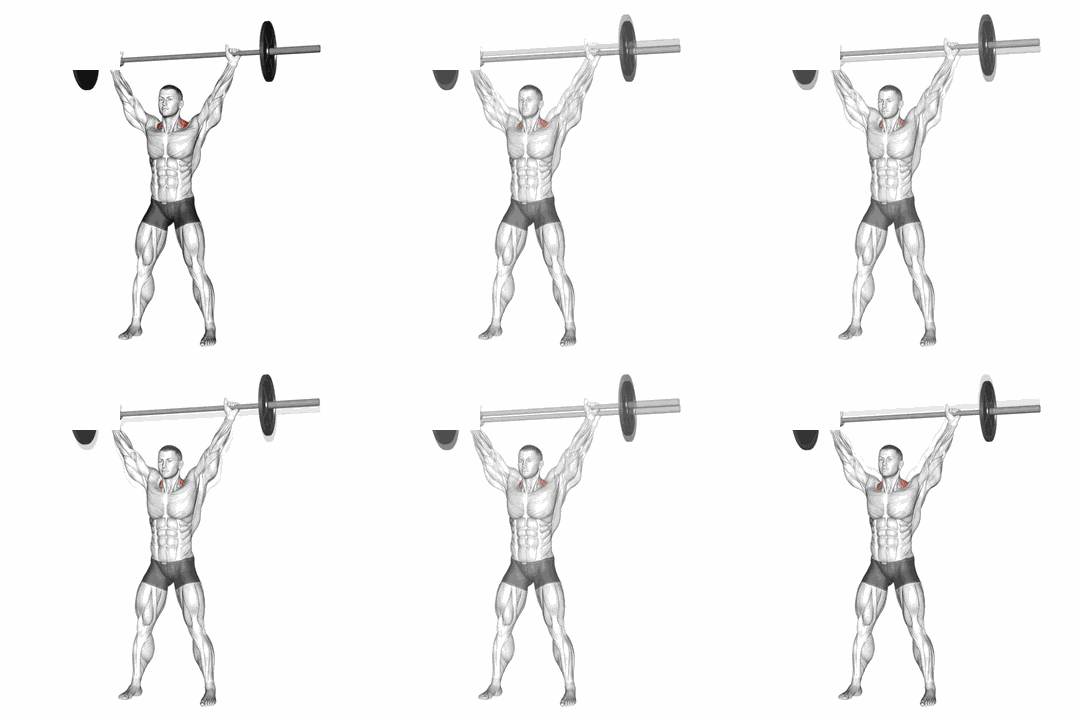
What is the overhead shrug?
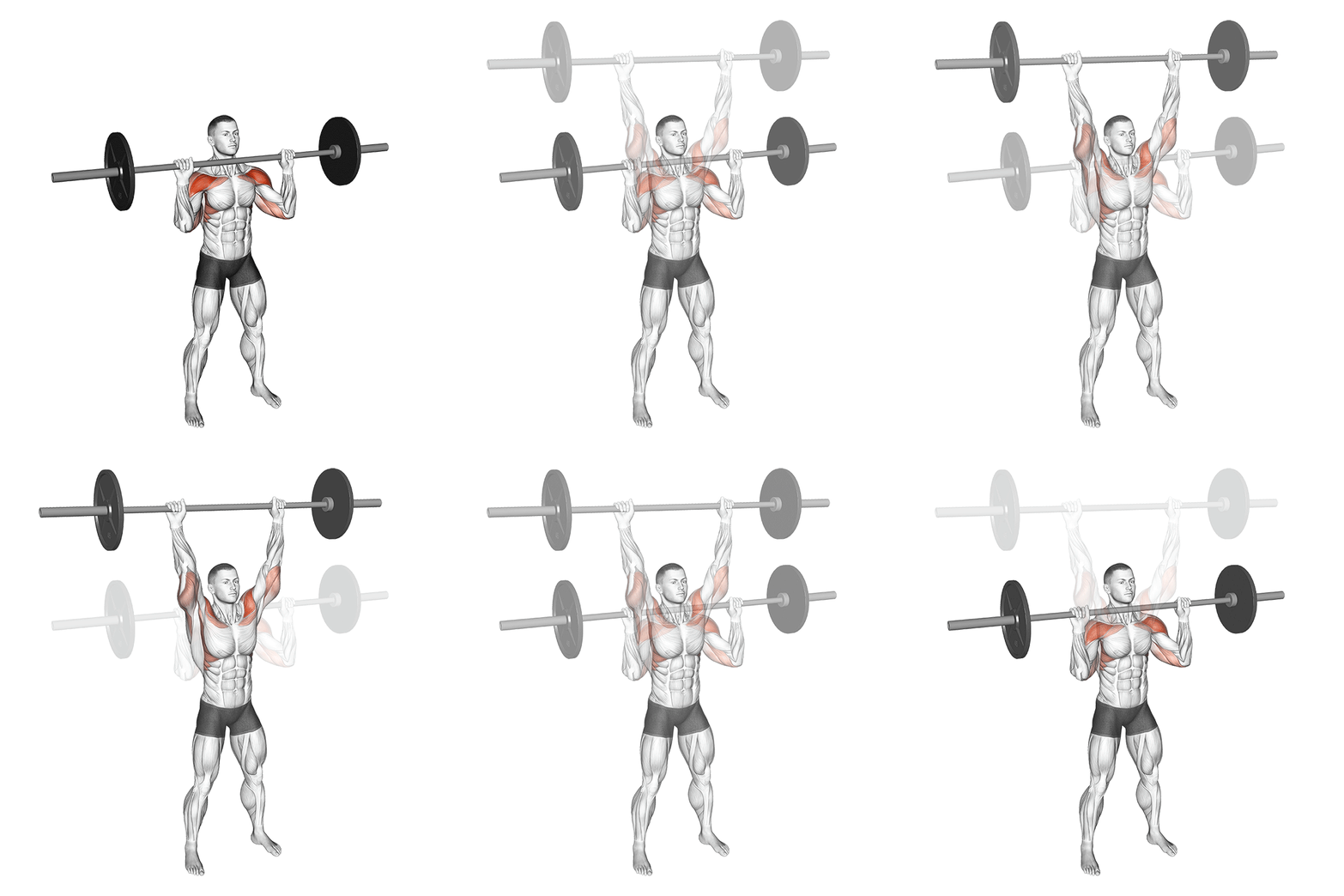
The overhead shrug is a scapular exercise performed with a barbell, light dumbbells or a plate locked out overhead. With the elbows locked, you shrug the shoulders toward your ears, lifting the bar a few centimetres purely by elevating and upwardly rotating the shoulder blades, then lower them under control. It trains the upper traps and serratus anterior in their overhead role: keeping the shoulder blade rotated and stable under a load. Olympic lifters use it as a snatch accessory, pressers use it to firm up a soft lockout, and it doubles as a shoulder-health drill before any overhead session.
How to do the overhead shrug
- 1
Get the bar locked out
Strict press an empty or light bar overhead, or take it from a rack. Hands just outside shoulder width, wrists stacked over shoulders, ribs down, glutes on.
- 2
Shrug toward the ceiling
With the elbows locked hard, lift your shoulders toward your ears. The bar should rise a few centimetres purely from the shoulder blades travelling up.
- 3
Pause and reach tall
Hold the top for 1-2 s, head neutral, bar stacked over your mid-foot. Think about pushing the ceiling away without bending anything.
- 4
Lower with control
Let the shoulder blades slide back down until they are fully depressed, elbows still locked. That long lowering is half the exercise.
Pro tip
Locked elbows are the entire drill. The first thing fatigue does is bend them, and then the triceps start doing the shrugging. The moment the range shrinks or the elbows soften, rack the bar, whatever the rep counter says.
Common mistakes
Bending the elbows.
Any elbow bend turns the shrug into a micro press and takes the shoulder blades out of the movement. Lock hard before the first rep and keep checking.
Flaring the ribs.
Arching the lower back to push the bar higher fakes the range. Brace the trunk like a plank: the only thing moving is the shoulder girdle.
Going heavy.
Past roughly 40% of your press, the range disappears and the drill dies. This is a quality exercise; the stimulus lives in the full squeeze, not the plates.
Letting the bar drift forward.
A bar in front of your head loads the lower back, not the traps. Keep it stacked over your mid-foot, biceps by your ears.
Variations and progressions
Easier
Plate overhead shrug
Hold a 5-10 kg plate overhead with both hands. Lighter, easier to balance, and the flat grip makes the shoulder blade motion easy to feel.
Harder
Snatch-grip overhead shrug
Wide grip, the classic Olympic lifting accessory. The wider hands demand more upward rotation and punish any lazy lockout immediately.
No bar?
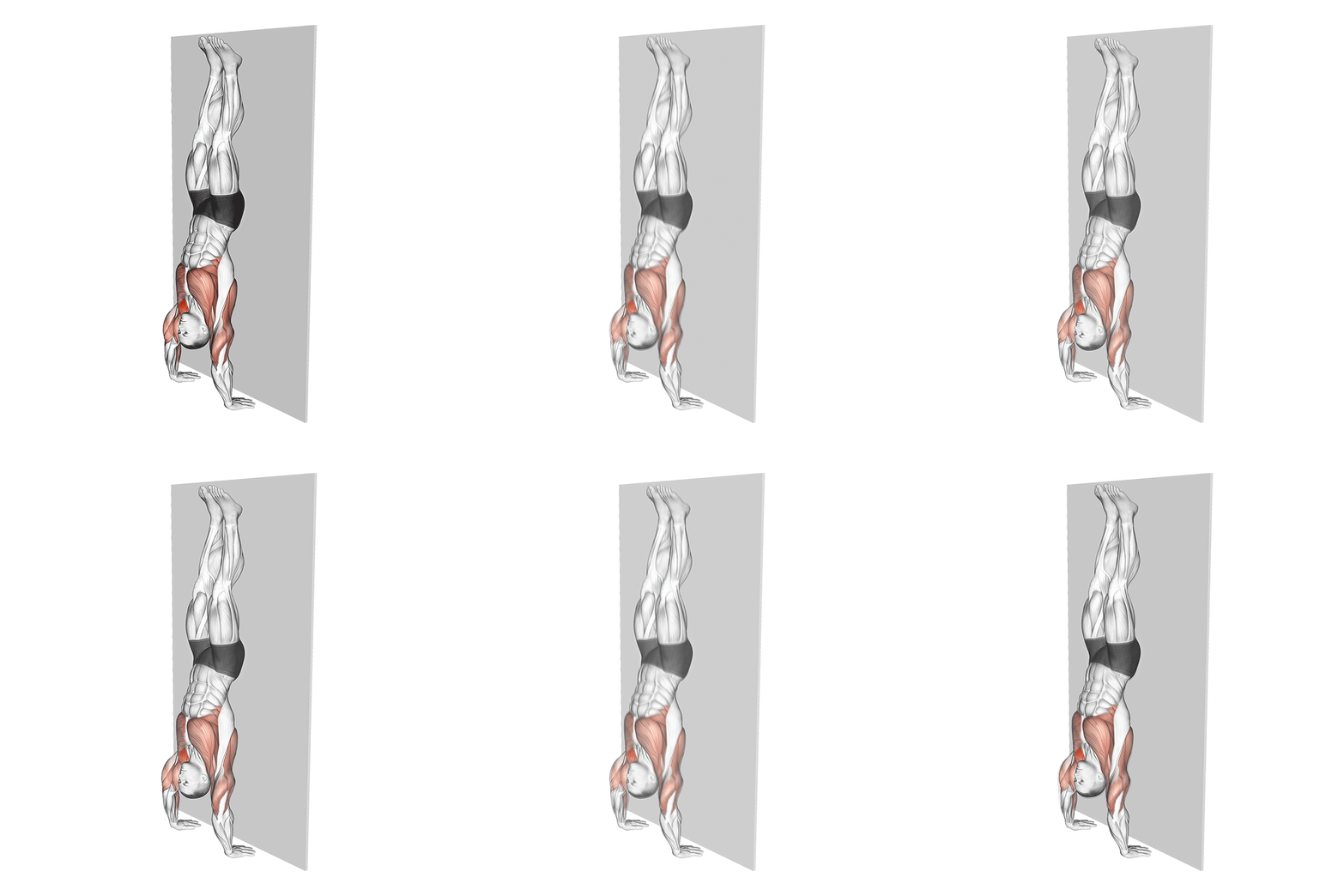
Wall handstand shrug
Kick up against a wall and shrug through the shoulders with locked elbows. Same scapular pattern, loaded by your bodyweight.
How to program it
Three protocols by goal. Pick one per cycle and aim for progression on load or distance.
| Goal | Sets × distance | Load | Rest |
|---|---|---|---|
| Press accessory | 3 × 8-10 | Empty bar to 40% of press 1RM | 90 s |
| Warm-up / shoulder health | 2 × 12-15 | Plate or empty bar | 45 s |
| Snatch accessory | 4 × 6, 2 s pause | 30-50% of snatch | 2 min |
Overhead Shrug FAQ
What is the point of such a small movement?
Overhead stability is scapular before it is anything else. A press or jerk finishes locked out with the shoulder blades elevated and upwardly rotated, and those few centimetres are exactly what the overhead shrug trains. If your lockouts wobble or your traps fatigue in handstands, this tiny range is the missing link, not more pressing.
How heavy should I go?
Far lighter than your shrug ego suggests. An empty bar is genuinely enough for the first weeks, and most lifters top out around 40% of their overhead press before the range starts vanishing. The test is simple: if you cannot pause 2 s at the top with locked elbows and a full shrug, strip the bar.
Will it build my traps like regular shrugs?
A little, not a lot. The loads are too light for serious trap mass, so keep barbell shrugs if size is the goal. The overhead shrug earns its slot differently: it teaches the traps and serratus to work overhead, firms up your press lockout and makes heavy jerks and handstands feel stable. Think of it as skill and insurance, not a mass builder.