What is the tempo run?
A tempo run is sustained running at or just below lactate threshold, roughly 83-88% of max heart rate, around 25-30 seconds per kilometre slower than your current 5K pace. The classic prescription is 20-45 minutes of continuous effort, or 2-3 longer blocks with short jogs between. The goal is to teach your body to clear lactate at higher workloads, which raises the pace you can sustain in any race longer than a mile. It's the single most efficient stimulus for half-marathon and Hyrox performance.
How to do the tempo run
- 1
Warm up properly
Jog 10-15 minutes easy, then add 4-6 strides of 20 seconds at mile pace. Hitting tempo cold is how you blow up.
- 2
Lock pace in the first kilometre
Settle into a rhythm you could just barely talk through. If you can sing, too slow; if you can only grunt, too fast.
- 3
Hold form when it tightens
At minute 15-20 the body wants to compensate. Keep the arms loose, the cadence high, the gaze 20 m ahead.
- 4
Finish at the same pace you started
A real tempo is even-effort. Sprinting the last 200 m is fun but undoes the threshold stimulus. Stop on pace, on the clock.
Pro tip
Tempo pace is not race pace. If a tempo run leaves you wrecked for two days, you ran it 10-15 seconds per km too fast. Keep some change in the bank.
Common mistakes
Treating it as a time trial.
Tempo is sub-threshold, not maximal. Beating last week's split every time leads straight to overreach.
No warm-up.
Threshold pace from minute one feels brutal and shifts the effort above threshold. Always 10+ minutes of jog first.
Doing tempo on dead legs.
Tempo the day after intervals or a long run drops the quality. Pair it with two easy days around it.
Stopping the watch at lights.
Threshold adaptation needs continuous effort. Pick a loop or path with no stops, or do laps on a track.
Variations and progressions
Easier
Cruise intervals
Break the tempo into 3 × 10 minutes at threshold with 2-minute jog recovery. Same total stimulus, less mental load.
Harder
Progression tempo
Start at the easy end of threshold and drop pace 5 seconds per km every 10 minutes. Finishes at half-marathon to 10K pace.
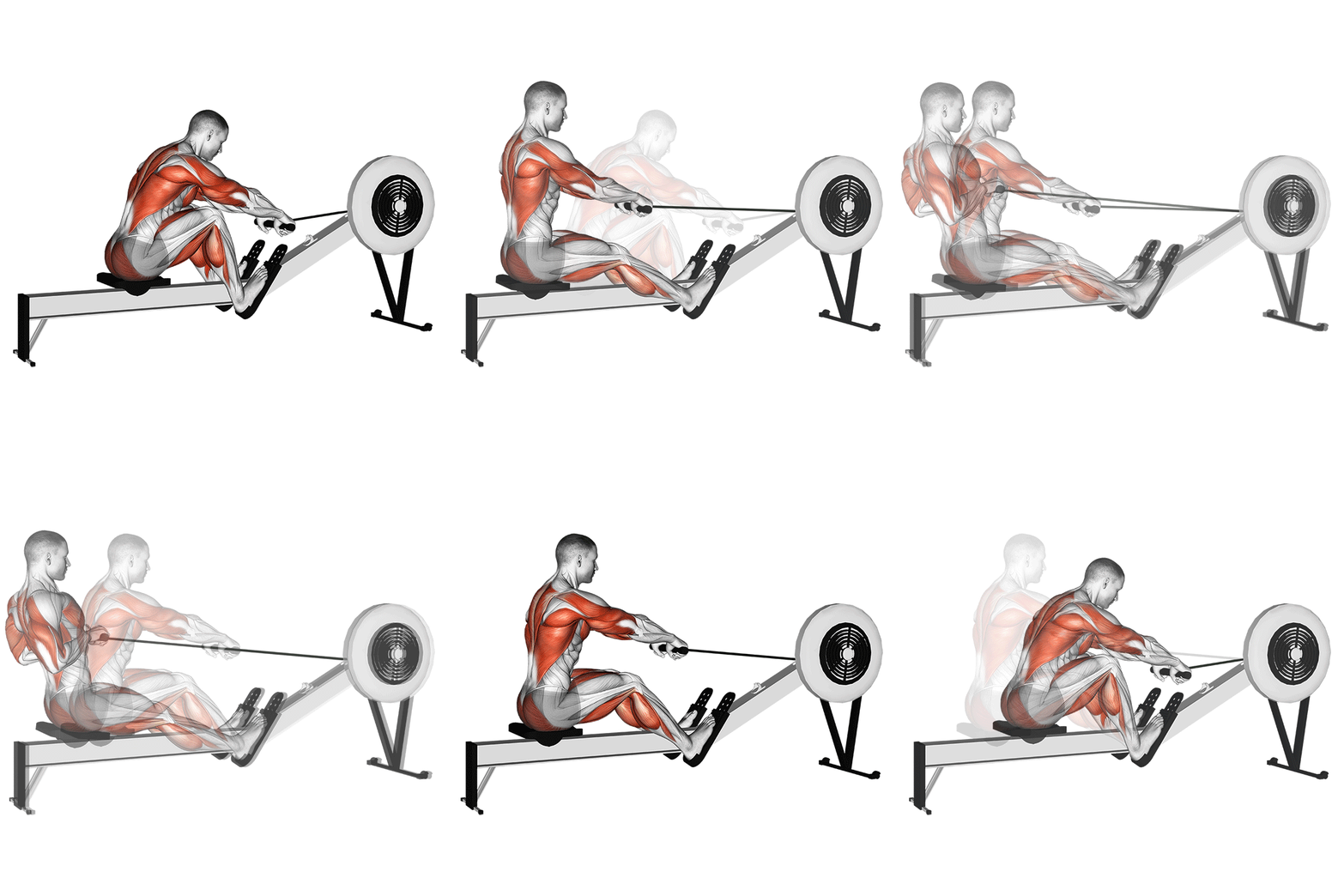
On the rower
Threshold rower piece
3 × 8 minutes at threshold pace with 2 minutes easy between. Same physiological stimulus, no impact.
How to program it
Three protocols by goal. Pick one per cycle and aim for progression on load or distance.
| Goal | Sets × distance | Load | Rest |
|---|---|---|---|
| Threshold development | 1 × 20-30 min continuous | Z4 (83-88% HR max) | N/A |
| Race-pace prep (Hyrox / half) | 2-3 × 12-15 min | Half-marathon pace | 2-3 min jog |
| Long aerobic-threshold mix | 70 min: 30 Z2 + 30 tempo + 10 Z2 | Threshold in the middle | N/A |
Tempo Run FAQ
How do I know my threshold pace if I haven't tested?
Use your most recent honest 5K time and add 25-35 seconds per kilometre. Cross-check with feel: at threshold, you can speak 3-5 word phrases between breaths but not full sentences. Two or three tempo sessions in and you'll dial it in within five seconds per km of true threshold.
Tempo or intervals: which first?
If you're early in a block and have a small running base, build with tempo first for 4-6 weeks. The threshold base then makes interval work much more productive. If you already do a weekly tempo, add VO2 intervals as the second quality session. Both miss in a serious program rarely happen.
Can I tempo on a treadmill?
Yes, and it's often easier because pace is forced. Set 1% incline to mimic outdoor air resistance. The downside is the mental grind: 30 minutes staring at a console at threshold beats most people's discipline. Music and a covered display help.