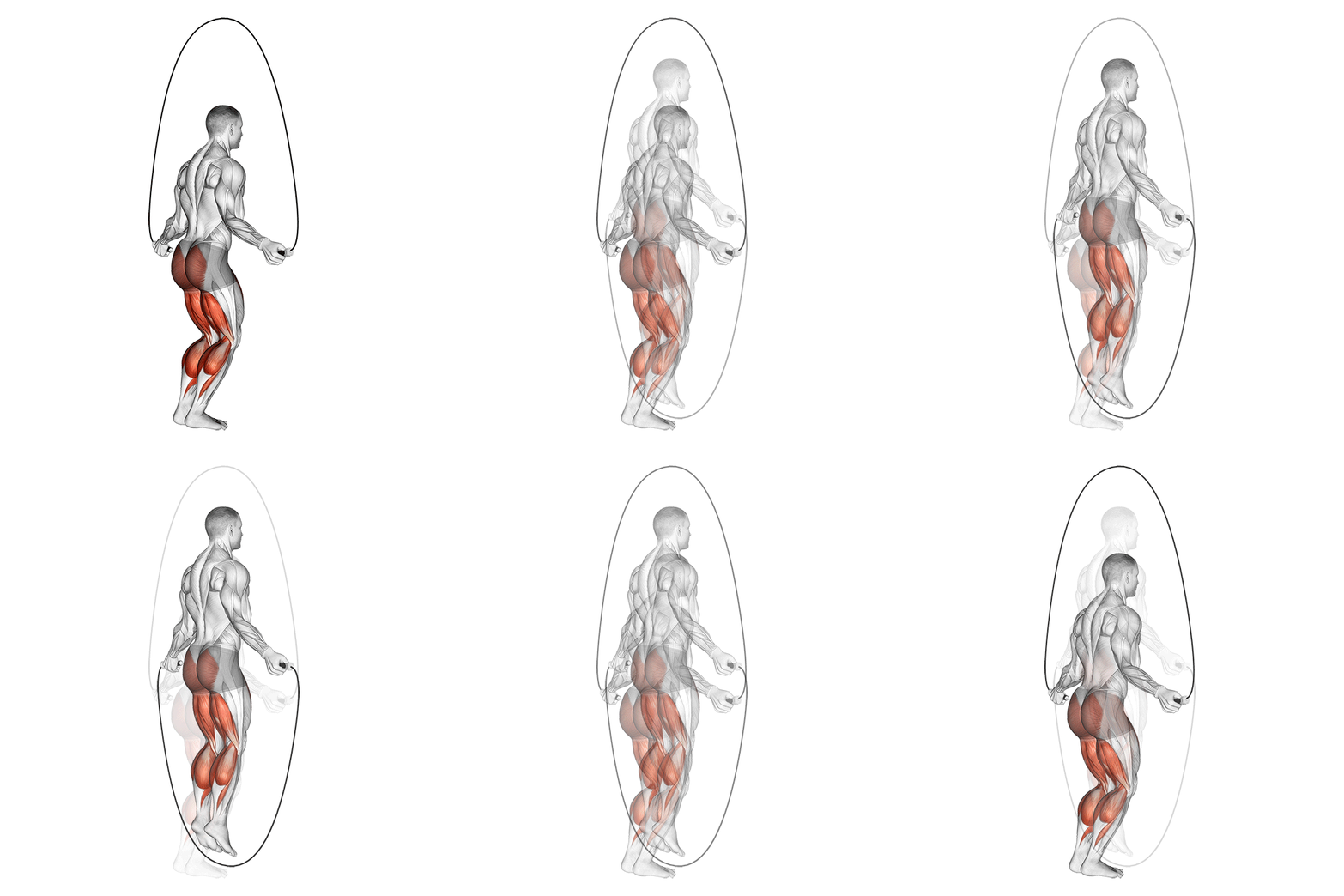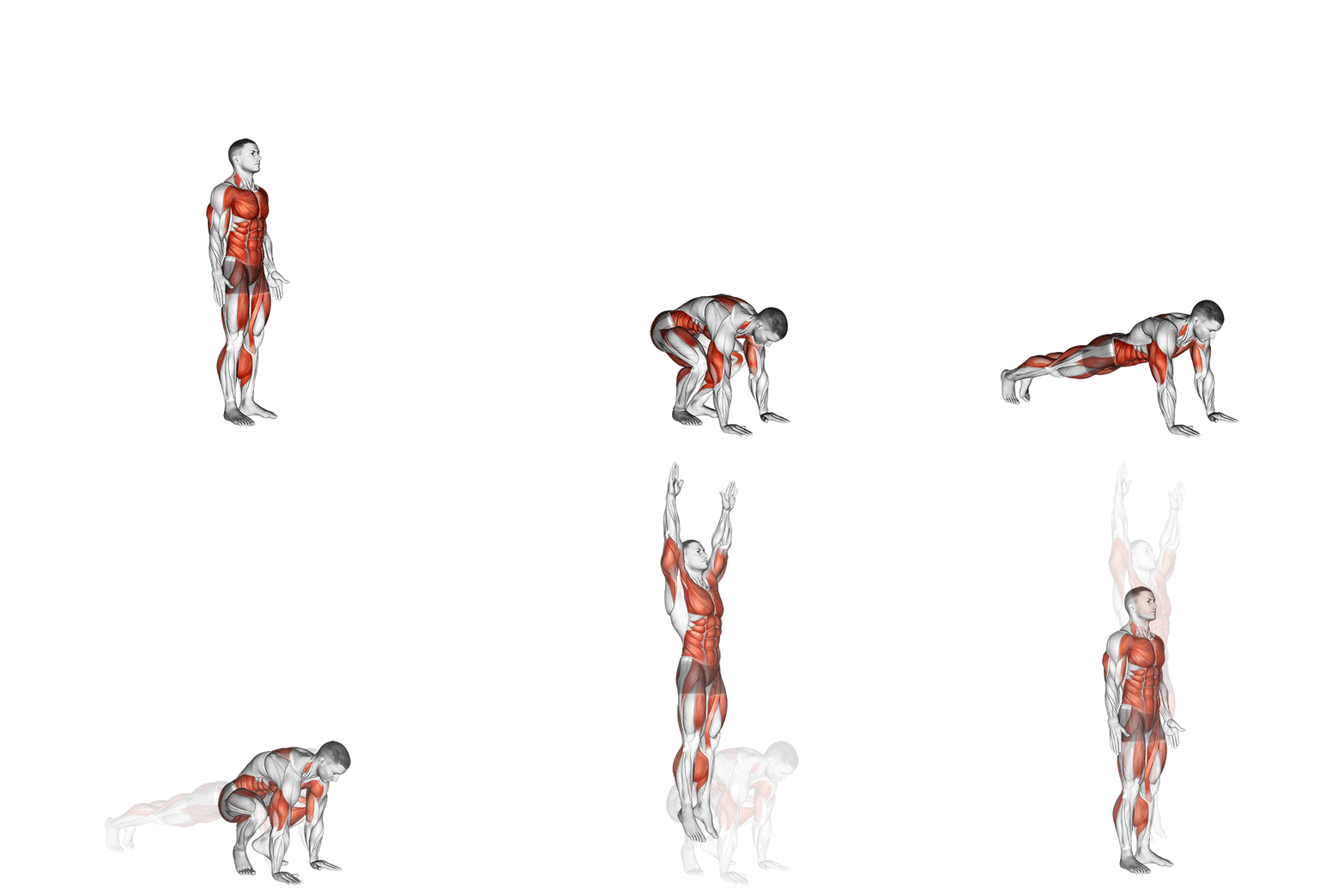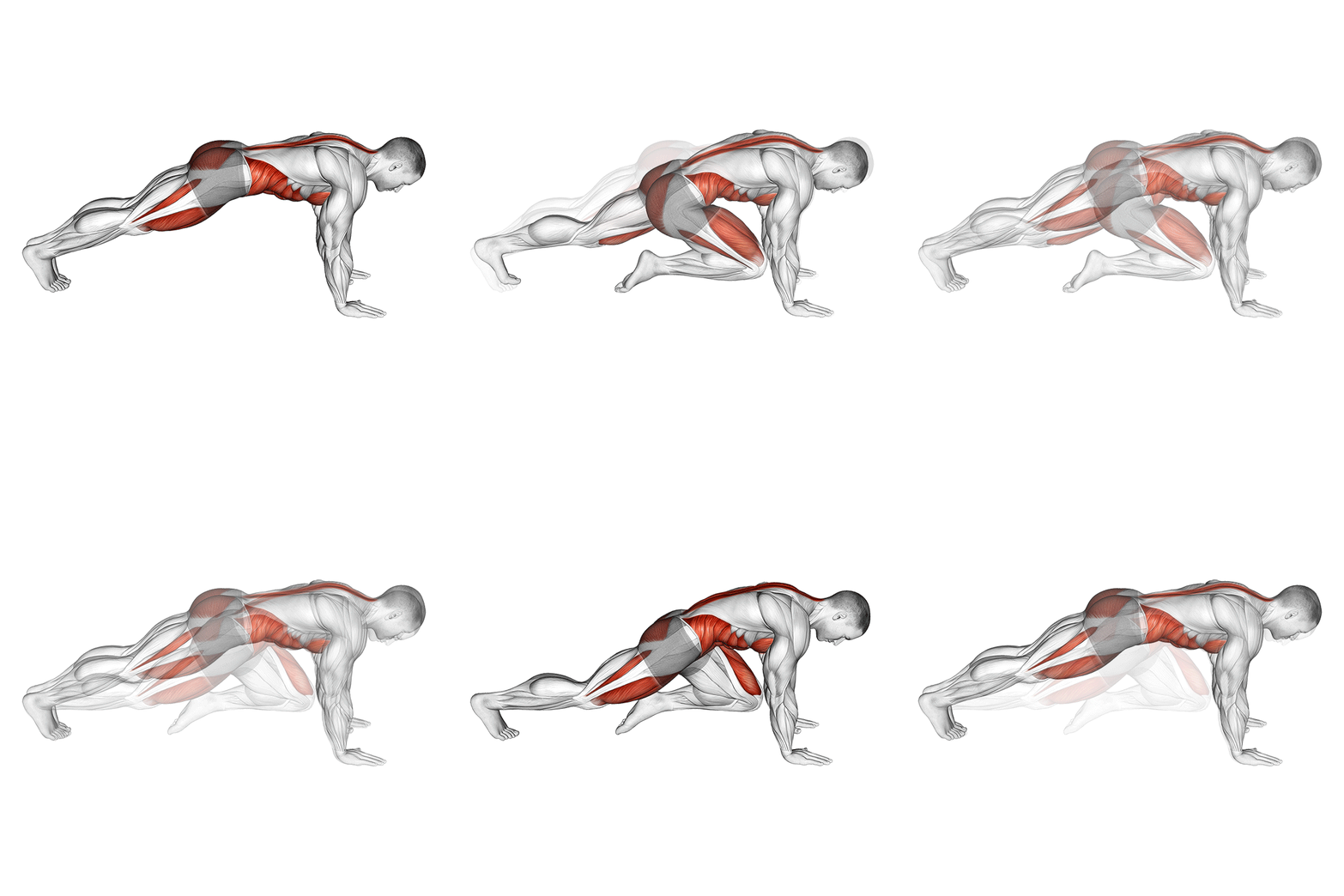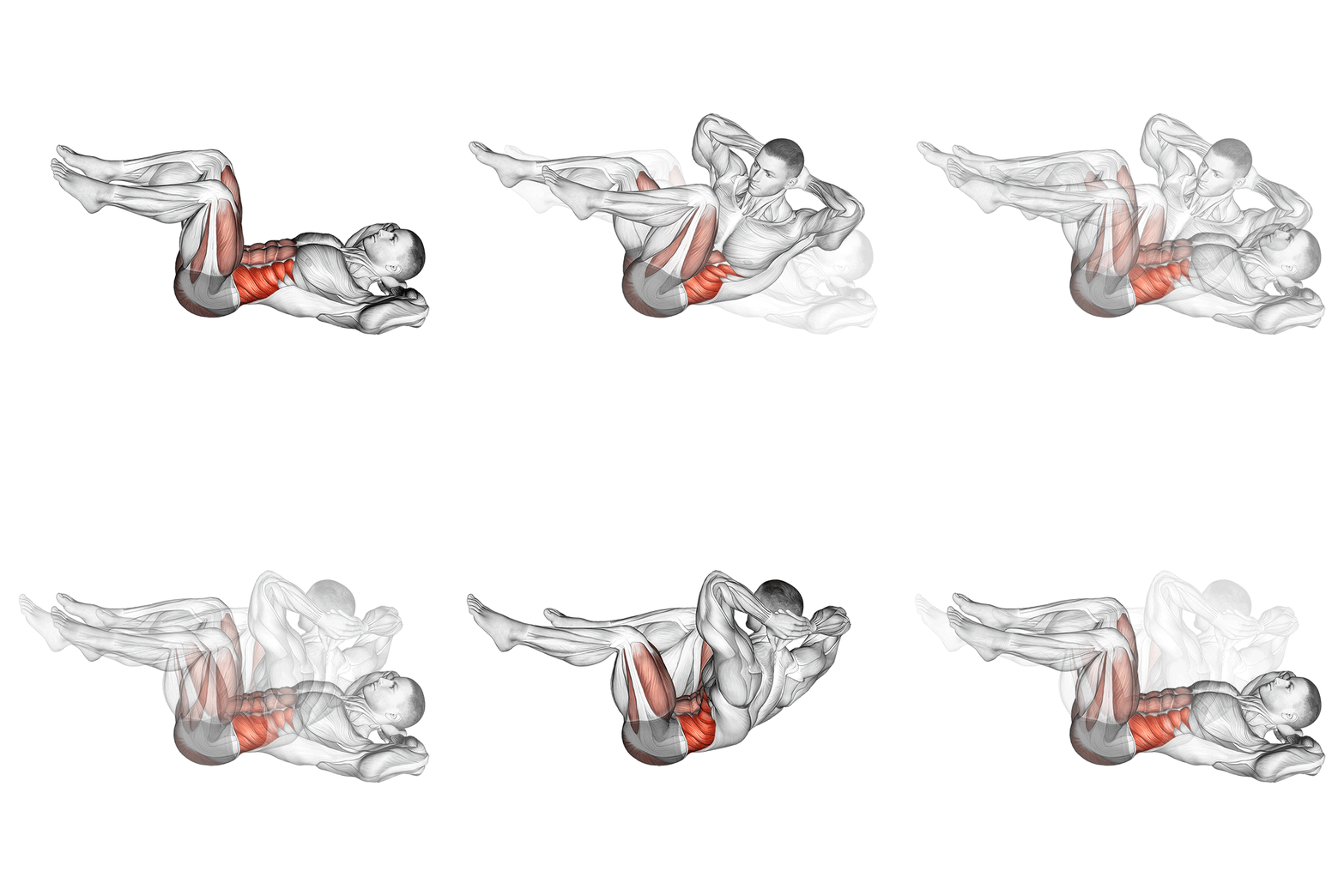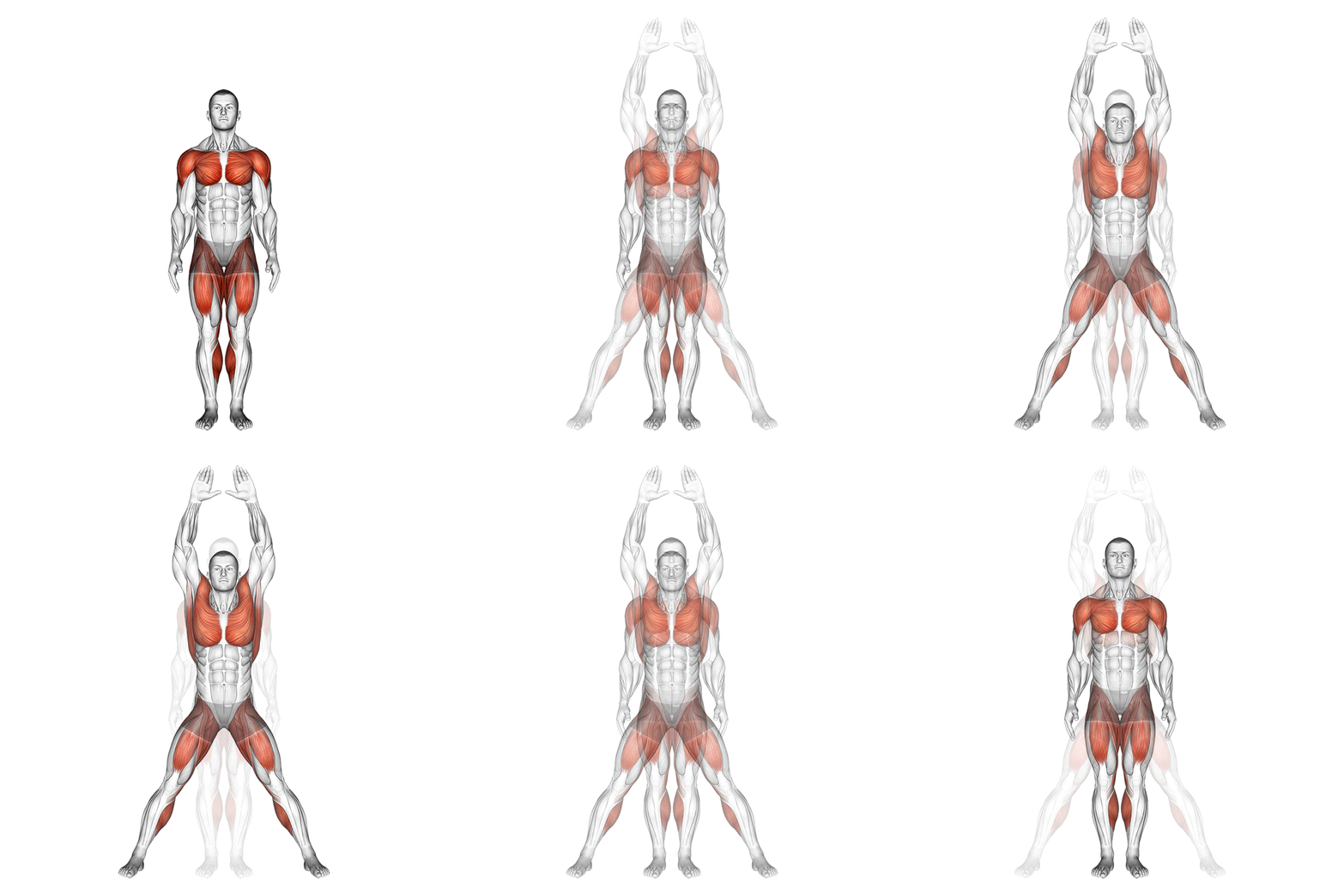
What is the jumping jacks?
Jumping jacks are a rhythmic, full-body calisthenics drill. From standing, you jump your feet out wide while swinging your arms overhead, then jump back to the start, arms at your sides. Each rep combines hip abduction, shoulder elevation and a light double-leg plyometric bounce, which is why your heart rate climbs so fast. They train the calves, hip abductors and shoulders while teaching springy, quiet mid-foot landings. Coaches use them as a general warm-up, as a filler between strength sets, and as a low-skill conditioning tool for beginners, home workouts and circuit classes.
How to do the jumping jacks
- 1
Start tall
Stand with feet together, arms at your sides, ribs down and eyes forward. Soften your knees slightly so the first jump starts from a spring, not a stiff post.
- 2
Jump out and swing up
Jump your feet slightly wider than shoulder width while your arms sweep all the way overhead. Land on the mid-foot with soft knees, not flat on your heels.
- 3
Snap back in
Jump your feet back together as your arms return to your sides. One fluid motion out and in, no pause between positions.
- 4
Find a rhythm
Settle into a steady cadence, around one rep per second, and breathe in time with it. Quiet feet and full arm range on every rep, from the first to the last.
Pro tip
Stay quiet. If your landings slap the floor, your joints are absorbing the shock instead of your muscles. Land mid-foot with soft knees and your shins will thank you after the high-rep sets.
Common mistakes
Heavy, flat-footed landings.
Pounding down on your heels sends the shock straight into your shins and knees. Land mid-foot and let your calves act as springs.
Half-hearted arms.
Stopping the arms at shoulder height cuts the work and the heart-rate response. Sweep your hands all the way overhead every rep.
Knees caving inward.
As fatigue sets in, the knees drift toward each other on landing. Keep them tracking over your toes, especially late in the set.
Sprinting the first 20 seconds.
Starting at max speed turns minute two into sloppy survival. Pick a cadence you can hold for the whole block, then speed up if it feels easy.
Variations and progressions
Easier
Step jacks
Step one foot out at a time instead of jumping, keeping the same arm swing. Same pattern and rhythm with almost zero impact.
Harder
Power jacks
Land each out-phase in a wide quarter squat, then explode back up. Adds quads and glutes to the party and roughly doubles the leg demand.
No impact?
Air bike intervals
Cranky knees or a downstairs neighbour? Short hard intervals on the air bike deliver the same heart-rate spike with no jumping at all.
How to program it
Three protocols by goal. Pick one per cycle and aim for progression on load or distance.
| Goal | Sets × distance | Load | Rest |
|---|---|---|---|
| Warm-up | 2 × 30-45 s | Easy pace, bodyweight | 15 s |
| Conditioning | 8 × 20 s hard | Fast cadence | 10 s |
| Endurance | 3 × 100 reps | Steady, unbroken | 60 s |
Jumping Jacks FAQ
How many calories do jumping jacks burn?
Roughly 8-12 kcal per minute at a brisk pace for a 70-80 kg person, so a 10-minute block burns about 100 kcal. That's decent, but don't build a fat-loss plan around them: use jumping jacks to warm up and condition, and let your diet and total training volume handle fat loss.
Are jumping jacks bad for your knees?
Not for healthy knees with good landings. Problems come from three things: landing flat on the heels, letting the knees cave in, and jumping from zero to 500 reps a day on concrete. Land mid-foot, build volume gradually, and switch to step jacks on days your knees feel irritated.
Can jumping jacks replace running?
Partly, and only at the low end. They spike your heart rate fast, but your calves fatigue long before your aerobic system does, so long steady blocks are impractical. Use them for warm-ups, circuits and hotel-room conditioning. If you're building an aerobic base for Hyrox or running goals, you still need actual runs.