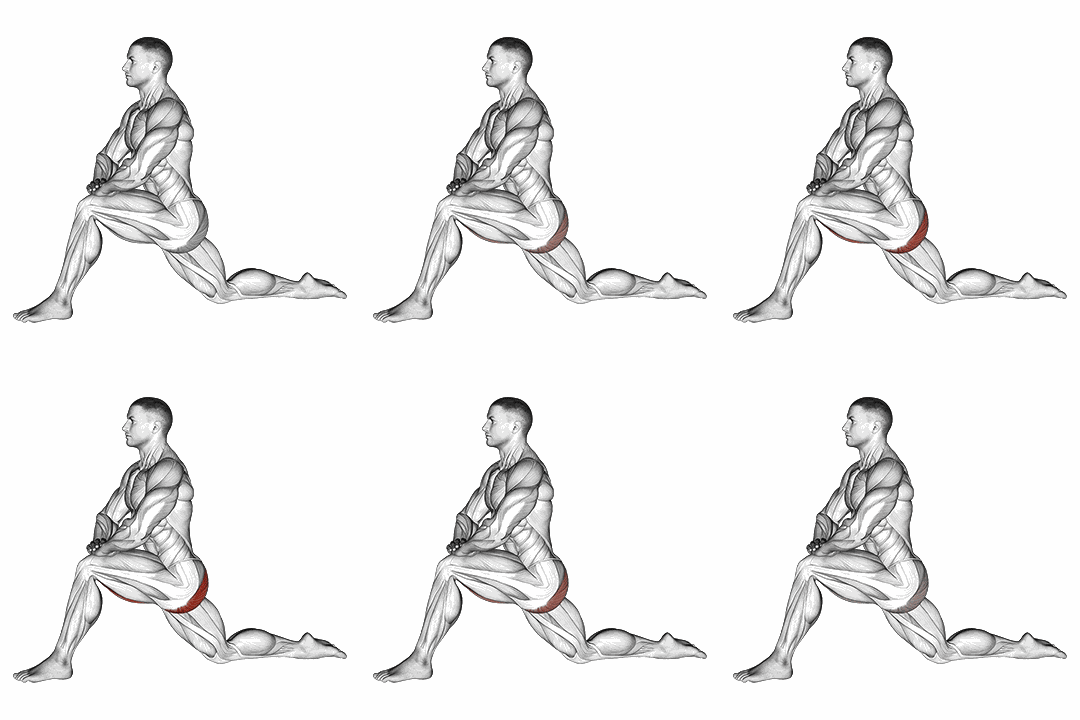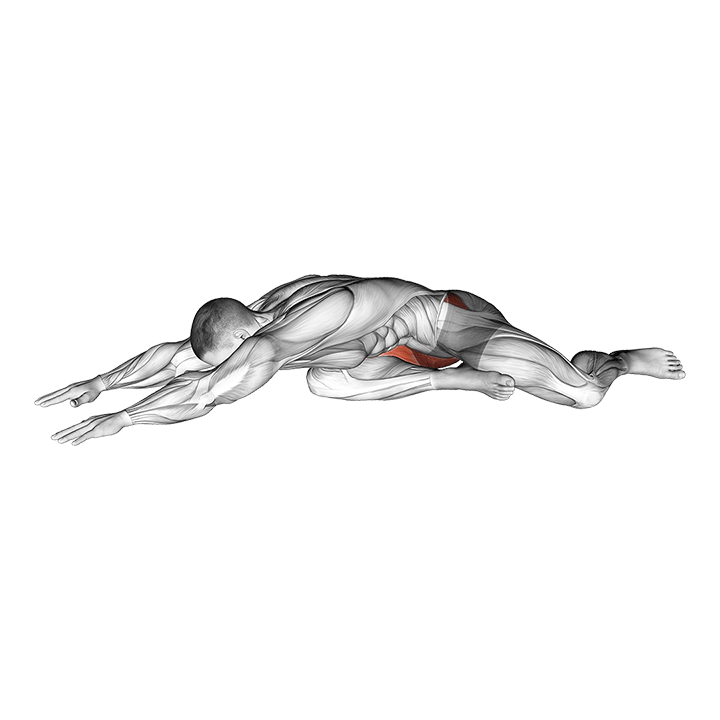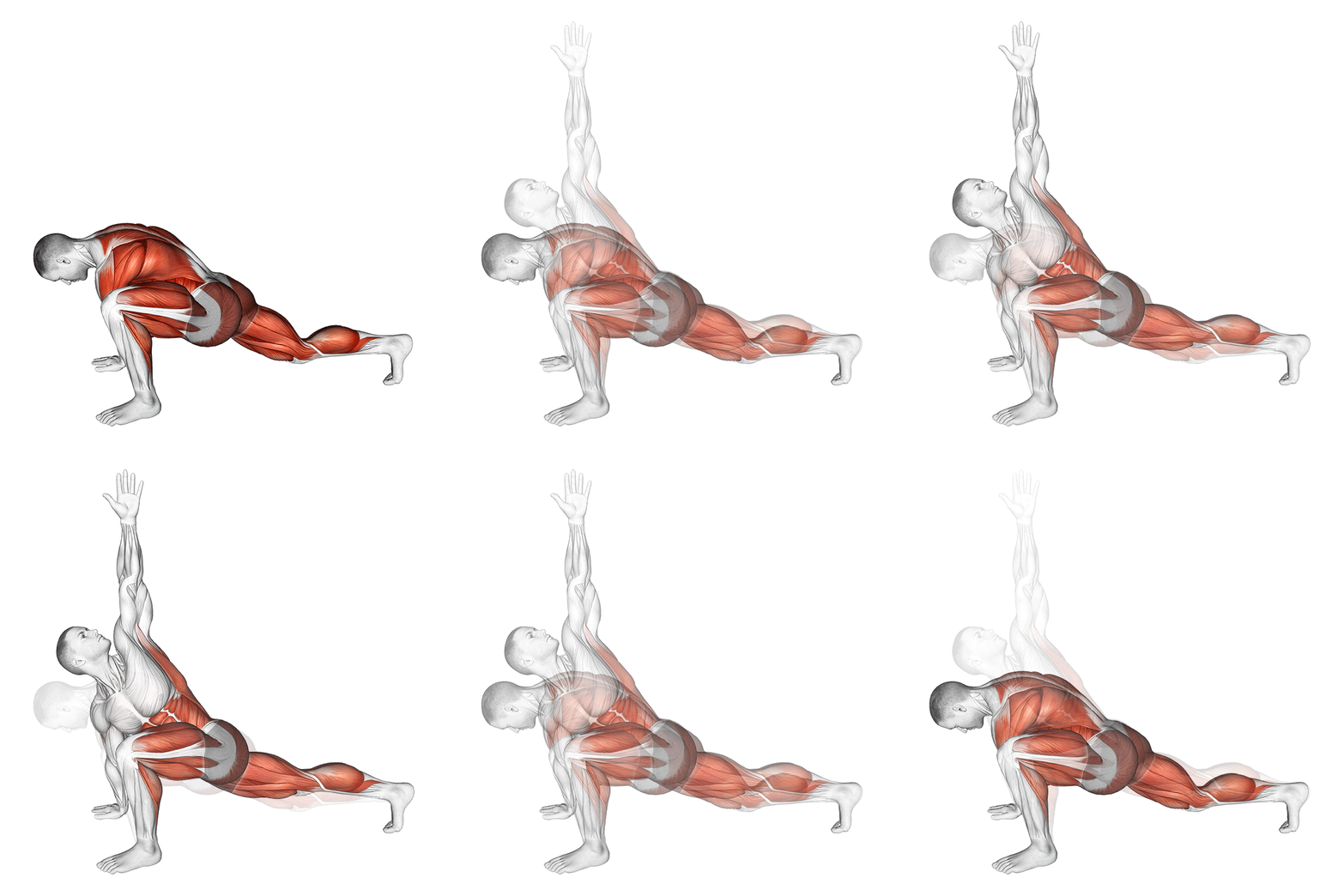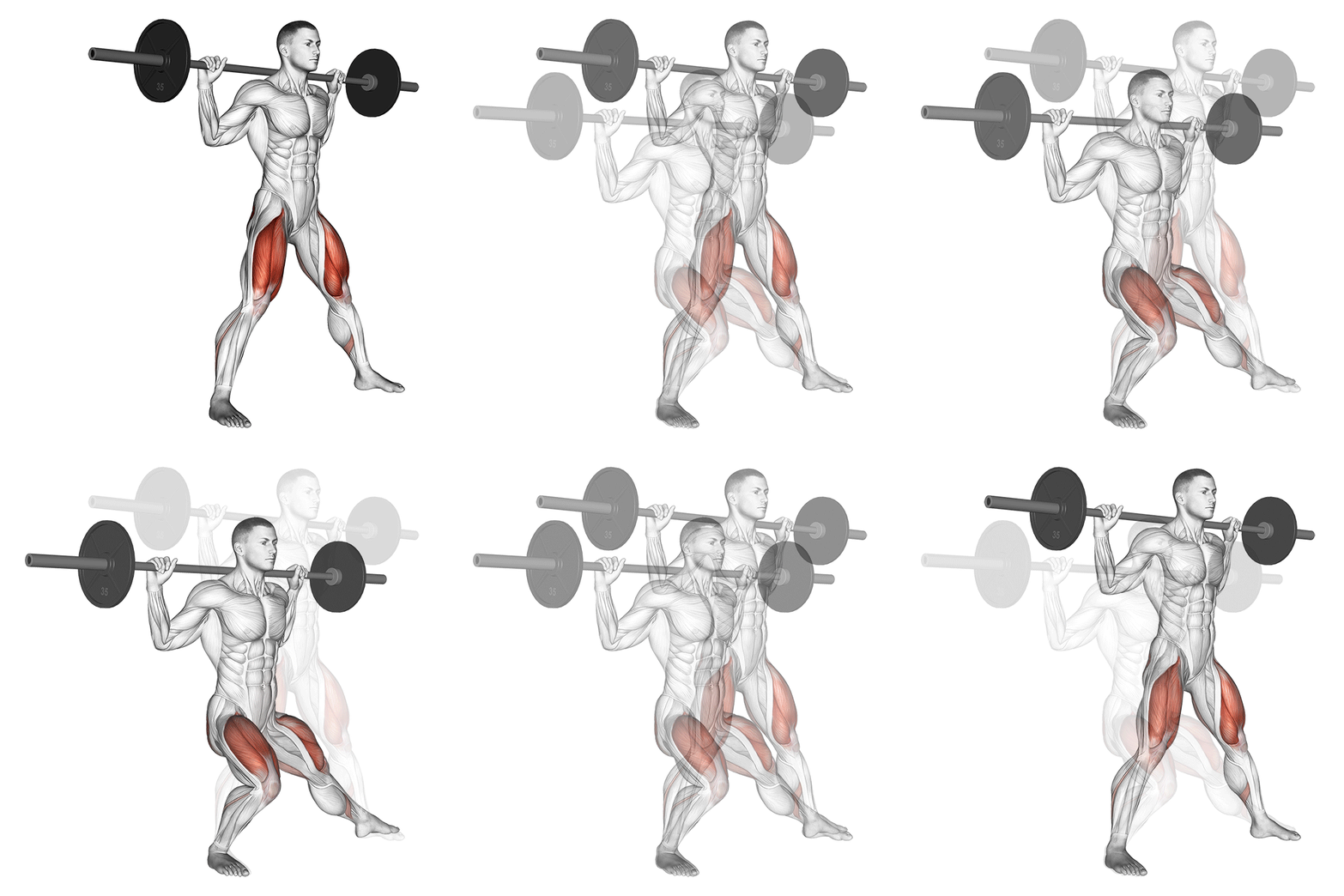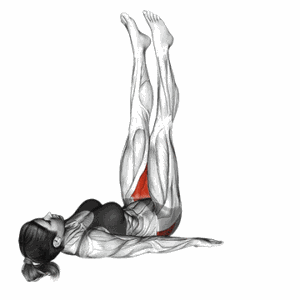
What is the inner thigh stretch?
The inner thigh stretch, usually done as the seated butterfly, is a static stretch for the adductors, the muscles running along the inside of your thighs. You sit tall, press the soles of your feet together, let the knees fall outward and hinge gently forward from the hips. Held for 30-60 s, it restores the hip opening that deep squats, cossack squats and change-of-direction sports demand. It suits everyone from desk workers with stiff hips to lifters chasing a deeper, more upright squat, and it costs nothing but two quiet minutes.
How to do the inner thigh stretch
- 1
Sit tall, soles together
Sit on the floor, press the soles of your feet together and let your knees drop out to the sides. Hold your ankles, not your toes, and pull your heels a comfortable distance from your hips.
- 2
Grow tall before you fold
Lengthen your spine as if a string pulled the crown of your head up. The stretch should come from the hips opening, not from collapsing your back over your feet.
- 3
Hinge forward from the hips
Keeping the chest proud, tip your pelvis forward until you feel a 3-4 out of 10 stretch along the inner thighs. Elbows can rest lightly on the thighs, no pushing down on the knees.
- 4
Breathe and settle in
Hold 30-60 s. On each slow exhale, let the hips release a little more. No bouncing: the position should feel easier at the end of the hold than at the start.
Pro tip
Stop chasing your knees to the floor. The intensity dial is heel distance: heels closer to the hips is deeper, further away is gentler. Let the knees hang wherever your anatomy puts them.
Common mistakes
Rounding the spine to get lower.
A collapsed back brings your nose closer to your feet but stretches nothing useful. Hinge from the hips with a long spine, even if you barely move.
Bouncing the knees.
Flapping the legs up and down triggers the stretch reflex and makes the adductors guard harder. Hold still, breathe, and let the tissue release on its own clock.
Forcing the knees down with your hands.
Cranking on the knees stresses the joint, not the muscle. If you want more stretch, bring the heels in or hinge further forward instead.
Treating pain as progress.
A sharp pull high in the groin is a warning, not a milestone. Adductor strains are slow healers: stay at a gentle 3-4 out of 10 and consistency will beat intensity.
Variations and progressions
Easier
Elevated butterfly
Sit on a yoga block or folded blanket. Raising the hips above the knees takes the strain off tight hips and lets you keep a tall spine.
Harder
Frog stretch
On all fours, knees wide, rock gently back toward your heels. Gravity loads the adductors far more than the butterfly and earns its reputation fast.
Prefer standing?
Side lunge stretch
Step wide, sink over one leg and keep the other straight: a cossack-style hold that stretches the adductors through a squat-relevant range.
How to program it
Three protocols by goal. Pick one per cycle and aim for progression on load or distance.
| Goal | Sets × distance | Load | Rest |
|---|---|---|---|
| Post-session cooldown | 2 × 30-45 s | Gentle, 3-4/10 stretch | None |
| Flexibility gains | 3 × 60 s, daily | Moderate, 5-6/10 stretch | 30 s |
| Desk-work relief | 1 × 60-90 s | Gentle, no warm-up needed | None |
Inner Thigh Stretch FAQ
How long do I need to hold it to actually get more flexible?
Research on static stretching points to roughly 2 minutes of total stretch time per muscle group, most days of the week, as the dose that moves range of motion. That can be 2 × 60 s or 4 × 30 s, it barely matters. A single 20 s token hold before squats feels virtuous but changes nothing long term. Consistency over weeks is the whole game.
Why won't my knees go anywhere near the floor?
Partly tight adductors, partly the shape of your hip sockets, which no amount of stretching will remodel. Some people will butterfly flat, many never will, and neither group squats better because of it. Measure progress by how the stretch feels and how deep and upright your squat is, not by knee-to-floor distance.
Should I stretch my adductors before heavy squats?
Keep pre-lifting holds short: 20-30 s at gentle intensity will not hurt performance and can help you find depth. Long, intense holds of 60 s or more right before maximal work can slightly blunt force output, so save those for after training or a separate session. Before squatting, dynamic work like cossack squats primes the same tissue better.