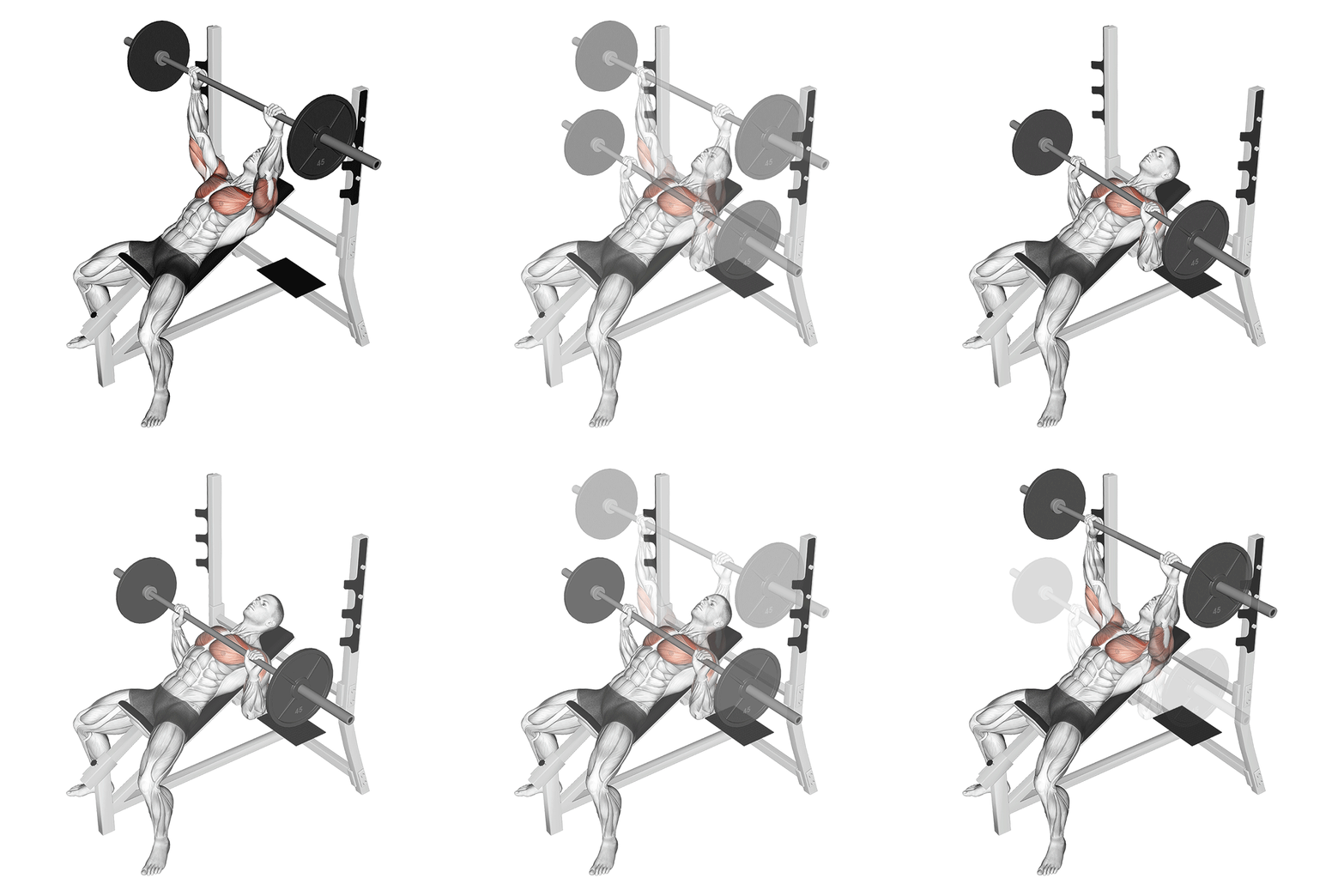
What is the incline barbell bench press?
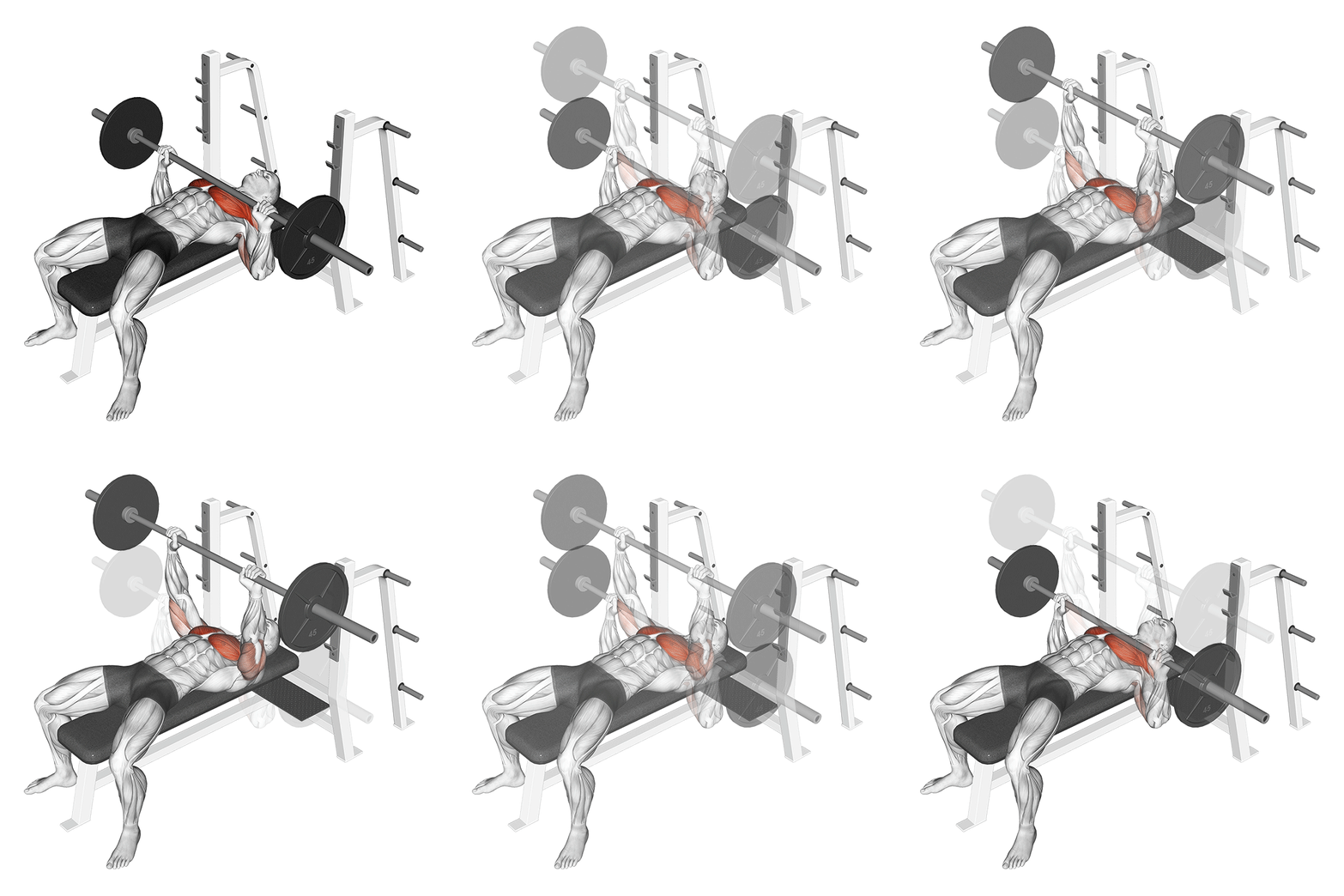
The incline barbell bench press is a horizontal press performed on a bench set to roughly 30°. You unrack the bar, lower it to the upper chest just below the collarbone, then drive it back up to lockout. Compared to flat bench, the incline shifts load to the clavicular fibres of the pectoralis major and the anterior delts, which is exactly the area most lifters under-develop. It's also kinder on the shoulder joint at lower loads and a key lift for building visible upper-chest mass.
How to do the incline barbell bench press
- 1
Set the bench angle
30° is the sweet spot. Above 45° the anterior delts steal the work. Below 20° you're essentially flat benching.
- 2
Set up tight
Eyes under the bar, glutes and upper back glued to the bench, feet flat on the floor. Squeeze shoulder blades back and down before unracking.
- 3
Lower to the collarbone
Bar travels to just below the collarbone, elbows around 45° from the torso. Touch lightly, no bounce.
- 4
Press up, not back
Drive straight up over the upper chest. Don't bench it back toward the face. Lockout, reset, repeat.
Pro tip
Most lifters set the bench too steep, hit nothing but front delts, then wonder why their upper chest stays flat. 30° on a digital level, every session.
Common mistakes
Bench too steep.
Above 45° it becomes a shoulder press in disguise. Keep 30°.
Touching too high.
Bar to the throat is a recipe for shoulder pain. Below the collarbone, not above.
Glutes off the bench.
Hips lifting turns the incline into a flat bench. Glutes glued.
Loose upper back.
No retraction = no platform = leaked force and angry shoulders. Pinch the blades hard.
Variations and progressions
Easier
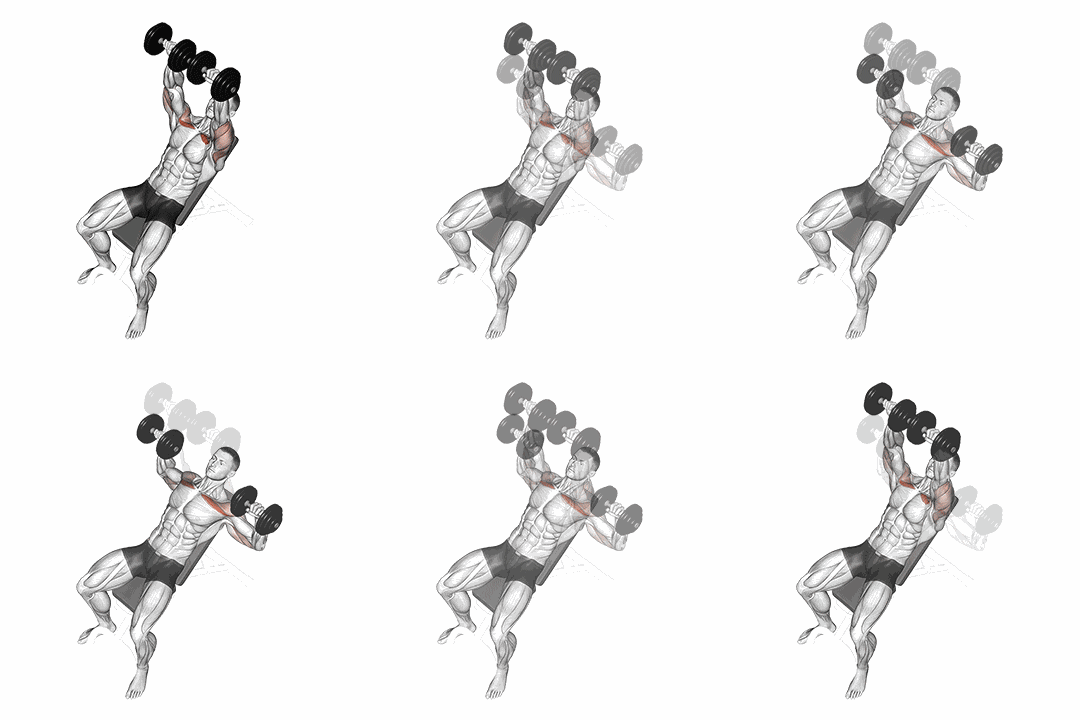
Incline dumbbell press
Dumbbells let each shoulder track naturally and add range at the bottom. Better for hypertrophy and joint health.
Harder
Pause incline bench
Pause 2-3 s at the chest. Kills the bounce, exposes weakness off the bottom.
Shoulder-friendly
Low incline Smith press
Smith machine on a low incline lets you focus on the upper chest without stabilisation cost. Useful for high-rep work.
How to program it
Three protocols by goal. Pick one per cycle and aim for progression on load or distance.
| Goal | Sets × distance | Load | Rest |
|---|---|---|---|
| Strength | 5 × 5 | 80% est. 1RM | 3 min |
| Hypertrophy | 4 × 8-10 | 70-75% 1RM | 90-120 s |
| Upper-chest focus | 5 × 6 + 2 × 12 burnout | 75% then 60% | 2 min / 60 s |
Incline Barbell Bench Press FAQ
Should I incline-bench before or after flat bench?
If upper chest is a priority, lead with incline once a week and follow with flat. If raw bench strength is the goal, keep flat as the main lift and slot incline as an accessory. Most strong-chest physiques rotate which one leads from block to block.
Why does my upper chest still lag?
Two reasons: bench angle too high (you're hitting delts instead) or not enough volume. Audit the angle with a level, then track weekly hard sets specifically on the incline. Most people who 'do incline' average one set a week and call it programming.
Is it worth using a slight decline grip instead?
A slightly narrower grip (just inside shoulder-width) shifts more load to the upper chest and triceps and is easier on the shoulders. Try it for 4-6 weeks if standard grip incline irritates your shoulders. Don't go full close-grip, that turns it into a triceps press.