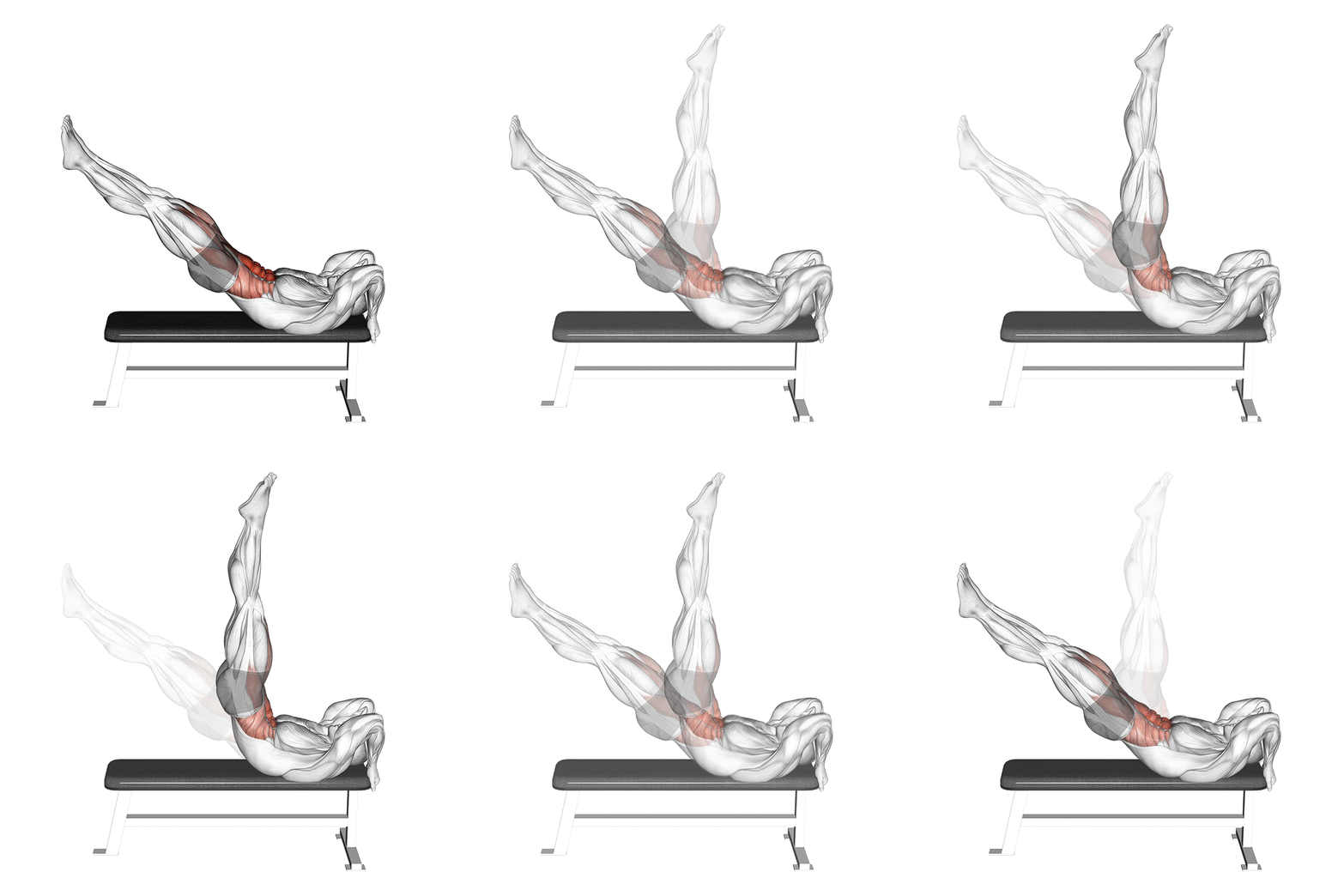
What is the dragon flag?
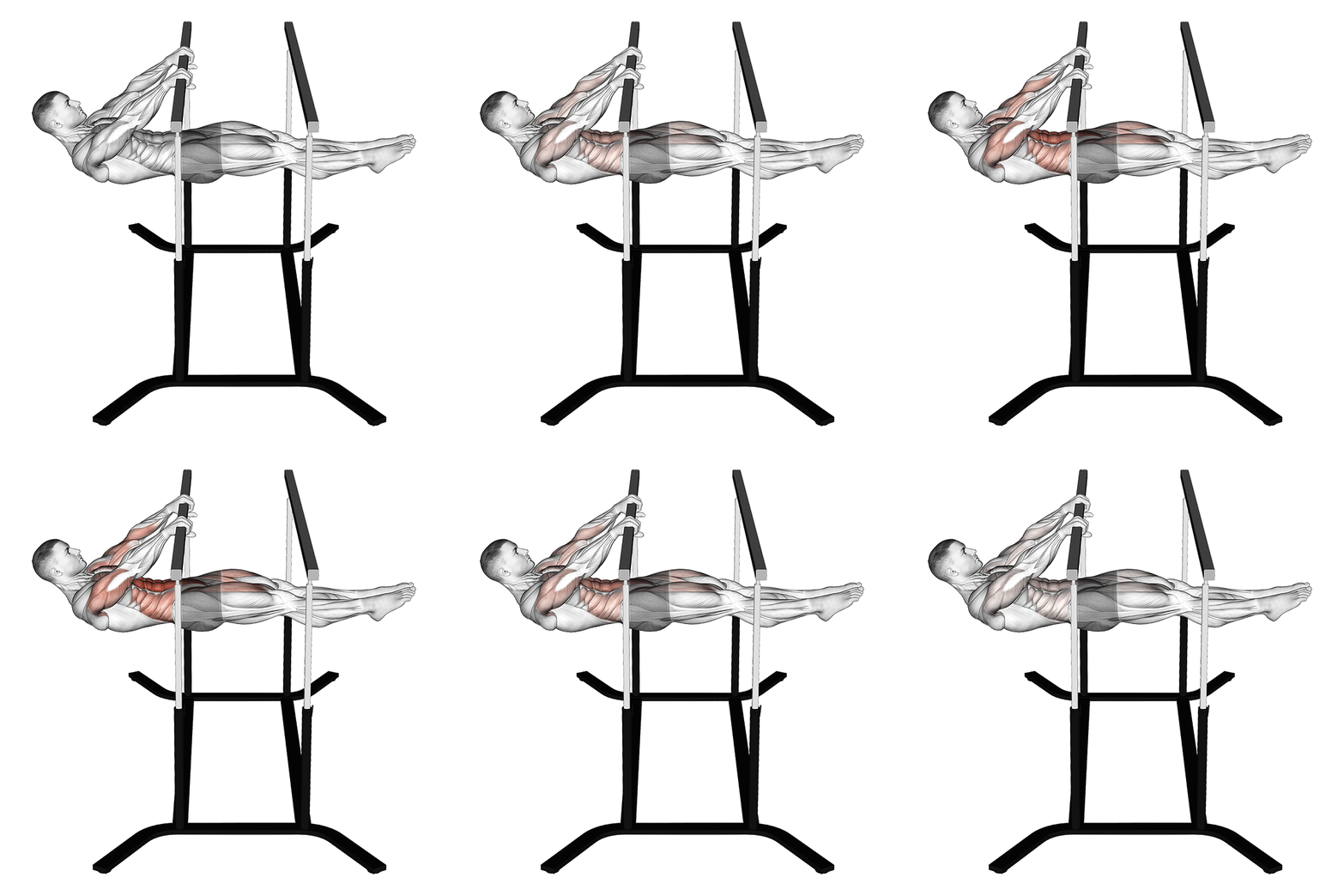
The dragon flag is an advanced bodyweight core exercise made famous by Bruce Lee. Lying on a bench, you grip it behind your head, roll your body up onto your shoulder blades, then lower everything, hips, legs and trunk, as one rigid lever until you hover just above the bench, and raise it back up. Nothing bends: the entire anterior chain fights extension through a huge range. It builds brutal ab strength, glute control and the body-line awareness that transfers to levers and planches, and it is earned only after you have outgrown leg raises and ab wheel rollouts.
How to do the dragon flag
- 1
Anchor your hands
Lie on a flat bench, reach back and grip the bench edges (or the uprights) beside your head. Pull down hard with the arms: that pressure is your anchor on every rep.
- 2
Roll onto your shoulder blades
Kick your legs up and roll your body vertical, weight stacked on the shoulder blades and upper back. Nothing rests on the neck or head.
- 3
Lower in one line
Squeeze glutes and abs and lower the whole body as one piece, 3-5 s, until your heels hover just above the bench. The hips never fold.
- 4
Raise the flag
Drive the hips back up by crushing the glutes and curling hard through the abs, all the way to vertical. Exhale on the way up, ribs tucked.
Pro tip
Squeeze your glutes like your life depends on it. The flag never fails at the abs first: it fails at the hips and lower back, and the glutes are what welds that line shut.
Common mistakes
Folding at the hips.
Once the hips break, it's a steep leg raise, not a dragon flag. Shoulders to ankles stay one welded line, or regress to the tuck.
Loading the neck.
Balance on the shoulder blades, never the cervical spine. If your neck hurts, you rolled up too far.
Falling through the negative.
The slow descent is the exercise. If you can't control 3 s down, shorten the lever: knees tucked, then build back out.
Arching at the bottom.
Ribs flare, the lumbar spine arches, and the extra range has left the abs entirely. Stop the descent at the point where your ribs stay down.
Variations and progressions
Easier
Tuck dragon flag
Knees bent at 90° cuts the lever in half. Same rigid trunk, same slow negative; extend the legs a little further each week.
Harder
Paused dragon flag
Stop for 5 s just above the bench, ankles together, then raise. One paused rep is worth three normal ones.
No bench?
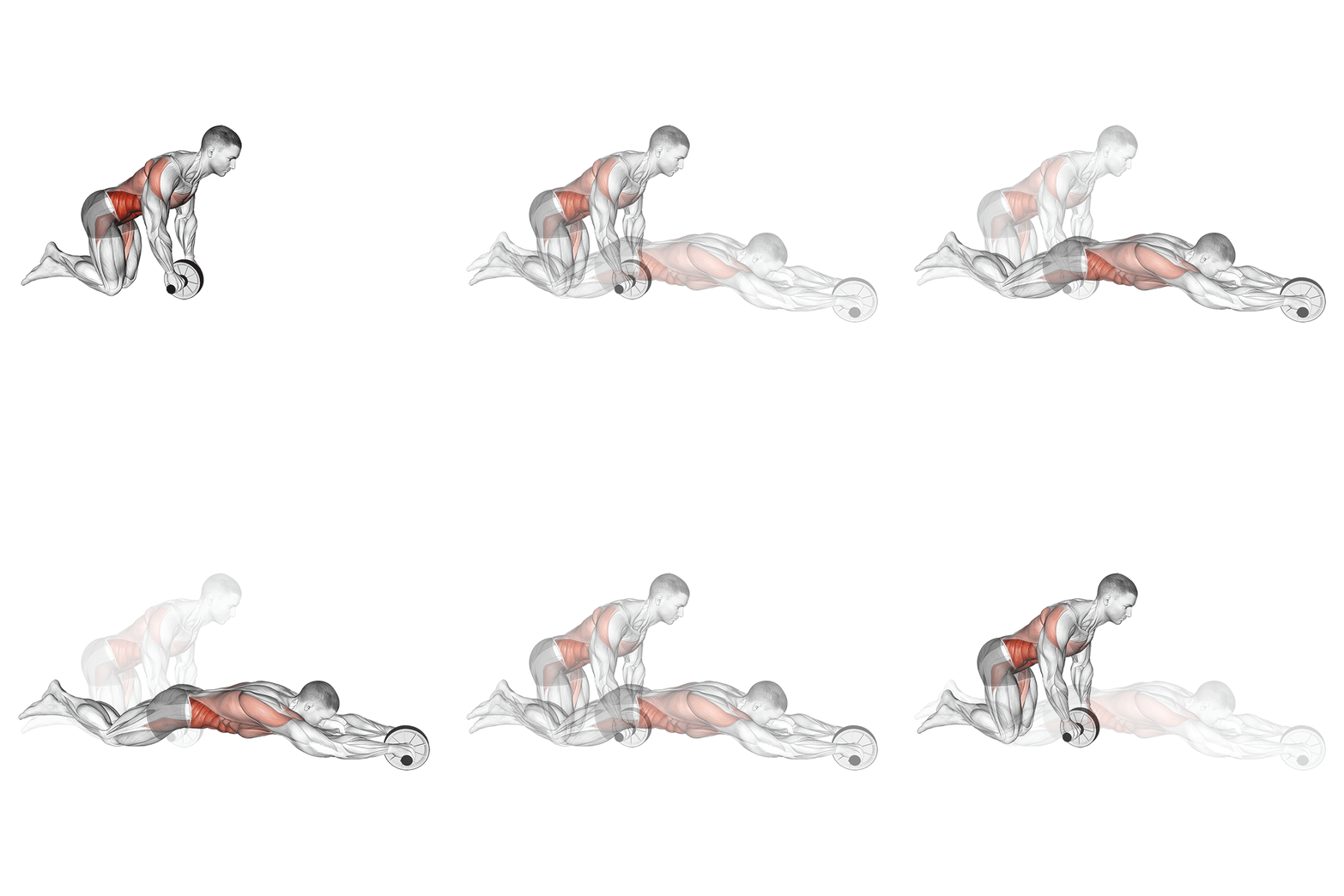
Ab wheel rollout
The same anti-extension battle from the knees, with a load you can actually scale. Standing rollouts rival the full flag.
How to program it
Three protocols by goal. Pick one per cycle and aim for progression on load or distance.
| Goal | Sets × distance | Load | Rest |
|---|---|---|---|
| Build it (negatives) | 4 × 3-5 eccentrics | Bodyweight, 3-5 s down | 2-3 min |
| Full reps | 3 × 3-5 | Bodyweight, strict line | 3 min |
| Volume (tuck) | 3 × 6-8 | Tucked lever | 90 s |
Dragon Flag FAQ
What should I be able to do before trying the dragon flag?
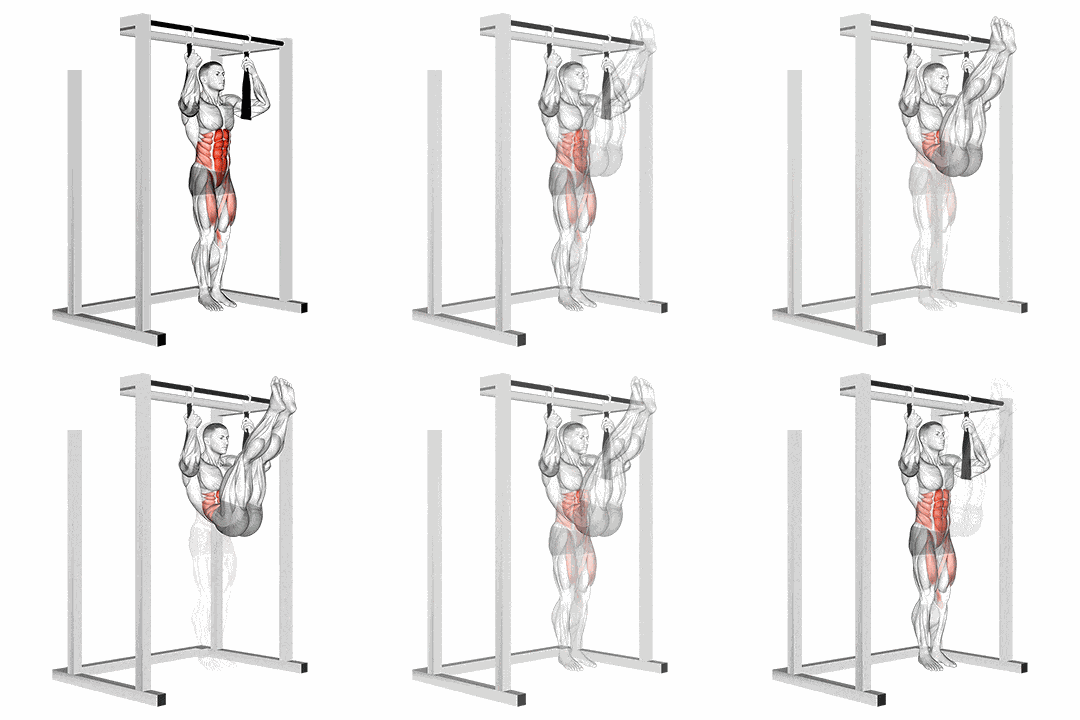
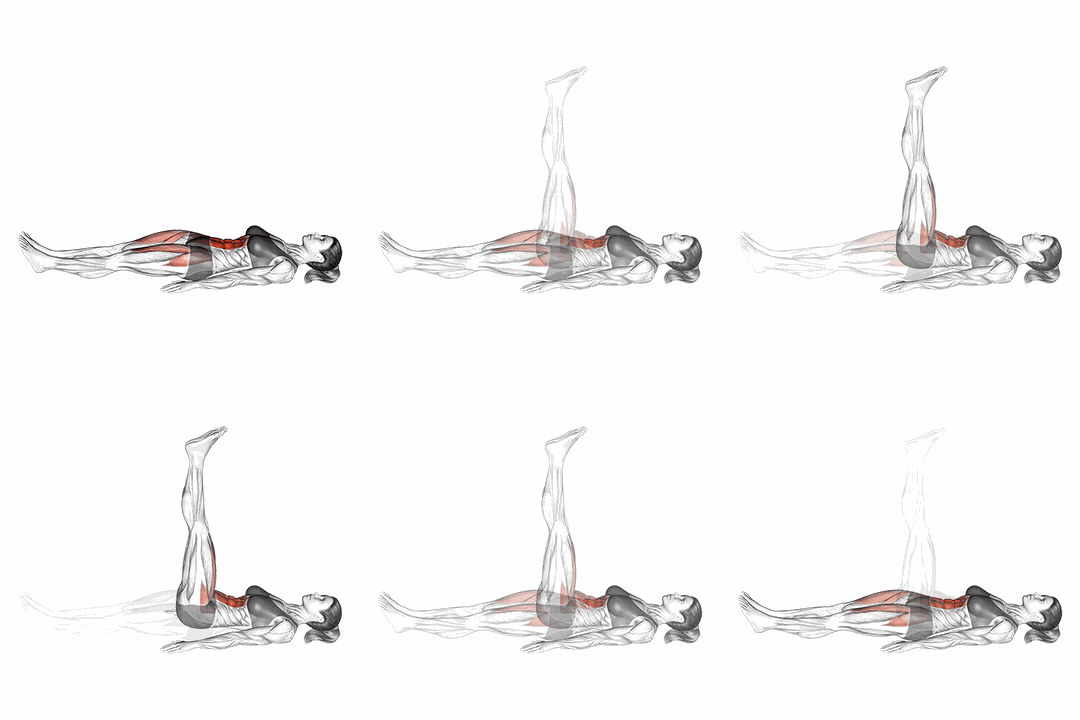
As a benchmark: 10+ strict hanging leg raises, 10 ab wheel rollouts from the knees with a flat back, and a 60 s hollow hold. Without that base, your hips will fold on the first negative and your lower back pays the bill. Start with tuck negatives regardless; even strong lifters underestimate the leverage.
Why does my lower back hurt on dragon flags?
Because your ribs flare and your pelvis tips forward at the bottom, shifting the load from abs to lumbar spine. Shorten the range: stop the descent at the point where ribs stay down and glutes stay locked. Tuck the knees, rebuild, and only lower further once the line survives. Pain-free range first, full range later.
Is the dragon flag better than hanging leg raises?
It isn't better, it's the next step. Hanging leg raises train hip flexion and compression with your spine hanging free; the dragon flag adds full-body anti-extension under a far heavier lever. Most athletes should milk leg raises and rollouts for years. The flag earns its place once those are easy for sets of 12.