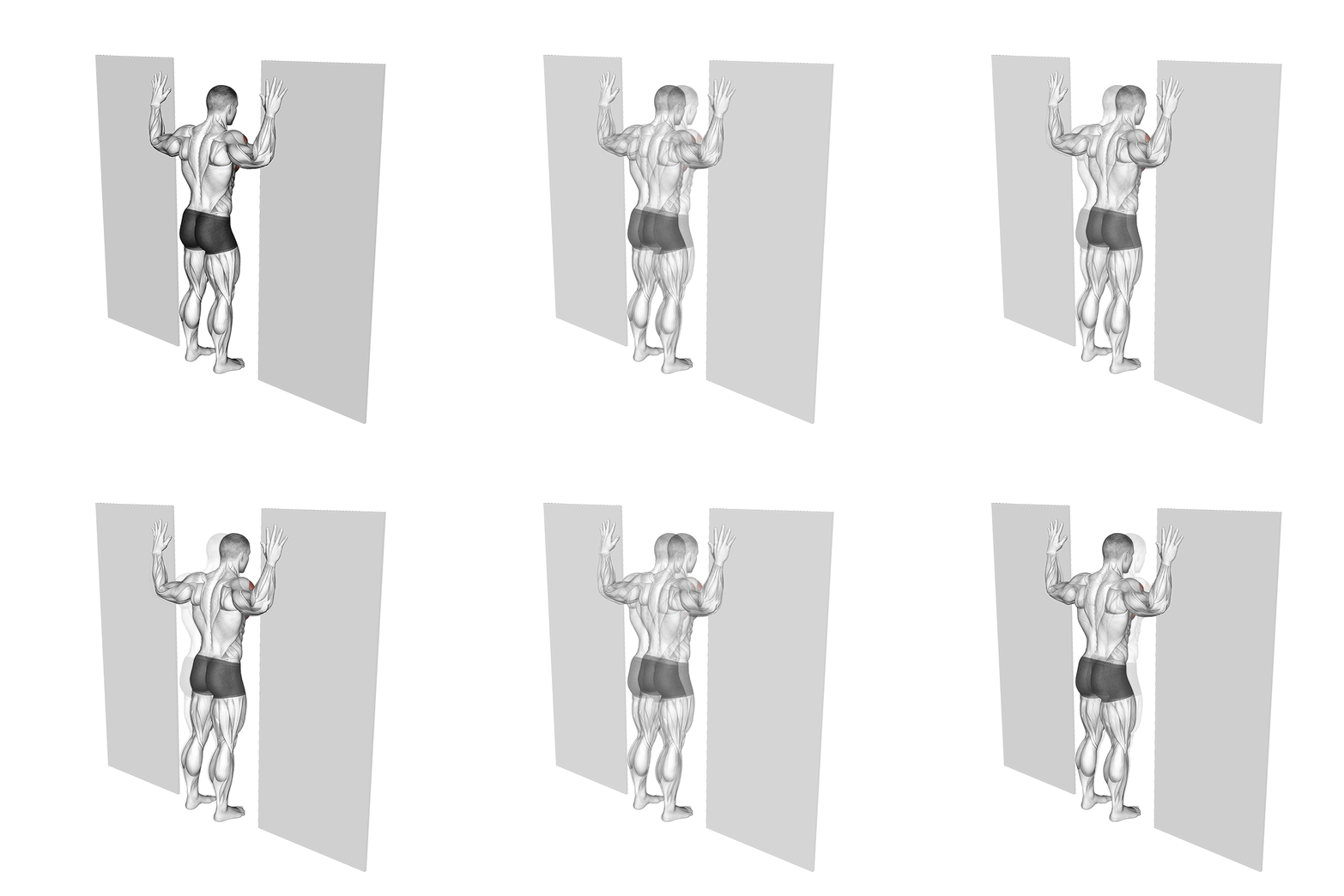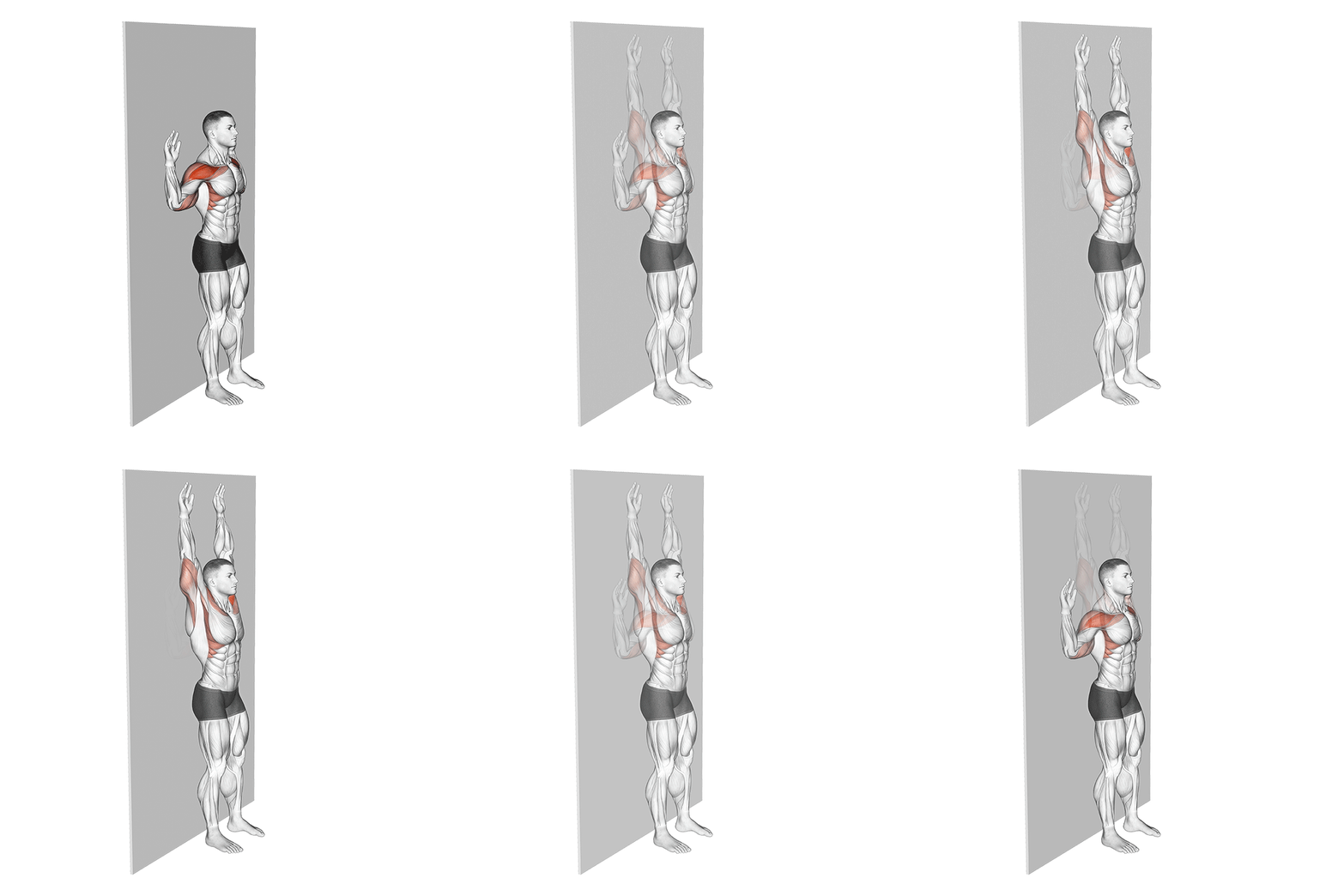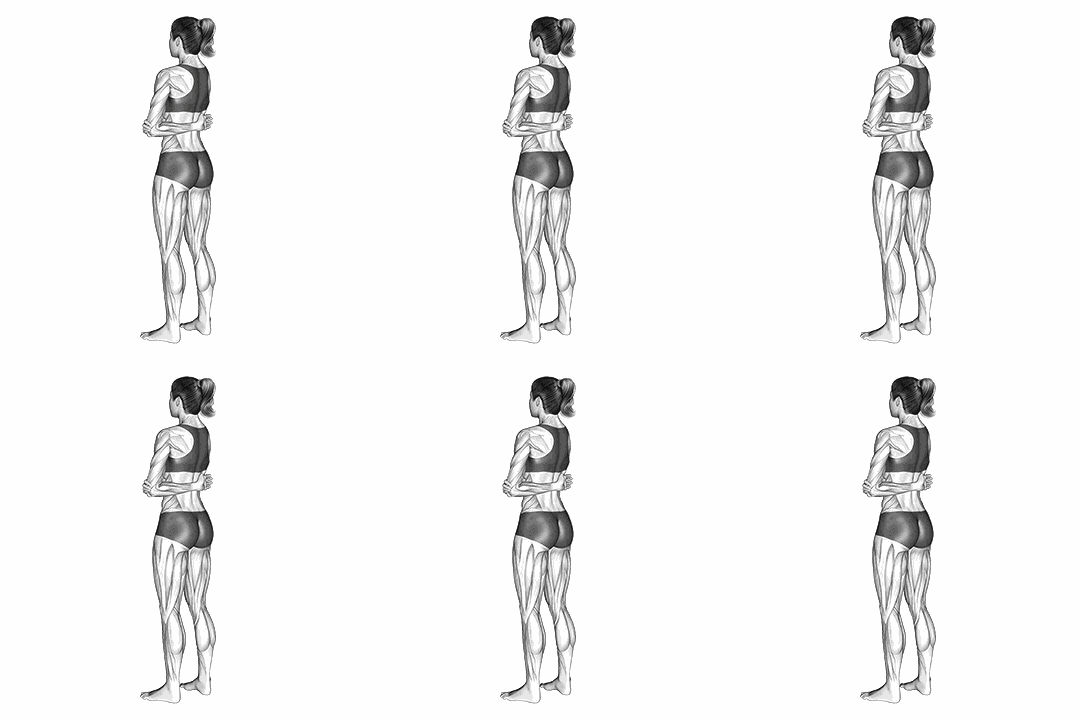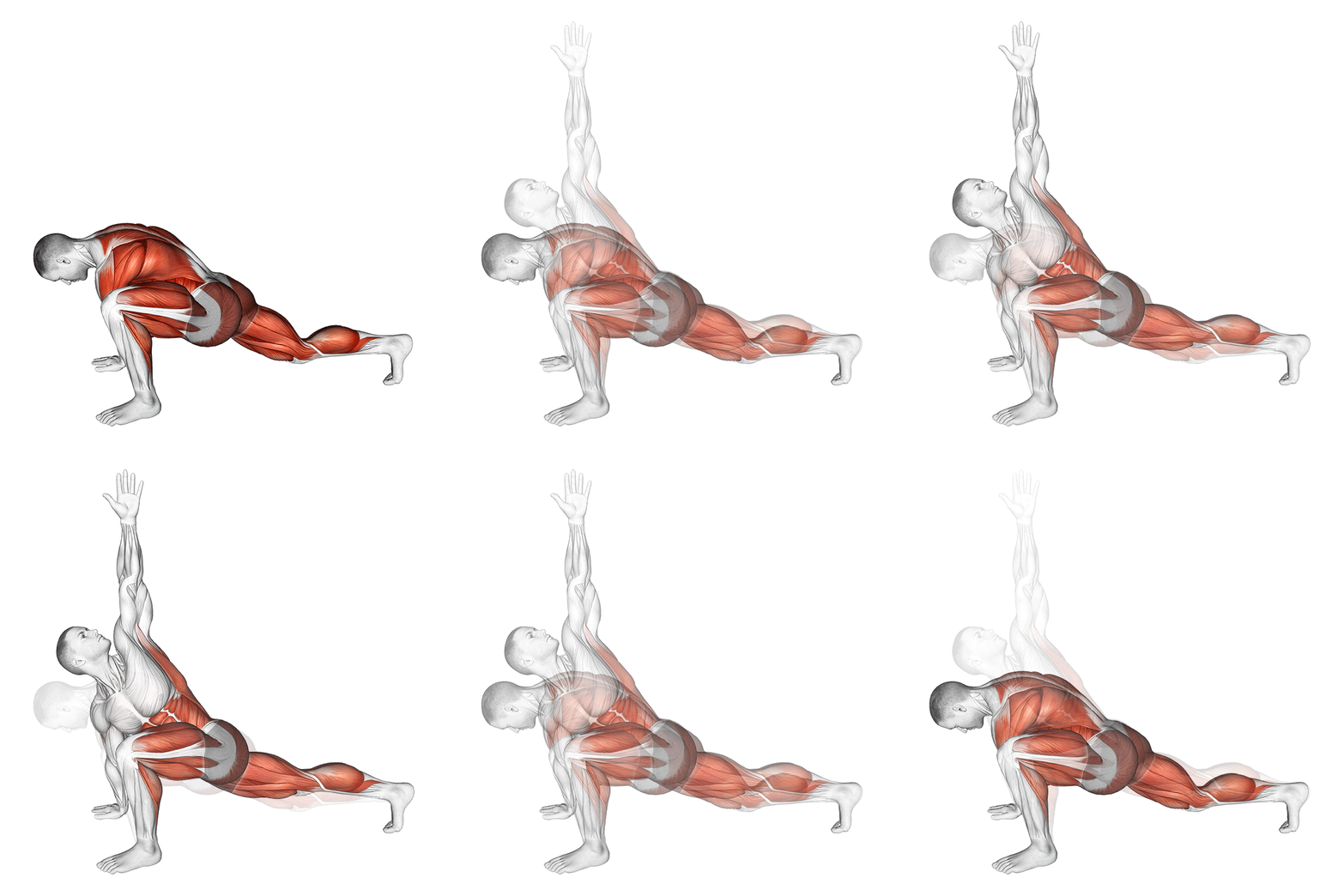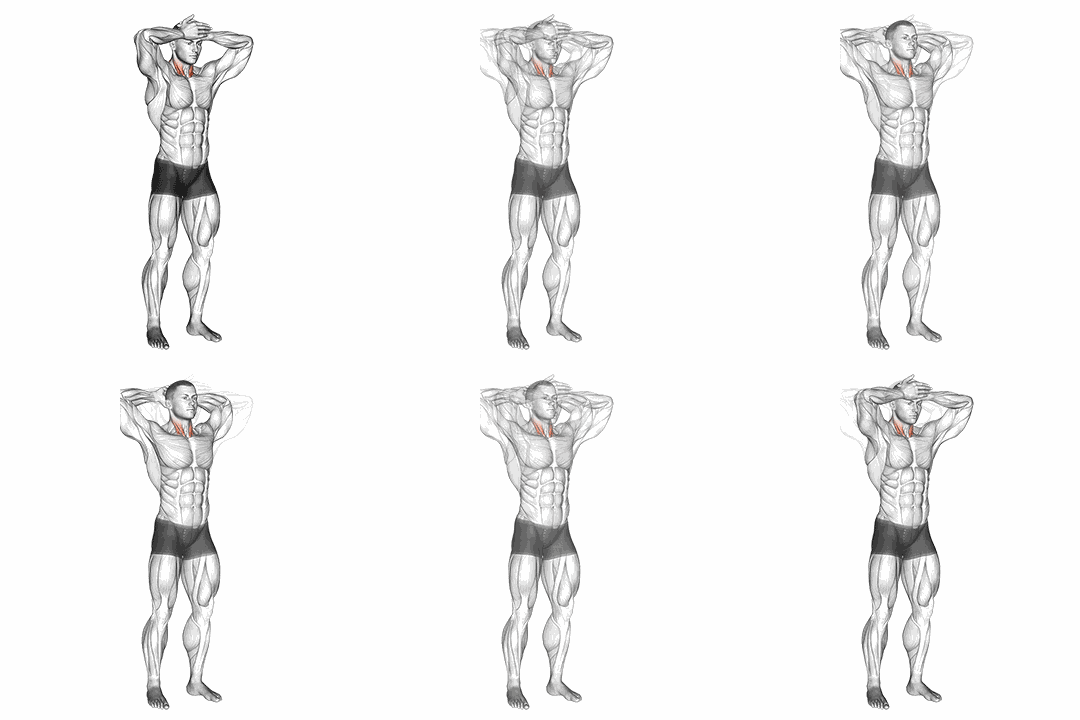
What is the neck stretch?
The neck stretch is a static hold that targets the upper trapezius and levator scapulae, the two muscles that stiffen up from desk work, heavy carries and stress. Sitting or standing tall, you anchor one shoulder down, tilt your ear toward the opposite shoulder and hold a gentle stretch for 20-30 seconds, then change the angle to bias different fibers. It costs nothing, needs no equipment and pays off fast: better head rotation, fewer tension headaches, and a neck that tolerates farmers carries and heavy shrugs. Essential for lifters and desk workers alike, and best done daily.
How to do the neck stretch
- 1
Sit or stand tall
Lengthen your spine and let both shoulders drop. A slouched upper back blocks the stretch before it even starts.
- 2
Anchor the opposite shoulder
Grip the edge of a bench or chair with the hand on the side you want to stretch, or tuck that hand behind your back. That shoulder must stay down.
- 3
Tilt ear to shoulder
Let your head fall sideways, away from the anchored arm. Rest the opposite hand on your head for a few extra grams of pressure, never a pull.
- 4
Breathe, hold, change the angle
Hold 20-30 s while breathing slowly. Then turn your nose toward your armpit to reach the levator scapulae and repeat. Switch sides.
Pro tip
The intensity dial is the anchored shoulder, not the hand on your head. Depress the shoulder one extra centimetre and the stretch doubles; crank with the hand and you only teach your neck to guard.
Common mistakes
Pulling with the hand.
The hand is there to add weight, not force. A hard pull makes the muscles contract defensively, the exact opposite of what you want.
Letting the shoulder ride up.
If the shoulder on the stretching side creeps toward your ear, the upper trap shortens and the stretch disappears. Anchor it down first.
Chasing pain.
A neck stretch should sit at 3-4 out of 10. Tingling, numbness or pain shooting down the arm means nerve tension: back off immediately.
Variations and progressions
Easier
Free head tilts
Skip the shoulder anchor and simply tilt the head side to side through a comfortable range. A good starting point for very stiff or irritable necks.
Harder
Anchored hold, 45-60 s
Grip a bench, depress the shoulder fully and extend the hold. Long durations at gentle intensity beat short aggressive pulls for lasting change.
Prefer moving?
Controlled neck circles
Slow, full circles of the head train the same tissues actively. Great before training, when a long static hold would be out of place.
How to program it
Three protocols by goal. Pick one per cycle and aim for progression on load or distance.
| Goal | Sets × distance | Load | Rest |
|---|---|---|---|
| Desk-work relief | 2 × 30 s per side | Gentle, 3-4/10 | None |
| Post-training | 2 × 30-45 s per side | Gentle, breathe into it | None |
| Daily routine | 1 × 60 s per side, morning and evening | Very gentle, 2-3/10 | None |
Neck Stretch FAQ
Can I stretch my neck every day?
Yes, and you probably should. Unlike heavy lifting, gentle static stretching carries almost no recovery cost, and necks respond better to frequent short doses than to occasional long sessions. Two or three 30-second holds per side, once or twice a day, is plenty. The only reason to pause is sharp pain, tingling or symptoms radiating into the arm, which deserve a professional opinion rather than more stretching.
Will this fix my tension headaches?
It can help, because tight upper traps and suboccipitals often refer pain up into the skull. But stretching alone treats the symptom. Pair it with the actual fixes: raise your screen to eye level, break up sitting every 45 minutes, and strengthen the area with face pulls and carries. If headaches persist or worsen, see a clinician; not every headache is muscular.
Should I crack my neck instead?
Self-cracking buys you 20 minutes of relief and changes nothing structurally; the pop is just gas shifting in the joint, and compulsive twisting can irritate an already cranky neck. A constant urge to crack is a sign the muscles want length and strength, not noise. Spend those 20 seconds on this stretch and a few controlled circles instead, and save manipulations for qualified hands, if at all.