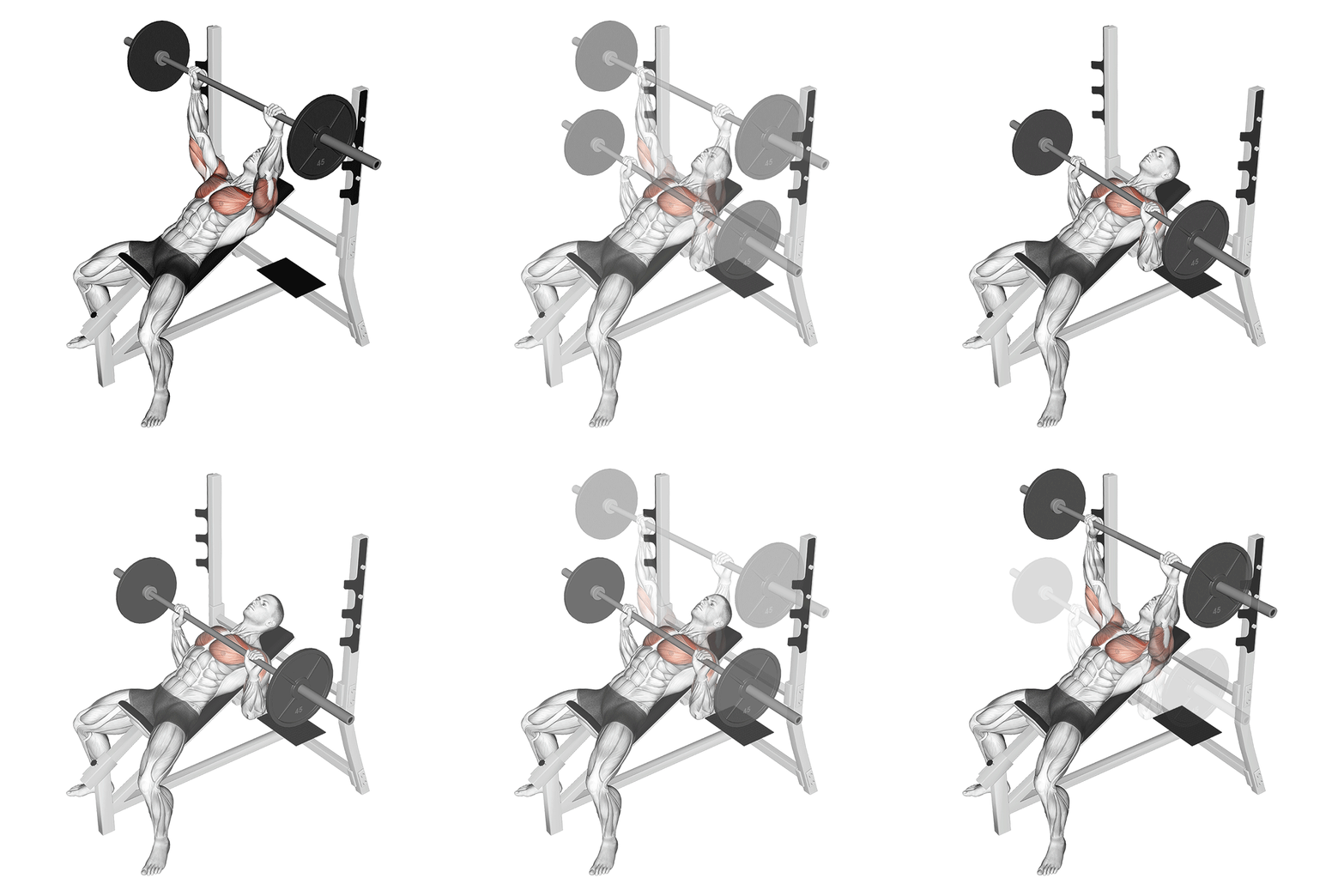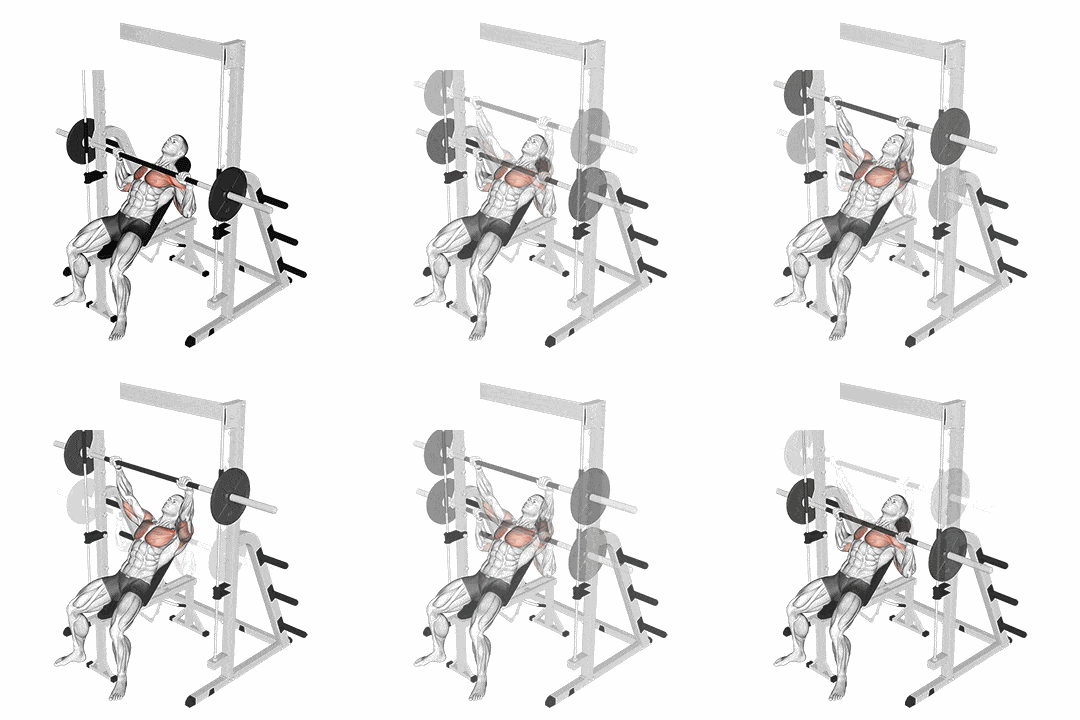
What is the smith machine incline bench press?
The Smith machine incline bench press is an upper-chest press performed on a bench set at 30-45° under a guided bar. You rotate the bar off the hooks, lower it to the top of the chest, then press back to lockout along the fixed rails. Removing the balance demand lets you focus purely on pressing and train close to failure without a spotter, since the hooks and safety stops catch the bar anywhere. It emphasizes the clavicular (upper) fibres of the pecs, with front delts and triceps assisting, making it a favourite for bodybuilders chasing upper-chest mass and for lifters training alone.
How to do the smith machine incline bench press
- 1
Position the bench, then test it
Set an incline bench at 30-45° under the bar. With the empty bar, do one slow rep: it should touch just below your collarbones. Slide the bench until it does.
- 2
Set grip and safeties
Grip slightly wider than shoulder width, wrists stacked over elbows at the bottom. Set the safety stops a few centimetres below your chest-touch point.
- 3
Unrack and lower to the upper chest
Rotate the bar off the hooks, brace, and lower under control to just below the collarbones. Elbows roughly 45-60° from your torso, feet planted.
- 4
Press to lockout, re-hook at the end
Drive the bar straight up the rails to full lockout, exhaling through the sticking point. On the final rep, press up and rotate your wrists to catch the hooks.
Pro tip
Bench placement is 90% of this exercise. The bar path is fixed, so you move until it is right: test with the empty bar, adjust in small slides, and note the floor position once you find it. Guessing costs you a set, sometimes a shoulder.
Common mistakes
Bench angle too steep.
Above 45° the load drifts off the upper chest and onto the front delts. Stay between 30 and 45°, and go lower if your shoulders dominate.
Bench in the wrong spot.
Too far forward and the bar lands on your throat, too far back and it hits mid-chest with your wrists behind the bar. Dial it in with the empty bar first.
Bouncing off the chest.
The fixed path makes bouncing tempting and extra risky for the ribs. Touch light, pause a beat, press.
Ignoring the safety stops.
The hooks only save you if you can still rotate the bar, and a failed rep pinned on your chest is no time to learn. Set the stops every session.
Variations and progressions
Easier
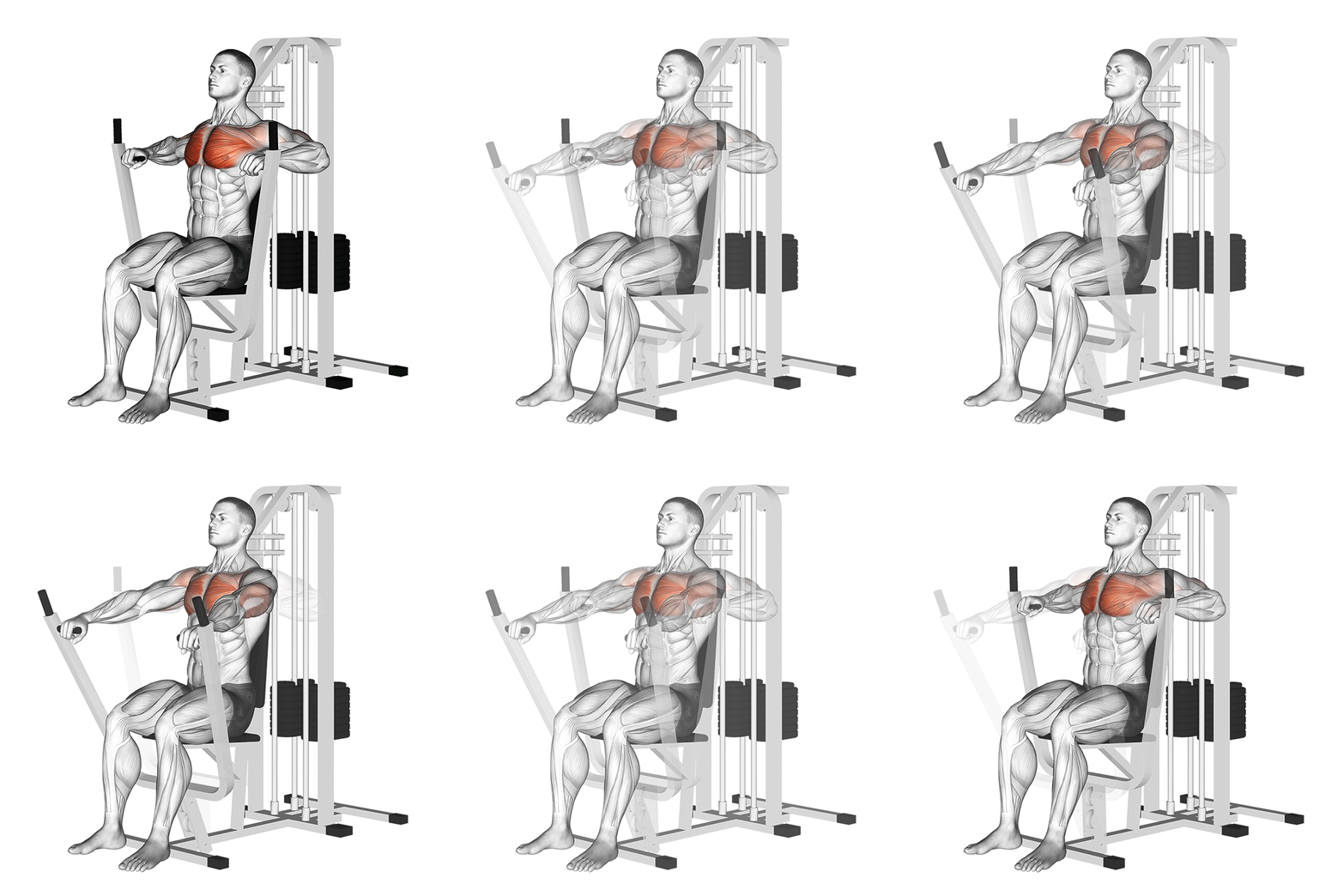
Machine chest press
A converging chest press machine removes the unracking skill entirely and guides the path. The right first stop before any bar work.
Harder
Tempo Smith incline press
Lower in 3 s and pause 2 s on the chest every rep. The rails keep the groove, you supply the effort: expect to drop 15-20% of the load.
No Smith machine?
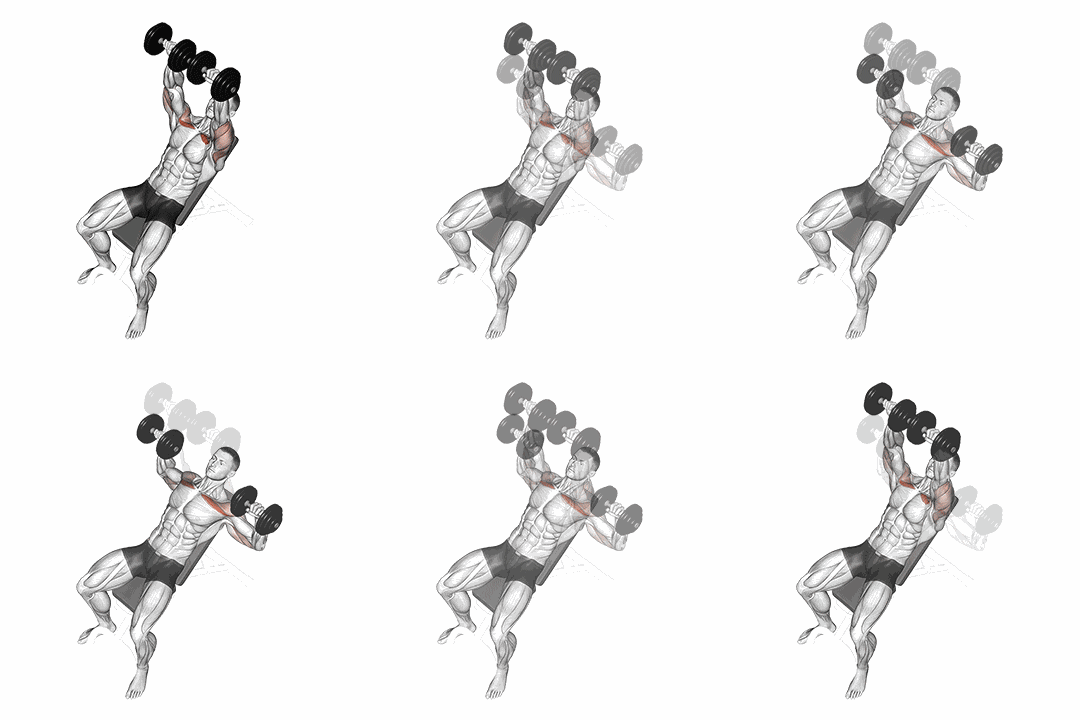
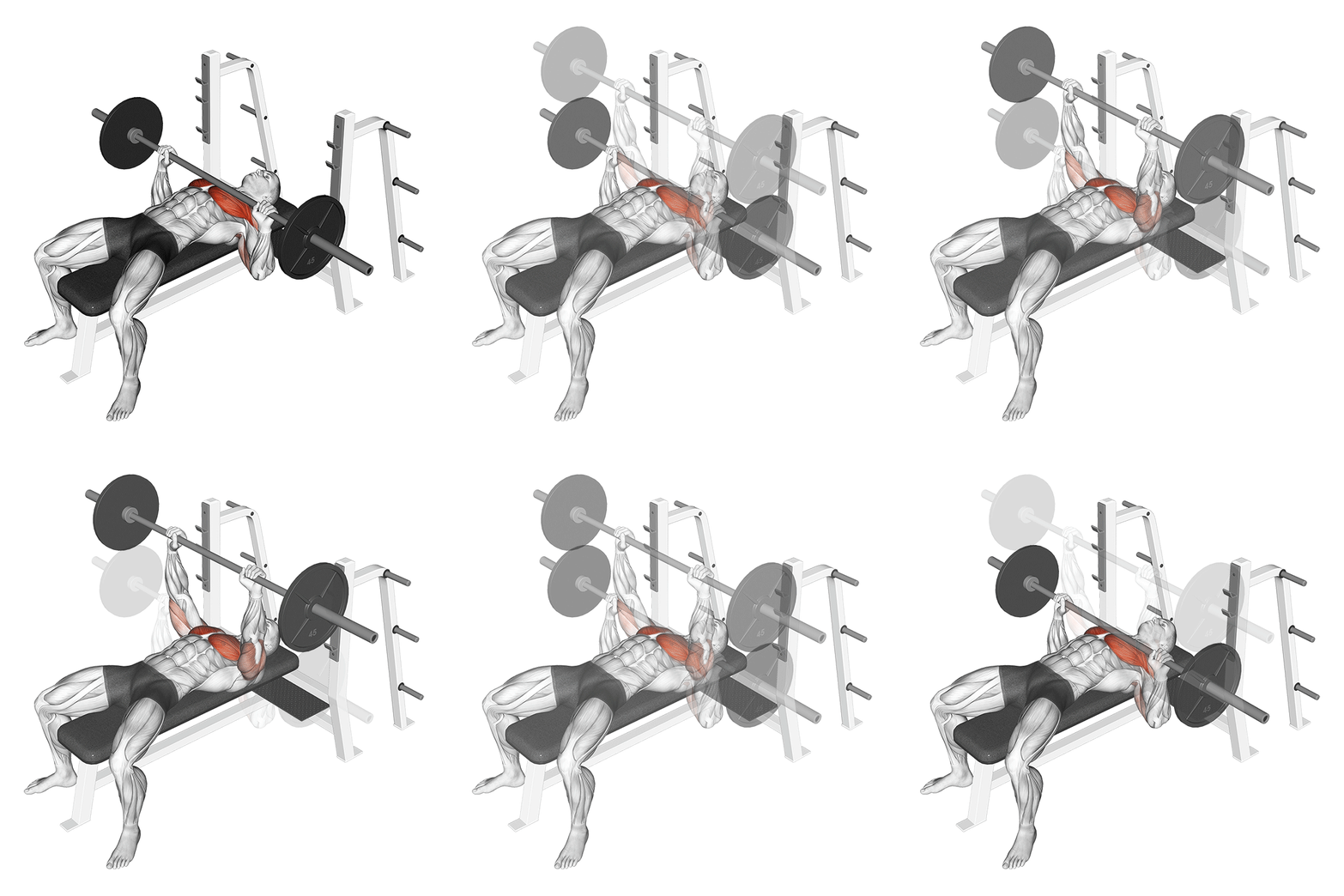
Incline dumbbell or barbell press
Dumbbells add a stabilization demand and a longer range of motion; the free barbell is the strength standard. Both want a spotter near failure.
How to program it
Three protocols by goal. Pick one per cycle and aim for progression on load or distance.
| Goal | Sets × distance | Load | Rest |
|---|---|---|---|
| Strength | 4 × 5-6 | 80-85% 1RM | 3 min |
| Hypertrophy | 4 × 8-12 | 65-75% 1RM | 90 s |
| Upper-chest finisher | 2 × 15-20 | Light, RPE 9 | 60 s |
Smith Machine Incline Bench Press FAQ
Is the Smith machine incline press worse than free weights?
Different, not worse. You lose stabilizer work and the strength transfers imperfectly to a free bar, but pec stimulus is comparable and you can safely train to failure alone. Bodybuilders use it precisely because the rails let them chase the last brutal reps. If your goal is a bigger upper chest rather than a bench PR, it is a first-class tool.
What incline angle should I use?
Start at 30°. Research on incline pressing shows the clavicular pecs are well activated between 30 and 45°, while front-delt takeover grows with every degree beyond that. If you feel the set mostly in your shoulders, drop the angle; if it feels like a flat press, raise it a notch. Your chest, not the seat sticker, makes the call.
How much does the Smith machine bar weigh?
Anywhere from about 6 to 20 kg depending on the model: counterbalanced bars feel feather light, non-counterbalanced ones close to a standard bar. It does not matter for muscle growth, but it wrecks comparisons between gyms. Log your Smith numbers per machine and never convert them to free-weight equivalents in your head.