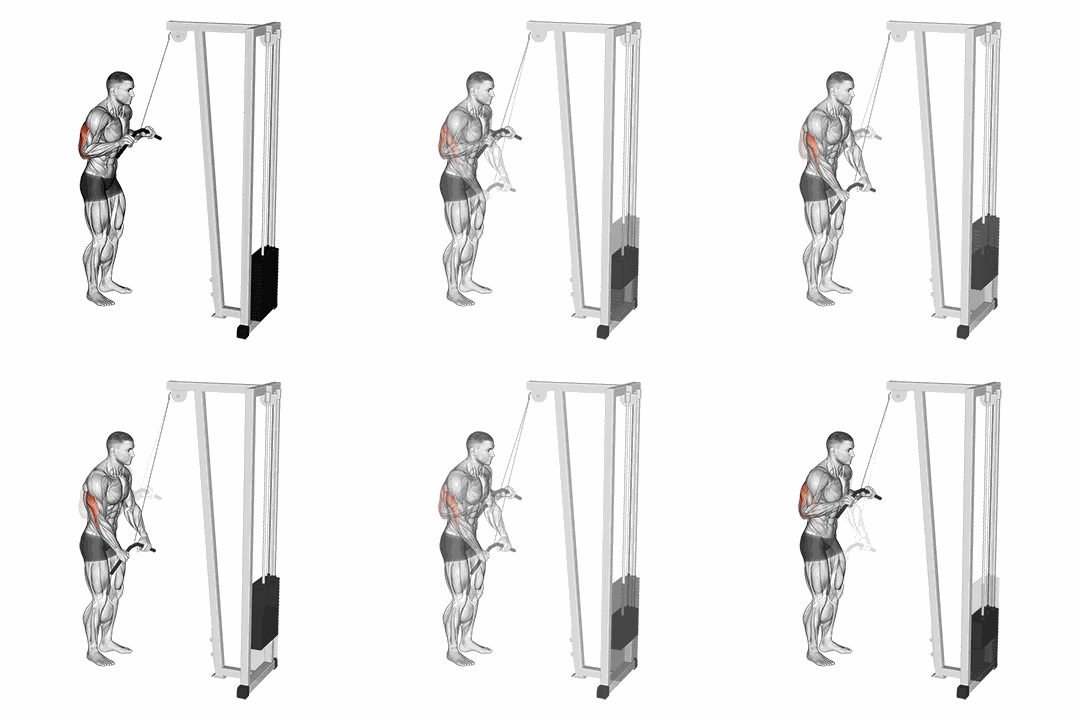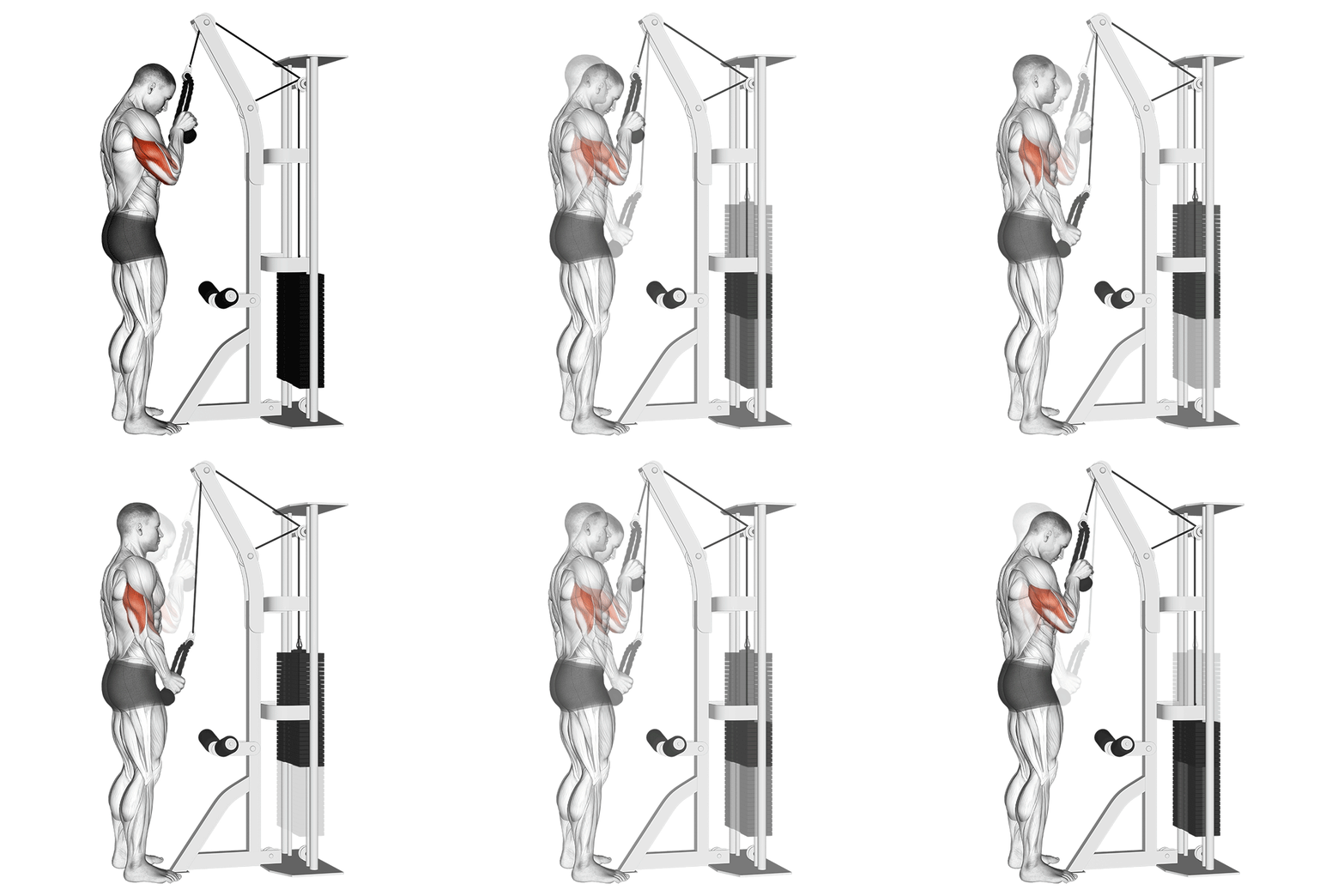
What is the rope triceps pushdown?
The rope triceps pushdown is a cable isolation exercise for the back of the arm. Standing at a high pulley with a rope attachment, you pin your elbows to your ribs and extend the forearms down until the arms are straight, splitting the rope ends apart at the bottom. Compared with a straight bar, the rope keeps the wrists neutral and adds a few degrees of extension, which hits the lateral head hard while sparing cranky wrists and elbows. It's the staple accessory after pressing: easy to learn, easy to load, and one of the best pump finishers in the gym.
How to do the rope triceps pushdown
- 1
Set up close to the pulley
Rope on the highest setting, grab the ends with a neutral grip, take one small step back. Soft knees, slight forward hinge, core braced.
- 2
Pin your elbows to your ribs
Upper arms vertical and glued to your sides for the whole set. The elbow is the hinge; if it moves, the triceps stop being the motor.
- 3
Extend and split the rope
Push down until the arms are completely straight, then pull the two ends apart and slightly behind you. Squeeze the lockout for a full second.
- 4
Control the return
Let the forearms rise until just past 90°, keeping tension in the cable. No stack-slamming, no elbows chasing the rope upward.
Pro tip
Chase the lockout, not the stack. The whole point of the rope is the last 15° of extension with the ends split apart: if you can't finish every rep there, the weight is lying to you. Drop a pin and own the finish.
Common mistakes
Elbows drifting forward.
Once the elbows leave your sides, the lats and chest start shoving the weight down. Lighter load, elbows welded to the ribs.
Shoving with bodyweight.
Dropping your whole torso onto each rep hides a load your triceps can't handle. Hinge slightly once, then stay still.
Stopping short of lockout.
The triceps' job is to finish extension. Cut the last degrees and you've cut the exercise.
Flicking the wrists.
Snapping the wrists down at the bottom fakes range. Wrists stay neutral, knuckles pointing at the floor at lockout.
Variations and progressions
Easier
Straight-bar pushdown
The fixed bar is more stable and simpler to learn. Slightly less range at the bottom, slightly more load on the stack.
Harder
Single-arm rope pushdown
One end of the rope, one arm at a time, with a one-second pause at lockout. Brutal for the mind-muscle connection and merciless on imbalances.
No cable?
Diamond push-ups or bench dips
Both load elbow extension hard with zero equipment. Elevate the feet to keep progressing.
How to program it
Three protocols by goal. Pick one per cycle and aim for progression on load or distance.
| Goal | Sets × distance | Load | Rest |
|---|---|---|---|
| Hypertrophy | 3-4 × 10-12 | Moderate, RPE 8 | 60-90 s |
| Heavy accessory | 4 × 8 | Heavy but strict | 90 s |
| Pump finisher | 2 × 15-20 + drop set | Light | 45 s |
Rope Triceps Pushdown FAQ
Rope or straight bar for triceps?
The differences are smaller than the internet claims. The rope allows a neutral wrist and a few extra degrees of extension, which many lifters feel more in the lateral head; the bar lets you load a bit heavier. Joint comfort should decide: if your wrists or elbows nag on the bar, the rope wins by default. Rotating them across blocks is the smart play.
Why do I feel pushdowns in my shoulders?
Almost always elbow drift. When the upper arm travels forward, the front delt and chest start pressing the weight down and the triceps become passengers. Lighten the load, step slightly closer to the pulley, pin the elbows to your ribs and shrink the range until only the forearms move. The shoulder burn disappears within a session.
Are pushdowns enough to grow my triceps?
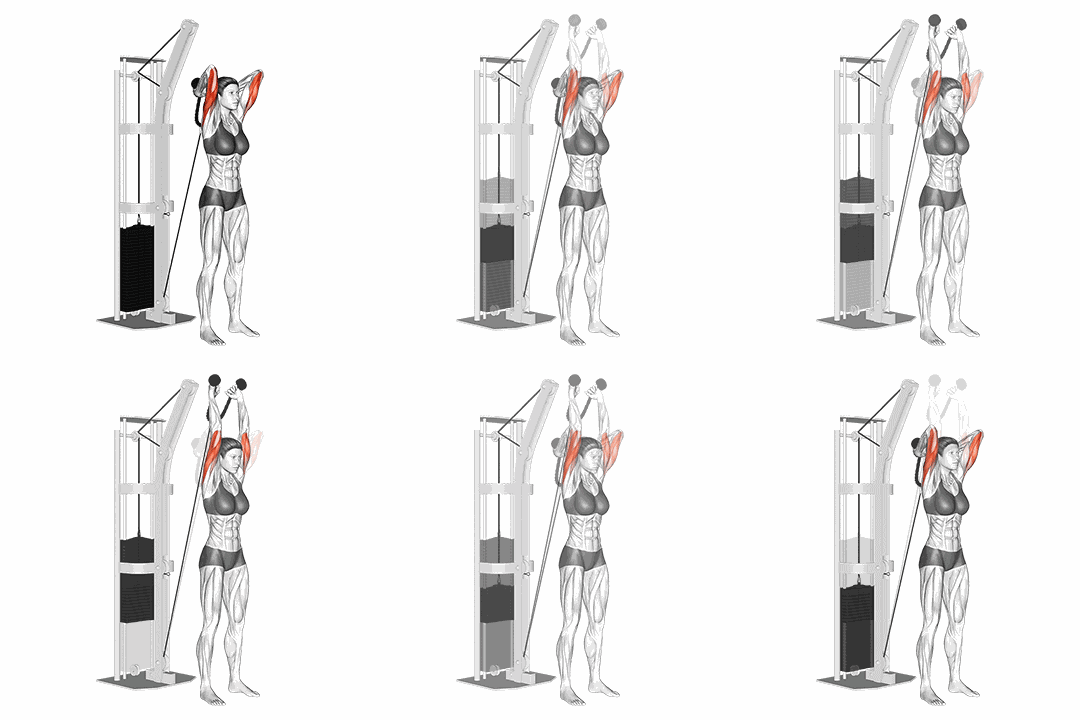
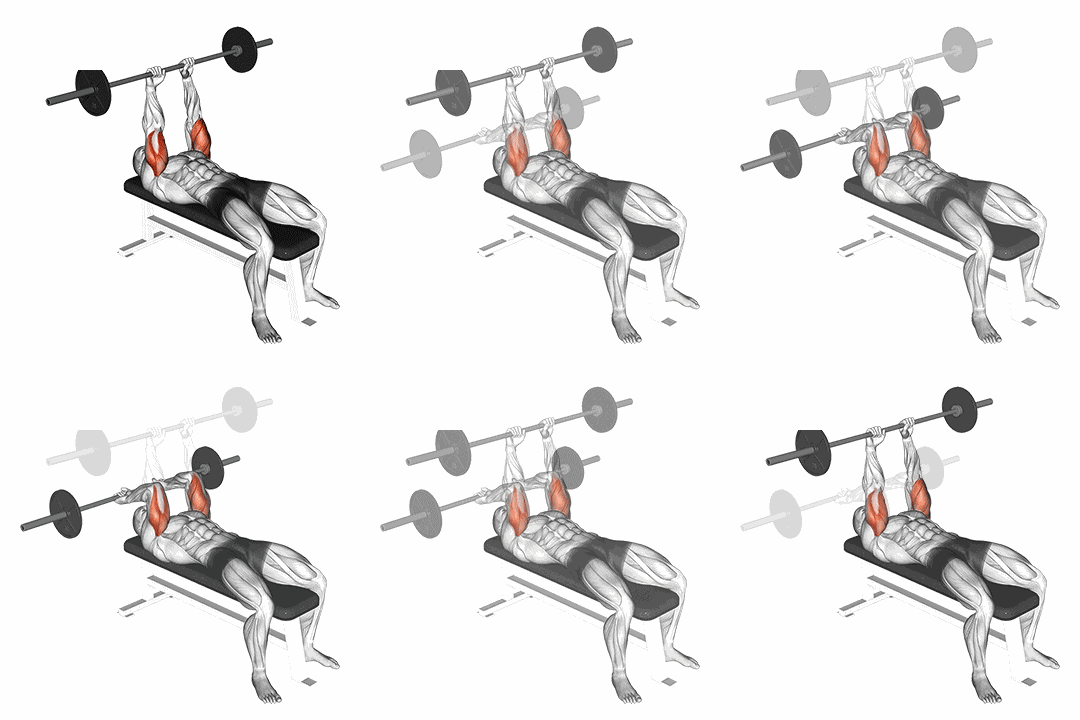
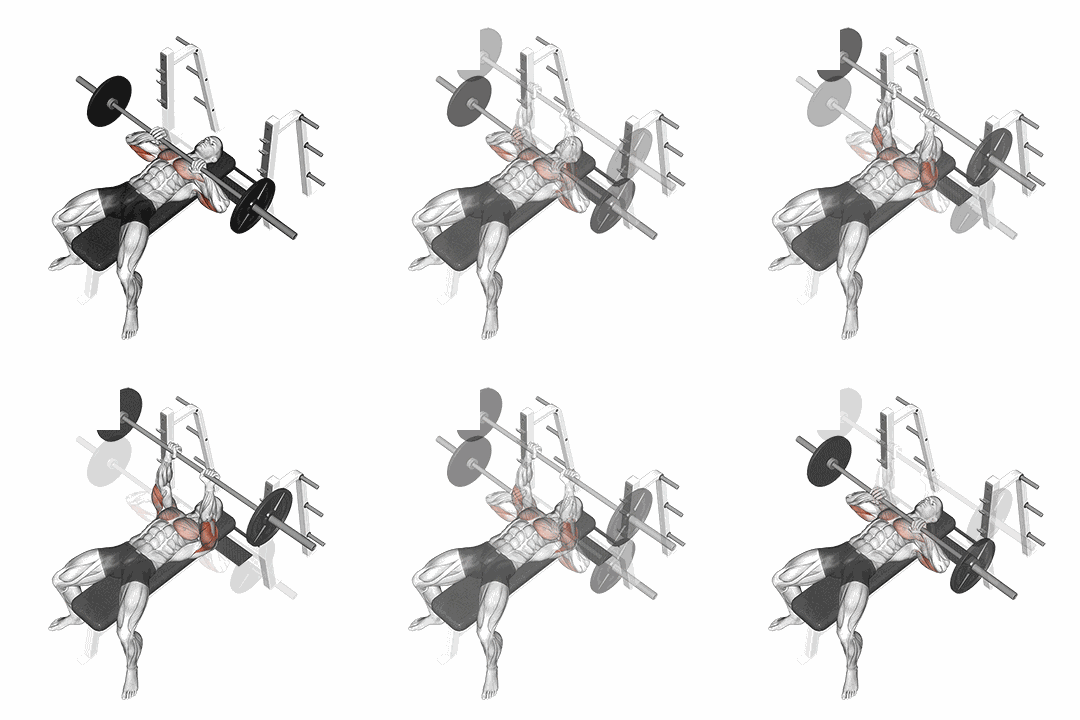
No. Pushdowns bias the lateral and medial heads, but the long head, the biggest of the three, crosses the shoulder and only works hard when stretched overhead or loaded in heavy pressing. Pair pushdowns with an overhead rope extension and a press like the close-grip bench. Two or three hard sets of each, twice a week, beats endless pushdown volume.