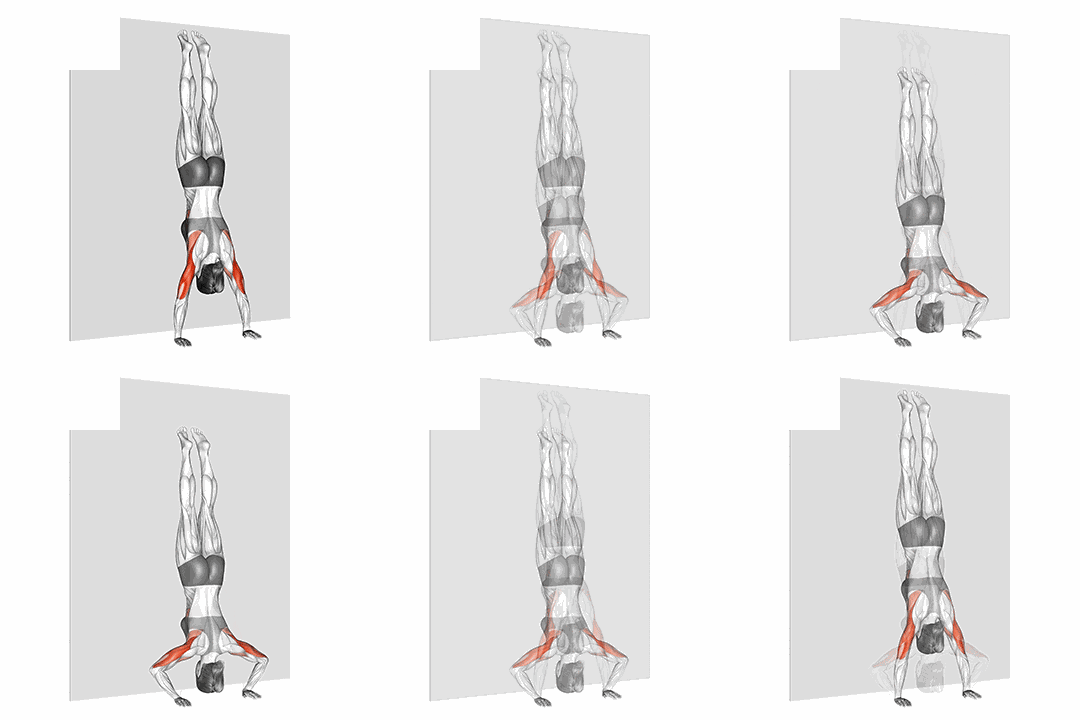
What is the wall-supported handstand push-up?
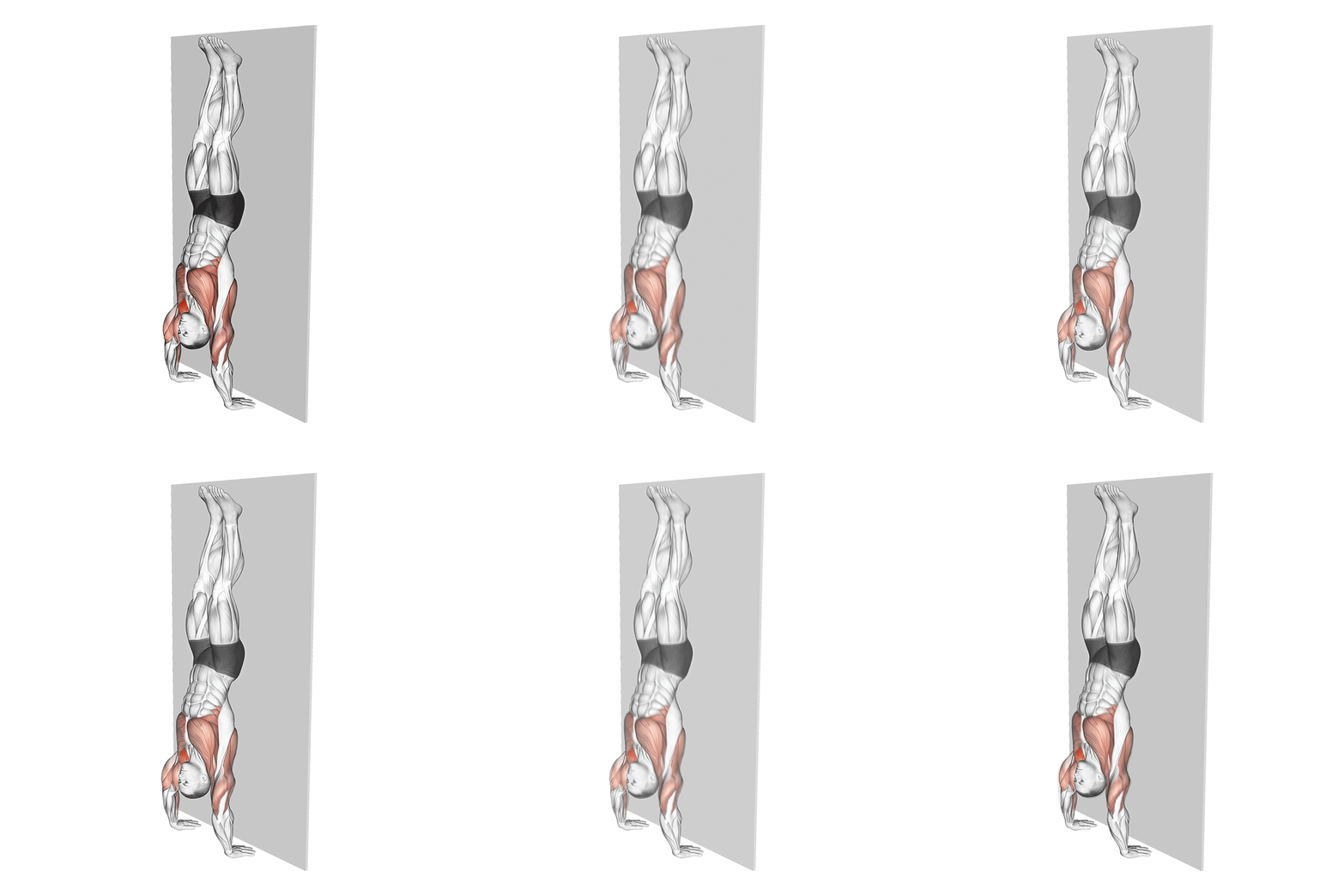
The wall-supported handstand push-up is a strict vertical press performed inverted. You kick up into a handstand with the heels resting against a wall, then lower the head toward the floor by bending the elbows and press back up to lockout. Almost all of your bodyweight loads the shoulders and triceps, which makes it one of the hardest pressing movements you can do without weights. The wall removes the balance demand of a free handstand push-up so you can focus on raw pressing strength. It's a true intermediate-to-advanced move and a clear marker of upper-body capacity.
How to do the wall-supported handstand push-up
- 1
Kick up to the wall
Place hands shoulder-width, around 20 cm from the wall. Kick up one leg, then the other, until the heels rest lightly against the wall.
- 2
Stack and brace
Push the floor away through the shoulders, ribs tucked, glutes squeezed. Body is one straight, braced line.
- 3
Lower with elbows tracking forward
Bend the elbows slowly, lowering the top of the head toward the floor. Elbows track forward over the wrists, not flared out.
- 4
Press back to lockout
Drive the floor away, pushing the shoulders back to lockout. Don't shrug the shoulders to the ears at the top.
Pro tip
Touch the head, not the forehead. Lifters who land on the forehead are shortening range and flaring the elbows. Aim for the crown of the head, lower under control, and the press becomes its own coach.
Common mistakes
Banana back.
Letting the lower back arch loses the line and stresses the lumbar. Ribs down, glutes squeezed.
Elbows flaring wide.
Flared elbows over-stress the shoulders and reduce drive. Track them forward over the hands.
Half reps from the top.
Stopping six inches above the floor isn't a handstand push-up. Touch the head down or work the deficit progression first.
Kipping when learning.
Adding a leg drive before the strict version is solid masks weakness. Strict first, kip only later, only if needed.
Variations and progressions
Easier
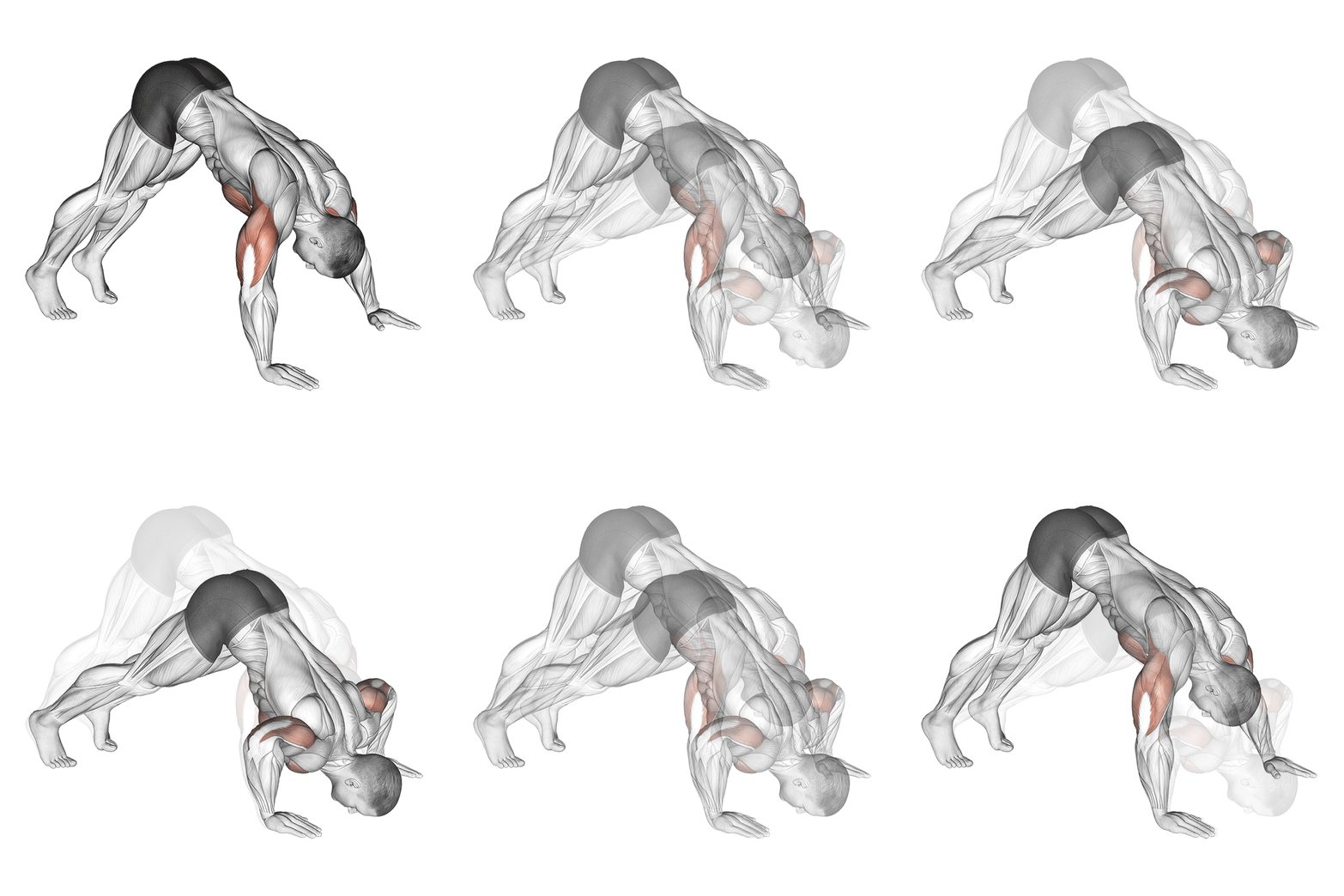
Pike push-up with feet on box
Feet elevated on a box brings you most of the way toward inverted without the wall. Strong stepping stone.
Harder
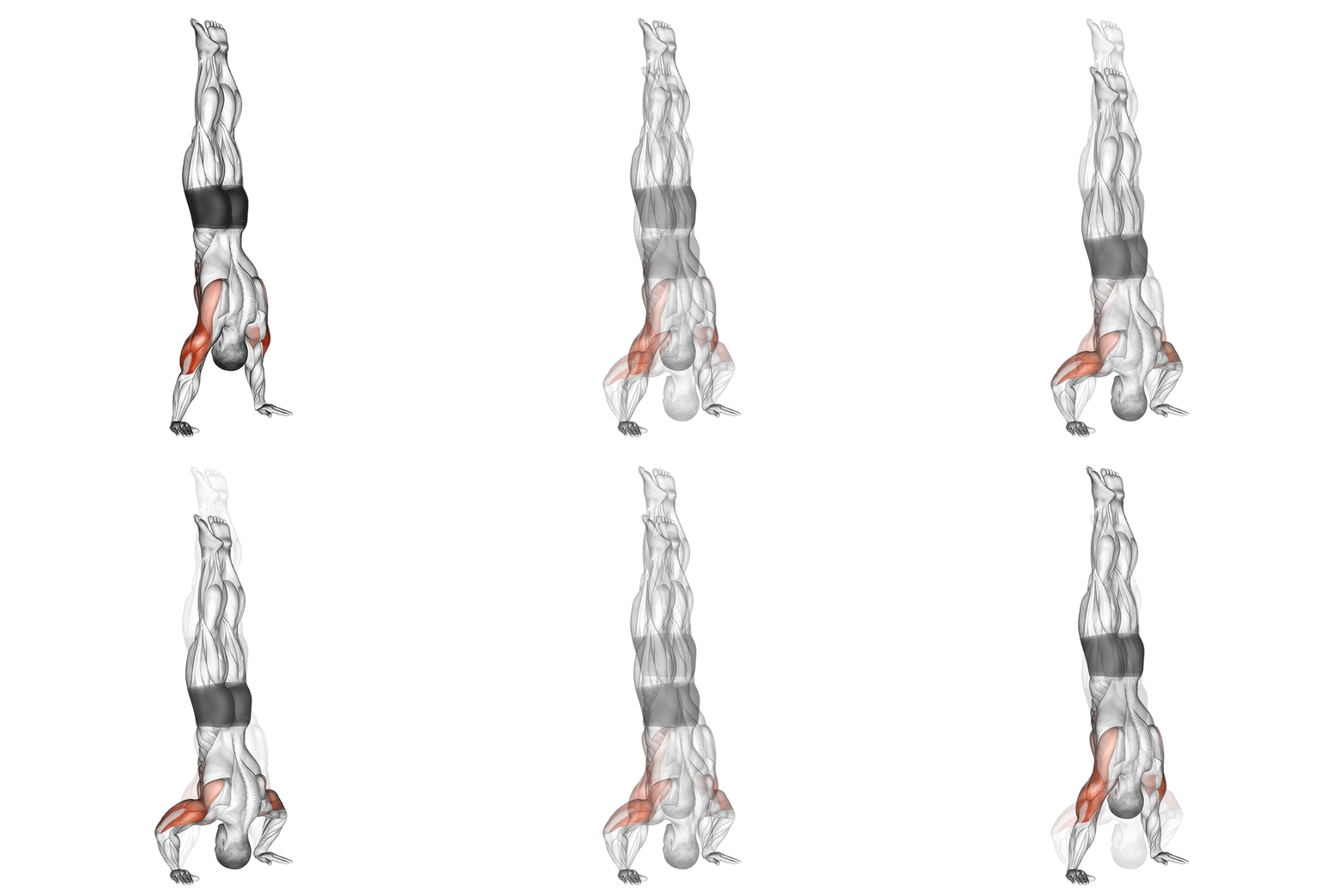
Deficit HSPU on parallettes
Use parallettes or paralettes to lower the head past the hands. Extended range, savage triceps and shoulder demand.
No wall handstand yet?
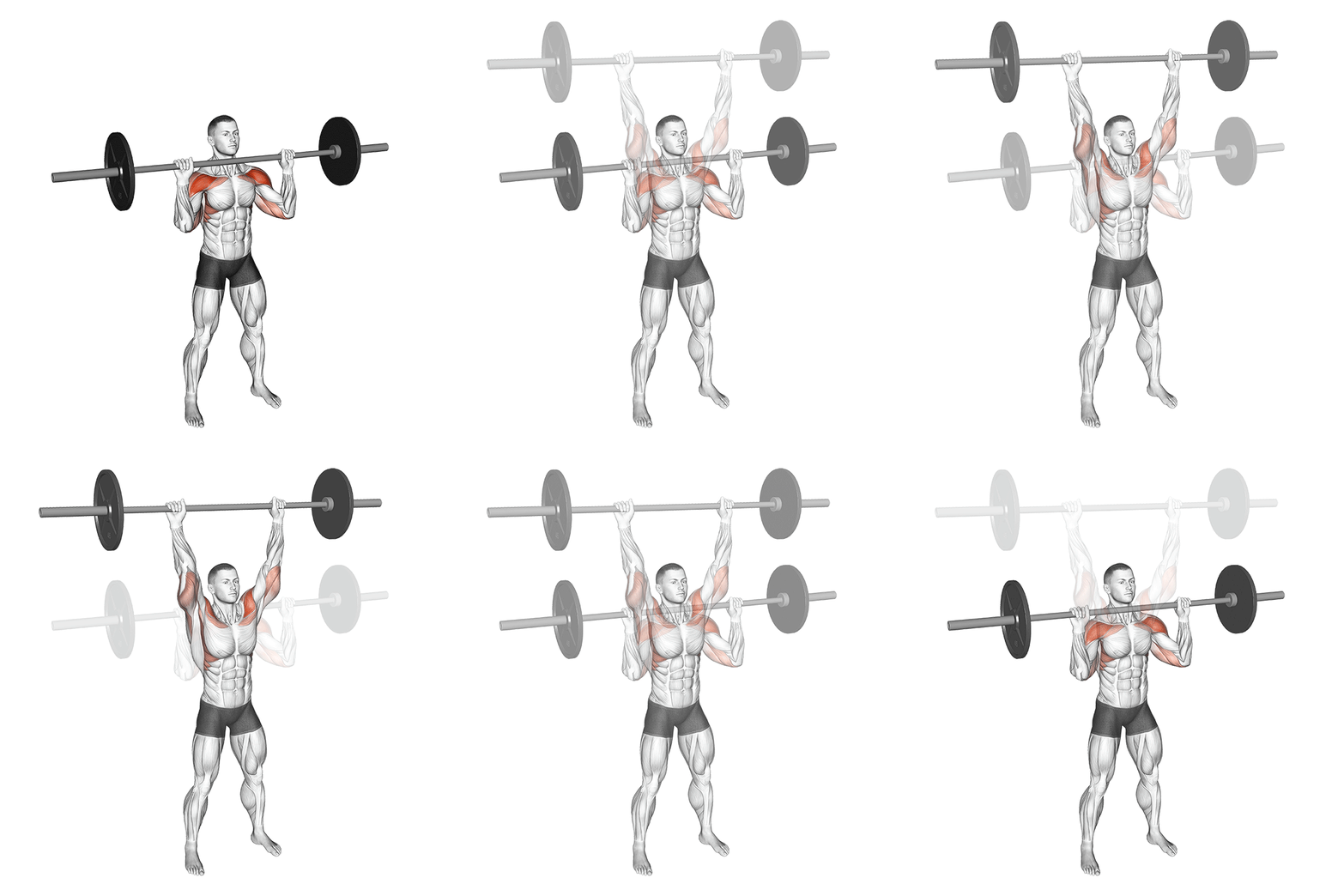
Seated dumbbell shoulder press
A heavy dumbbell press builds the raw vertical strength while you work on getting comfortable upside down.
How to program it
Three protocols by goal. Pick one per cycle and aim for progression on load or distance.
| Goal | Sets × distance | Load | Rest |
|---|---|---|---|
| Strength | 5 × 3-5 | Strict, full range | 3 min |
| Skill volume | 6 × 2-3 EMOM | Strict, fresh | EMOM |
| Hypertrophy | 4 × max - 2 (RIR 2) | Strict | 2 min |
Wall-Supported Handstand Push-Up FAQ
How do I know I'm ready?
A clean benchmark: ten strict pike push-ups with the feet elevated on a box, plus a thirty-second wall handstand hold. If you have both, you can start training partial wall HSPU reps. If either is missing, build it first. Skipping the prerequisite is the most common reason people get stuck or hurt their shoulders.
Stomach to wall or back to wall?
Back to wall (heels touching) is the standard starting point because it lets you scale range easily and step out quickly if needed. Stomach to wall (chest facing the wall) forces a tighter, more vertical line and is harder, but it's the better long-term position once strength is in place. Start with back to wall, transition to stomach to wall once you can do five strict full-range reps.
How often should I train it?
Two sessions a week is enough for most. One session emphasising low reps and high quality for strength, the other emphasising higher volume of slightly easier variations like pike push-ups or partial-range HSPUs. The shoulders take real punishment from this movement, so resist the urge to do it every day, even when progress feels slow.