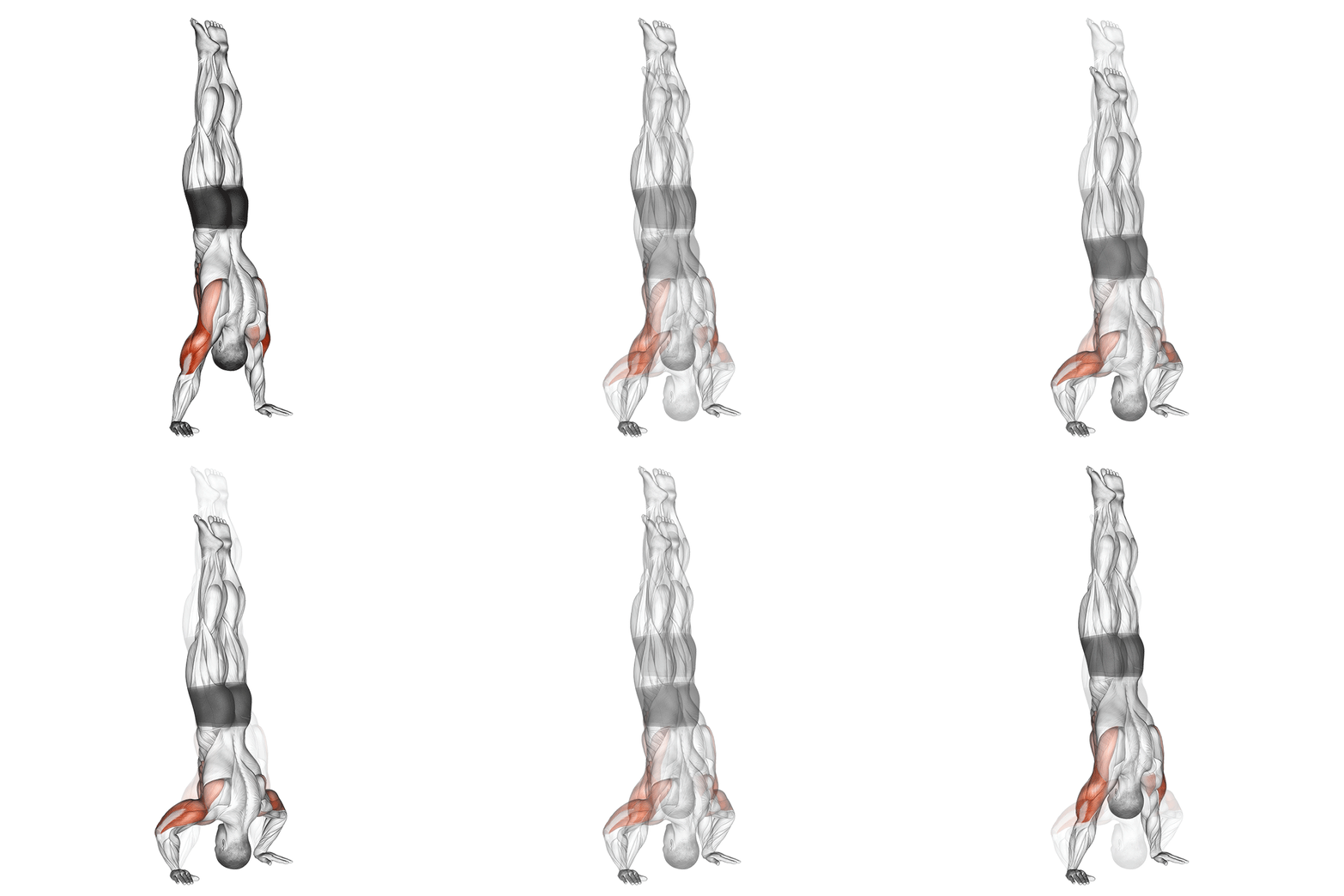
What is the handstand push-up?
The HSPU is a vertical press done from a handstand against a wall or freestanding. You lower the head toward the floor and press back to a locked-out handstand. The shoulders, triceps and serratus do most of the work, the core keeps the line stacked. It's the bodyweight analogue to a heavy overhead press, and one of the cleanest tests of pressing strength relative to bodyweight.
How to do the handstand push-up
- 1
Kick up to the wall
Hands shoulder-width, fingers spread, ten centimetres from the wall. Kick one leg up and let the other follow.
- 2
Stack the line
Heels to wall, ribs down, glutes squeezed, a straight line from wrists to heels. No banana back.
- 3
Lower to the tripod
Bend the elbows and lower until the crown of your head taps the floor, forming a triangle with your hands.
- 4
Press explosively
Drive the floor away. The elbows lock out, the line restacks, no kip from the legs on strict reps.
Pro tip
Before chasing reps, own a sixty-second wall handstand hold. Without that, every HSPU is a wobble masquerading as a press.
Common mistakes
Banana back.
An open ribcage breaks the line and pushes load into the lower back. Tuck ribs and squeeze glutes.
Head crashing down.
If gravity wins the descent, your shoulders aren't ready. Build with negatives first.
Elbows flared wide.
Pure ninety-degree flare wrecks the shoulder. Keep elbows at forty-five to sixty degrees from the torso line.
Hands too far from the wall.
Too much space and you arch to reach. Set hands roughly a hand's width off the wall.
Variations and progressions
Easier
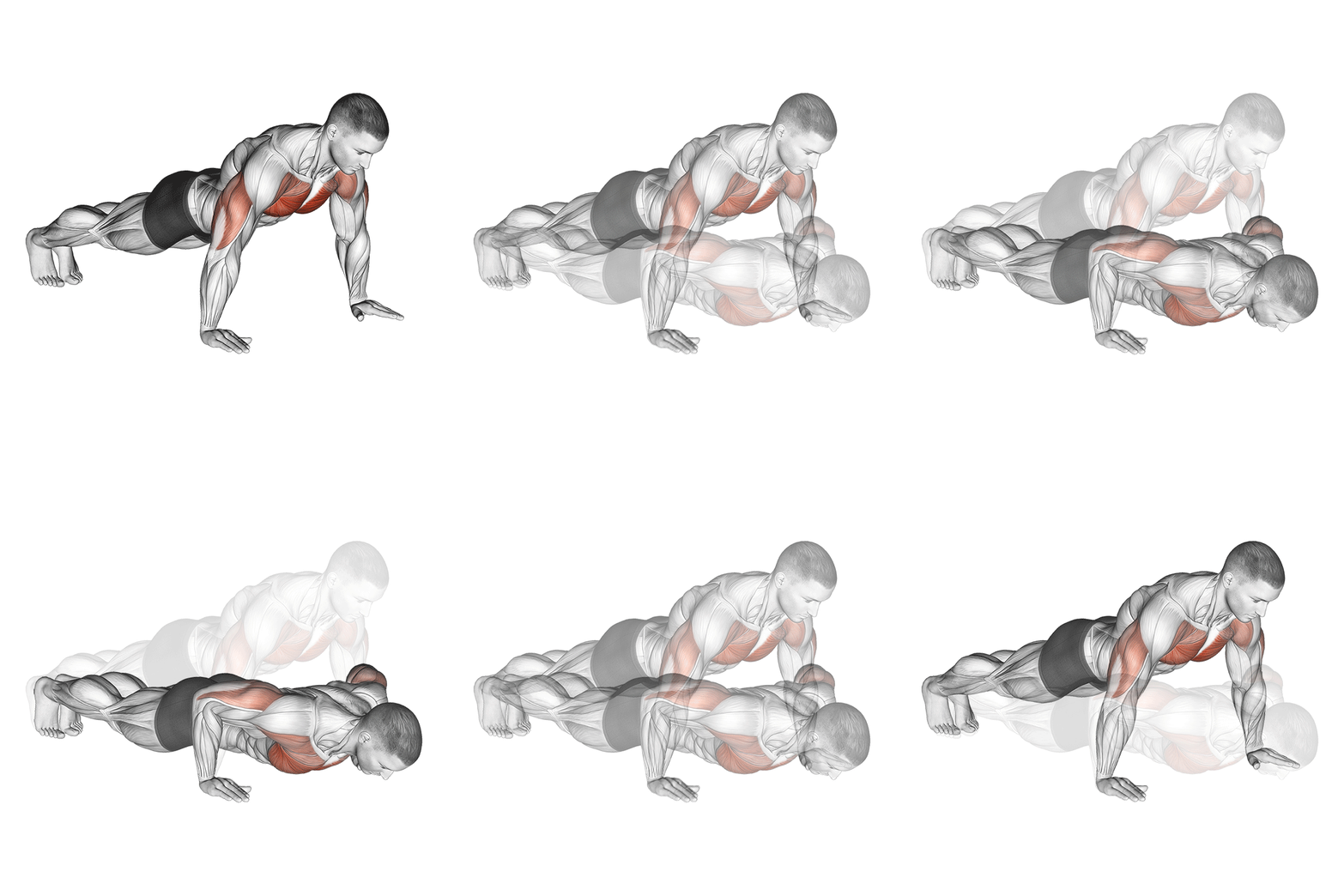
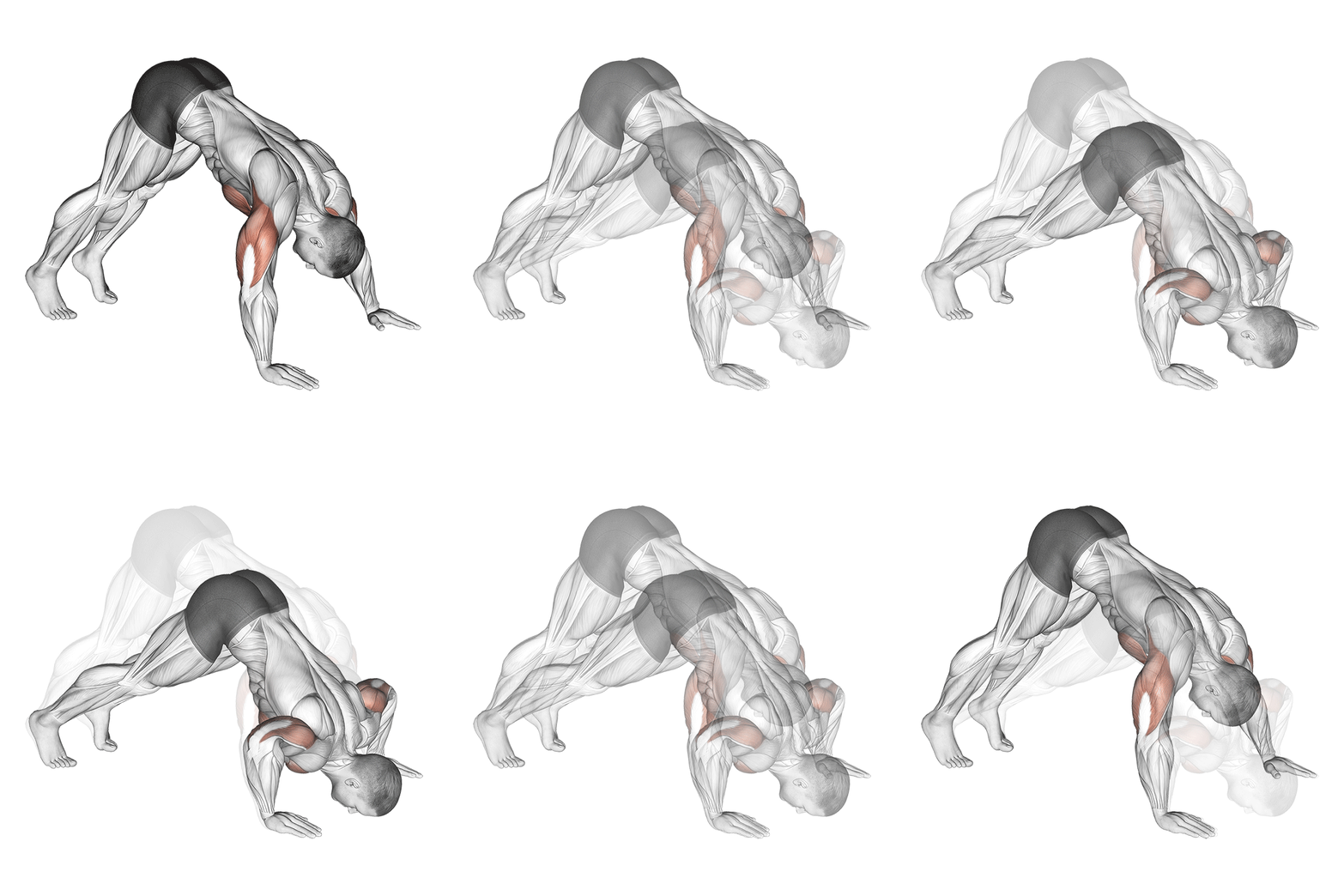
Pike push-up
Feet on a box, hips piked high, press the head to the floor. Same pattern, far less load.
Harder
Deficit or freestanding HSPU
Hands on parallettes for extra range, or remove the wall entirely. Both are huge step-ups in difficulty.
No wall space?
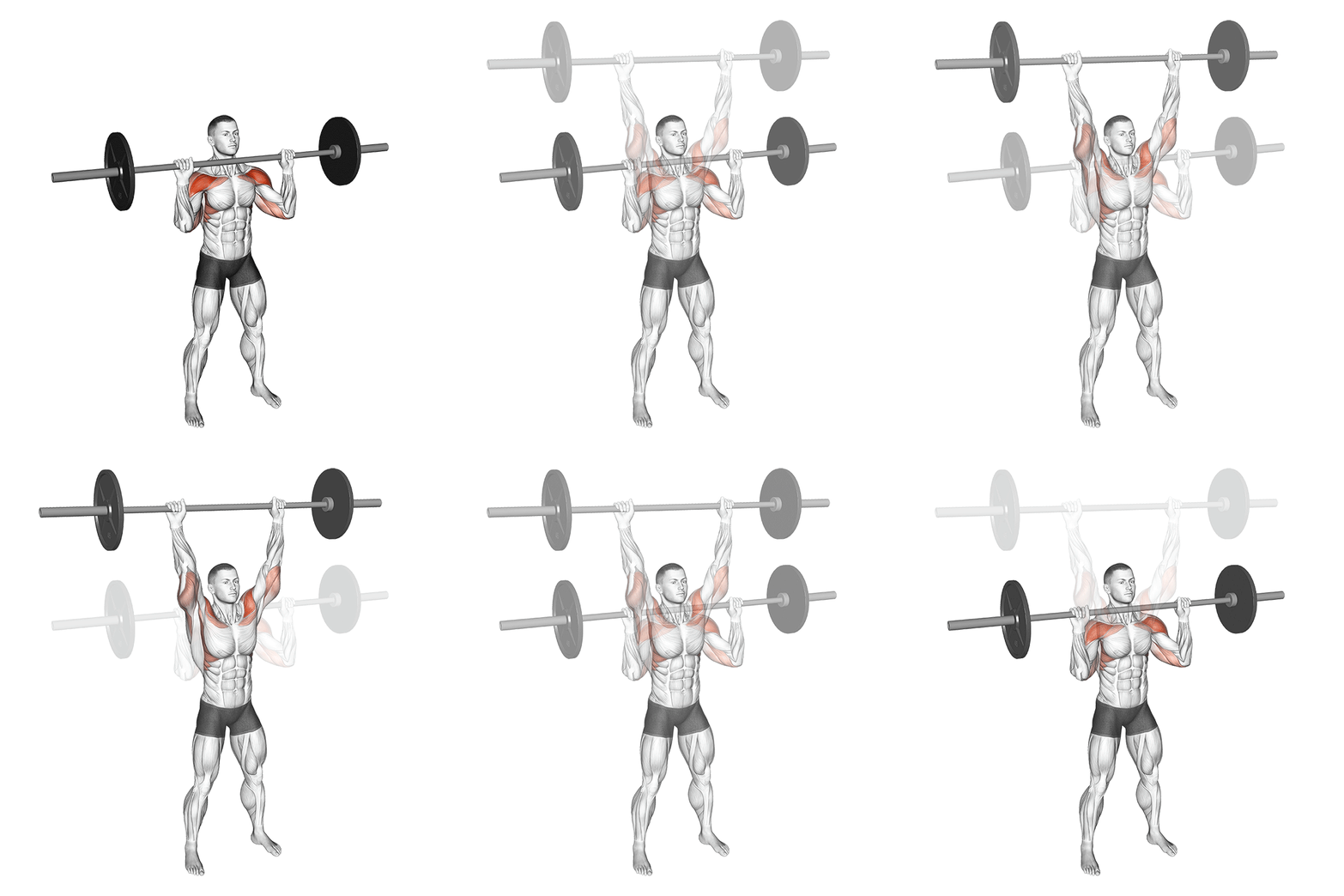
Heavy overhead press
A bodyweight overhead press with a barbell trains the same vertical pattern, just upright.
How to program it
Three protocols by goal. Pick one per cycle and aim for progression on load or distance.
| Goal | Sets × distance | Load | Rest |
|---|---|---|---|
| Skill / first reps | 5 × 1-2 reps + 30 s wall holds | Bodyweight | 2 min |
| Strength | 5 × 3-5 reps strict | Bodyweight | 2-3 min |
| Volume / capacity | EMOM 10 min × 3 reps | Bodyweight | Built into EMOM |
Handstand Push-Up FAQ
How do I build up to my first HSPU?
Three blocks: first a sixty-second wall handstand hold, then ten strict pike push-ups with feet on a box, then HSPU negatives with five-second descents. Once you can do five clean negatives, the concentric usually shows up within two to three weeks.
Is it bad for the neck?
Not if you control the descent and don't slam the head. The head touches the floor, it doesn't take load. The shoulders carry the work. If you ever feel neck strain, you're collapsing into the bottom instead of pressing, scale back to pike push-ups.
How does the HSPU carry over to Hyrox or barbell work?
Direct carryover to overhead pressing strength and to wall-ball recovery at high heart rates. It also reinforces the stacked ribs-over-pelvis position that protects the lower back on every overhead and standing lift. Programme it once a week, three to five strict reps per set.