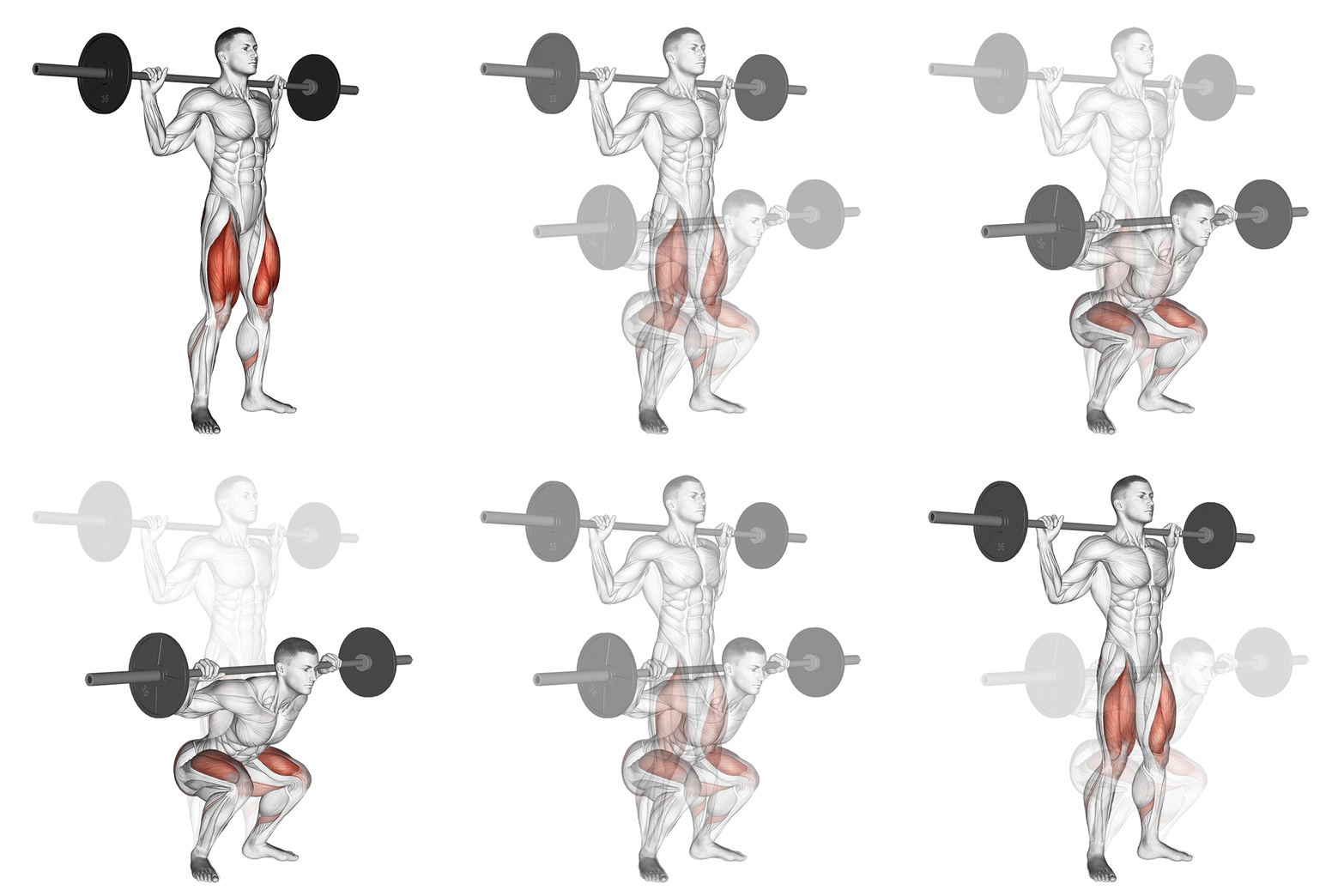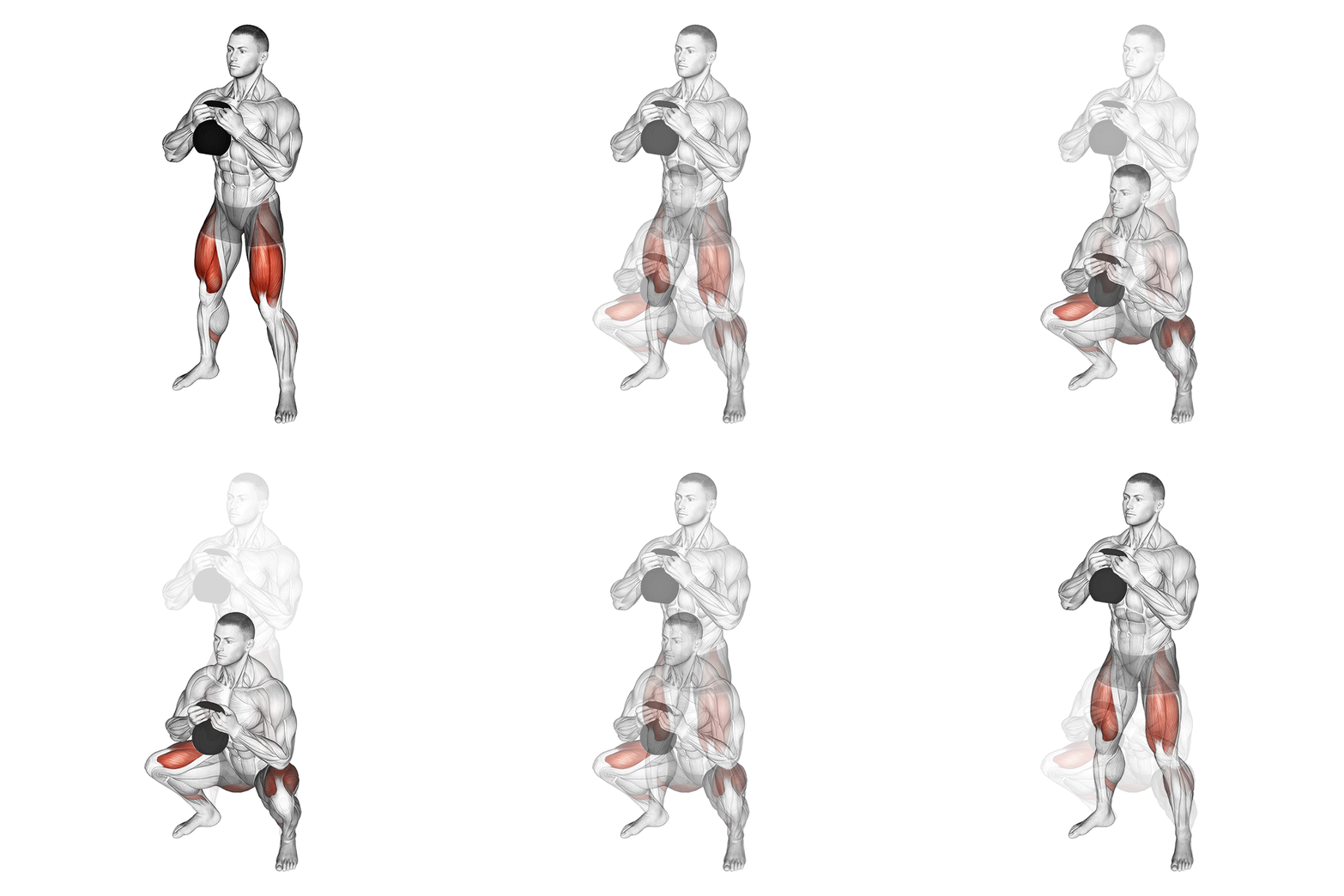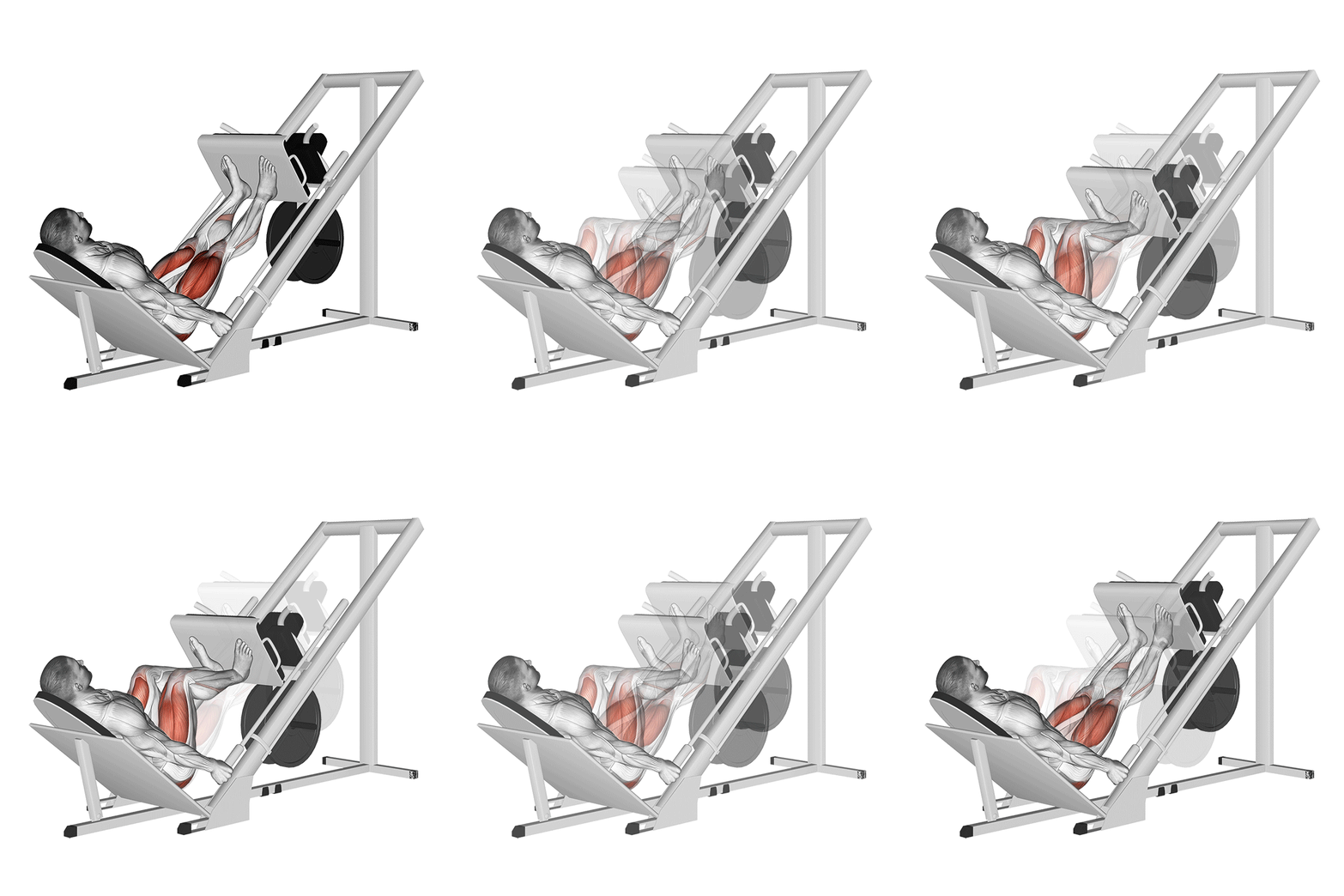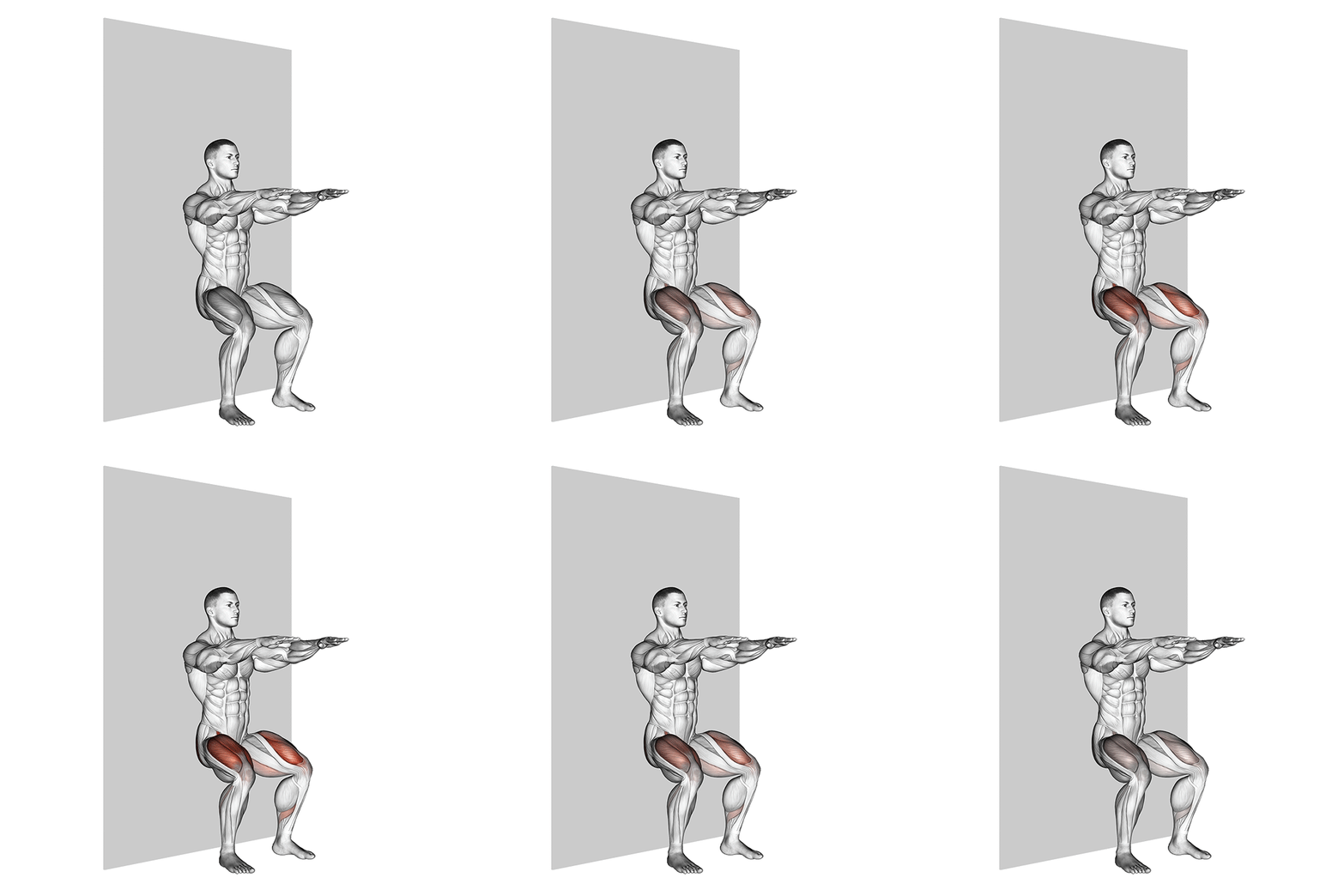
What is the wall sit?
The wall sit is a static isometric squat. Back flat against a wall, knees and hips both at 90 degrees, you simply hold the position for time. It punishes the quadriceps and recruits the glutes and calves, while teaching breathing under load. Studies on hypertensive populations even show isometric holds drop resting blood pressure better than most aerobic protocols. It costs nothing, fits anywhere, and exposes anyone who skips leg day.
How to do the wall sit
- 1
Find a flat wall
Lean your full back against a smooth, vertical wall. Feet about 50 cm out, hip-width apart, toes forward.
- 2
Slide down to 90/90
Slide down until thighs are parallel to the floor and knees are bent to 90 degrees, knees stacked over ankles.
- 3
Press the wall, press the floor
Drive your back into the wall and your feet into the floor. Whole body tight, abs braced, glutes engaged.
- 4
Breathe and hold
Slow nasal breathing. Don't hold your breath. Stay until time is up or form breaks, then slide up the wall to stand.
Pro tip
When the burn peaks, focus on your breath instead of the clock. The hold becomes a meditation, not a fight.
Common mistakes
Knees past toes.
Feet too close to the wall puts everything on the knee. Walk the feet out so shins stay vertical.
Sitting above parallel.
Half-depth wall sits are half-credit. Thighs must be parallel to the floor for full quad load.
Resting hands on thighs.
Pushing on your legs cheats load away. Arms hang or cross at the chest.
Holding the breath.
Apnoea spikes blood pressure and shortens the hold. Steady nasal breaths the whole time.
Variations and progressions
Easier
Higher wall sit
Slide down only to 110-120 degrees of knee bend. Same pattern, much shorter lever, longer holds possible.
Harder
Weighted wall sit
Hold a dumbbell or plate on the thighs. Brutal for quad endurance and isometric strength.
No wall?
Bodyweight squat hold
Hold a free-standing squat at parallel. Harder on balance and quads with no wall support.
How to program it
Three protocols by goal. Pick one per cycle and aim for progression on load or distance.
| Goal | Sets × distance | Load | Rest |
|---|---|---|---|
| Blood pressure protocol | 4 × 2 min | Bodyweight | 2 min |
| Quad endurance | 3 × max time | Bodyweight | 90 s |
| Loaded isometric | 3 × 45 s | 10-20 kg on thighs | 60 s |
Wall Sit FAQ
Does the wall sit really lower blood pressure?
Yes. Meta-analyses since 2023 show isometric wall sits done 3 times a week, 4 × 2 minutes, reduce resting blood pressure by 6 to 10 mmHg systolic, better than steady cardio or strength training. The protocol is simple, cheap and evidence-backed.
How long should I hold?
For general fitness aim for 45-60 seconds with good form. For the blood-pressure protocol go 2 minutes, repeated 4 times. Beyond 3 minutes the form usually breaks before any extra benefit. Quality of position beats raw duration.
My knees hurt during wall sits, what should I do?
Walk the feet further from the wall so the shins stay vertical, and reduce the depth to 110 degrees of knee bend. If pain persists despite clean form, see a physio rather than push through, isometrics shouldn't sting the joint.