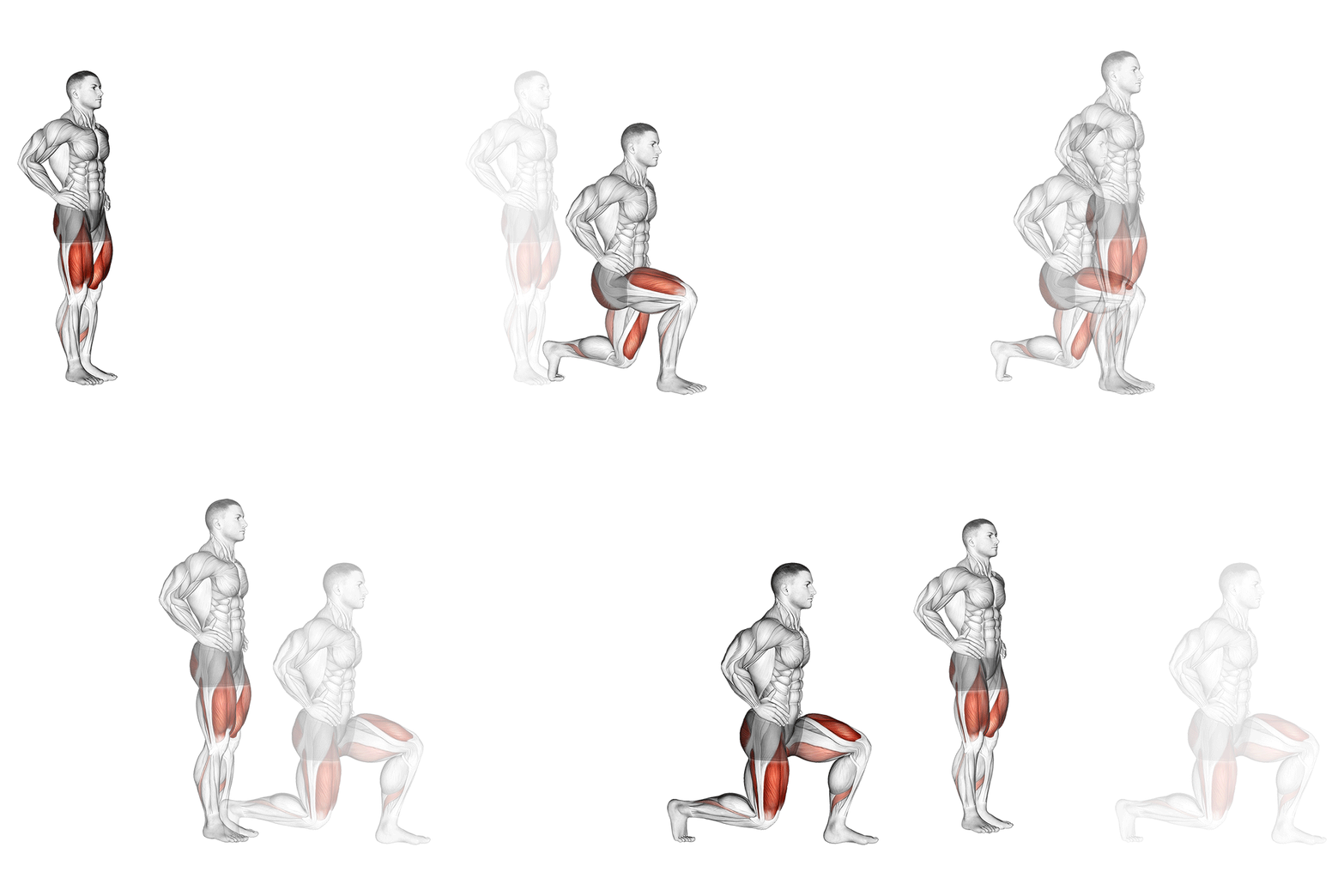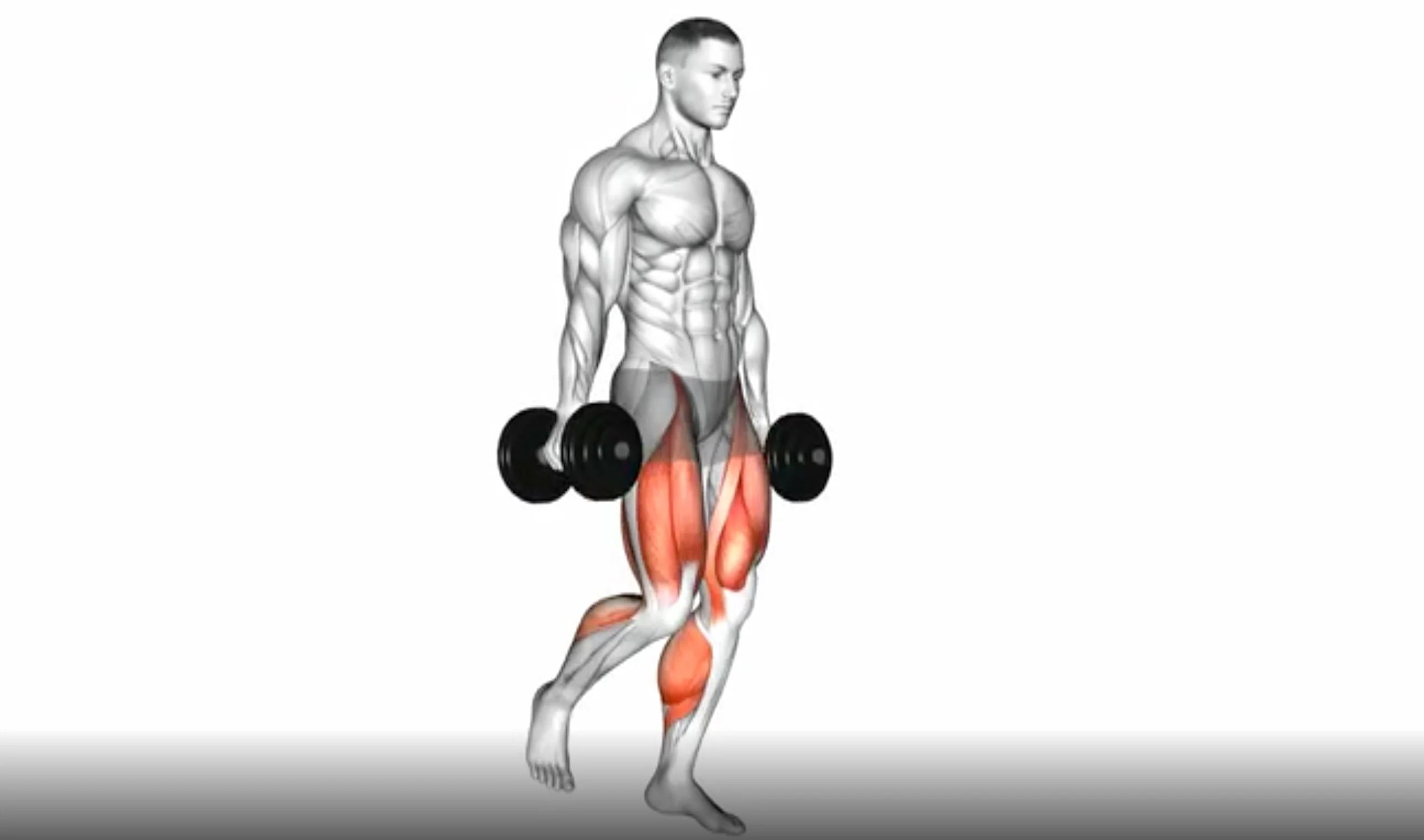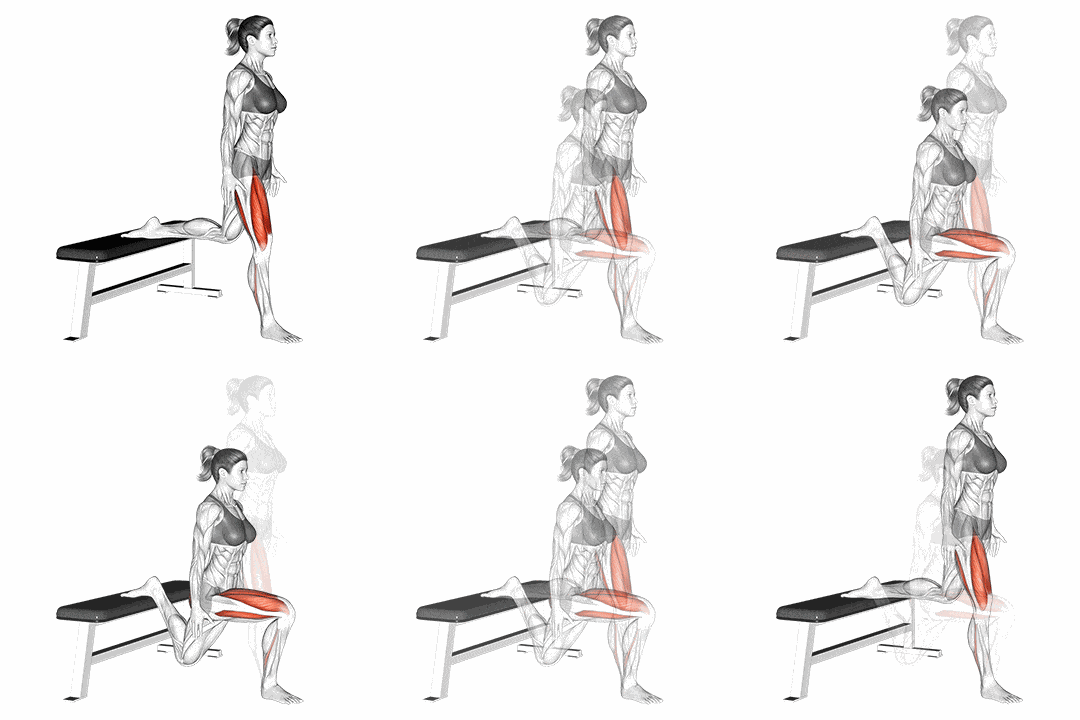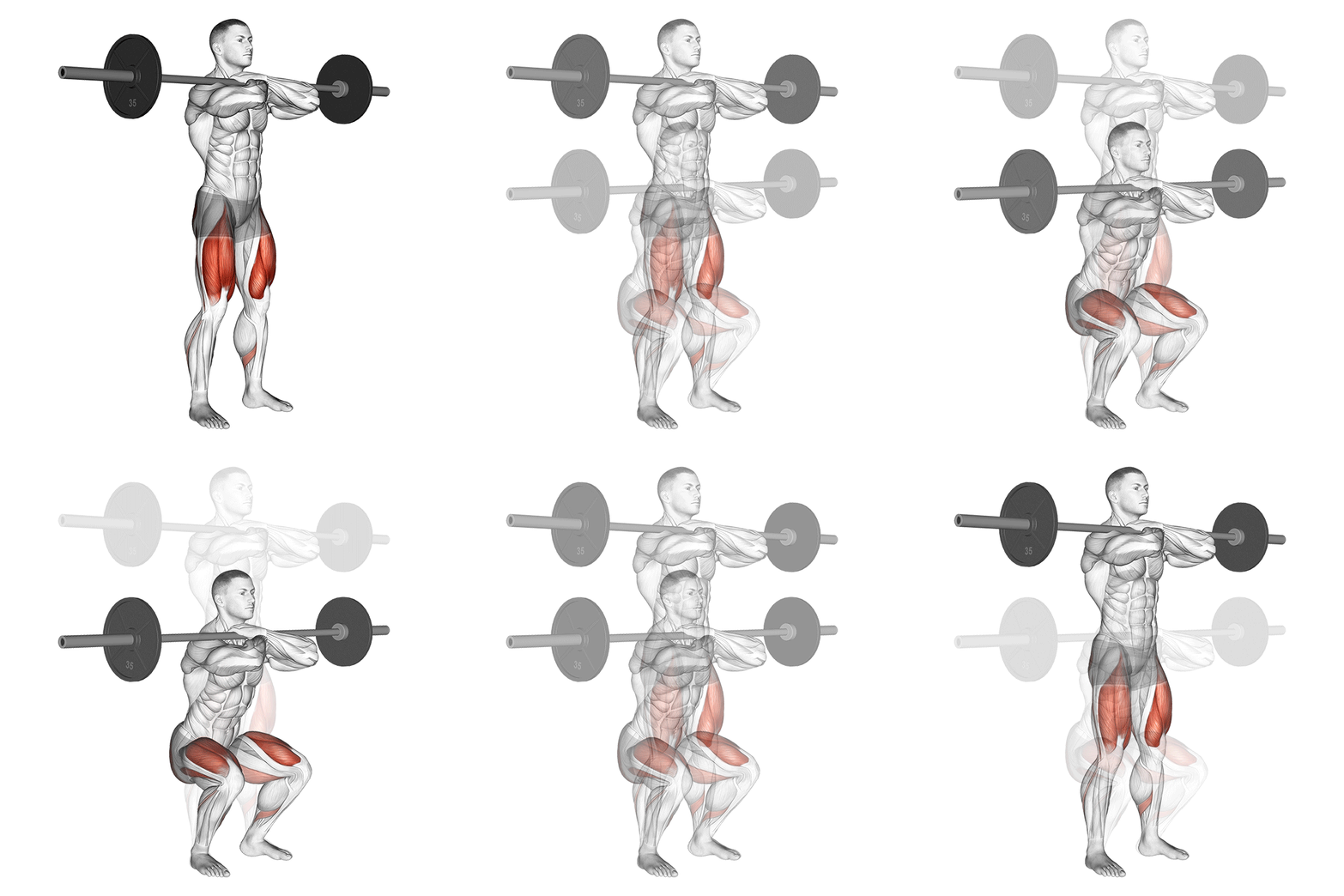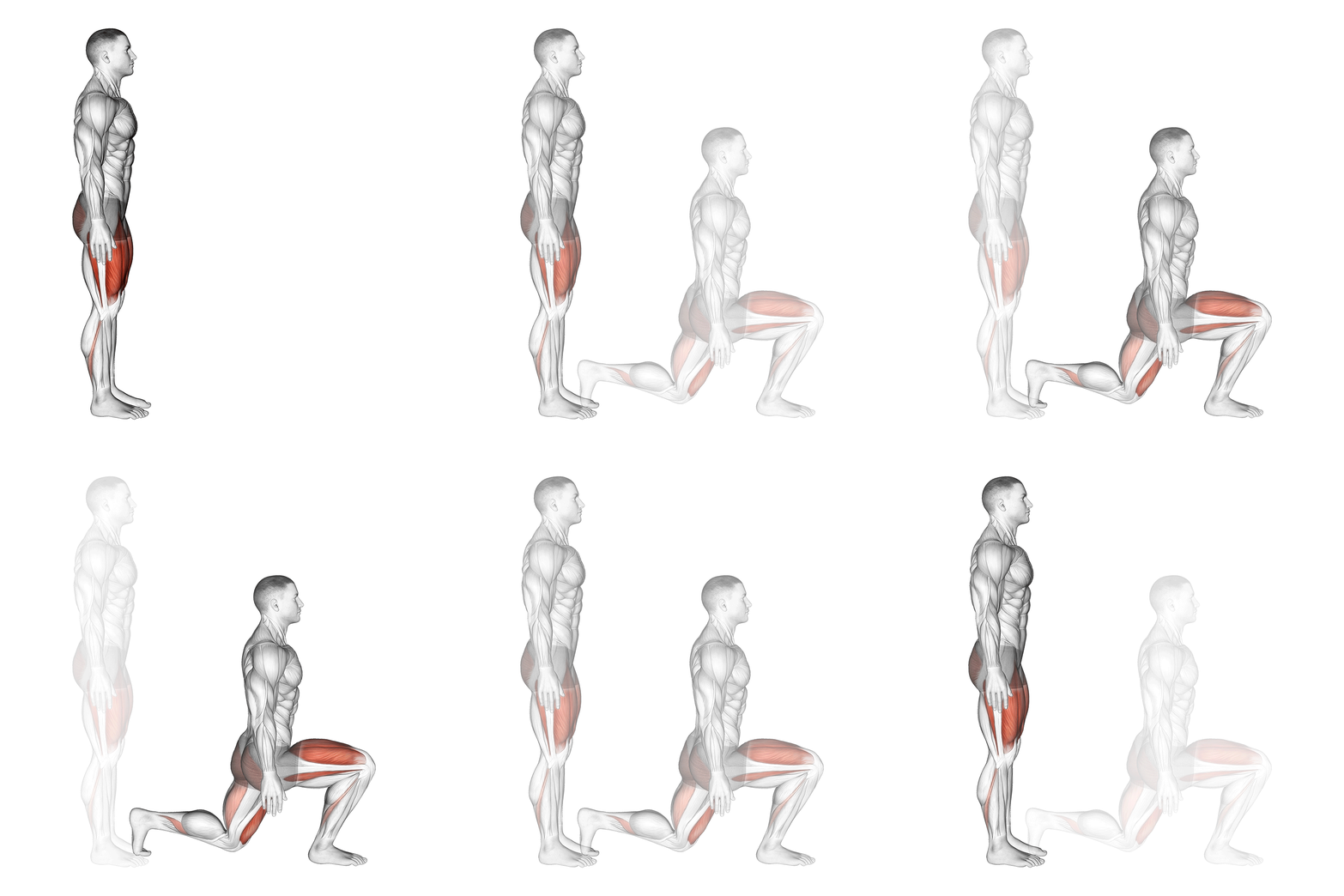
What is the sandbag lunges?
Sandbag lunges are walking lunges with a sandbag draped over the shoulders / back of the neck, 100 m of forward steps in Hyrox station 7. The bag forces a vertical torso and a true 90-degree front knee bend on each step. Athletes arrive here with cooked legs from the farmer's carry, and the lunges are where most blow up: cramping, stumbling, falling out of position. Train them under heavy fatigue with the race load and a strict back-knee-touch standard, that's the only way to make them mechanical on race day.
How to do the sandbag lunges
- 1
Settle the bag
Drape the sandbag across the upper traps / back of the neck. Grip the bag firmly with both hands to stop it sliding. High elbows lock it in place.
- 2
Step long enough
Take a step long enough that your front shin stays vertical when you lower. Too short and your knee drives forward of the toes, killing the quad and the position.
- 3
Touch the back knee
Lower until your back knee taps the floor. This is the Hyrox standard, anything less is a no-rep. Torso vertical, ribs over hips, no forward lean.
- 4
Drive through the front heel
Push the floor away with the front heel to stand. Bring the back leg through in one motion into the next lunge. Don't pause in the middle.
Pro tip
Lock your breathing to your steps: inhale on the descent, exhale on the drive up. Random panting at this station spikes the heart rate and feeds the cramps that put athletes on the floor.
Common mistakes
Forward torso lean.
Shifts load to the lower back and triggers cramps. Stay vertical, the bag should sit over your hips, not in front.
Front knee past the toes.
Step too short. Lengthen the stride so the front shin can stay vertical at the bottom.
No knee touch.
Hyrox judges will no-rep you. Train every rep to actually tap the floor, not hover above it.
Pausing every step.
Standing still under a sandbag costs more than walking. Flow through the transition, don't stop.
Hyrox standards
Official Hyrox standards by division. Always confirm the current weights on the official Hyrox site before a race.
| Division | Distance | Men | Women |
|---|---|---|---|
| Open | 100 m | 20 kg | 10 kg |
| Pro | 100 m | 30 kg | 20 kg |
| Doubles / Relay | 100 m | 20 kg | 10 kg |
Prepping for a race? Follow our complete Hyrox training plan to structure your weeks all the way to race day.
Variations and progressions
Easier
Goblet lunges, half distance
Hold a kettlebell at chest level (goblet) and lunge 50 m. Easier to balance and protects the spine while you build the strict knee-touch range.
Harder
Pro load + back-to-back rounds
Pro sandbag and chain two 100 m sets back to back with 60 seconds rest. Builds the cramp tolerance for race-day finishes.
No sandbag?
Barbell back-rack lunges
Use a barbell in the back-rack position and walk 100 m of strict lunges. Same vertical torso, same knee-touch standard, slightly harder to balance.
How to program it
Three protocols by goal. Pick one per cycle and aim for progression on load or distance.
| Goal | Sets × distance | Load | Rest |
|---|---|---|---|
| Technique | 4 × 25 m strict | Light bag | Full |
| Capacity | 5 × 50 m | Race weight | 75 s |
| Race simulation | 200 m carry → 100 m lunges → 1 km run | Race weight | As in race |
Sandbag Lunges FAQ
Why do I cramp every time on the lunges?
Three causes, usually combined: you haven't trained loaded lunges under fatigue, you're under-hydrated and low on sodium for race day, and your torso is leaning forward forcing the adductors to fire as stabilisers. Fix the training first, then the hydration, then the posture.
How long should the lunges take in a race?
Sub-elite men hit 100 m in around 1:30-1:50, women 1:45-2:10. Age-group athletes more commonly 2:00-2:45. The bigger question is what state you arrive in. A controlled 2:30 with no cramps beats a panicked 1:50 that leaves you walking the final run.
Should I hold the bag overhead or on the back?
Back of the neck / upper traps is the standard race position and the most stable. Overhead is permitted but burns the shoulders fast and shifts the load forward. Front-rack is rare, usually only useful for athletes with neck issues. Stick to back-of-neck unless you have a specific reason.